How to Take Care of a Betta Fish Petsmart
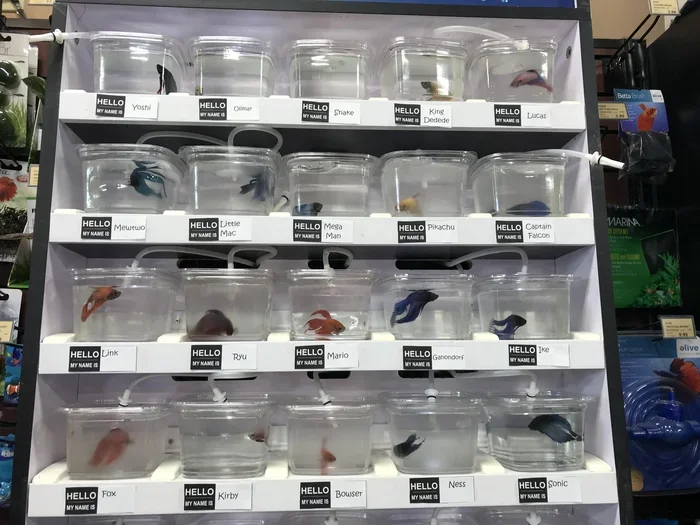
Taking care of a betta fish from Petsmart is easier than most people think. This guide covers everything you need to know about setting up the right tank, maintaining clean water, feeding properly, and keeping your betta healthy. Whether you are a beginner or a seasoned fish keeper, these tips will help your betta thrive for years to come.
Bringing home a betta fish from Petsmart is an exciting experience. These colorful fish, also known as Siamese fighting fish, are stunning and full of personality. But many new owners quickly realize that betta fish care requires more than just tossing them into a small bowl. In this guide, we walk you through everything you need to know to keep your betta happy, healthy, and thriving.
If you bought your betta from Petsmart or are thinking about doing so, you are in the right place. We will cover tank setup, feeding routines, water maintenance, common health issues, and much more. By the end of this article, you will feel confident and ready to provide the best possible home for your new finned friend.
Key Takeaways
- Tank Size Matters: A minimum 5-gallon tank gives your betta room to swim and stay healthy.
- Water Conditions Are Critical: Keep the temperature between 76-82°F and maintain a pH of 6.5-7.5 for optimal health.
- Feeding Requires Balance: Feed small amounts 1-2 times daily and avoid overfeeding to prevent health issues.
- Regular Maintenance Keeps Fish Safe: Perform weekly water changes and clean the tank consistently to avoid disease.
- Know the Signs of Stress: Recognizing early warning signs like clamped fins or loss of color helps you act fast.
- Choose Tank Mates Carefully: Not all fish are compatible with bettas, so research before adding companions.
📑 Table of Contents
Why Proper Betta Fish Care Matters
Many people underestimate the needs of a betta fish. Pet stores sometimes sell them in tiny cups, which gives the false impression that they can live in small spaces. In reality, bettas are active swimmers that need proper habitat, clean water, and a balanced diet. Neglecting these basics can lead to stress, disease, and a shortened lifespan.
A well-cared-for betta can live three to five years, and some even reach seven. That is a big commitment, but it is also incredibly rewarding. Watching your betta explore its tank, build bubble nests, and display its flowing fins is one of the joys of fish keeping.
Common Mistakes New Betta Owners Make
Before diving into the care details, let us address the mistakes that trip up most beginners. Avoiding these pitfalls will save you a lot of trouble down the road.
- Using too small a container: Bowls under 2.5 gallons are not suitable for long-term betta health.
- Skipping water changes: Dirty water leads to ammonia buildup, which is toxic to fish.
- Overfeeding: Excess food rots in the tank and pollutes the water quickly.
- Keeping the tank in direct sunlight: This causes temperature swings and promotes algae growth.
- Ignoring water temperature: Bettas are tropical fish and need consistent warmth.
Setting Up the Perfect Betta Fish Tank
The foundation of great betta fish care starts with the right tank setup. Many people wonder how to properly house a betta purchased from Petsmart. The answer is simple but requires some planning.
Choosing the Right Tank Size
A minimum tank size of 5 gallons is recommended for a single betta. While bettas can survive in smaller containers, they thrive in larger spaces where they can swim freely. A 5-gallon tank gives you enough room to add gentle filtration and a heater, both of which are essential.
If you are wondering how to set up a fish tank for betta fish properly, start with these basics:
- A 5-gallon glass or acrylic tank
- A gentle sponge filter (bettas dislike strong currents)
- A submersible heater set to 78°F
- A soft substrate like sand or smooth gravel
- Live or silk plants for hiding spots
- A lid or cover, since bettas are jumpers
Decorations and Habitat Setup
Bettas love environments with places to explore and rest. Adding plants, caves, and driftwood creates a stimulating habitat. Avoid sharp decorations that can tear their delicate fins. Silk plants and smooth rocks are excellent choices.
For those who want a natural look, setting up a betta fish bowl with a plant can work in larger setups, though a 5-gallon tank is always better. You can also check out our guide on how to setup a betta fish bowl with a plant for more specific tips.
Water Conditions and Maintenance
Clean, properly conditioned water is the single most important factor in how to take care of a betta fish. Bettas are sensitive to ammonia, nitrite, and nitrate levels. Keeping the water stable will prevent most common health problems.
Ideal Water Parameters
Here are the water conditions your betta needs to stay healthy:
- Temperature: 76-82°F (24-28°C)
- pH Level: 6.5-7.5
- Ammonia: 0 ppm
- Nitrite: 0 ppm
- Nitrate: Below 20 ppm
- Water Hardness: 3-4 dGH
Water Change Schedule
Consistency is key. For a 5-gallon tank, perform a 25-30% water change every week. Use a gravel vacuum to remove debris from the substrate. Always treat new water with a conditioner like Seachem Prime to remove chlorine and chloramine before adding it to the tank.
If you are unsure how to prepare water for a betta fish, simply let tap water sit for 24 hours or use a bottled water conditioner. This removes harmful chemicals that can stress your fish.
Feeding Your Betta Fish Properly
Feeding is one of the most enjoyable parts of betta fish keeping, but it is also where many owners go wrong. Bettas are carnivorous fish that need a protein-rich diet. In the wild, they eat insects, larvae, and small crustaceans.
Best Foods for Betta Fish
Offer a varied diet to keep your betta healthy and vibrant. Good options include:
- High-quality betta pellets (the staple diet)
- Frozen or live bloodworms (as a treat)
- Brine shrimp (excellent for color and conditioning)
- Daphnia (helps with digestion)
- Betta-specific flakes (in moderation)
Feeding Schedule and Portions
Feed your betta small amounts 1-2 times per day. A good rule of thumb is to offer only what your fish can eat in 2-3 minutes. Overfeeding is one of the leading causes of constipation and bloating in bettas. If you notice your fish not eating, skip a meal and try again the next day.
Remember that fasting one day per week can help your betta’s digestive system stay healthy. This simple practice mimics natural feeding patterns and prevents buildup in the tank.
Betta Fish Health and Common Problems
Even with the best care, bettas can sometimes fall ill. Knowing the signs of common problems helps you act quickly and save your fish. Many issues stem from poor water quality, stress, or improper diet.
Recognizing Signs of Illness
Watch for these warning signs that something is wrong:
- Clamped fins: Fins held close to the body indicate stress or discomfort.
- Loss of color: A fading or dull appearance often signals illness or poor water conditions.
- White spots on the body: This is a classic sign of ich, a common parasitic infection.
- Swollen abdomen: Could indicate constipation or dropsy.
- Labored breathing: Gasping at the surface suggests low oxygen or ammonia poisoning.
- Lethargy: Staying in one spot or not responding to feeding is a red flag.
Treating Common Betta Diseases
If you notice any of these symptoms, the first step is always to test your water. Many problems resolve simply by improving water quality. For parasitic infections like ich, raising the temperature gradually to 82°F and using a targeted treatment can be effective. If your betta shows signs of stress, consider adding aquarium salt at the recommended dosage.
For more detailed information on treating specific conditions, our guide on how to treat ich on a betta fish covers this topic thoroughly. You can also learn about reducing stress in our article on how to treat a stressed betta fish.
Prevention Is the Best Medicine
The best way to keep your betta healthy is through prevention. Maintain clean water, feed a balanced diet, avoid overcrowding, and quarantine any new fish before adding them to the main tank. A stress-free environment is the foundation of a long and healthy life for your betta.
Tank Mates and Compatibility
One question many betta owners ask is whether they can keep other fish with their betta. The answer depends on the tank size, setup, and the individual betta’s temperament.
Bettas can sometimes live peacefully with certain community fish. Good tank mate options for a 5-gallon or larger tank include:
- Corydoras catfish (bottom dwellers that stay out of the betta’s way)
- Neon tetras (small, peaceful, and fast-moving)
- Ghost shrimp (clean the tank and rarely bother bettas)
- Snails like Nerite or Mystery snails (great algae eaters)
Avoid keeping two male bettas together, as they will fight aggressively. Also be cautious with fin-nipping species like tiger barbs, which can damage a betta’s beautiful fins. Always monitor new additions closely and be prepared to separate fish if aggression occurs.
Winter Care and Temperature Maintenance
Seasonal changes can affect your betta’s environment, especially if you keep the tank in a room that gets cold. Bettas need consistent warmth year-round, and sudden temperature drops can cause serious stress.
During winter, make sure your heater is functioning properly. If you experience power outages or temperature fluctuations, consider using a battery-powered air pump to maintain oxygen levels. You can also wrap the tank with a towel or blanket for insulation during cold nights.
For more seasonal tips, check out our article on how to take care of betta fish in winter. It covers cold-weather strategies and helps you prepare your tank for the colder months.
Final Thoughts on Betta Fish Care from Petsmart
Caring for a betta fish from Petsmart is a rewarding experience that becomes second nature with a little knowledge and consistent effort. Start with a proper tank setup of at least 5 gallons, maintain clean water through regular changes, feed a protein-rich diet, and watch for signs of illness. These simple steps will give your betta the best chance at a long, healthy, and vibrant life.
Remember that every betta has its own personality. Some are active and curious, while others are more laid-back and shy. Observing your fish daily helps you understand its unique needs and catch problems early. With patience and dedication, you will build a strong bond with your betta and enjoy its beauty every single day.
For additional guidance on general betta care, feel free to explore our comprehensive guide on how to properly take care of betta fish. It covers everything from beginner basics to advanced care techniques that will elevate your fish-keeping skills.
Frequently Asked Questions
How often should I change my betta fish water?
For a 5-gallon tank, change 25-30% of the water every week. Larger tanks can go longer between changes, but consistency is important. Always use a water conditioner to remove harmful chemicals from tap water before adding it to the tank.
Can betta fish live in a bowl without a filter?
Bettas can survive in unfiltered bowls, but they thrive much better in filtered tanks. A sponge filter provides gentle water movement and helps maintain quality. A 5-gallon tank with a filter and heater is the ideal setup for long-term betta health.
What is the lifespan of a betta fish?
With proper care, betta fish typically live three to five years. Some well-maintained bettas have been known to reach seven years. Genetics, diet, water quality, and stress levels all play a role in determining how long your betta will live.
Why is my betta fish not eating?
There are several reasons a betta might refuse food, including stress, poor water quality, illness, or simply being picky. Try offering different foods like frozen bloodworms or brine shrimp. If your betta still refuses to eat for more than three days, test the water parameters and look for other signs of illness.
Can I house two betta fish together?
Two male bettas should never be kept together, as they will fight and can seriously injure or kill each other. Female bettas can sometimes be kept in small groups called sororities, but this requires a larger tank of at least 10 gallons and careful monitoring. Always research compatibility before adding tank mates.
How do I know if my betta fish is stressed?
Common signs of stress include clamped fins, loss of color, hiding constantly, rapid breathing, and loss of appetite. Stress is often caused by poor water conditions, incorrect temperature, aggressive tank mates, or lack of hiding places. Improving the environment and maintaining clean water usually resolves these issues quickly.