Can I Keep a Angelfish with Betta Fish
Keeping an angelfish with a betta fish is generally not recommended due to significant differences in temperament, size, and territorial behavior. While some experienced aquarists have made it work in very large, carefully arranged tanks, the risks of aggression, stress, and injury are high. This guide breaks down everything you need to know before attempting this combination.
Key Takeaways
- Temperament clash: Both angelfish and bettas are territorial and aggressive, making them poor tank mates in most setups.
- Size matters: Angelfish grow much larger than bettas and may see smaller fish as prey or competition.
- Tank size is critical: If you attempt this pairing, you need a minimum of 40 gallons with plenty of hiding spots and visual barriers.
- Fin nipping risk: Angelfish are known fin nippers, and a betta’s long, flowing fins are an irresistible target.
- Water parameter overlap: Both species prefer similar warm, slightly acidic water, which is one of the few compatibility points.
- Individual personality varies: Some bettas are more docile and some angelfish are less aggressive, but you should never rely on this gamble.
- Safer alternatives exist: There are many peaceful community fish that make far better companions for bettas than angelfish.
📑 Table of Contents
- Can I Keep an Angelfish with a Betta Fish?
- Understanding the Betta Fish Temperament
- Understanding the Angelfish Temperament
- Comparing Key Requirements
- What Can Go Wrong?
- When Might It Work?
- Safer Alternatives to Angelfish for Betta Tanks
- How to Set Up a Tank If You Decide to Try
- Signs the Pairing Is Not Working
- Final Verdict: Should You Keep an Angelfish with a Betta Fish?
Can I Keep an Angelfish with a Betta Fish?
If you have ever stared at your betta fish swimming gracefully in its tank and thought, “This would look amazing with an angelfish,” you are not alone. It is one of the most common questions new and intermediate aquarists ask. Both fish are stunning. Both are popular centerpiece species. And both seem like they could share a beautiful community tank.
But here is the honest answer most experienced fish keepers will give you: it is a risky combination that usually does not end well. That does not mean it is absolutely impossible. It means you need to understand the serious challenges involved before you put these two fish together. One wrong move and you could end up with a stressed betta, a torn-up angelfish, or worse.
In this article, we will walk through everything you need to know about keeping an angelfish with a betta fish. We will cover their temperaments, tank requirements, what can go wrong, and what to do if you are determined to try. Let us dive in.
Understanding the Betta Fish Temperament
Why Bettas Are Called Siamese Fighting Fish
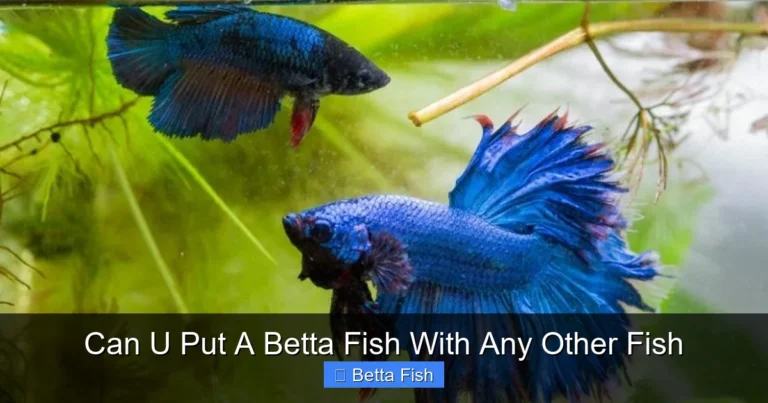
Betta fish, or Betta splendens, earned their nickname for a reason. Male bettas were originally bred in Thailand for fighting. That aggressive instinct is still very much alive in the bettas you see in pet stores today. A male betta will flare its gills, spread its fins, and attack anything it perceives as a rival. This includes other bettas, fish with bright colors, and fish with long flowing fins.
Even female bettas can be territorial, though they are generally less aggressive than males. A female betta sorority, where several females live together, can work but requires careful planning and a heavily planted tank.
What Triggers Betta Aggression?
Bettas are triggered by a few key things. Bright colors top the list. Fish that look similar to another betta, with vibrant reds, blues, and flowing fins, are almost guaranteed to provoke a response. Angelfish, with their tall, triangular bodies and long trailing fins, can absolutely trigger this response in a betta.
Space is another trigger. Bettas kept in small tanks or bowls become even more territorial because they feel the need to defend their limited territory. A cramped tank with an angelfish is a recipe for disaster.
Understanding the Angelfish Temperament
Angelfish Are Cichlids, and That Matters
Many beginners do not realize that angelfish are cichlids. They belong to the Pterophyllum genus and are native to the Amazon River basin. Cichlids, as a family, are known for being intelligent, territorial, and sometimes downright aggressive. Angelfish are on the milder end of the cichlid spectrum, but they are still cichlids.

Visual guide about Can I Keep a Angelfish with Betta Fish
Image source: 4.bp.blogspot.com
An angelfish will establish a territory, especially during breeding, and defend it vigorously. They can bully smaller fish, chase tank mates, and become surprisingly aggressive for their elegant appearance.
Angelfish Are Fin Nippers
Here is a critical point many people overlook. Angelfich are notorious fin nippers. In the wild, they feed on small fish and invertebrates, and they have a natural instinct to nip at fins. A betta’s long, flowing fins are like a red flag to an angelfish. Even a semi-peaceful angelfish may not be able to resist the temptation.
This fin nipping can lead to open wounds, infections, and severe stress for your betta. It is one of the biggest reasons experts advise against this pairing.
Comparing Key Requirements
Water Parameters
One area where bettas and angelfish actually align is water parameters. Both species prefer warm water between 76 and 82 degrees Fahrenheit. They both thrive in slightly acidic to neutral pH levels, around 6.5 to 7.5. Soft to moderately hard water works for both.
This overlap is one reason people think they could work together. But matching water parameters is just the bare minimum. It does not account for behavioral compatibility, which is where this pairing falls apart.
Minimum Tank Size
A single betta can live comfortably in a 5-gallon tank, though 10 gallons is recommended for a happier fish. An angelfish, on the other hand, needs at least 20 gallons for a single fish, and 30 to 40 gallons for a pair or small group. Their tall bodies and long fins require vertical space and room to swim.
If you are considering keeping an angelfish with a betta fish, you are looking at a minimum of 40 gallons. And honestly, even 40 gallons is pushing it. A 55-gallon tank or larger would give both fish enough space to establish separate territories and avoid constant confrontation.
Tank Setup and Decor
Both species appreciate a well-planted tank with plenty of hiding spots. Bettas love broad-leaf plants like Amazon swords and floating plants where they can rest near the surface. Angelfish prefer tall plants like Vallisneria and Amazon swords that mimic their natural Amazonian habitat.
If you attempt this combination, you need to create visual barriers using plants, driftwood, and decorations. This breaks the line of sight between the two fish and reduces the chance of territorial disputes. Think of it as building walls between two neighbors who do not get along.
What Can Go Wrong?
The Betta Attacks the Angelfish
This is the most common scenario. A betta sees the angelfish’s long fins and bright colors and immediately goes into attack mode. The betta will flare, chase, and nip at the angelfish. While angelfish are larger and can usually defend themselves, the constant stress is harmful to both fish.
The Angelfish Bullies the Betta
Angelfish grow to 6 inches or more in body height, not counting their fins. A betta is only about 2.5 to 3 inches long. That size difference means the angelfish can easily bully the betta, stealing food, claiming the best swimming areas, and chasing the betta into a corner.
Fin Nipping Leads to Infection
Even if neither fish is overtly aggressive, the angelfish’s natural fin-nipping instinct can cause problems. A betta with torn fins is vulnerable to bacterial and fungal infections like fin rot. Treating fin rot is stressful for the fish and the owner, and severe cases can be fatal.
Stress Kills
Chronic stress is the silent killer in aquariums. A fish that is constantly stressed will have a weakened immune system, lose its color, stop eating, and eventually die. Even if the betta and angelfish are not actively fighting, the mere presence of a perceived threat can cause long-term stress.
When Might It Work?
A Very Large Tank
The only realistic scenario where an angelfish and a betta might coexist is in a very large tank, 55 gallons or more, that is heavily planted and decorated with plenty of hiding spots. The size gives each fish room to claim its own territory and avoid the other.
A Docile Betta and a Peaceful Angelfish
Some bettas are unusually calm and ignore other fish entirely. Some angelfish are also less aggressive than others. If you happen to have a mellow betta and a peaceful angelfish, the odds improve slightly. But you should never count on personality alone. Always have a backup plan, like a separate tank or divider, in case things go south.
Introducing Them as Juveniles
Some aquarists have had success introducing both fish as juveniles so they grow up together. The theory is that they will be less likely to see each other as threats if they have always shared the tank. This can work, but it is still a gamble. As the angelfish matures, its cichlid instincts may kick in.
Safer Alternatives to Angelfish for Betta Tanks
If you want to add tank mates to your betta’s home, there are much safer options than angelfish. If you are looking for which fish can live with betta fish in a tank, consider these peaceful community species instead.
Corydoras Catfish
Corydoras are small, peaceful bottom dwellers that stay out of a betta’s way. They are social, so keep them in groups of at least five or six. They help clean up leftover food and add activity to the lower levels of your tank.
Neon Tetras
Neon tetras are small, fast, and peaceful. They occupy the middle of the tank while bettas prefer the top. Their small size and quick movements make them difficult for a betta to catch or harass. Keep them in a school of at least six.
Kuhli Loaches
Kuhli loaches are eel-like, peaceful fish that spend most of their time hiding in the substrate and decorations. They are nocturnal, so they are active when your betta is resting. They are an excellent choice for a community tank.
Harlequin Rasboras
Harlequin rasboras are calm, schooling fish that are similar in size to neon tetras but slightly larger. They are not flashy enough to trigger most bettas and are fast enough to avoid any aggression.
For a more detailed guide on compatible species, check out our article on what fish can live with a betta.
How to Set Up a Tank If You Decide to Try
If you have read all the warnings and still want to attempt keeping an angelfish with a betta fish, here is how to give yourself the best chance of success.
Step 1: Choose a Large Tank
Go with at least 55 gallons. Bigger is always better when mixing territorial fish. A tall tank is ideal since angelfish need vertical space.
Step 2: Heavily Plant the Tank
Use a mix of tall background plants, mid-ground plants, and floating plants. Java fern, Amazon swords, Vallisneria, and water sprite are all great choices. The goal is to create a natural environment with plenty of hiding spots and visual barriers.
Step 3: Add Hiding Spots
Use driftwood, rocks, and caves to create additional hiding spots. Both fish need places to retreat when they feel threatened.
Step 4: Introduce the Betta First
Let the betta establish itself in the tank for a week or two before adding the angelfish. This gives the betta time to claim a territory so it is less likely to feel threatened by the newcomer.
Step 5: Monitor Closely
Watch both fish carefully for the first several days. Look for signs of aggression like flaring, chasing, nipping, or one fish hiding constantly. If things do not settle down within a week, be prepared to separate them.
Step 6: Have a Backup Plan
Always have a second tank or a tank divider ready. If the pairing does not work, you need to be able to separate the fish immediately to prevent injury or death.
Signs the Pairing Is Not Working
Even with the best setup, things can go wrong. Here are the red flags to watch for.
- Constant flaring or chasing: If one or both fish are always displaying aggression, they are not coexisting peacefully.
- Torn or damaged fins: This is a clear sign of nipping and fighting.
- Loss of color: Stress causes fish to lose their vibrant colors.
- Refusal to eat: A stressed fish will often stop eating.
- Hiding constantly: If one fish is always hiding, it is being bullied.
- Clamped fins: Fins held close to the body are a sign of stress or illness.
If you notice any of these signs, separate the fish right away. No tank setup is worth the health and safety of your fish.
Final Verdict: Should You Keep an Angelfish with a Betta Fish?
Let us be straightforward. For the vast majority of fish keepers, the answer is no. The risks far outweigh the potential rewards. Angelfish and bettas are both beautiful, but they are both territorial, both can be aggressive, and the size difference creates an imbalance that often leads to problems.
If you are a beginner, this is definitely a combination to avoid. Even intermediate aquarists should think twice. Only experienced fish keepers with large, well-established tanks and a backup plan should consider attempting this pairing.
There are so many wonderful tank mates that are far more compatible with bettas. You can create a stunning, peaceful community tank without the stress and risk of mixing these two species. Your fish will be healthier, happier, and you will enjoy the hobby a whole lot more.
If you are still exploring your options, our guide on can you keep other fish with a betta is a great next read. It covers the best and worst tank mates in detail so you can make the right choice for your aquarium.
Frequently Asked Questions
Can a betta fish live with an angelfish in a 20-gallon tank?
No, a 20-gallon tank is far too small for this combination. Angelfish alone need at least 20 gallons, and adding a betta requires a much larger tank of 40 to 55 gallons minimum to reduce territorial aggression.
Will an angelfish eat a betta fish?
While an angelfish is unlikely to eat an adult betta whole, it can nip at the betta’s fins and cause serious harm. The stress and injuries from this behavior can be fatal over time.
Can a female betta live with an angelfish?
Female bettas are generally less aggressive than males, which slightly improves the odds. However, the same risks of fin nipping and territorial disputes still apply, so it is still not recommended.
What size tank do I need to keep an angelfish with a betta?
You need a minimum of 40 gallons, though 55 gallons or larger is strongly recommended. The tank should be tall, heavily planted, and decorated with plenty of hiding spots and visual barriers.
What are the best tank mates for a betta fish?
Some of the best tank mates for bettas include corydoras catfish, neon tetras, harlequin rasboras, kuhli loaches, and mystery snails. These species are peaceful, occupy different areas of the tank, and are unlikely to trigger aggression.
How do I know if my betta is stressed?
Signs of stress in bettas include loss of color, clamped fins, refusal to eat, hiding constantly, erratic swimming, and lethargy. If you notice these signs, check water parameters and look for aggressive tank mates.