How to Take Care of a Betta Fish Bowl
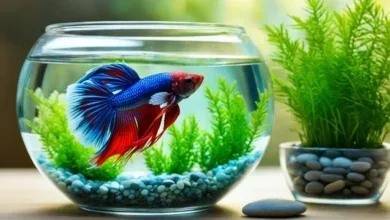
Taking care of a betta fish bowl starts with the right setup, clean water, and a healthy diet. This guide covers everything you need to know about betta fish care, from choosing the proper bowl size to maintaining water quality and keeping your fish thriving. Follow these simple steps to give your betta a happy, healthy home.
Taking care of a betta fish bowl might seem simple, but there is a lot more to it than just filling a bowl with water. These beautiful fish need the right environment, clean water, and proper nutrition to live a long and healthy life. Whether you are a complete beginner or have had bettas for years, this guide will walk you through everything you need to know about betta fish care.
A betta fish bowl is more than just a pretty container. It is your fish’s entire world. Every decision you make about the bowl, the water, the temperature, and the food directly impacts your betta’s well-being. In this article, we will break down each part of how to take care of a betta fish bowl into easy-to-follow steps. You will learn what supplies you need, how to set up the habitat, what to feed your fish, and how to spot early warning signs of trouble.
Many people think bettas can survive in tiny cups or unfiltered bowls. That is a common myth that needs to die. While bettas are hardy fish, they still deserve a proper home. With the right betta fish bowl setup, your fish can live three to five years and show off their stunning colors every day. Let us dive in and get started.
Key Takeaways
- Choose the Right Bowl Size: A minimum of 5 gallons gives your betta room to swim and stay healthy.
- Keep Water Clean: Regular water changes and proper filtration prevent harmful ammonia buildup.
- Maintain the Correct Temperature: Betta fish need warm water between 76-82°F to thrive.
- Feed a Balanced Diet: High-quality betta pellets and occasional treats keep your fish nourished.
- Watch for Health Signs: Knowing what normal betta behavior looks like helps you catch problems early.
- Set Up a Proper Habitat: Plants, hiding spots, and gentle water flow make your betta feel safe.
📑 Table of Contents
Choosing the Right Betta Fish Bowl
The first step in betta fish care is picking the right bowl. The size and shape of the container matter more than most people realize. A proper bowl gives your betta enough space to swim, explore, and stay active.
How Big Should a Betta Bowl Be?
The minimum recommended size for a betta bowl is 5 gallons. Some people think a small vase or cup is fine, but that is not the case. A larger bowl gives you more stable water parameters. It also gives your fish room to move around. Here are some quick guidelines:
- 5 gallons or more: Ideal for a single betta fish.
- 3 gallons: Acceptable but requires more frequent water changes.
- Under 3 gallons: Not recommended. Too small to maintain stable conditions.
Think of it this way. Would you want to live in a tiny closet your whole life? Your betta feels the same way about a small bowl. The more space you can provide, the better.
What Shape of Bowl Works Best?
Wide bowls are better than tall, narrow ones. Bettas are surface breathers. They need easy access to the water’s surface to gulp air. A wide bowl gives them plenty of surface area for oxygen exchange. Avoid tall, vase-shaped containers that are narrow at the top.
Setting Up Your Betta Fish Bowl
Setting up the bowl properly is the foundation of good betta fish care. A rushed setup leads to problems down the road. Take your time and get each step right.
Step-by-Step Bowl Setup
- Rinse the bowl: Use clean water to rinse the inside of the bowl. Do not use soap or any cleaning chemicals.
- Add substrate: A thin layer of smooth gravel or sand works well. Avoid rough gravel that can trap debris.
- Install a heater: Bettas need warm water between 76 and 82 degrees Fahrenheit. A small aquarium heater keeps the temperature stable.
- Add a filter: A gentle filter with a sponge prevents strong currents. Bettas are not strong swimmers and do not like being pushed around.
- Fill with treated water: Always use a water conditioner to remove chlorine and chloramine from tap water before adding it to the bowl.
- Add live plants: Plants like java moss or anubias provide natural hiding spots and help keep the water clean.
- Let the bowl cycle: Before adding your betta, let the bowl run for at least 24 hours. This allows beneficial bacteria to start building up.
For more detailed guidance on setting up a planted betta bowl, check out our guide on how to setup a betta fish bowl with a plant. It covers plant selection and placement in detail.
Essential Supplies for Betta Care
You do not need a lot of equipment to care for a betta properly. Here is a simple list of what you will need:
- A 5-gallon or larger bowl or tank
- A small sponge filter
- A mini aquarium heater
- A thermometer to monitor temperature
- Water conditioner (such as Seachem Prime or API Tap Water Conditioner)
- Fine gravel or sand substrate
- Live or silk plants
- A soft net for handling your fish
- High-quality betta pellets
Water Quality and Maintenance
Clean water is the most important part of how to take care of a betta fish bowl. Poor water quality is the number one cause of illness and early death in betta fish. Keeping the water clean does not have to be complicated, but it does require consistency.
Why Water Quality Matters
Bettas produce waste just like any other fish. That waste breaks down into ammonia, which is toxic to fish even in small amounts. In a proper bowl setup, beneficial bacteria convert ammonia into nitrite and then into nitrate. This process is called the nitrogen cycle, and it is essential for betta fish health.
Without a properly cycled bowl, ammonia levels can spike quickly. This leads to stress, disease, and even death. Regular maintenance prevents this from happening.
How Often to Change the Water
For a 5-gallon bowl with a filter, you should change about 25 to 30 percent of the water every week. For smaller bowls under 3 gallons, you may need to change 50 percent of the water weekly. Here is a simple routine:
- Siphon out the old water, removing debris from the gravel.
- Replace it with fresh, dechlorinated water at the same temperature.
- Check the temperature with your thermometer before adding the new water.
- Wipe down the inside of the bowl if algae has built up.
Need more details on water changes? Our article on how to clean out a betta fish bowl has a step-by-step walkthrough for beginners.
Testing Your Water
Invest in a simple liquid water test kit. You want to test for ammonia, nitrite, and nitrate levels. Here are the safe ranges for betta fish:
- Ammonia: 0 ppm (parts per million)
- Nitrite: 0 ppm
- Nitrate: Below 20 ppm
Test your water at least once a week, especially during the first few weeks after setting up a new bowl.
Quick Tips for Maintaining Water Quality
- Never use tap water without a water conditioner.
- Avoid overfeeding. Uneaten food pollutes the water quickly.
- Do not skip water changes, even if the water looks clear.
- Keep the bowl away from direct sunlight to prevent algae overgrowth.
- Use a gentle sponge filter to maintain beneficial bacteria.
Feeding Your Betta Fish Properly
Feeding is one of the most fun parts of betta fish care, but it is also where many people make mistakes. Overfeeding is extremely common and can lead to serious health problems.
What to Feed Your Betta
A high-quality betta pellet should be the staple of your fish’s diet. Look for pellets with a protein content of at least 30 percent. Bettas are carnivorous by nature, so they need protein-rich food. In addition to pellets, you can offer occasional treats:
- Freeze-dried bloodworms (as an occasional treat)
- Frozen brine shrimp
- Daphnia (excellent for digestive health)
- Live or frozen blackworms
Always soak freeze-dried foods before feeding them. They can expand in your betta’s stomach and cause bloating or constipation.
How Much and How Often to Feed
Feed your betta two to three small meals per day. Each meal should be about the size of your betta’s eyeball. That is all they need. Here is a simple feeding schedule:
- Morning: 2-3 betta pellets
- Evening: 2-3 pellets or a small treat like a bloodworm
If your betta leaves food uneaten, remove it after five minutes. Leftover food decays quickly and spikes ammonia levels.
Common Feeding Mistakes to Avoid
- Feeding too much at once
- Offering the same food every single day (variety is important)
- Feeding human food like bread or crackers
- Skipping meals for too long (bettas should eat daily)
Temperature and Environment
Betta fish are tropical fish. They need warm, stable water temperatures to stay healthy. Temperature swings are one of the biggest stressors for bettas.
The Ideal Temperature Range
The sweet spot for betta fish is between 76 and 82 degrees Fahrenheit. At this temperature, your betta will be active, eat well, and display vibrant colors. Here is what happens when the temperature is off:
- Below 74°F: Your betta becomes sluggish and may develop fin rot or ich.
- Above 85°F: Oxygen levels drop, causing stress and labored breathing.
- Fluctuating temperatures: Weakens the immune system and leads to illness.
If you live in a colder climate, a small aquarium heater is essential. For tips on keeping your betta warm during winter months, read our guide on how to take care of betta fish in winter.
Adding Plants and Decorations
Bettas love environments that feel natural and safe. Live plants are the best choice because they absorb nitrates and produce oxygen. Some great options for betta bowls include:
- Java moss (easy to grow and great for hiding)
- Anubias (hardy and low-maintenance)
- Java fern (thrives in low light)
- Amazon sword (for larger bowls)
Avoid sharp or rough decorations. Bettas have long, delicate fins that can tear easily. Use silk plants or smooth rocks instead.
Keeping Your Betta Healthy
Even with the best care, betta fish can sometimes get sick. Knowing the signs of a healthy betta versus a stressed or sick one makes a huge difference.
Signs of a Healthy Betta
- Bright, vibrant colors
- Active swimming and exploring
- Healthy appetite
- Intact fins with no tearing or clamping
- Normal breathing rate (not gasping at the surface)
Common Betta Fish Illnesses
Here are the most common health issues you may encounter and how to handle them:
- Fin Rot: Frayed or discolored fins caused by poor water quality. Fix it with regular water changes and a mild antibacterial treatment.
- Ich (White Spot Disease): Small white spots on the body and fins. Raise the temperature slightly and treat with an ich medication.
- Bloating: Caused by overfeeding or constipation. Feed a peeled pea or fast your fish for a day.
- Stress: Hiding, loss of color, and loss of appetite. Check water parameters and temperature first.
If you notice any of these symptoms, act quickly. The sooner you address the problem, the better your betta’s chances of recovery. For detailed treatment advice, check out our article on how to treat a stressed betta fish.
Prevention is the Best Medicine
The best way to keep your betta healthy is through prevention. Here are the top habits that make a big difference:
- Perform regular water changes every week
- Test water parameters monthly
- Do not overfeed
- Keep the bowl in a quiet area away from drafts and direct sunlight
- Quarantine new fish before adding them to the bowl
- Avoid touching your betta with bare hands
Common Mistakes People Make with Betta Bowls
Even well-meaning fish keepers make mistakes. Here are the most common ones and how to avoid them.
Mistake 1: Keeping the Bowl Too Small
A tiny bowl might look cute, but it is terrible for your betta’s health. Small volumes of water change temperature and chemistry rapidly. Always go for at least 5 gallons.
Mistake 2: Skipping the Filter
Some people believe bettas do not need a filter because they live in small puddles in the wild. That is misleading. While bettas can survive in shallow water, they still benefit from filtration. A sponge filter provides mechanical and biological filtration without creating strong currents.
Mistake 3: Not Cycling the Bowl
Adding your betta to an uncycled bowl is like putting them in a toxic environment. Always cycle your bowl for at least 24 to 48 hours before introducing your fish.
Mistake 4: Overfeeding
Bettas have small stomachs. Overfeeding leads to bloating, obesity, and dirty water. Stick to small, measured portions twice a day.
Final Thoughts on Betta Fish Bowl Care
Taking care of a betta fish bowl is a rewarding experience that anyone can enjoy. The key is consistency. Keep the water clean, maintain the right temperature, feed a balanced diet, and watch for signs of trouble. Your betta will reward you with vibrant colors, playful behavior, and years of companionship.
Remember, betta fish care is not about being perfect. It is about doing your best and learning as you go. Start with a proper 5-gallon bowl, set up a stable environment, and build a routine that works for your schedule. Every small effort you make adds up to a happier, healthier fish.
If you are just getting started with betta keeping, our beginner-friendly guide on how to care for a betta fish has even more tips and advice to help you succeed. Enjoy the journey, and happy fish keeping!
Frequently Asked Questions
What size bowl is best for a betta fish?
A 5-gallon bowl or tank is the minimum recommended size for a single betta fish. Larger is always better, as it provides more stable water conditions and gives your fish room to swim comfortably.
How often should I change the water in my betta bowl?
For a 5-gallon bowl with a filter, change 25 to 30 percent of the water every week. For smaller bowls under 3 gallons, aim for 50 percent weekly water changes to keep ammonia and nitrate levels safe.
Can betta fish live in a bowl without a filter?
Bettas can survive in unfiltered bowls, but a filter makes a huge difference in water quality. A gentle sponge filter helps remove waste and supports beneficial bacteria that keep your fish healthy.
What is the best temperature for a betta fish bowl?
The ideal temperature range is 76 to 82 degrees Fahrenheit. Use a small aquarium heater and a thermometer to maintain a stable temperature and avoid sudden fluctuations.
How do I know if my betta fish is stressed?
Signs of a stressed betta include clamped fins, loss of color, hiding frequently, loss of appetite, and rapid breathing. Check water parameters and temperature first, as poor water quality is the most common cause of stress.
What should I feed my betta fish in a bowl?
Feed your betta high-quality betta pellets as the main diet, supplemented with occasional treats like freeze-dried bloodworms, frozen brine shrimp, or daphnia. Feed small amounts two to three times per day.