How to Stop Scared Betta Fish
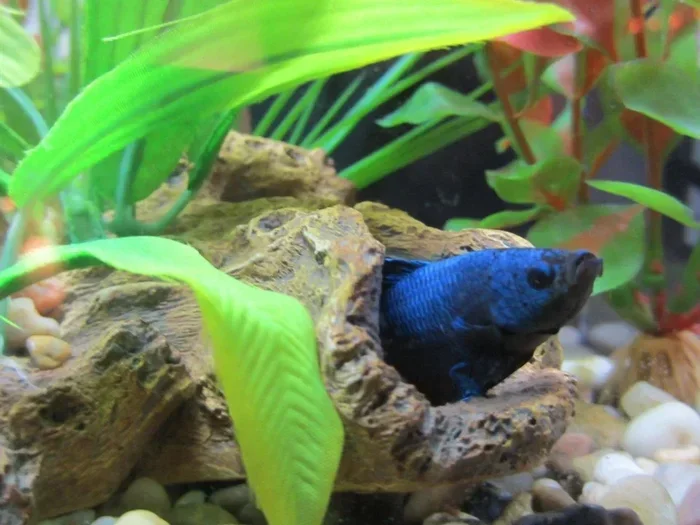
Scared betta fish hide, refuse food, and lose color. This guide shows you exactly how to calm a scared betta fish with simple changes to tank setup, water quality, lighting, and daily routine. You will learn proven betta fish care techniques that reduce stress and bring back your fish’s natural confidence and vibrant colors.
Your betta fish suddenly darts behind the decoration every time you walk by the room. The fins are clamped tight. The colors look faded. If this sounds familiar, you are dealing with a scared betta fish, and you are not alone. Many betta owners face this problem, and the good news is that it is fixable.
Scared betta fish are not just being dramatic. Fear in betta fish is a real stress response that can lead to serious health problems if left unchecked. A stressed betta becomes vulnerable to diseases like ich and fin rot. The good thing is that understanding what causes fear in your fish puts you in the perfect position to help.
This guide walks you through every step to calm a scared betta fish. You will learn about the most common stress triggers, how to set up a peaceful tank, and simple daily habits that build trust. By the end, you will have a clear action plan to make your betta feel safe, healthy, and happy again.
Key Takeaways
- Identify stress triggers: Loud noises, bright lights, and aggressive tank mates are the top reasons betta fish get scared.
- Optimize the tank environment: Proper hiding spots, gentle filtration, and stable water conditions make a huge difference.
- Adjust lighting and noise: Dim, consistent lighting and quiet surroundings help betta fish feel safe.
- Use a careful acclimation process: Gradual introductions to new tanks or bowls prevent shock and fear.
- Feed a consistent diet: Regular feeding schedules build trust and reduce anxiety in betta fish.
- Monitor behavior daily: Watching for early stress signs lets you act fast before problems worsen.
📑 Table of Contents
- Why Betta Fish Get Scared
- How to Create a Calm and Safe Tank Environment
- Lighting and Noise Control
- Proper Water Care for a Relaxed Betta
- Building Trust Through Daily Routine
- When to Seek Additional Help
- Quick Tips to Calm a Scared Betta Fish Fast
- Common Mistakes That Make Betta Fish More Scared
- Conclusion
Why Betta Fish Get Scared
Betta fish are sensitive creatures. They respond strongly to changes in their betta fish environment. Understanding why your fish gets scared is the first step toward a solution.
Common Stress Triggers for Betta Fish
Several things can cause a betta fish to become fearful. Here are the most common culprits:
- Loud noises: Betta fish have excellent hearing. Heavy footsteps, loud music, or tapping on the glass can startle them badly.
- Bright or flickering lights: Harsh lighting makes bettas feel exposed and vulnerable. Fluorescent lights that flicker are especially stressful.
- Aggressive tank mates: Fish that chase or nip at fins cause constant fear. Even fast-moving fish can stress a betta out.
- Sudden changes: Moving the tank, changing the water abruptly, or adding new decorations without acclimation shocks your fish.
- Poor water quality: Dirty water with high ammonia levels makes bettas feel physically unwell and anxious.
- Small cramped tanks: A tiny bowl with no swimming space causes constant feelings of threat and helplessness.
Behavioral Signs Your Betta Is Scared
Watch for these betta fish behavior changes that signal fear:
- Hiding constantly: Staying behind decorations or in corners for long periods.
- Clamped fins: Fins held close to the body instead of spread out naturally.
- Loss of color: Fading or whitening of vibrant scales.
- Refusing food: Ignoring food even when hungry.
- Erratic swimming: Darting around the tank or rubbing against objects.
- Glass surfing: Repeatedly swimming into the tank walls.
If you notice these signs, do not panic. Most scared betta fish recover quickly once you remove the stressor. For more help with stress-related issues, check out our guide on how to treat a stressed betta fish.
How to Create a Calm and Safe Tank Environment
The tank environment is the foundation of your betta’s sense of safety. Small changes here can produce dramatic results in your fish’s confidence level.
Choose the Right Tank Size
A proper betta fish tank should be at least 5 gallons. This gives your fish enough space to swim away from perceived threats. In a small bowl, your betta feels trapped and vulnerable. A larger tank creates zones where your fish can feel in control of its territory.
Add Plenty of Hiding Spots
Betta fish feel safe when they have places to retreat. Add these to your tank:
- Live or silk plants with broad leaves
- Caves or small hollow decorations
- Driftwood pieces that create shadowed areas
- Floating plants that dim the light naturally
These hiding spots give your scared betta fish a sense of security. Avoid sharp plastic decorations that can tear delicate fins.
Set Up Gentle Filtration
Strong filters create currents that make bettas feel like they are constantly fighting to stay in place. Use a sponge filter or adjust your filter output so the flow is gentle. Your betta should be able to swim comfortably without being pushed around.
Lighting and Noise Control
Two of the most overlooked causes of fear in betta fish are lighting and noise. Fixing these is simple and costs nothing.
Use Soft, Consistent Lighting
Betta fish prefer dim, natural light. Here is what works best:
- Use an LED aquarium light with adjustable brightness.
- Set a consistent schedule of 8 to 10 hours of light per day.
- Avoid placing the tank in direct sunlight, which causes temperature swings and glare.
- Turn off room lights at night so the tank light does not feel harsh by comparison.
A calm lighting routine helps your betta fish know what to expect. Predictability reduces fear significantly.
Keep the Area Around the Tank Quiet
Place your betta tank in a low-traffic area of your home. Avoid putting it near:
- Televisions or speakers that produce vibrations
- Doors that slam frequently
- Appliances like washing machines or dryers
- Children’s play areas with loud, sudden noises
A quiet location helps your betta feel secure throughout the day. If you cannot move the tank, consider adding a background sticker to the outside of the tank. This reduces reflections that can startle your fish.
Proper Water Care for a Relaxed Betta
Betta fish water quality directly affects your fish’s stress levels. Poor water conditions make even a normally calm betta become fearful and defensive.
Maintain Stable Water Parameters
Keep these parameters in check for a relaxed betta:
- Temperature: 78 to 80 degrees Fahrenheit
- pH: 6.5 to 7.5
- Ammonia: 0 ppm
- Nitrite: 0 ppm
- Nitrate: Below 20 ppm
Use a reliable test kit to check these weekly. Sudden shifts in any parameter trigger fear and stress responses in bettas.
Water Changes Done Right
Regular water changes are essential, but doing them wrong can scare your fish. Follow these steps:
- Turn off the tank light before starting.
- Remove only 25 to 30 percent of the water at a time.
- Use a siphon to vacuum debris from the substrate gently.
- Replace with water that matches the tank temperature exactly.
- Add tap water conditioner to remove chlorine and chloramine.
- Let your betta settle for a few hours before turning lights back on.
For more detailed guidance on water preparation, read our article on how to prepare water for a betta fish. Taking your time with water changes prevents the sudden shocks that make bettas scared.
Building Trust Through Daily Routine
Betta fish are smarter than most people think. They learn to recognize patterns in their environment. A consistent daily routine builds trust and reduces fear over time.
Feed on a Schedule
Feed your betta at the same times every day. Morning and evening feedings work well. Use high-quality pellets or frozen food. A predictable feeding schedule tells your betta that its world is safe and reliable.
Do not overfeed. Excess food clouds the water and creates stress. Feed only what your betta can eat in two minutes.
Interact Gently
Avoid tapping on the glass or reaching into the tank suddenly. Instead, try these gentle bonding activities:
- Place your hand near the tank and let your betta come to you.
- Use a feeding ring so your fish learns to expect food in one spot.
- Talk softly near the tank so your betta gets used to your voice.
- Move slowly and deliberately around the tank area.
Over time, your betta will associate your presence with positive experiences. A scared betta fish that learns you are not a threat becomes curious and interactive.
When to Seek Additional Help
Sometimes fear in betta fish signals a deeper problem. If you have optimized the tank environment and your betta is still showing signs of fear, consider these possibilities:
Underlying Health Issues
Diseases like ich, fin rot, or bacterial infections cause discomfort that manifests as fear and hiding. If your betta shows white spots, torn fins, or redness, treat the illness promptly. Our guide on how to treat ich on a betta fish covers one of the most common diseases that cause fear in bettas.
Fin Loss and Recovery
Betta fish that have lost fins may feel vulnerable and scared during the regrowth process. Be patient and provide extra hiding spots. For more information, see our article on how to regrow betta fish fins. A comfortable recovery environment speeds up healing and reduces fear.
Persistent Stress Despite Your Best Efforts
If your betta remains scared after all these changes, consult a veterinarian experienced with fish. Sometimes a combination of factors requires professional guidance.
Quick Tips to Calm a Scared Betta Fish Fast
Need immediate results? Try these quick fixes:
- Dim the lights: Turn off all room and tank lights for a few hours to let your betta relax.
- Add floating plants: They create immediate shade and a sense of security.
- Sit quietly by the tank: Your calm presence helps your betta feel safe.
- Check the water temperature: A sudden drop in temperature can cause fear. Make sure it stays between 78 and 80 degrees.
- Remove aggressive tank mates: If you have other fish, separate them immediately.
These steps work fast because they address the most immediate fear triggers. Combine them with the long-term strategies in this guide for lasting results.
Common Mistakes That Make Betta Fish More Scared
Avoid these pitfalls that unknowingly increase fear in your betta:
- Moving the tank frequently: Every move disrupts your fish’s sense of territory and safety.
- Using harsh medications: Some treatments stress bettas further. Always research before medicating.
- Overcleaning the tank: Removing all beneficial bacteria destabilizes the environment and confuses your fish.
- Keeping the tank in a busy hallway: Constant foot traffic and shadows keep your betta on edge.
- Ignoring water changes: Dirty water builds toxins that make your fish feel sick and afraid.
For more tips on proper betta care, read our comprehensive guide on how to properly care for betta fish to avoid these common mistakes.
Conclusion
Stopping a scared betta fish comes down to understanding what causes fear and then removing those triggers one by one. A calm tank environment, gentle lighting, quiet surroundings, and a consistent routine work together to transform a frightened fish into a confident, colorful companion. Your betta fish care efforts do not need to be complicated. Small, thoughtful changes make the biggest difference.
Start with the tips in this guide today. Watch your betta’s behavior closely over the next week. You should see improvements in appetite, color, and activity level. A happy betta is a visible sign that your efforts are working. Stay patient, stay consistent, and your betta will reward you with vibrant health and peaceful behavior.
Frequently Asked Questions
Why is my betta fish suddenly scared and hiding?
Sudden fear in betta fish is usually caused by a change in the environment. This could be a water parameter shift, a loud noise, new tank mates, or bright lighting. Check your water quality first, then look for recent changes around the tank. Remove the stressor and give your fish time to adjust.
How long does it take for a scared betta fish to calm down?
Most betta fish calm down within a few days to two weeks after you remove the stressor. If the fear was caused by a sudden change like a new tank or water change, expect about 5 to 7 days for your betta to settle in. Patience and consistency are key during this period.
Can loud music scare a betta fish?
Yes, loud music and sudden noises can scare betta fish. They are sensitive to vibrations transmitted through the water. Keep music at a moderate volume and avoid placing speakers directly against the tank stand. A quiet environment helps your betta feel secure.
Should I cover my betta fish tank to help it feel safe?
Covering the tank can help reduce external stimuli like sudden movements and shadows. It also prevents your betta from jumping out when startled. Use a fitted lid with small gaps for airflow. This simple change can make a noticeable difference in a scared betta’s behavior.
What is the best way to acclimate a new betta fish to a tank?
The drip acclimation method works best for new bettas. Float the bag in the tank for 15 minutes, then slowly add small amounts of tank water to the bag over 30 to 45 minutes. This gradual process prevents shock and helps your betta adjust without fear. For more details, see our guide on how to transfer a betta fish to a new tank.
Can a betta fish stay scared forever if nothing changes?
A chronically scared betta fish will develop health problems over time. Persistent stress weakens the immune system and leads to diseases. If you have addressed all environmental factors and your betta is still fearful, consult a fish veterinarian. Long-term fear is not normal and should be resolved promptly.