How to Save a Betta Fish Eye
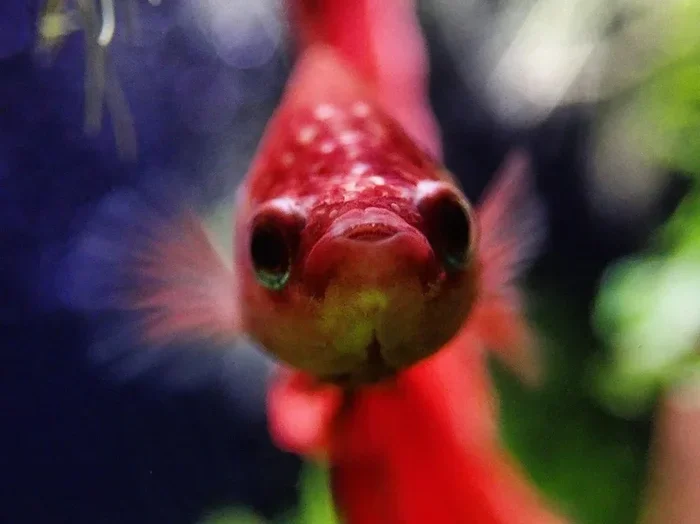
A betta fish eye problem can look scary, but most cases are treatable if you act quickly. Whether your betta has a cloudy eye, swelling, or an injury, the right approach can restore eye health and prevent permanent damage. This guide walks you through every step, from identifying the cause to applying effective treatments and keeping your fish healthy long-term.
Key Takeaways
- Early Detection Saves Eyes: Catching eye problems in the first 24 to 48 hours dramatically improves recovery chances.
- Water Quality Is Everything: Poor water conditions are the #1 cause of betta fish eye issues. Testing and maintaining clean water is the foundation of treatment.
- Multiple Causes Exist: Eye problems can stem from bacterial infections, physical injury, poor diet, or underlying diseases like ich.
- Treatment Depends on the Cause: Salt baths, antibiotics, and tank adjustments each target different root problems.
- Prevention Beats Cure: Regular tank maintenance, proper feeding, and stress reduction keep betta eyes healthy.
- Know When to Seek Help: Some eye conditions need a vet or experienced fish keeper. Don’t wait too long.
📑 Table of Contents
How to Save a Betta Fish Eye
Betta fish are beautiful, hardy, and full of personality. But even the toughest betta can develop eye problems. A cloudy eye, a swollen eyeball, or a visible injury can alarm any fish owner. The good news? Most eye issues are treatable when you catch them early and take the right steps.
This guide covers everything you need to know about saving a betta fish eye. We will walk you through the causes, symptoms, treatments, and prevention methods. Whether your betta has a mild irritation or a serious infection, you will find practical advice here.
Acting fast is the single most important thing you can do. The longer an eye problem goes untreated, the harder it becomes to fix. Let us dive in and give your betta the best chance at a full recovery.
Why Do Betta Fish Develop Eye Problems?
Betta fish eyes are delicate. They sit on the sides of the head with no protective eyelids. This makes them vulnerable to damage. Understanding why eye problems happen is the first step toward fixing them.
Most eye issues fall into three categories: infections, injuries, and environmental causes. Each requires a different approach. Let us break them down.
Bacterial and Fungal Infections
Bacteria and fungi thrive in dirty water. When your betta’s tank water is poor, harmful microorganisms can attack the eye tissue. This leads to swelling, cloudiness, and sometimes discharge. Bacterial infection betta fish cases are extremely common and often respond well to treatment if caught early.
Cloudy eye in betta fish is one of the most frequent symptoms of a bacterial infection. The eye develops a milky, white film. In some cases, the eye may appear to bulge outward, a condition known as popeye.
Physical Injuries
Betta fish are curious. They swim into decorations, bump into tank walls, or get scratched by rough substrate. These injuries can damage the eye directly. Sharp plastic plants and jagged rocks are common culprits.
Eye injuries can also happen during fights. If your betta lives with other fish, aggressive encounters can lead to eye damage. Even a minor scratch can become infected without proper care.
Environmental and Water Quality Issues
Dirty water is the enemy of betta fish health. Ammonia and nitrite spikes burn the sensitive tissues around the eyes. Over time, poor water conditions weaken the immune system, making your betta susceptible to disease.
Here are the most common environmental causes of betta fish eye problems:
- High ammonia levels from waste buildup
- Sudden temperature changes in the tank
- Improper pH levels stressing the fish
- Chlorine or heavy metals in untreated tap water
- Low oxygen levels from overcrowding or poor filtration
Keeping your tank clean and stable is the best way to prevent these issues. If you are unsure about your water parameters, check out our guide on how to take care of betta fish water for detailed testing and maintenance tips.
How to Identify Eye Problems in Your Betta
Spotting eye problems early makes treatment much easier. Betta fish are good at hiding discomfort, so you need to watch closely. Here are the signs that something is wrong with your betta’s eye.
Cloudy or White Eye
A healthy betta eye is clear and bright. If you notice a white or milky film forming over the eye, this is a sign of infection or damage. Cloudiness can affect one eye or both. A single cloudy eye often points to an injury. Both eyes clouded at the same time usually indicates a water quality problem or a systemic infection.
Swollen or Bulging Eye (Popeye)
Popeye is when the eye protrudes or swells outward from the socket. It can happen from bacterial infection, injury, or poor water conditions. Popeye in betta fish looks alarming but is treatable if you address the root cause quickly.
Eye Discharge or Crust
Any mucus, pus, or crusty buildup around the eye signals an infection. This often accompanies other symptoms like lethargy or loss of appetite. Do not ignore discharge. It will not go away on its own.
Eye Color Changes
Healthy betta eyes display vibrant colors. If the eye appears dull, faded, or changes color, something is off. Eye color changes can indicate infection, age-related degeneration, or nutritional deficiencies.
Squinting or Keeping the Eye Closed
If your betta keeps one eye shut or squints, it is likely in pain. This behavior often accompanies injury or infection. Watch for this sign, especially after tank maintenance or feeding.
Step-by-Step Treatment Guide
Once you identify the problem, it is time to treat it. The treatment plan depends on the cause. Below is a step-by-step approach that covers the most common scenarios.
Step 1: Test Your Water Immediately
Before you do anything else, test your tank water. Use a liquid test kit to check ammonia, nitrite, nitrate, and pH levels. If any parameter is off, perform a 50% water change right away. Clean water is the foundation of every treatment plan.
For ongoing maintenance, learn how to properly clean a betta fish tank without a filter to keep water conditions safe and stable.
Step 2: Isolate the Fish if Needed
If your betta lives in a community tank, consider moving it to a quarantine tank during treatment. This protects the sick fish and prevents medication from affecting other inhabitants. A simple hospital tank with a heater and gentle filter works perfectly.
Step 3: Treat Based on the Cause
Different causes require different treatments. Here is how to approach each one:
For bacterial infections: Use a broad-spectrum aquarium antibiotic. Maracyn and Tetra Lifecare are popular options. Follow the dosage instructions carefully. Treat for 5 to 7 days and monitor progress.
For fungal infections: antifungal medications like Pimafix work well. Fungal eye infections often appear alongside bacterial issues, so a combined treatment may be necessary.
For injuries: Clean the affected area gently with a soft cloth dampened with tank water. Apply a fish-safe antiseptic if available. Keep the water pristine to prevent secondary infection.
For popeye caused by poor water: Focus on water quality first. Perform daily 25% water changes for a week. Add aquarium salt to reduce swelling. Most cases of popeye improve within 7 to 14 days once water conditions stabilize.
Step 4: Use Salt Baths for Relief
A salt bath can reduce swelling and fight mild infections. Use aquarium salt, not table salt. Dissolve one teaspoon per gallon of tank water. Place your betta in the salt bath for 10 to 15 minutes, then return it to the main tank. You can also learn how to give a more detailed salt treatment by reading our article on how to give a betta fish a salt bath.
Step 5: Monitor and Adjust
Watch your betta closely for the next 7 to 14 days. Look for improvement in eye clarity, reduced swelling, and a return to normal behavior. If the condition worsens or does not improve, consider consulting a fish veterinarian or experienced aquarist.
Prevention: Keeping Your Betta’s Eyes Healthy
Prevention is always better than cure. A healthy betta in a clean tank rarely develops eye problems. Here is how to keep your fish’s eyes in top condition.
Maintain Excellent Water Quality
Test your water at least once a week. Keep ammonia and nitrite at zero. Nitrates should stay below 20 ppm. Perform regular water changes of 25% to 50% weekly. A well-maintained tank prevents the majority of betta health problems, including eye issues.
Regular tank cleaning also supports overall betta fish tank maintenance. If you are unsure where to start, our guide on how to set up a fish tank for betta fish covers everything you need to build a healthy environment.
Feed a Balanced Diet
Nutrition plays a role in eye health. Feed your betta high-quality pellets as the staple diet. Supplement with frozen or live foods like brine shrimp and bloodworms. A varied diet boosts the immune system and supports healthy tissue, including the eyes.
Avoid overfeeding. Excess food decays in the tank and spikes ammonia levels. Feed your betta 2 to 3 pellets twice a day, and skip one day per week to let the digestive system rest.
Reduce Stress
Stressed fish are sick fish. Stress weakens the immune system and makes your betta vulnerable to infections. Keep the tank in a quiet location away from loud noises and direct sunlight. Avoid aggressive tankmates. Provide hiding spots with soft decorations.
If you notice signs of stress, take action immediately. Learn more about how to treat a stressed betta fish to address the underlying causes before they lead to physical health problems like eye infections.
Handle With Care
When you catch your betta for tank maintenance or treatment, be gentle. Use a soft net and avoid squeezing. Rough handling can cause eye injuries. Always acclimate your betta slowly when transferring water or moving between tanks.
Common Mistakes to Avoid
Even well-meaning fish owners make mistakes that worsen eye problems. Here are the most common ones to avoid.
- Waiting too long to start treatment. Eye problems escalate fast. Begin treatment within 24 hours of noticing symptoms.
- Using the wrong medication. Not all fish medications work for every infection. Identify the cause before choosing a treatment.
- Overmedicating the tank. Too much medication can harm your betta’s sensitive organs. Follow dosage instructions exactly.
- Ignoring water quality. Treating the eye without fixing the water is like putting a bandage on a broken bone. The problem will return.
- Using table salt instead of aquarium salt. Table salt contains additives that harm fish. Always use pure aquarium salt.
- Removing all beneficial bacteria. Do not clean the filter media with tap water. Rinse it in old tank water to preserve the good bacteria that keep your tank healthy.
When to See a Vet
Most eye problems respond well to home treatment. However, some situations require professional help. Contact a fish veterinarian or experienced exotic pet vet if:
- The eye is completely blind or has no response to light
- Swelling does not improve after 7 days of treatment
- Your betta stops eating and becomes lethargic
- Multiple fish in the tank show similar symptoms
- The eye appears to be rupturing or has visible tissue damage
A professional can prescribe stronger medications or perform procedures that are beyond home treatment. Do not hesitate to seek help if the situation is serious.
Expert Insights on Betta Eye Health
Experienced betta keepers agree that prevention is the most powerful tool. A clean tank, stable parameters, and a low-stress environment go a long way. According to many seasoned aquarists, the key is consistency. Small daily efforts, like checking water temperature and observing your fish’s behavior, catch problems before they become emergencies.
One expert tip: keep a quarantine tank ready at all times. If you notice any symptoms in your betta, isolating it immediately prevents the spread of disease and gives you a controlled environment for treatment. This simple setup can save lives.
Also, remember that betta fish eye color changes naturally as they age. Older bettas may develop a slight cloudiness that is not a disease. Knowing what is normal for your fish helps you spot the abnormal quickly.
Final Thoughts
Saving a betta fish eye is absolutely possible with the right knowledge and quick action. Most eye problems stem from water quality issues, infections, or injuries. By testing your water, treating the root cause, and providing a clean, stress-free environment, you give your betta the best chance at a full recovery.
Remember to act fast, treat the cause not just the symptom, and keep prevention at the top of your routine. Your betta fish depends on you for its health. With the tips in this guide, you are well-equipped to protect those beautiful eyes and keep your betta thriving for years to come.
For more comprehensive betta care advice, explore our how to care for a betta fish 101 guide. It covers everything from feeding to tank setup to keeping your fish happy and healthy.
Frequently Asked Questions
Can a betta fish eye heal on its own?
Mild injuries and early-stage infections can heal on their own if you improve water quality immediately. However, most eye problems need active treatment. Do not wait and hope it gets better. Start treatment as soon as you notice symptoms for the best outcome.
How long does it take for a betta fish eye to recover?
Recovery time depends on the cause and severity. Mild cloudy eye often clears within 5 to 7 days with proper treatment. Popeye and serious infections may take 2 to 4 weeks. Consistency with water changes and medication is key to a full recovery.
Is aquarium salt safe for betta fish?
Yes, aquarium salt is safe for betta fish when used correctly. Use one teaspoon per gallon for short-term treatments. Avoid using salt in tanks with live plants, as it can harm them. Always use pure aquarium salt, not table salt or marine salt.
What causes a betta fish eye to pop out?
A bulging or popping eye is usually caused by popeye, which results from bacterial infection, physical injury, or poor water quality. Ammonia spikes are a common trigger. Treat the underlying cause and improve water conditions to reduce the swelling.
Can ich cause betta fish eye problems?
Yes, ich and other parasitic infections can affect the eyes indirectly by weakening the fish’s immune system. If your betta shows white spots along with eye cloudiness, treat the ich first. Learn more about treating ich in our guide on how to treat ich on a betta fish.
How can I prevent my betta from getting eye infections?
Maintain clean water with weekly testings and regular changes. Feed a balanced diet, avoid overfeeding, and keep the tank stress-free. Remove sharp decorations and handle your betta gently during tank maintenance. Prevention through good husbandry is the most effective strategy.