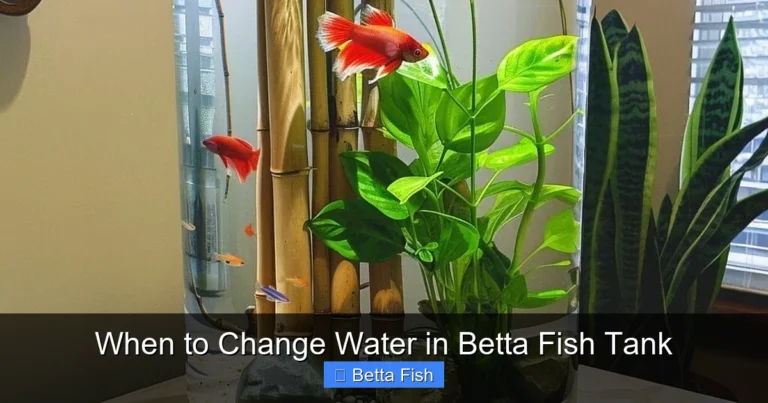
Can Betta Fish Eat Any Human Food
Betta fish have very specific dietary needs and cannot safely eat most human foods. While tiny bites of plain, unseasoned foods like cooked peas or soft boiled egg may be tolerated, the majority of snacks are too rich, salty, or contain harmful additives. Stick to high‑quality betta pellets, frozen or live treats, and only offer occasional human foods after careful preparation.
Key Takeaways
- Natural diet matters: Bettas are carnivorous and thrive on protein‑rich foods, not carbs or sugars found in most human snacks.
- Only a few human foods are safe: Plain cooked peas, tiny pieces of boiled egg, or a very small amount of watermelon can be offered occasionally.
- Avoid processed foods: Salt, sugar, spices, oils, and artificial sweeteners are toxic to bettas.
- Portion control is crucial: Even safe human foods should be less than 5% of a betta’s total diet.
- Quality commercial food is best: High‑grade betta pellets or frozen bloodworms provide balanced nutrition.
- Watch for signs of stress: Loss of color, lethargy, or bloating indicate a food problem.
- Research before sharing: Always check reliable sources, like our guide on what can betta fish eat, before offering any new treat.
📑 Table of Contents
Introduction: Why the Question Matters
If you’ve ever watched your betta splash around a glass bowl while you munch on a slice of pizza, you might wonder, “Can betta fish eat any human food?” It’s a natural curiosity. After all, many pet owners love to share a tiny bite with their companions. But bettas are not like goldfish or guppies; they have very particular nutritional needs.
In this article we’ll break down exactly what a betta’s diet should look like, which human foods (if any) are truly safe, and how to avoid accidental poisoning. We’ll also sprinkle in a few handy tips and real‑world examples so you can feel confident feeding your finned friend.
1. Understanding a Betta’s Natural Diet
1.1. Carnivorous by nature
Bettas (Betta splendens) come from the shallow, warm waters of Thailand and Vietnam. In the wild they hunt tiny insects, mosquito larvae, and small crustaceans. Their mouths are built for grabbing and swallowing protein‑rich prey, not grinding plant matter.
1.2. What commercial foods mimic
High‑quality betta pellets, frozen or freeze‑dried bloodworms, and brine shrimp are formulated to match that natural protein profile. They contain the right balance of amino acids, fats, and vitamins that keep a betta’s fins bright and its immune system strong.
2. The Risks of Feeding Human Snacks
2.1. Salt and sodium overload
Even a pinch of table salt can stress a betta’s kidneys. Processed foods (chips, pretzels, cured meats) are loaded with sodium that quickly becomes toxic.
Visual guide about Can Betta Fish Eat Any Human Food
Image source: veertien.jp
2.2. Sugar and carbohydrate spikes
Bettas have no digestive enzymes for breaking down sugars. Candy, fruit juice, or sweetened yogurts can cause bloating, constipation, and even fatal organ failure.
2.3. Harmful additives
Spices, garlic, onion, and artificial flavorings irritate a betta’s delicate gut lining. Oils and butter coat the water, reducing oxygen levels and promoting harmful bacterial growth.
3. Human Foods That Are Occasionally Safe
3.1. Plain cooked peas
Peas are a classic remedy for constipation in many fish. Boil a pea until soft, remove the skin, and crush a tiny piece (about the size of a pea seed). Offer it once a week if your betta shows signs of digestive sluggishness.
Visual guide about Can Betta Fish Eat Any Human Food
Image source: slidegeeks.com
3.2. Soft boiled egg
A minuscule sliver of plain, unseasoned boiled egg provides high‑quality protein. Make sure it’s fully cooked, cool it, and crush it into a powder that can be mixed with regular betta pellets.
3.3. Watermelon or cantaloupe (seedless)
Some owners report that a tiny cube of seedless melon can be a refreshing treat on hot days. Keep it under 2 mm and remove any rind. The fruit’s water content helps with hydration, but it should never replace a protein source.
3.4. How to prepare safely
- Never add salt, sauces, or spices.
- Rinse the food thoroughly to remove any surface chemicals.
- Offer only a single bite and remove any leftovers within a few minutes to prevent water fouling.
4. Practical Feeding Guide
4.1. Daily feeding schedule
Feed your betta 2–3 small meals per day, each the size of the betta’s eye. This mimics the frequent, small prey they catch in the wild.
4.2. Mixing human treats with commercial food
If you decide to try a safe human snack, crumble it into your betta’s regular pellet and watch closely. If the fish shows disinterest or the water becomes cloudy quickly, stop the experiment.
4.3. Monitoring health
- Color: Dull or faded fins can signal poor nutrition.
- Activity: A sluggish betta may be over‑fed or suffering from a bad diet.
- Stool: Clear, regular waste indicates a balanced gut; mushy or absent waste suggests constipation.
5. Common Myths Debunked
5.1. “Bettas can eat any fish food”
While bettas will sometimes nibble on goldfish flakes, those flakes are low in protein and high in carbs, which can lead to malnutrition. For a deeper dive, see our article on Can Betta Fish Eat Goldfish Food.
5.2. “A tiny bite of bread is harmless”
Bread expands in a betta’s stomach, causing bloating and potential organ damage. It also dissolves quickly, fouling the water.
5.3. “Human food is a good supplement”
Only specially formulated betta foods contain the exact blend of vitamins and minerals needed. Random human snacks cannot replace them.
6. When to Seek Professional Help
6.1. Signs of toxicity
If you notice rapid gill movement, loss of appetite, or a sudden change in color after feeding a human snack, flush the tank with clean water and consult an aquatic veterinarian.
6.2. Long‑term dietary concerns
Regularly feeding inappropriate foods can lead to fin rot, liver disease, and shortened lifespan. A balanced diet is the best preventive medicine.
Conclusion: Keep It Simple, Keep It Safe
In short, the answer to “Can betta fish eat any human food?” is a firm “no.” Bettas thrive on a protein‑rich, low‑carb diet that commercial pellets and occasional live or frozen treats provide perfectly. If you’re tempted to share a snack, stick to the few safe options listed above, and always serve them in tiny, unseasoned pieces.
Remember, a healthy betta is a happy betta. By respecting their natural eating habits and avoiding risky human foods, you’ll enjoy vibrant colors, active fins, and many years of companionship.
Frequently Asked Questions
Can betta fish eat fruit?
Only very small, seedless pieces of soft fruit like watermelon can be given occasionally. Most fruits are high in sugar and can cause digestive issues.
Is it okay to feed my betta a piece of bread?
No. Bread expands in a betta’s stomach, can cause bloating, and quickly pollutes the water.
Can I give my betta a tiny bite of cooked chicken?
Plain, unseasoned, fully cooked chicken can be offered in a minuscule amount, but it lacks the essential nutrients bettas need and should never replace proper betta food.
What human food can help with constipation?
A single soft‑cooked pea, peeled and mashed, is a safe and effective remedy for occasional constipation in bettas.
How often can I give my betta a human treat?
Limit any human food to once a week or less, and keep each serving smaller than a pea. Treats should never exceed 5% of the total diet.
Will my betta become dependent on human snacks?
Yes. Regularly feeding human foods can reduce a betta’s interest in its nutritionally complete pellets, leading to deficiencies.