How to Sanitize a Betta Fish Tank
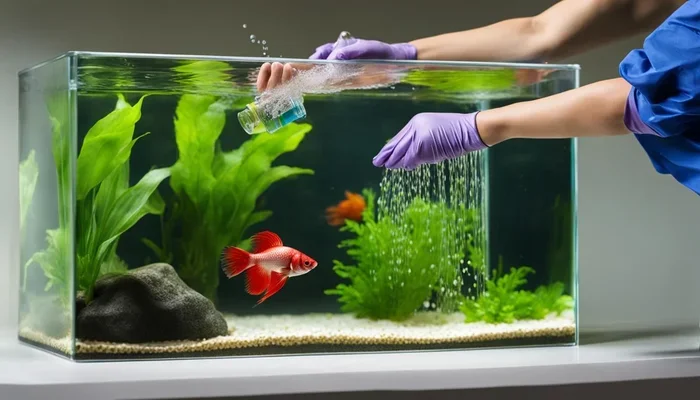
Sanitizing your betta fish tank is essential for maintaining a healthy, disease-free environment. This guide walks you through every step, from gathering supplies to completing the process safely. You will learn the best methods, common mistakes to avoid, and how often to sanitize your tank.
Keeping your betta fish tank clean goes beyond just changing the water. Over time, harmful bacteria, algae, and buildup can threaten your fish’s health. That is where sanitizing a betta fish tank comes in. It is a deeper clean that kills off unwanted germs while keeping the good stuff intact.
Many betta owners skip this step. They think a quick regular tank cleaning is enough. But sanitization does something extra. It targets the invisible threats that can cause disease and stress in your betta. In this guide, we will show you exactly how to do it right.
Whether you are a beginner or a seasoned fish keeper, this guide has something for you. We will cover supplies, methods, timing, and mistakes to avoid. By the end, you will feel confident giving your betta tank a thorough sanitization.
Key Takeaways
- Sanitizing removes harmful bacteria and pathogens that can make your betta sick.
- Use aquarium-safe products only — never use soap or harsh chemicals.
- Follow a step-by-step process to ensure every part of the tank is properly cleaned.
- Preserve beneficial bacteria when possible to maintain a stable tank environment.
- Sanitize every 4-6 weeks or as needed based on tank conditions.
- Quarantine new decorations or plants before adding them to your betta tank.
- Combine sanitizing with regular maintenance for the best results.
📑 Table of Contents
- Why Sanitizing Your Betta Fish Tank Matters
- What You Need to Sanitize a Betta Fish Tank
- Step-by-Step Guide to Sanitizing a Betta Fish Tank
- Common Mistakes to Avoid When Sanitizing
- How Often Should You Sanitize a Betta Fish Tank
- Keeping Your Betta Tank Clean Between Sanitizations
- Key Takeaways
- Conclusion
Why Sanitizing Your Betta Fish Tank Matters
Your betta fish lives in a closed environment. Everything in that tank — the water, the gravel, the decorations — affects your fish’s well-being. Over time, harmful microorganisms can build up even with regular betta tank maintenance.
Here is why sanitization matters so much:
- It kills disease-causing bacteria and parasites that normal cleaning misses.
- It removes invisible contaminants like biofilm and residue from uneaten food.
- It improves water quality, which directly impacts your betta’s immune system.
- It prevents algae outbreaks that can throw off the tank’s balance.
- It extends the life of your tank equipment by removing mineral buildup.
A sick betta fish shows signs like lethargy, faded colors, and loss of appetite. Many of these problems start with a dirty tank. Regular aquarium sanitization helps you catch problems before they become serious.
The Difference Between Cleaning and Sanitizing
Cleaning and sanitizing are not the same thing. Cleaning removes visible dirt and debris. Sanitizing kills microscopic organisms that you cannot see. Think of it this way — cleaning is like sweeping your floor. Sanitizing is like spraying it with disinfectant.
For a healthy betta habitat, you need both. A quick weekly cleaning routine keeps things tidy. But a full sanitization every month or two ensures no hidden threats survive.
What You Need to Sanitize a Betta Fish Tank
Before you start, gather everything you need. Having the right supplies makes the process smooth and safe. Here is your checklist:
Essential Supplies
- Bucket — dedicated only to fish tank use. Never use it for household cleaning.
- Aquarium-safe disinfectant — look for products labeled safe for aquatic life.
- Soft sponge or algae scraper — avoid anything abrasive that could scratch glass.
- Gravel vacuum or siphon — for cleaning the substrate.
- Clean towels or paper towels — for wiping down the exterior.
- Water conditioner — to treat tap water before adding it back.
- Clean containers — for temporarily holding your betta and tank decorations.
Optional but Helpful Items
- White vinegar — a natural, aquarium-safe option for tough spots.
- Soft-bristle brush — for scrubbing decorations and gravel.
- Thermometer — to check water temperature before returning your betta.
- Tubing and air pump — helpful for rinsing gravel thoroughly.
Pro tip: always use supplies that have never touched soap or chemical cleaners. Even a tiny residue can harm your betta. If you are setting up a new tank for your betta, make sure all items are thoroughly rinsed before use.
Step-by-Step Guide to Sanitizing a Betta Fish Tank
Now for the main event. Follow these steps carefully to sanitize your betta fish tank safely and effectively.
Step 1: Prepare a Safe Holding Space
First, you need somewhere safe for your betta while you clean. Fill a clean container with tank water from your aquarium. Add a small air stone or gentle filter if you have one. This keeps your betta comfortable during the process. Never use tap water directly — it contains chlorine that can harm your fish.
Step 2: Remove Decorations and Equipment
Take out all decorations, plants, and equipment. This includes your filter, heater, and air stones. Place them in clean containers with some tank water. This keeps the beneficial bacteria alive on these items, which is important for your fish tank cycling process.
Step 3: Drain the Tank Water
Use your gravel vacuum or siphon to remove most of the water. Save about 20-30 percent of the old water. This water contains beneficial bacteria that help keep your tank stable. You will add this back later. If you are unsure about this process, check out our guide on how to change water in a betta fish tank for more details.
Step 4: Scrub and Rinse All Components
Now it is time to clean everything. Use your soft sponge to scrub the inside glass walls. Remove any algae or buildup. For decorations, rinse them under warm running water. Use your brush to get into crevices where gunk hides.
For the gravel, use your siphon to vacuum up debris. Rinse the gravel in a bucket until the water runs clear. Be gentle — you do not want to disturb the beneficial bacteria colonies too much.
Step 5: Apply Sanitizer
This is the most important step. Use your aquarium-safe disinfectant according to the product instructions. Some owners prefer a diluted bleach solution — one part bleach to nineteen parts water. Soak non-living items for 15 minutes, then rinse extremely thoroughly.
Never use soap, detergent, or household cleaners. These are deadly to fish. Always rinse items multiple times with dechlorinated water to remove any chemical traces.
Step 6: Rinse Everything Thoroughly
After sanitizing, rinse every single item multiple times. This removes any remaining sanitizer residue. For filter media, rinse gently in old tank water — never in tap water. Tap water kills the beneficial bacteria that live in your filter.
If you are cleaning your filter, be careful not to replace all the media at once. You want to keep some of that good bacteria intact.
Step 7: Refill and Reassemble
Put everything back in place. Add your saved tank water first. Then fill the rest with fresh, dechlorinated water. Use your water conditioner to neutralize any chlorine or chloramine. Check the temperature with your thermometer — it should match the holding container temperature.
Return your betta to the tank gently. Watch for any signs of stress. Give your fish a few hours to adjust before feeding.
Common Mistakes to Avoid When Sanitizing
Even experienced fish keepers make mistakes. Here are the most common ones — and how to avoid them:
Using Household Cleaners
This is the number one mistake. Soap, bleach (undiluted), and window cleaners are extremely toxic to fish. Always use products specifically designed for aquariums. If you must use bleach for sterilization, dilute it properly and rinse everything multiple times.
Skipping the Rinse
Some people think a quick rinse is enough after using sanitizer. It is not. Residue from disinfectants can kill your betta within minutes. Rinse every item until the water runs completely clear and smells neutral.
Replacing All Filter Media at Once
Your filter houses beneficial bacteria that are crucial for the nitrogen cycle. Replacing all the media at once wipes out these colonies. This can cause a dangerous spike in ammonia. Replace only a portion of the media at a time.
Not Matching Water Temperatures
Bettas are sensitive to temperature changes. If you add water that is too cold or too warm, it can shock your fish. Always check the temperature before refilling the tank.
Sanitizing Too Frequently
Over-sanitizing can strip your tank of beneficial bacteria. This actually makes the tank less stable. Stick to a regular schedule — every 4 to 6 weeks is usually sufficient.
How Often Should You Sanitize a Betta Fish Tank
The frequency depends on several factors. Tank size, number of fish, and filtration all play a role. Here is a general guideline:
- Small tanks (1-5 gallons): Sanitize every 4 weeks.
- Medium tanks (5-10 gallons): Sanitize every 6 weeks.
- Large tanks (10+ gallons): Sanitize every 8 weeks.
These are just guidelines. Watch your tank for warning signs. Cloudy water, foul odors, or a sick betta all indicate it is time for a deeper clean. Regular water changes between sanitizations help keep things in check.
For more information on routine maintenance, read our article on how often to clean a betta fish tank. It covers scheduling and best practices in detail.
Keeping Your Betta Tank Clean Between Sanitizations
Sanitizing is not a one-time fix. Between full sanitizations, daily and weekly habits keep your tank healthy. Here is what you should do:
- Feed your betta sparingly — uneaten food rots quickly and fouls the water.
- Check the temperature daily — bettas thrive in 76-82°F water.
- Wipe down the glass — use an algae scraper or magnetic cleaner weekly.
- Test water parameters — monitor ammonia, nitrite, and nitrate levels.
- Perform partial water changes — swap 20-30 percent of the water every week.
- Inspect your filter — rinse it in old tank water once a month.
These simple habits reduce the need for deep sanitization. They also keep your betta happier and healthier. For a complete setup guide, see our article on how to set up a fish tank for betta fish.
Best Practices for Long-Term Tank Health
A well-maintained tank rarely needs aggressive sanitization. Focus on prevention. Keep your tank cycled properly, avoid overfeeding, and do not overcrowd the space. These practices build a stable environment where your betta can thrive.
If you are cycling a new tank or restoring an old one, understanding the nitrogen cycle is key. Learn more about cycling a fish tank for betta fish to build a strong foundation for your aquarium.
Key Takeaways
- Sanitizing removes harmful bacteria and pathogens that regular cleaning cannot reach.
- Use aquarium-safe products only — never soap, household cleaners, or undiluted bleach.
- Follow the 7-step process — prepare, remove, drain, scrub, sanitize, rinse, and refill.
- Preserve beneficial bacteria by saving old tank water and rinsing filter media gently.
- Sanitize every 4-6 weeks depending on your tank size and conditions.
- Avoid common mistakes like skipping rinses, using household cleaners, or replacing all filter media at once.
- Combine sanitizing with daily care for a consistently healthy betta tank.
Conclusion
Sanitizing your betta fish tank is one of the most important things you can do for your fish’s health. It goes far beyond surface-level cleaning. By following the steps in this guide, you create a safe, thriving environment where your betta can live a long and happy life.
Remember — the goal is not a sterile tank. A completely germ-free environment is actually harmful. You want to reduce harmful pathogens while preserving the beneficial bacteria that keep your tank balanced. Think of sanitization as a reset button, not an eraser.
Stay consistent with your routine. Feed wisely, test your water, and never skip partial water changes. These habits work hand in hand with regular sanitization. Your betta will thank you with vibrant colors, active behavior, and a long, healthy life.
Now that you know how to sanitize a betta fish tank properly, it is time to put this knowledge into action. Your fish deserves the best care you can give. Start today and enjoy the peace of mind that comes with a clean, safe aquarium.