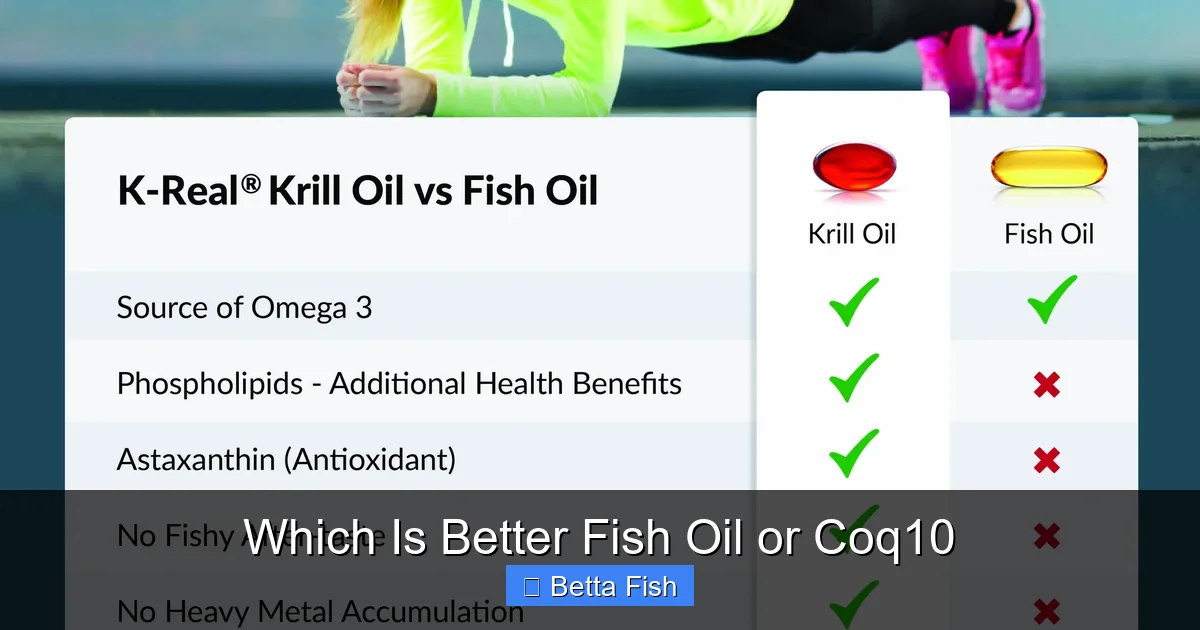
Which Is Better Fish Oil or Coq10
Neither fish oil nor CoQ10 is universally “better”—they serve different primary functions. Fish oil, rich in omega-3s EPA and DHA, is primarily for reducing inflammation, supporting heart and brain health, and improving lipid profiles. CoQ10 is a mitochondrial antioxidant crucial for cellular energy production, vital for heart muscle function, and often depleted by statin medications. Your choice depends entirely on your specific health goals, existing conditions, and medication use. Many people actually benefit from taking both, as they address complementary but distinct physiological systems.
Key Takeaways
- Different Core Jobs: Fish oil (omega-3s) primarily fights inflammation and builds cell membranes; CoQ10 primarily powers cellular energy (ATP) and acts as a potent antioxidant within mitochondria.
- Heart Health Focus Differs: Fish oil lowers triglycerides and may reduce arrhythmia risk; CoQ10 directly supports heart muscle energy and can counteract statin-induced depletion, potentially improving heart failure symptoms.
- Deficiency Causes Vary: Fish oil deficiency stems from low fatty fish intake; CoQ10 deficiency is often age-related, genetic, or caused by statin drugs.
- Food Sources Are Distinct: Get fish oil from salmon, mackerel, sardines; get CoQ10 from organ meats, beef, oily fish (which contains both), and whole grains.
- Absorption Needs Fat: Both are fat-soluble and should be taken with meals containing dietary fat for optimal absorption.
- Not Directly Comparable: Asking “which is better” is like asking if a hammer is better than a screwdriver. The “best” tool depends on the job you need to do.
- Often Complementary: For comprehensive cardiovascular and cellular support, especially in older adults or those on statins, a combination is frequently recommended by healthcare providers.
📑 Table of Contents
- Introduction: A Common Question with a Personal Answer
- Understanding Fish Oil: The Omega-3 Powerhouse
- Understanding CoQ10: The Cellular Energizer
- Head-to-Head: Comparing Their Core Functions
- Who Should Consider Fish Oil? The Anti-Inflammation Candidate
- Who Should Consider CoQ10? The Energy & Heart Support Candidate
- Can You Take Both? Safety, Synergy, and Smart Combinations
- Practical Guide: How to Choose and Use Them
- Conclusion: The Personal “Better”
Introduction: A Common Question with a Personal Answer
If you’re standing in the supplement aisle, staring at bottles of fish oil and CoQ10, you’re not alone. The question “which is better, fish oil or CoQ10?” is incredibly common. Both are powerhouse supplements with glowing reputations for heart health and longevity. But here’s the crucial truth: they are fundamentally different substances that work in different parts of your body. Comparing them directly is less about finding a winner and more about matching the right tool to your specific health job.
Think of it this way: fish oil is like the maintenance crew for your body’s communication and inflammation systems, while CoQ10 is the electrical engineer ensuring every cellular power plant runs smoothly. You wouldn’t ask if a wrench is better than a battery—you’d ask what you need to fix. This article will break down exactly what each supplement does, who needs it most, and how to decide what’s better for you. We’ll also dive into the surprising overlap and why you might just need both.
Understanding Fish Oil: The Omega-3 Powerhouse
What Exactly Is Fish Oil?
Fish oil is extracted from the tissues of oily fish. Its magic lies in two essential omega-3 fatty acids: Eicosapentaenoic acid (EPA) and Docosahexaenoic acid (DHA). “Essential” means your body cannot make them; you must get them from your diet. These fats are fundamental building blocks for cell membranes throughout your body, especially in your brain, eyes, and heart.
Visual guide about Which Is Better Fish Oil or Coq10
Image source: img8.hkrtcdn.com
Primary Benefits and Mechanisms
The main story with fish oil is inflammation modulation. Omega-3s are precursors to resolvins and protectins—specialized molecules that actively turn off inflammation. In our modern world, we consume far too many omega-6 fats (from vegetable oils, processed foods) which promote inflammation, and not enough omega-3s. This imbalance is linked to everything from heart disease to arthritis.
Key Benefits:
- Triglyceride Reduction: FDA-approved prescription fish oil (like Vascepa) is a frontline treatment for high triglycerides.
- Heart Rhythm Support: May help stabilize heart rhythm and reduce risk of sudden cardiac death.
- Brain & Cognitive Health: DHA is a major structural fat in the brain, critical for cognitive function and development.
- Joint Comfort: The anti-inflammatory effect can reduce stiffness and pain in conditions like rheumatoid arthritis.
- Pregnancy & Infant Development: DHA is crucial for fetal brain and retinal development.
Understanding CoQ10: The Cellular Energizer
What Exactly Is CoQ10?
Coenzyme Q10 (CoQ10), also called ubiquinone, is a vitamin-like compound produced naturally by your body. It’s found in every cell’s mitochondria—the tiny power plants—where it’s absolutely essential for the production of adenosine triphosphate (ATP), the primary energy currency of all your cells. It also exists as a powerful fat-soluble antioxidant, protecting cell membranes from oxidative damage. Its levels peak around age 20-25 and decline steadily with age.
Visual guide about Which Is Better Fish Oil or Coq10
Image source: img8.hkrtcdn.com
Primary Benefits and Mechanisms
The core function of CoQ10 is cellular energy production. Organs with high energy demands, like the heart, liver, and kidneys, have the highest concentrations of CoQ10. When your cells can’t produce energy efficiently, these organs suffer first.
Key Benefits:
- Heart Muscle Support: The heart requires immense energy. CoQ10 supplementation has been shown in studies to improve symptoms and survival in heart failure patients.
- Statin-Induced Myopathy: Statin drugs (like atorvastatin) block the same pathway that produces cholesterol AND CoQ10, leading to muscle pain and weakness. Supplementing CoQ10 often alleviates this.
- Migraine Prevention: Some studies show CoQ10 can reduce the frequency and severity of migraines, likely by improving mitochondrial function in brain cells.
- Powerful Antioxidant: It recycles other antioxidants like vitamin E and C, and protects LDL cholesterol from oxidizing (a key step in atherosclerosis).
- Age-Related Decline: Supplementation can help counteract the natural drop in CoQ10 that occurs with aging, supporting overall vitality.
Head-to-Head: Comparing Their Core Functions
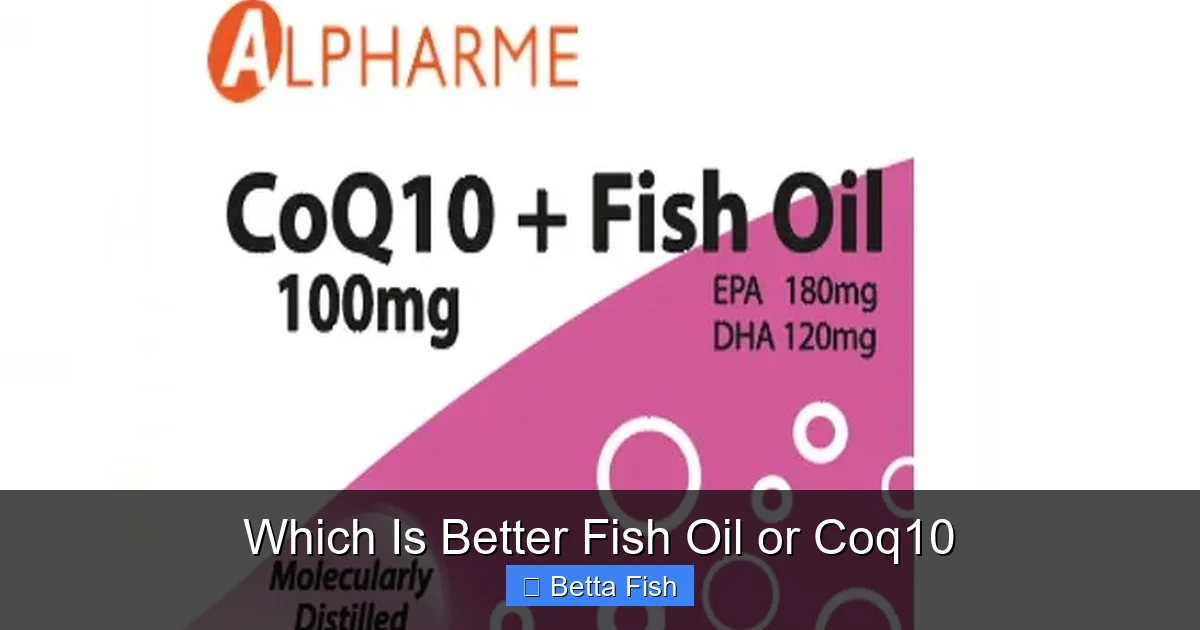
To clarify the “which is better” question, let’s compare them side-by-side on key parameters. This isn’t about scoring points, but about understanding their unique roles.
Visual guide about Which Is Better Fish Oil or Coq10
Image source: nadosano.co.nz
Primary Biological Role
- Fish Oil (EPA/DHA): Structural components of cell membranes; precursors to anti-inflammatory signaling molecules (eicosanoids). Its job is communication and structural integrity.
- CoQ10: Electron carrier in the mitochondrial electron transport chain. Its job is energy (ATP) production and antioxidant defense within the cell’s powerhouse.
Best For…
- Fish Oil: High triglycerides, systemic inflammation (arthritis, inflammatory bowel disease), cognitive support, visual health, pregnancy.
- CoQ10: Heart failure, statin-induced muscle pain, migraines, age-related energy decline, general mitochondrial support.
Deficiency Indicators
- Fish Oil: Dry skin, poor wound healing, “brain fog,” stiff joints, high triglycerides. Risk: low intake of fatty fish.
- CoQ10: Unexplained fatigue, muscle weakness (especially with statin use), cognitive slowing, heart failure symptoms. Risk: age >60, statin use, genetic mutations.
Key Food Sources
- Fish Oil: Fatty fish: salmon, mackerel, sardines, herring, anchovies.
- CoQ10: Organ meats (liver, kidney), beef, pork, oily fish (sardines, mackerel—note the overlap!), spinach, broccoli, whole grains.
Important Note: Oily fish contain both omega-3s and some CoQ10. This is why a diet rich in fatty fish is so profoundly healthy—it delivers a broad spectrum of these vital nutrients.
Who Should Consider Fish Oil? The Anti-Inflammation Candidate
If your primary health concerns revolve around inflammation, blood lipids, or brain health, fish oil should be your first consideration. Ask yourself:
- Do you eat fatty fish less than twice a week?
- Do you have high triglycerides (above 150 mg/dL)?
- Do you suffer from joint stiffness or an autoimmune condition?
- Are you concerned about cognitive decline or brain aging?
- Are you pregnant or breastfeeding?
If you answered “yes” to any of these, a high-quality fish oil supplement (look for triglyceride-form or re-esterified triglyceride for better absorption, and third-party testing for purity) is a logical and evidence-backed choice. A typical dose for general health is 1,000-2,000 mg of combined EPA+DHA daily. For therapeutic triglyceride lowering, doses under medical supervision can be 2,000-4,000 mg.
Practical Tip:
Take your fish oil with your largest meal of the day, ideally one containing other fats (like avocado, olive oil, nuts). This stimulates bile release, which is necessary for absorption. Store it in the fridge to prevent oxidation (rancidity).
Who Should Consider CoQ10? The Energy & Heart Support Candidate
Your case for CoQ10 becomes strong if your issues center on energy production, heart muscle function, or if you take a statin medication. Key indicators include:
- Do you experience persistent, unexplained fatigue that isn’t solved by sleep?
- Are you on a statin drug (e.g., Lipitor, Crestor, Zocor)?
- Have you been diagnosed with heart failure or cardiomyopathy?
- Do you suffer from frequent, debilitating migraines?
- Are you over 60 and noticing a drop in stamina?
For statin users, CoQ10 is often considered essential adjunct therapy. For heart failure, therapeutic doses of 100-300 mg daily (often in divided doses) are used in research. For general support and energy, 50-200 mg daily is common. The ubiquinol form (the reduced, active antioxidant form) is better absorbed, especially for those over 40 or with absorption issues, though it’s more expensive.
Practical Tip:
Take CoQ10 with a fat-containing meal or snack to maximize absorption. If you take a statin, take your CoQ10 at a different time of day (e.g., CoQ10 with dinner, statin with breakfast) to potentially reduce competition in the liver.
Can You Take Both? Safety, Synergy, and Smart Combinations
Absolutely. In fact, for many people, especially those focused on comprehensive cardiovascular health, taking both is not just safe—it’s strategic. They work on different, complementary pathways.
- Synergy for the Heart: Fish oil reduces inflammation and triglycerides, while CoQ10 powers the heart muscle’s contractions and protects it from oxidative stress. Together, they provide a two-pronged support system.
- No Known Harmful Interaction: There are no significant adverse interactions reported between fish oil and CoQ10. They are both generally well-tolerated.
- For the Statin User: This combination is particularly powerful: Fish oil helps manage lipid profiles (though statins are primary for LDL), while CoQ10 directly addresses the statin’s most common side effect (muscle pain) and supports the heart’s energy needs.
How to Combine Them: Simply take both with your main meal that contains fat. You can find combination supplements, but buying separately allows you to control individual dosages based on your needs.
Safety and Side Effects:
Fish oil can cause fishy aftertaste, indigestion, or mild bleeding risk at very high doses (above 3,000 mg/day). CoQ10 is extremely well-tolerated; minor side effects can include upset stomach or loss of appetite. Always consult your doctor before starting any new supplement, especially if you have a bleeding disorder, are scheduled for surgery, or are on blood thinners like warfarin.
Practical Guide: How to Choose and Use Them
So, you’re ready to decide. Here’s a simple decision framework:
- Identify Your Primary Goal: Is it inflammation/triglycerides/brain? Start with fish oil. Is it energy/heart muscle/statin side effects? Start with CoQ10.
- Assess Your Diet: Do you eat fatty fish 2-3 times a week? If not, fish oil is a more urgent need. Do you eat organ meats or significant amounts of beef? Probably low in CoQ10.
- Consider Your Age and Medications: Over 60 or on a statin? CoQ10 becomes a higher priority. Young, healthy, and active? Fish oil might be your foundational supplement.
- Quality is Non-Negotiable: For fish oil, choose brands that use molecular distillation to remove toxins and are certified by third parties (IFOS, GOED, USP). For CoQ10, choose ubiquinol if you’re older or have a specific health condition, and look for products with proven bioavailability.
- Start Low, Go Slow: Begin with the lower end of the dosage range to assess tolerance. Give it 4-8 weeks to notice effects, as these are foundational nutrients, not instant drugs.
- Get Tested If Possible: You can ask your doctor about a red blood cell omega-3 index test to see your true omega-3 status. CoQ10 blood testing is less common but available through specialty labs.
Remember, supplements are meant to supplement a healthy diet and lifestyle. They are not magic bullets. The foundation is always a nutrient-dense, whole-food diet, regular exercise, stress management, and quality sleep.
Conclusion: The Personal “Better”
The question “which is better, fish oil or CoQ10?” has no single answer because they are fundamentally different tools for different jobs. Fish oil is your premier anti-inflammatory and structural fat supplement. CoQ10 is your premier cellular energy and antioxidant supplement. For the person eating little fish and battling high triglycerides, fish oil is unequivocally better. For the 65-year-old on atorvastatin with fatigue and muscle aches, CoQ10 is unequivocally better.
For the ambitious biohacker or anyone seeking robust, long-term cardiovascular and cellular resilience, the smartest approach is often to embrace both. They represent two pillars of optimal cellular function: the quality of your cell membranes (omega-3s) and the power of your cellular engines (CoQ10). Listen to your body, assess your unique health landscape, and choose the supplement—or combination—that directly addresses your personal gaps. When in doubt, a conversation with a knowledgeable healthcare provider or a registered dietitian can help you build the perfect stack for your life.
Frequently Asked Questions
Can I take fish oil and CoQ10 together?
Yes, absolutely. There are no known harmful interactions. Taking both can provide complementary support for heart health, as fish oil manages inflammation and triglycerides while CoQ10 supports heart muscle energy. Take them together with a fat-containing meal for best absorption.
Which is better for lowering cholesterol?
For lowering LDL (“bad”) cholesterol, statin medications are the primary treatment. Neither supplement is a substitute. However, fish oil is FDA-approved to lower high triglycerides, a different blood fat. CoQ10 does not directly lower cholesterol but can help counteract muscle-related side effects from statin drugs, which are often a reason people stop their cholesterol medication.
Is CoQ10 better for heart health than fish oil?
It depends on the specific heart condition. For heart failure, numerous studies show CoQ10 can improve symptoms and outcomes. For preventing arrhythmias or reducing triglycerides, fish oil has stronger evidence. For overall, long-term heart disease prevention, both are valuable as they address different risk factors—inflammation (fish oil) and cellular energy/oxidative stress (CoQ10).
What are the main side effects of each?
Fish oil can cause a fishy aftertaste, indigestion, or mild nausea. High doses may increase bleeding time. CoQ10 is very well-tolerated; occasional side effects include mild stomach upset or headache. Both are generally safe for most people, but always consult a doctor if you are on blood thinners or have a bleeding disorder.
I’m a vegan. Can I get these from plants?
For fish oil, the direct source is fish. Vegans can use algae oil supplements, which provide DHA and EPA directly from the source (microalgae) and are just as effective. For CoQ10, vegan food sources include spinach, broccoli, cauliflower, and whole grains, though amounts are lower than in organ meats. A vegan CoQ10 supplement (fermented from bacteria or yeast) is widely available and effective.
How long does it take to see results?
Both are foundational nutrients, not quick fixes. You should take them consistently for at least 4-8 weeks to gauge effects. For specific conditions like lowering triglycerides (fish oil) or improving heart failure symptoms (CoQ10), clinical trials often use 3-6 months of supplementation to measure significant changes. Patience and consistency are key.