How to Reduce Bloating in Betta Fish
Bloating in betta fish is a common but treatable condition. This guide shows you exactly how to reduce bloating in betta fish through diet changes, proper feeding habits, and tank maintenance. You will learn quick fixes, prevention tips, and when to seek help for your fish.
Key Takeaways
- Overfeeding is the #1 cause: Most bloating cases come from giving your betta too much food too often.
- Fasting works wonders: Skipping 1-2 days of food can naturally relieve constipation and bloating.
- Water quality matters: Dirty tank water can trigger bloating and other health issues in betta fish.
- Diet changes prevent recurrence: Feeding high-quality, fiber-rich foods keeps the digestive system healthy.
- Know when to act: Severe bloating with other symptoms needs immediate attention and possibly veterinary care.
- Live or frozen foods help: These are easier to digest than dry flakes and pellets alone.
📑 Table of Contents
How to Reduce Bloating in Betta Fish
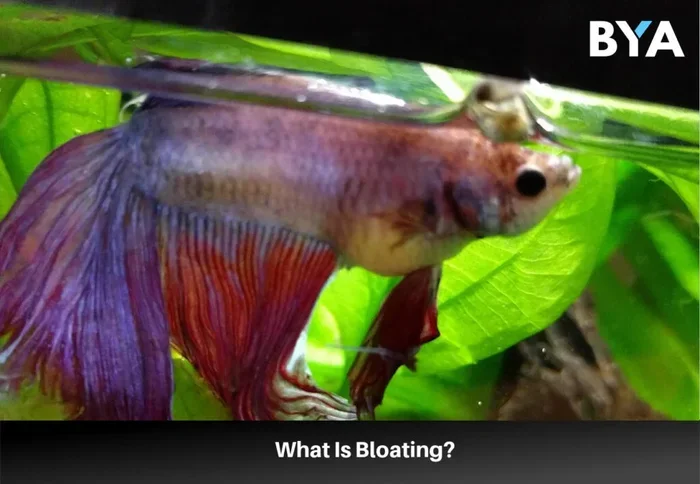
Bloating in betta fish can look scary. Your beautiful fish suddenly looks puffy, round, and uncomfortable. The good news? You can often fix this at home with simple steps. How to reduce bloating in betta fish is a question many fish owners ask, and the answer is closer than you think.
Betta fish are popular pets because they are colorful, hardy, and easy to care for. But they have sensitive digestive systems. When something goes wrong in their belly, they show it fast. Bloating is one of the most common signs that something is off.
This guide breaks down everything you need to know. From the causes to the cures, you will find practical advice that works. We will cover diet fixes, water changes, fasting methods, and more. By the end, you will know exactly what to do to help your betta feel better.
If your betta fish has a swollen belly right now, do not panic. Most cases of mild bloating are treatable. The key is acting quickly and making the right changes. Let us dive in and learn how to reduce bloating in betta fish step by step.
What Causes Bloating in Betta Fish
Understanding the cause is the first step in fixing the problem. Bloating is not just one thing. It can come from many different sources. Let us look at the most common reasons your betta fish might be bloated.
Overfeeding
This is the number one cause of bloating in betta fish. Bettas have small stomachs. They are about the size of their eye. Many fish owners give too much food, and the stomach cannot handle it. The food sits in the gut and causes swelling.
Overfeeding also leads to constipation. When food builds up, it presses on other organs. This makes the belly look round and tight. Your fish may swim less and seem lethargic. How to reduce bloating in betta fish starts with fixing the feeding habit.
Poor Water Quality
Dirty water stresses your betta fish. When ammonia and nitrate levels rise, your fish struggles to stay healthy. Poor water quality can cause bloating, swim bladder disease, and other digestive problems.
Fish waste, uneaten food, and decaying plants all pollute the water. If you do not change the water regularly, toxins build up fast. Your betta fish absorbs these toxins through its skin and gills. This can lead to inflammation in the gut and belly swelling.
Constipation and Digestive Issues
Constipation is very common in betta fish. It happens when food moves too slowly through the digestive tract. The stool gets stuck, and the belly fills with gas and waste. This causes a bloated look that can be painful for your fish.
Dry foods like flakes and pellets can expand inside the stomach. They soak up water and swell. This makes constipation worse. If your betta fish is constipated, you may notice it has not pooped in a while. The belly looks tight and the fish seems uncomfortable.
Swim Bladder Disorder
The swim bladder is an organ that helps your betta control buoyancy. When it gets infected or compressed, your fish may float oddly or swim sideways. Bloating often comes with swim bladder issues because the swollen belly pushes on the bladder.
Swim bladder disorder can result from overfeeding, constipation, or bacterial infection. Treating the root cause helps both the bloating and the swim bladder problem. Check out our guide on how to cure swim bladder disease in betta fish for more details.
Internal Parasites
Parasites can invade your betta fish gut and cause swelling. These tiny organisms feed on nutrients and damage the intestinal lining. Bloating from parasites often comes with other signs like weight loss, loss of appetite, and white stringy stool.
If you suspect parasites, you need to treat the infection. Our article on how to get rid of internal parasites in betta fish covers effective treatment methods in detail.
How to Reduce Bloating in Betta Fish: Step-by-Step Solutions
Now that you know the causes, let us look at the solutions. These steps work for most mild to moderate cases of bloating. Start with the first method and move down the list if needed.
Step 1: Fast Your Betta Fish
Fasting is the simplest and most effective way to relieve bloating. When you stop feeding, the digestive system gets a chance to clear out. Food that is stuck starts to move. Gas builds up can escape. The belly slowly goes down.
Here is how to do it:
- Skip all food for 1 to 2 days.
- Watch your fish closely for any signs of distress.
- Keep the water clean during the fast. Do a small water change.
- After the fast, offer a small, easy-to-digest meal.
Most betta fish can safely fast for 2 to 3 days. This is actually good for their digestive health. In the wild, bettas do not eat every day. Their bodies are built to handle short periods without food. Fasting helps reset the gut and flush out waste.
Step 2: Feed a Pea
One of the oldest and most trusted remedies is feeding a thawed pea. Green peas are rich in fiber and act as a natural laxative. They help push things through the digestive tract and relieve constipation.
Here is how to prepare it:
- Take a single frozen or canned green pea.
- Remove the outer shell completely.
- Soak it in tank water for a few seconds.
- Squeeze it gently to make it soft and small.
- Offer it to your betta using tweezers or your fingers.
Feed only one small pea per fish. Do not overdo it. Too much fiber can cause the opposite problem. Use peas as a treatment, not a regular meal. This method works well for bloating caused by constipation and dry food buildup.
Step 3: Improve Water Quality
Clean water is medicine for your betta fish. When the tank is clean, your fish heals faster and stays healthy. Dirty water slows recovery and makes bloating worse.
Follow these steps to improve water quality:
- Test the water for ammonia, nitrite, and nitrate levels.
- Perform a 25-30% water change immediately.
- Use a water conditioner to remove chlorine and chloramine.
- Clean the gravel and remove any uneaten food or waste.
- Check the filter and make sure it is working properly.
Regular water changes are the backbone of betta fish care. We recommend doing partial water changes every week. This keeps toxins low and gives your fish a healthy environment to recover in. For more on maintaining clean water, read our guide on how to change water in betta fish tank.
Step 4: Adjust the Diet
What you feed your betta fish matters a lot. A poor diet leads to bloating, constipation, and other health issues. Switching to better food can prevent future problems and help your fish heal.
Here are the best food choices for a bloated betta:
- Live or frozen brine shrimp: Highly digestible and rich in protein.
- Bloodworms (frozen or live): A favorite treat that is easy to digest.
- High-quality betta pellets: Look for ones that sink slowly and do not expand too much.
- Daphnia: A natural laxative that aids digestion.
- Soaked pellets: Let dry pellets soak before feeding to prevent stomach expansion.
Avoid feeding only dry flakes. They fill up the stomach quickly and expand inside. This is one of the biggest mistakes fish owners make. Variety in the diet keeps the digestive system working well.
Step 5: Check the Tank Temperature
Betta fish are tropical fish. They need warm water to digest food properly. Cold water slows down the metabolism and digestion. This can make bloating worse and lead to constipation.
Keep the water temperature between 78 and 80 degrees Fahrenheit. Use a reliable aquarium heater to maintain a steady temperature. If the water is too cold, your betta fish will become sluggish and its digestive system will slow down. Warm water helps the body function at its best and supports quick recovery from bloating.
Preventing Bloating in Betta Fish
Prevention is always better than cure. Once you have treated the bloating, you want to make sure it does not come back. These simple habits will keep your betta fish healthy and bloat-free.
Feed Smaller Meals More Often
Instead of one big meal, feed your betta 2 to 3 small meals per day. This mimics their natural eating pattern and prevents the stomach from getting overloaded. Each meal should be tiny. The rule of thumb is: only feed what your fish can eat in 2 minutes.
Many owners feed once a day and give too much at that one meal. This is a recipe for bloating. Spreading the food out helps the digestive system process everything smoothly. Your betta fish will be happier and healthier with smaller, frequent meals.
Keep a Feeding Schedule
Bettas thrive on routine. Feeding at the same times each day helps regulate their digestive system. It also helps you avoid overfeeding because you know exactly when and how much you have fed.
Try feeding once in the morning and once in the evening. Skip one day each week for a fasting period. This weekly fast works wonders for preventing constipation and bloating. It gives the gut time to rest and clear out any waste buildup.
Maintain Your Tank Properly
A clean tank is a healthy tank. Regular maintenance prevents the buildup of harmful substances that can cause bloating and disease. Here is a simple maintenance routine:
- Test water parameters weekly.
- Do a 25% water change every 7 to 10 days.
- Vacuum the gravel to remove waste and debris.
- Rinse filter media in old tank water (never tap water).
- Remove uneaten food within 5 minutes of feeding.
Following this routine keeps your tank in great shape. Your betta fish will show it by being active, eating well, and maintaining a normal body shape.
Choose the Right Foods
Not all fish foods are created equal. Cheap brands often contain fillers that are hard to digest. These fillers expand in the stomach and cause bloating. Invest in high-quality betta-specific foods that list real ingredients like fish meal, shrimp, and krill.
Read the ingredient labels before you buy. The first ingredient should always be a real protein source. Avoid foods with artificial colors and fillers. Better food means better digestion and fewer bloating episodes.
When to See a Vet for Bloating
Most cases of mild bloating respond well to home treatment. But some situations need professional help. Know the signs that mean it is time to call a vet or experienced fish health specialist.
Seek help if your betta fish:
- Has a swollen belly that does not improve after 3 days of treatment.
- Stops eating completely for more than 3 days.
- Shows signs of infection like red streaks, open sores, or cloudy eyes.
- Has difficulty breathing or gasps at the surface.
- Lays on the bottom of the tank and refuses to move.
- Has white stringy stool or no stool at all for several days.
These symptoms could indicate a serious bacterial infection, severe parasite infestation, or organ damage. Early treatment gives your betta the best chance of recovery. A vet can prescribe antibiotics, anti-parasite medications, or other treatments that you cannot get over the counter.
Remember that bloating can sometimes be a symptom of dropsy, a serious condition that causes fluid retention in the body. If the scales on your betta fish start to stick out and look like a pinecone, seek immediate treatment. Our guide on how to treat dropsy in betta fish covers this condition in detail.
Quick Tips to Remember
- Always fast your betta for 1-2 days at the first sign of bloating.
- Feed one thawed pea to help with constipation-related bloating.
- Keep water temperature between 78 and 80 degrees Fahrenheit.
- Do weekly water changes of 25-30% to maintain clean water.
- Feed small meals 2-3 times a day instead of one large meal.
- Skip one feeding day per week to let the digestive system rest.
- Choose high-quality, protein-rich foods over cheap fillers.
- Watch your fish daily for early signs of bloating or discomfort.
These quick tips are easy to follow and make a big difference. They take just a few minutes each day but protect your betta fish from bloating and many other common health issues.
Common Mistakes Fish Owners Make with Bloating
Even well-meaning owners can make mistakes that make bloating worse. Here are the most common errors to avoid.
Mistake 1: Feeding too much after fasting. After a fasting period, many owners go overboard with food. This defeats the purpose. Start with a small meal and see how your fish handles it.
Mistake 2: Ignoring water changes. Some people focus only on food and forget the water. Dirty water slows healing and can cause the bloating to return. Always pair diet changes with water maintenance.
Mistake 3: Using salt without research. Aquarium salt can help with some fish conditions, but it is not right for every situation. Bettas are sensitive to salt changes. Only use salt if you know the correct dosage and your fish does not have a condition that contraindicates it.
Mistake 4: Waiting too long to act. Bloating gets worse over time if you do nothing. Early action gives the best results. The moment you notice a swollen belly, start treatment right away.
Final Thoughts
Learning how to reduce bloating in betta fish is one of the most valuable skills you can have as a fish owner. Bloating is common, but it is also treatable in most cases. The key is to act fast, make the right changes, and stay consistent with good care.
Start with fasting and a pea treatment. Improve your water quality and adjust the diet. Keep up with regular tank maintenance. These steps work together to heal your betta fish and prevent future bloating episodes.
Your betta fish depends on you for its health and happiness. By following the tips in this guide, you are giving your fish the best chance at a long, healthy, and comfortable life. Keep observing your fish, keep learning, and never hesitate to seek professional help when needed.
Remember that every fish is different. What works for one betta might not work for another. Be patient, be consistent, and watch your fish closely. With the right care, that bloated belly will go down, and your betta will be swimming happily again in no time.
Frequently Asked Questions
Can overfeeding really cause bloating in betta fish?
Yes, overfeeding is the most common cause of bloating in betta fish. Their stomachs are very small, about the size of their eye. When you feed too much, the food fills up the stomach and expands inside the gut. This causes swelling, constipation, and discomfort. Feed only small amounts 2 to 3 times a day to prevent this.
How long should I fast my betta fish for bloating?
Fasting for 1 to 2 days is usually enough to relieve mild bloating. Some cases may need up to 3 days of fasting. Watch your fish closely during this time. If the bloating does not improve after 3 days, you should consider other causes or seek advice from a fish health specialist.
Is bloating in betta fish the same as dropsy?
No, bloating and dropsy are different conditions, but they can look similar. Bloating is usually caused by overfeeding, constipation, or water quality issues. Dropsy is a more serious condition where fluid builds up inside the body and causes the scales to stick out. Dropsy needs immediate and aggressive treatment.
Can I use Epsom salt to treat bloating in betta fish?
Epsom salt can help with constipation-related bloating by acting as a mild laxative. Use only aquarium-safe Epsom salt at the correct dosage of about 1 tablespoon per 5 gallons of water. Soak your fish in the solution for 15-30 minutes. Always research proper dosages before using any salt treatment.
What food is best for a bloated betta fish?
The best foods for a bloated betta are live or frozen brine shrimp, thawed green peas, and daphnia. These are easy to digest and help relieve constipation. Avoid dry flakes and pellets during recovery, as they can expand in the stomach and make bloating worse.
How can I tell if my betta fish bloating is serious?
Mild bloating often improves with fasting and diet changes within 1 to 3 days. If the bloating persists, your fish stops eating, develops red streaks, or has difficulty swimming, it is a sign of a serious problem. These symptoms could indicate infection, parasites, or organ failure that needs professional treatment.