How Much Epsom Salt to Add to Betta Fish Bowl

Adding epsom salt to your betta fish bowl can help relieve constipation, reduce swelling, and promote overall healing. The standard dosage is one tablespoon per gallon of water, but the right amount depends on your betta’s condition and bowl size. This guide walks you through safe dosing, step-by-step application, and common mistakes to avoid.
If you own a betta fish, you have probably wondered about using epsom salt as a natural remedy. Many fish keepers swear by it for treating constipation, reducing swelling, and helping their fish recover from mild health issues. But the big question remains: how much epsom salt to add to betta fish bowl? Getting the dosage right matters a lot. Too little might not help, and too much can harm your fish.
In this guide, we will walk you through everything you need to know about epsom salt dosage for betta fish. You will learn the correct amounts, when to use it, how to prepare the solution, and what mistakes to avoid. Whether your betta is dealing with a bloated tummy or just needs a little health boost, this article has you covered.
Let us dive right in and make sure your betta fish bowl stays a safe and healthy home for your finned friend.
Key Takeaways
- Standard Dosage: Use one tablespoon of epsom salt per gallon of water for most treatments.
- Condition-Based Adjustments: Lower the dose for mild issues and follow your vet’s advice for serious conditions.
- Short Treatments Work Best: Limit epsom salt baths to 15-30 minutes or use continuous low-dose dips for 24-48 hours.
- Never Use Table Salt: Only pure magnesium sulfate (epsom salt) is safe for betta fish.
- Monitor Your Fish: Watch for signs of stress during treatment and stop immediately if needed.
- Combine with Proper Care: Epsom salt works best alongside clean water and proper betta fish bowl care.
📑 Table of Contents
- What Is Epsom Salt and Why Use It for Betta Fish?
- How Much Epsom Salt to Add to Betta Fish Bowl
- Step-by-Step Guide to Adding Epsom Salt to Your Betta Fish Bowl
- When to Use Epsom Salt for Your Betta Fish
- Common Mistakes to Avoid When Using Epsom Salt
- Maintaining Your Betta Fish Bowl After Treatment
- Expert Insights on Epsom Salt and Betta Fish Care
- Conclusion
What Is Epsom Salt and Why Use It for Betta Fish?
Understanding Epsom Salt
Epsom salt is not actually salt in the traditional sense. It is a naturally occurring mineral compound made of magnesium and sulfate. Its scientific name is magnesium sulfate, and it looks like plain white crystals. People have used it for decades in gardens, baths, and even fish care.
When it comes to betta fish health, epsom salt serves as a gentle yet effective treatment. It works through a process called osmosis. When you add it to water, the salt draws out excess fluid from your fish’s body. This can reduce swelling, ease bloating, and help with waste removal.
The great thing about epsom salt is that it is widely available and affordable. You can find it at any pharmacy or grocery store. Just make sure you buy pure magnesium sulfate without any added fragrances, colors, or additives. Those extras can harm your fish.
The Benefits of Epsom Salt for Betta Fish
Using epsom salt for your betta fish bowl offers several real benefits. Here is why many fish keepers keep it in their care toolkit:
- Relieves Constipation: Epsom salt acts as a mild laxative. It helps your betta pass waste more easily, which is a common problem in captivity.
- Reduces Swelling: The osmotic properties help draw out excess fluids that cause bloating and edema.
- Eases Muscle Stress: Magnesium in epsom salt can help relax your betta’s muscles and reduce physical tension.
- Supports Healing: It can assist with mild fin rot and skin irritations by creating a better environment for recovery.
- No Harsh Chemicals: Unlike some medications, epsom salt is a natural mineral that does not introduce harmful chemicals into your betta fish tank.
These benefits make epsom salt a go-to option for many hobbyists. However, it is not a cure-all. Serious infections or diseases need proper medication and a vet’s guidance. Think of epsom salt as a supportive treatment that works alongside good fish bowl maintenance.
How Much Epsom Salt to Add to Betta Fish Bowl
The Standard Dosage
The most commonly recommended dosage for epsom salt betta fish treatment is one tablespoon per gallon of water. This is the standard dose for a general-purpose dip or bath. It works well for most mild conditions like constipation and minor swelling.
Here is a quick reference for different bowl sizes:
- 1-gallon bowl: 1 tablespoon of epsom salt
- 2-gallon bowl: 2 tablespoons of epsom salt
- 3-gallon bowl: 3 tablespoons of epsom salt
- 5-gallon bowl: 5 tablespoons of epsom salt
Always measure your salt carefully. Using a proper measuring spoon ensures accuracy. Too much salt can stress your fish, damage their gills, or even prove fatal. Precision is key when dosing epsom salt for betta fish.
Adjusting Dosage Based on Condition
Not all situations call for the full standard dose. The right amount depends on what you are treating and how severe the issue is.
For Mild Constipation: Use a half tablespoon per gallon. This gentle dose encourages bowel movement without putting stress on your fish. A 15-minute dip in this solution often does the trick.
For Moderate Swelling or Bloating: Stick with the full tablespoon per gallon. You can use this as a continuous bath for up to 24 hours, but monitor your betta closely. If you notice rapid gilling or lethargy, do a water change right away.
For Severe Conditions: Consult a veterinarian before increasing the dose. Some experienced fish keepers use up to two tablespoons per gallon, but this should only happen under expert guidance. Overdosing is one of the most common mistakes people make with betta fish salt treatment.
Quick Tip: Always use room-temperature water when preparing your epsom salt solution. Cold or hot water can shock your betta’s system and make the treatment counterproductive.
Step-by-Step Guide to Adding Epsom Salt to Your Betta Fish Bowl
Preparing the Salt Solution
Follow these steps to prepare a safe epsom salt solution for your betta fish bowl:
- Measure the water: Know exactly how many gallons your bowl holds. This determines how much salt you need.
- Measure the salt: Use a clean measuring spoon. One tablespoon per gallon is your starting point for most treatments.
- Dissolve the salt: Add the epsom salt to a small container of tank water and stir until it fully dissolves. This prevents undissolved crystals from touching your fish directly.
- Check the temperature: Make sure the solution matches the temperature of your betta fish bowl. Sudden temperature changes cause stress.
Dissolving the salt first is an important step many beginners skip. Undissolved crystals sitting on your fish’s skin or fins can cause irritation. Taking the extra minute to dissolve everything properly makes a big difference.
Adding the Solution to the Bowl
Once your solution is ready, you have two main approaches:
Method 1: The Short Dip – This involves placing your betta in the epsom salt solution for 15 to 30 minutes. Use a separate container like a small cup or quarantine tank. After the dip, return your fish to its main bowl. This method works great for constipation relief and mild swelling.
Method 2: The Continuous Bath – Add the epsom salt directly to the bowl for a 24-hour treatment. This is better for more persistent issues. However, you should not repeat this for more than two days in a row. After treatment, do a partial water change to remove residual salt.
Important: Never add epsom salt directly to the bowl without dissolving it first. Also, make sure your betta is eating and behaving normally before starting treatment. If your fish is already in severe distress, a salt bath alone may not be enough, and you should seek professional help.
When to Use Epsom Salt for Your Betta Fish
Treating Constipation
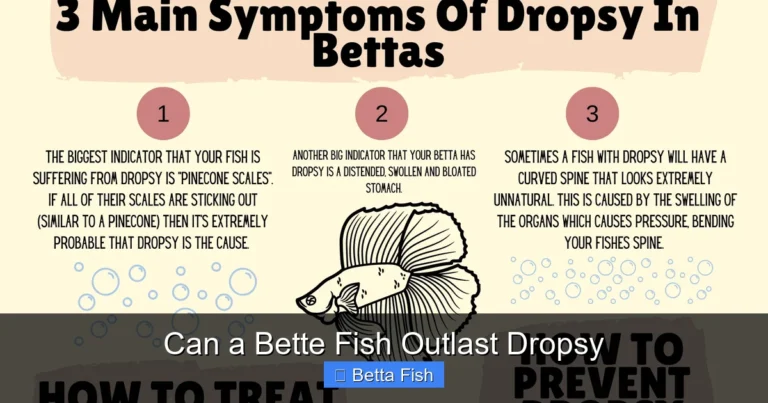
Constipation is one of the most common issues in betta fish care. It usually happens when fish eat too much dry food or lack fiber in their diet. Signs include a swollen belly, difficulty passing waste, and lethargy.
An epsom salt bath can work wonders here. The magnesium sulfate draws water into the intestines, which softens waste and encourages bowel movements. A 15-minute dip at one tablespoon per gallon often resolves the issue within a few hours.
To prevent future constipation, feed your betta high-quality pellets and occasionally offer blanched peas as a natural fiber source. Also, avoid overfeeding. Most betta fish only need two small meals per day.
Reducing Swelling and Bloating
Bloated betta fish can look alarming. The swelling might come from fluid retention, internal issues, or minor infections. Epsom salt helps by drawing excess fluid out through the skin and gills.
For swelling, use the standard one tablespoon per gallon dose. A continuous 24-hour bath is usually effective. If the swelling does not go down after two treatments, it is time to visit a vet. Persistent bloating can signal a more serious internal condition that salt alone cannot fix.
Helping with Fin Rot and Mild Infections
Epsom salt is not a cure for bacterial or fungal infections on its own. However, it can support the healing process by reducing inflammation and creating a less hospitable environment for pathogens. Use it as a complementary treatment alongside proper medication when needed.
Keep in mind that epsom salt works differently from aquarium salt (sodium chloride). Many people confuse the two. Aquarium salt is better for treating certain parasites and fungal infections, while epsom salt excels at relieving constipation and reducing swelling. Knowing the difference helps you choose the right treatment for your betta fish bowl.
Common Mistakes to Avoid When Using Epsom Salt
Even well-meaning fish keepers can make mistakes when using epsom salt. Here are the most common errors and how to avoid them:
- Using Table Salt Instead: Table salt contains iodine and anti-caking agents that are harmful to fish. Always use pure, unscented epsom salt (magnesium sulfate).
- Guessing the Dosage: Eyeballing the salt leads to inaccurate measurements. Use proper measuring spoons and calculate based on your bowl’s actual water volume.
- Leaving Fish in Too Long: Extended exposure to epsom salt can cause dehydration and stress. Stick to the recommended time frames and monitor your fish closely.
- Skipping Water Changes After Treatment: Residual salt builds up over time and affects your water parameters. Always do a partial water change after completing a treatment cycle.
- Using Epsom Salt for All Problems: Not every fish health issue responds to epsom salt. If your betta shows signs of serious illness like clamped fins, white spots, or labored breathing, you may need a different treatment.
Avoiding these mistakes keeps your treatment safe and effective. When in doubt, less is more. You can always increase the dose slightly in a follow-up treatment, but you cannot undo the damage of too much salt.
Maintaining Your Betta Fish Bowl After Treatment
Once your epsom salt treatment is complete, proper maintenance keeps your betta healthy and happy. Here is what you should do:
- Do a Partial Water Change: Replace about 25-30% of the bowl water with fresh, dechlorinated water at the same temperature. This removes residual salt and refreshes the environment.
- Check Water Parameters: Test your water for pH, ammonia, nitrite, and nitrate levels. Epsom salt can slightly alter water chemistry, so it is good to verify everything is balanced.
- Continue Regular Cleaning: Follow a consistent bowl maintenance routine to keep conditions optimal. This includes regular water changes and cleaning the bowl and any decorations.
- Observe Your Fish: Watch your betta for the next 24-48 hours. Look for improved behavior, appetite, and waste elimination. These are positive signs that the treatment worked.
- Feed a Balanced Diet: After treatment, offer high-quality food in small portions. Good nutrition supports ongoing recovery and prevents future health issues.
Proper post-treatment care is just as important as the treatment itself. A clean, well-maintained bowl gives your betta the best chance at a long and healthy life. If you want more tips on keeping your bowl in top shape, check out our guide on how to change water in your betta fish bowl.
Expert Insights on Epsom Salt and Betta Fish Care
Experienced fish keepers and aquatic veterinarians agree on a few key points about using epsom salt for bettas. First, it is a supportive treatment, not a replacement for proper medication when needed. Second, consistency matters more than intensity. A mild, correctly dosed treatment done properly beats a strong, rushed one every time.
Dr. Richmond Loh, a respected fish veterinarian, often emphasizes that freshwater fish like bettas respond well to controlled salt baths when dosed correctly. The key is understanding your fish’s specific needs and matching the treatment accordingly. Every betta is different, and what works for one fish may need adjustment for another.
Also, remember that epsom salt is not aquarium salt. Aquarium salt (sodium chloride) serves different purposes and requires different dosing. Using the wrong type of salt is a mistake that many beginners make. Keep both products on hand and learn when to use each one for the best results in your betta fish care routine.
Finally, always keep a log of your treatments. Note the date, dosage, condition being treated, and your fish’s response. This record-keeping helps you track what works and what does not, making you a more confident and effective fish keeper over time.
Conclusion
Knowing how much epsom salt to add to betta fish bowl is a valuable skill for any betta owner. The standard one tablespoon per gallon dose works for most situations, but adjusting based on your fish’s specific condition leads to the best results. Whether you are treating constipation, reducing swelling, or supporting recovery from a mild infection, epsom salt offers a gentle, natural solution.
Always dissolve the salt properly, monitor your fish during treatment, and follow up with good bowl maintenance. Avoid common mistakes like using table salt or guessing the dosage. With the right approach, your betta fish will thank you with vibrant colors, a healthy appetite, and active swimming.
Keep learning, keep caring, and your betta fish bowl will remain a thriving underwater home. Your fish deserves the best, and now you have the knowledge to give it.
Frequently Asked Questions
Can I use epsom salt every day for my betta fish?
No, daily use of epsom salt is not recommended. It can stress your fish and disrupt the osmotic balance in their body. Use it only when needed and limit treatments to 1-2 times per week at most. Always follow up with a proper water change after each session.
What happens if I put too much epsom salt in my betta fish bowl?
Too much epsom salt can cause dehydration, gill damage, and severe stress. If you overdose, immediately do a large water change (50% or more) to dilute the salt concentration. Watch your fish closely for signs of distress like rapid breathing or clamped fins, and contact a vet if symptoms persist.
Is epsom salt the same as aquarium salt for betta fish?
No, they are completely different compounds. Epsom salt is magnesium sulfate, while aquarium salt is sodium chloride. They serve different purposes and require different dosing. Epsom salt is best for constipation and swelling, while aquarium salt helps with parasites and fungal issues. Always use the right one for your specific need.
How long should I leave epsom salt in my betta fish bowl?
For a short dip, 15 to 30 minutes is ideal. For a continuous bath, you can leave it for up to 24 hours but no longer. Never exceed 48 hours of continuous treatment. After any treatment, do a partial water change to remove the salt and refresh the bowl environment.
Can epsom salt cure swim bladder disease in betta fish?
Epsom salt can help relieve symptoms of swim bladder disease, especially when caused by constipation or bloating. The salt helps reduce swelling and ease waste passage. However, it may not cure all forms of swim bladder issues. If your betta shows persistent swimming problems, combine epsom salt treatment with proper feeding habits and consult a vet if needed.
Where can I buy pure epsom salt for my betta fish?
You can find pure epsom salt at most pharmacies, grocery stores, and online retailers. Look for products labeled “pure magnesium sulfate” with no added fragrances, dyes, or minerals. Avoid scented bath epsom salts, as these contain additives that are harmful to fish. A simple, unscented brand works perfectly for betta fish bowl treatment.