How to Recognize Types of Betta Fish
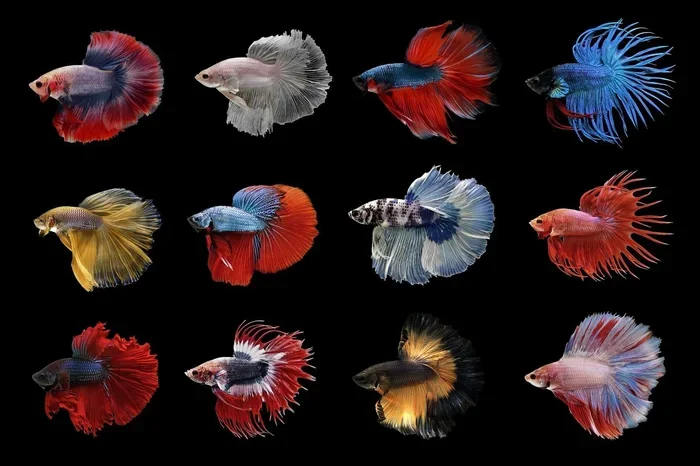
Learning how to recognize types of betta fish is easier than you think. This guide covers the most popular betta fish varieties, their colors, patterns, fin shapes, and gender differences. You will walk away knowing exactly how to identify any betta fish you encounter.
Betta fish are some of the most beautiful and popular pets you can keep at home. Their vibrant colors and flowing fins make them stand out in any room. But did you know there are many different types of betta fish? Each type has its own unique look, personality, and care needs. If you have ever wondered how to recognize types of betta fish, you are in the right place.
This guide will walk you through everything you need to know. We will cover the most common betta fish varieties, how to tell them apart by color and fin shape, and how gender plays a role in their appearance. By the end, you will feel confident identifying any betta fish you see. Let us dive in.
Key Takeaways
- There are many betta fish types: Veiltail, Crowntail, Plakat, Halfmoon, and Delta are the most popular varieties you will see.
- Color and pattern matter: Betta fish come in solid, bi-color, marble, butterfly, and koi patterns, each with unique beauty.
- Fin shape is a key identifier: The length, shape, and flow of fins help you distinguish one type from another quickly.
- Males and females look different: Knowing how to tell them apart helps you provide better care and avoid housing mistakes.
- Proper identification leads to better care: Each type has slightly different needs, so recognizing your betta helps you keep it healthy and happy.
📑 Table of Contents
- Why It Matters to Know Different Betta Fish Types
- The Most Common Betta Fish Varieties
- How to Identify Betta Fish by Color and Pattern
- Male vs Female Betta Fish: Key Differences
- Understanding Betta Fish Fin Types and Shapes
- Quick Tips for Properly Identifying Your Betta Fish
- Common Mistakes People Make When Identifying Betta Fish
- Expert Insights on Betta Fish Identification
- Conclusion
Why It Matters to Know Different Betta Fish Types
Knowing the different types of betta fish is not just about looking cool at your local fish store. It actually helps you take better care of your fish. Different types have different needs when it comes to tank size, water temperature, and diet. When you know what kind of betta you have, you can give it exactly what it needs to thrive.
For example, a betta fish with long flowing fins may need a gentler water current than a short-finned variety. Understanding your fish type also helps you choose the right tank mates and avoid common mistakes. Plus, it is just really fun to learn about all the amazing varieties out there. If you want to go deeper into general care, check out our guide on how to take care of a betta fish for essential tips.
The Most Common Betta Fish Varieties
There are dozens of betta fish types, but some are much more common than others. Here are the varieties you will see most often in pet stores and online shops.
Veiltail Betta Fish
The Veiltail is the most popular and widely recognized type of betta fish. It gets its name from the long, flowing tail that droops downward like a wedding veil. Veiltails come in almost every color and pattern you can imagine. They are hardy and beginner-friendly, which makes them a great first fish for new owners. If you own one, you might want to learn more about how to take care of a veiltail betta fish since their fins need extra attention.
Crowntail Betta Fish
Crowntail bettas have a very distinctive look. Their tail fins have spiky, separated rays that make them look like a crown. This type is very popular among experienced fish keepers. The Crowntail’s unique fin structure gives it a fierce and striking appearance. They come in many solid colors and bi-color combinations.
Plakat Betta Fish
Plakat bettas have short, compact fins that look much like wild bettas. They are sleek, fast swimmers, and very hardy. Many people love Plakats because they look like the original wild betta fish. Their short fins also mean they are less prone to fin damage and infections. This makes them a great choice for owners who want a low-maintenance fish.
Halfmoon Betta Fish
The Halfmoon betta has a tail that spreads out to form a perfect 180-degree circle. When their fins are fully open, they look like a beautiful half-moon shape. This type is a favorite among betta show enthusiasts. Their large, dramatic fins make them stand out in any tank. However, their long fins do require a bit more care and gentle water flow.
Delta Betta Fish
Delta bettas look a lot like Halfmoons, but their tail spread is not quite as wide. The tail forms more of a triangle or delta shape. They still have beautiful, flowing fins, but they are a bit easier to care for than Halfmoons. Deltas come in many stunning colors and patterns.
How to Identify Betta Fish by Color and Pattern
One of the easiest ways to recognize types of betta fish is by their color and pattern. Betta fish come in an incredible range of colors and designs. Here are the most common patterns you will see.
Solid Color Betta Fish
Solid color bettas are exactly what they sound like. Their entire body and fins are one single color. Common solid colors include red, blue, green, black, white, and orange. Solid colors are often the most prized in the betta world because of their clean, uniform look.
Bi-Color Betta Fish
Bi-color bettas have two distinct colors. Usually, the body is one color and the fins are another. For example, you might see a blue body with red fins. The contrast between the two colors creates a beautiful and eye-catching appearance.
Marble Betta Fish
Marble bettas have a very unique and unpredictable pattern. Their colors appear in irregular, swirling patches that look like marble stone. The pattern can change over time, which makes each marble betta truly one of a kind. This is one of the most fascinating types to watch as they grow.
Butterfly Betta Fish
Butterfly bettas have a clean division between a lighter body color and darker fins. The color transition looks smooth and balanced, like butterfly wings. This pattern is very popular and easy to recognize once you know what to look for.
Koi Betta Fish
Koi bettas are inspired by the famous Japanese koi carp. They have a white or light base color with red and orange patches scattered across their body and fins. Koi bettas are highly sought after for their dramatic and colorful appearance.
If you want to bring out the best colors in your fish, check out our article on how to enhance the color of betta fish for practical tips.
Male vs Female Betta Fish: Key Differences
Knowing the difference between male and female betta fish is an important part of recognizing types. Males and females look quite different from each other, and they also have different care requirements.
How to Tell the Gender of Your Betta Fish
Male betta fish are usually more colorful and have longer, more flowing fins. They also have a longer anal fin, which is sometimes called the “beard.” Female bettas are typically less colorful and have shorter fins. They also have a small white egg spot on their underside called the ovipositor.
Another key difference is the body shape. Females tend to have a rounder, wider body, especially when they are carrying eggs. Males are usually more slender and elongated. If you are unsure about your fish, learning how to identify gender of betta fish can be very helpful.
Why Gender Recognition Matters for Care
Identifying the gender of your betta fish matters for several reasons. Males should never be housed together because they will fight. Females can sometimes live in groups called sororities, but this requires careful setup. Knowing whether you have a male or female also helps you understand breeding behavior and tank mate compatibility.
Understanding Betta Fish Fin Types and Shapes
Fin shape is one of the most reliable ways to recognize types of betta fish. Each variety has a distinct fin structure that sets it apart. Let us break down the most common fin types you will encounter.
Long-Finned Varieties
Veiltail, Halfmoon, and Delta bettas all fall into the long-finned category. These fish have beautiful, flowing fins that drag slightly behind them as they swim. Their fins require extra care because they can tear easily and are more prone to bacterial infections. Keep the water clean and avoid strong filters or sharp decorations.
Short-Finned Varieties
Plakat and Crowntail bettas have shorter fins that are more compact. These fish are more active swimmers and less prone to fin damage. The Crowntail still has that distinctive spiky look, even though the fins are shorter than a Veiltail. Short-finned varieties are often preferred by owners who want a more active and hardy fish.
Fin Shape Comparison Table
| Variety | Fin Length | Fin Shape | Care Level |
|---|---|---|---|
| Veiltail | Long | Drooping, flowing | Moderate |
| Crowntail | Medium | Spiky, separated rays | Easy |
| Plakat | Short | Compact, streamlined | Easy |
| Halfmoon | Long | 180-degree spread | Moderate |
| Delta | Medium-Long | Triangle spread | Easy to Moderate |
Quick Tips for Properly Identifying Your Betta Fish
Figuring out how to recognize types of betta fish can feel overwhelming at first. But with a little practice, it becomes second nature. Here are some quick tips to help you get started.
- Look at the fins first. Fin shape is the fastest way to narrow down the type of betta you have.
- Check the color and pattern. Solid, bi-color, marble, butterfly, and koi patterns each point to a specific look.
- Observe the body shape. Males are more slender, while females are rounder, especially when carrying eggs.
- Compare with reference photos. Use trusted online guides or books to match your fish with known varieties.
- Ask a store expert. If you are still unsure, ask the staff at your local fish store for help identifying your betta.
Remember, practice makes perfect. The more betta fish you observe, the better you will become at telling them apart. Each type has its own charm and personality, and learning to recognize them is one of the most rewarding parts of keeping bettas.
Whether you have a Veiltail with flowing fins or a Plakat with a sleek, sporty look, every betta fish deserves great care. Understanding the type you own helps you make better decisions about tank setup, diet, and tank mates. For more information on keeping your fish healthy, explore our guide on how to properly take care of betta fish.
Common Mistakes People Make When Identifying Betta Fish
Even experienced fish keepers sometimes mix up betta types. Here are a few common mistakes to avoid.
- Confusing Crowntail and Plakat: Both can have short fins, but the Crowntail has distinct spiky rays that set it apart.
- Assuming all colorful fish are males: Some female bettas are quite colorful, especially young ones. Always check for the egg spot.
- Overlooking fin damage: Torn or ragged fins can make a Halfmoon look like a Veiltail. Wait until fins are fully grown for accurate identification.
- Relying only on color: Color alone is not enough to identify a type. Always combine color, pattern, and fin shape for an accurate ID.
Avoiding these mistakes will save you time and frustration. It will also help you provide the best possible care for your specific betta type.
Expert Insights on Betta Fish Identification
Professional betta breeders and aquarists agree that the best way to learn identification is hands-on experience. Visit local fish stores, attend betta shows, and join online betta communities. Seeing many different types up close helps train your eye to spot the subtle differences between varieties.
Another pro tip is to keep a fish journal. Write down the type, color, and pattern of each betta you own or observe. Over time, you will build a mental library of betta varieties that makes identification much faster and more accurate. This is also a great habit if you are interested in breeding bettas or showing them in competitions.
Understanding your betta fish type also connects directly to its overall health and happiness. A fish kept in the right conditions with the right care will display its full color potential and natural behaviors. This is why proper identification is truly the first step toward excellent fish keeping.
Conclusion
Learning how to recognize types of betta fish is a fun and rewarding journey. From the classic Veiltail to the sleek Plakat, each variety brings something special to the table. By paying attention to fin shape, color, pattern, and gender, you can confidently identify almost any betta fish you encounter.
Remember to use the tips and comparison tools in this guide as your starting point. The more you observe and learn, the easier it becomes. Your betta fish will thank you with vibrant colors and lively behavior when you give it the right care for its specific type. Start applying what you have learned today, and you will be spotting betta varieties like a pro in no time.
Frequently Asked Questions
How many types of betta fish are there?
There are over 70 recognized varieties of betta fish, but the most common ones you will see include Veiltail, Crowntail, Plakat, Halfmoon, and Delta. Each type has its own unique fin shape, color, and pattern that makes it easy to identify once you know what to look for.
What is the easiest betta fish type to identify?
The Veiltail betta is the easiest to identify because of its long, drooping tail fin that flows downward like a veil. It is also the most widely available type in pet stores, so most people will recognize it right away.
Can two betta fish of different types live together?
Generally, no. Betta fish are territorial and should be kept alone in most cases. Even different types of bettas will fight if housed together. Always provide each betta with its own tank to keep them safe and stress-free.
Does the type of betta fish affect its care needs?
Yes, it can. Long-finned varieties like Veiltails and Halfmoons need gentler water flow and extra attention to keep their fins healthy. Short-finned types like Plakats are hardier and more active. Knowing your betta type helps you tailor its care properly.
Are female betta fish less colorful than males?
Females are usually less colorful than males, but some females can be quite vibrant. The easiest way to tell them apart is the white egg spot on the female’s underside and her rounder body shape. Females also have shorter fins compared to males.
How can I tell if my betta fish is a Crowntail or a Veiltail?
Look closely at the fin rays. A Crowntail has spiky, separated rays that give it a crown-like appearance. A Veiltail has long, smooth, flowing fins that draop downward. The difference is easy to spot once you know what to look for.