How to Put Betta Fish Down
Knowing how to put betta fish down is one of the hardest but most compassionate choices a fish owner can make. This guide walks you through humane methods, signs of suffering, and what to expect every step of the way. You will learn about clove oil, at-home options, and when a vet is the best choice.
Losing a pet fish is never easy. But sometimes, the kindest thing you can do is help your betta fish pass on peacefully. If you have been searching for how to put betta fish down, you are not alone. Many fish owners face this difficult decision, and it takes courage to learn about it.
This guide is here to help you through every step. We will cover the signs that your betta is suffering, the most humane methods available, and what to do before and after the process. Our goal is to give you clear, honest, and gentle guidance during a tough time.
Whether you are dealing with a long-term illness or sudden decline, understanding your options can bring peace of mind. You deserve to make the best choice for your fish, and this article will give you the tools to do just that.
Key Takeaways
- Recognizing suffering early helps you make a kind decision before your betta experiences more pain.
- Clove oil is the most common at-home method and is widely considered a humane option when used correctly.
- Knowing when to call a vet can make the process easier and less stressful for both you and your fish.
- Proper preparation makes the process calmer and more respectful for your betta fish.
- Disposing of remains safely is an important final step that many people overlook.
- Emotional support matters — grieving the loss of a pet fish is completely normal and valid.
📑 Table of Contents
Why Knowing How to Put Betta Fish Down Matters
Betta fish typically live for three to five years. As they age or become ill, their quality of life can decline fast. Recognizing when your fish is no longer happy is the first step toward making a compassionate decision.
Many owners wait too long because they feel guilty or scared. But prolonging suffering is not the same as being a good pet parent. In fact, knowing when to let go is one of the most loving things you can do for your betta.
Understanding Betta Fish Lifespan and Quality of Life
A healthy betta fish is active, colorful, and eager to eat. When these traits start fading, it is worth paying close attention. Here are some key signs that your betta’s quality of life is dropping:
- Loss of appetite — refusing food for several days in a row
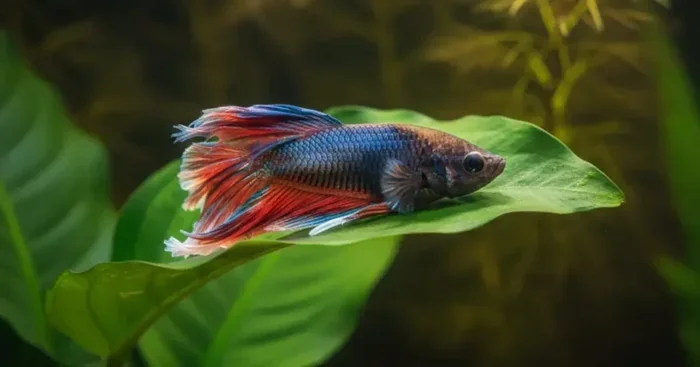
- Lethargy — staying at the bottom of the tank and not moving much
- Faded colors — losing vibrant hues and looking pale or dull
- Labored breathing — gasping at the surface or breathing rapidly
- Fin rot or open sores — visible damage that does not heal
- Inability to swim — floating sideways or struggling to stay upright
If you notice several of these signs together, it is time to consider your options. The sooner you act, the less your fish will suffer.
Signs Your Betta Fish Is Suffering
Bettas are tough little fish, and they are experts at hiding pain. This instinct comes from living in the wild, where showing weakness makes you a target. Because of this, by the time you notice obvious symptoms, your betta may already be in significant distress.
Watch for changes in behavior that last more than a few days. A sudden shift in routine is often the first clue that something is wrong. Betta fish stress signs can be subtle, so trust your gut if something feels off.
Behavioral Changes to Watch For
Your betta’s behavior tells you a lot about how it is feeling. Here are changes that should raise a red flag:
- Hiding behind decorations or staying in one corner constantly
- Not responding to food or ignoring favorite treats
- Clamped fins held close to the body
- Erratic swimming or darting around the tank
- Staying at the very top or very bottom of the tank for long periods
If these behaviors persist despite your best efforts to improve aquarium water quality and tank conditions, it may be time to talk to a professional. Sometimes, even the best betta fish care routine cannot reverse a serious illness.
Methods for Putting Betta Fish Down
There are a few different ways to humanely end a betta fish’s life. Some methods can be done at home, while others require a veterinarian. The method you choose depends on your comfort level, your fish’s condition, and the resources you have available.
Clove Oil Method for Betta Fish
The clove oil method is the most widely recommended at-home approach. Clove oil contains eugenol, which acts as a sedative and gently slows down your betta’s bodily functions. This method is considered humane when done correctly.
Here is how the clove oil method for betta fish typically works:
- Mix a small amount of clove oil with warm water in a separate container.
- Add the solution slowly to the container where your betta is kept.
- Watch your fish closely — it will become drowsy and gently stop moving.
- Wait at least 10 to 15 minutes after your betta stops breathing to confirm it has passed.
This method takes patience and a calm environment. You can read our detailed guide on how to put a betta fish down with clove oil for step-by-step instructions and safety tips.
Quick Tip: Always use pure, food-grade clove oil. Avoid synthetic clove flavoring, as it may contain additives that are harmful to fish.
At-Home Humane Methods
Beyond clove oil, there are a few other at-home approaches people use. However, it is important to know that not all methods are safe or humane. Some popular but risky approaches include freezing, flushing, or using alcohol. These methods can cause pain and distress and should be avoided.
The safest at-home path is always the clove oil method or consulting a vet. If you want to learn more about handling this process at home, check out our article on how to put down a betta fish at home for a full walkthrough.
Veterinary Options for Fish Euthanasia
When the situation is serious or you are unsure about doing it yourself, a veterinarian is the best option. Fish vets can use medical-grade euthanasia solutions that are fast and painless. This is the most professional route and gives you peace of mind that the process was handled correctly.
Many exotic pet vets offer fish consultations, even remotely. You can describe your betta’s symptoms and get guidance on whether euthanasia is the right call. Some vets may also be able to perform the procedure for you if needed.
How to Prepare for the Process
Preparation is one of the most overlooked parts of putting a betta fish down. Taking a few minutes to set things up properly can make the experience calmer and more respectful for both you and your fish.
Gathering What You Need
Before you start, make sure you have everything ready. Here is a simple checklist:
- Pure clove oil (if using the at-home method)
- A small, clean container with tank water
- A warm, quiet space to work in
- A soft cloth or paper towel
- Time to sit with your fish without rushing
Having everything nearby means you will not need to leave your betta alone during the process. Staying calm and present is one of the kindest things you can do.
Setting the Right Environment
Turn off any bright lights and reduce noise around the tank. Betta fish are sensitive to their surroundings, and a peaceful environment helps them stay relaxed. Speak softly if you talk to your fish — even though they may not understand your words, the calm energy can help.
Some owners like to place a familiar plant or decoration near the container. This can make the space feel less unfamiliar and stressful for your betta.
What to Do After
After your betta has passed, there are a few important steps to take. Handling this part with care shows respect for the life your fish lived and the bond you shared.
Safely Disposing of Remains
Never flush a dead fish down the toilet. This can spread disease to local water systems and is not a respectful way to say goodbye. Instead, consider these options:
- Burial — bury your betta in a small pot or garden spot with a plant on top
- Keepsake — some owners keep a small portion of the fish as a memory
- Trash disposal — wrap the fish gently in a paper towel and place it in a sealed bag before putting it in the trash
For more guidance on this final step, our article on how to safely dispose of a dead betta fish covers safe and respectful options in detail.
Taking Care of Yourself After Loss
Grief over a pet fish is real and valid. You spent time caring for your betta, watching it grow, and building a daily routine around its needs. Losing that connection can hurt deeply. Give yourself permission to grieve and take the time you need to heal.
Common Mistakes to Avoid
When emotions run high, it is easy to make mistakes. Here are some common pitfalls to watch out for:
- Waiting too long — prolonging suffering is harder on your fish than acting with compassion
- Using unsafe methods — avoid ice baths, alcohol, or flushing, which cause unnecessary pain
- Skipping preparation — rushing through the process can lead to errors and more stress
- Ignoring your own feelings — grieving is healthy and does not make you weak
One of the biggest mistakes is assuming that a betta fish can simply recover on its own. While bettas are resilient, some conditions are beyond what home care can fix. If your fish is showing severe symptoms, it is kinder to seek help sooner rather than later.
Expert Insight: Many fish owners feel guilty about choosing euthanasia for their betta. Remember that choosing a painless, peaceful passing is an act of love — not abandonment. Your betta trusted you to make the best decision, and you are doing exactly that.
When to Call a Vet Instead of Going At-Home
While the at-home methods work well in many cases, there are situations where a vet is the better choice. If your betta has a highly contagious disease, if you are unsure about the right dosage or method, or if you simply feel uncomfortable doing it yourself, a professional can help.
Vets also have access to fish euthanasia solutions that are faster and more precise than any at-home option. This is especially helpful if your betta is in advanced stages of illness and time is of the essence.
If you are not sure whether your situation warrants a vet visit, describe your betta’s symptoms to an exotic pet professional. They can help you decide the best path forward. You can also learn more about recognizing and treating a stressed betta fish to see if there is still a chance for recovery before making any final decisions.
Conclusion
Learning how to put betta fish down is never a pleasant topic. But having this knowledge means you are prepared to make the most compassionate choice when the time comes. Whether you use the clove oil method, seek veterinary help, or simply provide a calm and loving environment during the final moments, your care and attention matter deeply.
Your betta fish gave you companionship, color, and calm every day. Honoring that bond with a gentle, respectful farewell is the last and best gift you can give. Trust yourself, take your time, and know that you are making a decision rooted in love.
Frequently Asked Questions
Is it humane to put a betta fish down at home?
Yes, when done correctly using the clove oil method, putting a betta fish down at home can be a humane and peaceful process. The key is to use pure clove oil, follow the proper steps, and create a calm environment. If you are ever unsure, consult a veterinarian for guidance.
How long does it take for clove oil to work on a betta fish?
Most bettas become drowsy within 5 to 10 minutes of exposure to the clove oil solution. Full passing typically occurs within 15 to 30 minutes. Always wait an additional 10 to 15 minutes after breathing stops to confirm the process is complete.
Can I use regular clove spice instead of clove oil?
No, regular clove spice or ground cloves are not effective for this purpose. You need pure clove essential oil, and it should be food-grade quality. Other forms of clove may contain additives or inconsistent concentrations that could harm your fish.
How do I know if my betta fish is suffering and not just resting?
Resting bettas still respond to food and show normal breathing patterns. A suffering betta will show persistent signs like loss of appetite, labored breathing, faded colors, and inability to swim properly. If these symptoms last several days despite improved care, your fish may be in pain.
What should I do if I cannot afford a vet for euthanasia?
The clove oil method is a safe and affordable alternative that does not require a professional. You can purchase clove oil at most health food stores or online for a low cost. Just make sure to follow proper guidelines to ensure the process is gentle and stress-free for your fish.
Is it normal to grieve after losing a betta fish?
Absolutely. The bond you build with your betta fish is real, and losing any pet — no matter the size — brings genuine sadness. Give yourself time to process the loss, and remember that the care and love you provided made your fish’s life better and more comfortable.