Is a 55 Gallon Tank Good for a Betta Fish
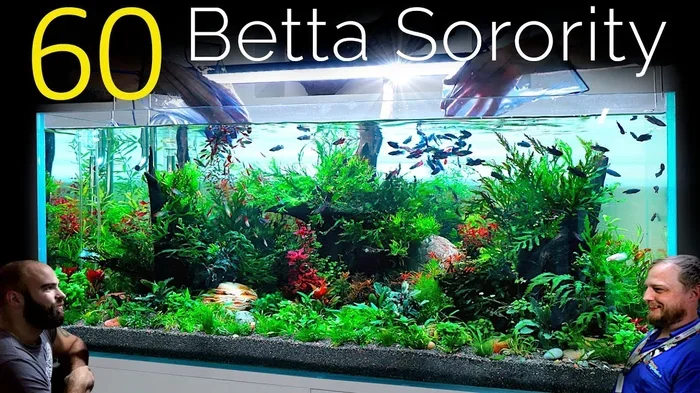
A 55 gallon tank can be an excellent home for a betta fish, offering plenty of swimming space and stable water conditions. While bettas are often kept in smaller tanks, a larger tank provides better water quality and more room for enrichment. However, a big tank also comes with setup challenges that every betta owner should understand before making the switch.
This is a comprehensive guide about is a 55 gallon tank good for a betta fish.
Key Takeaways
- More Space Means Better Health: A 55 gallon tank gives your betta room to swim and explore, reducing stress and promoting natural behavior.
- Water Stability Is Easier: Larger volumes dilute toxins more effectively, making it simpler to maintain safe water parameters for your betta.
- Setup Costs More Upfront: A 55 gallon tank requires a stronger filter, heater, and more water conditioner, so expect a higher initial investment.
- Tank Mates Become an Option: With more space, you can consider adding compatible companions for your betta, which is harder in small tanks.
- Maintenance Is Different: Bigger tanks need regular water changes and monitoring, but the routine is often more forgiving than with tiny aquariums.
[FEATURED_IMAGE_PLACEHOLDER]
What Makes a Tank Right for a Betta Fish?
Betta fish are tropical freshwater fish that need clean, warm water to thrive. In the wild, they live in slow-moving streams, rice paddies, and shallow ponds. But that does not mean they want tiny spaces. A betta fish tank should mimic their natural habitat as closely as possible while keeping things safe and comfortable.
The right tank size matters for several reasons. First, it affects water quality. More water means toxins like ammonia and nitrite stay at lower levels. Second, it affects your betta’s mood and behavior. Bettas that have room to swim are less stressed and show brighter colors. Third, a larger tank gives you more flexibility when it comes to heating, filtering, and decorating.
Many people assume bettas need only a small bowl. This is a common myth. In reality, a 5 gallon tank is often called the minimum standard. But if you have the space and budget, going bigger can be very rewarding. So is a 55 gallon tank good for a betta fish? The short answer is yes, but there are important details to consider.
Benefits of a 55 Gallon Tank for Your Betta
Spacious Swimming Area
A 55 gallon tank gives your betta a lot of room to move around. Bettas are active swimmers, and they enjoy exploring their environment. In a small tank, they may seem listless or bored. With a large aquarium, you will notice more fin flaring, playful swimming, and natural foraging behavior.
Stable Water Parameters
One of the biggest advantages of a larger tank is water stability. In a 5 gallon tank, even a small change can shift the water chemistry quickly. A 55 gallon tank buffers against sudden swings in pH, temperature, and ammonia levels. This stability is one of the key reasons the best tank for betta fish is often considered to be on the larger side.
Better Filtration Options
A 55 gallon tank allows you to use a powerful aquarium filter without creating too much current. Bettas prefer gentle flow, and you can adjust or baffle the filter output to keep the water moving without stressing your fish. Good filtration also means less frequent water changes and healthier living conditions.
Room for Live Plants and Decorations
A larger tank gives you space to add live plants, caves, driftwood, and other decorations. Live plants like anubias and java fern are great for bettas because they provide hiding spots and help keep the water clean. You can create a beautiful aquascape that looks natural and keeps your betta engaged.
Potential Challenges of a Large Tank
Higher Initial Cost
A 55 gallon tank setup costs more than a small aquarium. You need a sturdy stand, a quality filter, a reliable heater, lighting, substrate, and decorations. The upfront cost can feel intimidating, especially if you are used to keeping bettas in a 1 gallon tank or smaller. But remember that the long-term benefits often outweigh the initial expense.
More Space to Cycle and Maintain
Setting up a 55 gallon tank takes time. You need to cycle the tank properly before adding your betta. Cycling means building beneficial bacteria that break down harmful waste. This process can take 4 to 6 weeks. Skipping this step can lead to serious health problems for your fish.
Finding the Right Tank Mates
With more space, you might want to add tank mates. But not all fish get along with bettas. You need to choose companions carefully. If you are unsure, check out our guide on what is a good tank mate for a betta fish to learn about safe pairings.
Heavier and Harder to Move
A filled 55 gallon tank weighs over 400 pounds. It is not something you can move around easily. Make sure you place it on a strong, level surface before filling it. Once it is set up, moving it becomes very difficult.
How to Set Up a 55 Gallon Tank for a Betta Fish
Step 1: Choose the Right Location
Place your tank on a sturdy stand that can handle the weight. Avoid direct sunlight, which can cause algae blooms. Pick a spot where you can easily access the tank for feeding and maintenance. A quiet area away from loud appliances helps reduce stress for your betta.
Step 2: Install Equipment
Start with a quality filter rated for at least 55 gallons. A hang-on-back filter or canister filter works well. Next, add a heater and set it to 78 to 80 degrees Fahrenheit. Use a thermometer to monitor the temperature. You will also need a gentle air pump if your filter does not provide enough surface agitation.
Step 3: Add Substrate and Decorations
Use a soft substrate like sand or fine gravel. Bettas like to explore the bottom of the tank, and rough gravel can damage their delicate fins. Add plants, caves, and driftwood to create hiding spots and visual interest. Leave open swimming areas too, because bettas love to glide through the water.
Step 4: Cycle the Tank
Before adding your betta, cycle the tank for at least four weeks. Test the water regularly for ammonia, nitrite, and nitrate. Once ammonia and nitrite read zero and nitrate is below 20 ppm, your tank is ready. This step is crucial for betta fish care and cannot be skipped.
Step 5: Acclimate and Introduce Your Betta
When the tank is cycled, float the bag your betta came in for 15 to 20 minutes. Then slowly add small amounts of tank water to the bag over 30 minutes. This helps your betta adjust to the new water conditions. Gently release your fish into the tank and watch for any signs of stress.
How Does a 55 Gallon Tank Compare to Smaller Tanks?
Many betta owners start with a 5 gallon tank or even smaller. These tanks are easier to manage and cheaper to set up. But they come with trade-offs. A small tank requires more frequent water changes, and water parameters can fluctuate quickly. Your betta may seem fine at first, but long-term health can suffer.
With a 55 gallon tank, you gain stability and space. Your betta can live a longer, healthier life. In fact, keeping a betta in a 1 gallon tank is widely considered too small for proper well-being. If you want to learn more about small tank limits, read about is 1 gallon enough for a betta fish and can betta fish live in a one gallon tank.
For a detailed comparison of tank sizes, check out our article on what is the best tank size for a betta fish. It covers everything from 1 gallon to 55 gallons and beyond.
| Tank Size | Pros | Cons |
|---|---|---|
| 1-3 Gallons | Cheap, easy to set up | Unstable water, limited space, shortens lifespan |
| 5 Gallons | Good minimum size, easy to maintain | Less swimming room, fewer decoration options |
| 10-20 Gallons | More stable water, room for plants | Higher cost, needs stronger filter and heater |
| 55 Gallons | Very stable, lots of swimming space, can add tank mates | Expensive upfront, heavy, needs more space |
Common Mistakes to Avoid with a Large Betta Tank
Even with a 55 gallon tank, mistakes can happen. Here are a few to watch out for.
- Overcrowding: A big tank does not mean you can fill it with lots of fish. Bettas are solitary creatures and do not always get along with other bettas. Start with one betta and add tank mates slowly.
- Too Much Current: Strong filters can tire out bettas. Use baffles or sponges to reduce flow. Your betta should be able to swim comfortably without fighting the current.
- Skipping Water Changes: Even large tanks need regular maintenance. Perform 20 to 30 percent water changes every week. This keeps ammonia and nitrite levels in check.
- Ignoring Temperature: Bettas need warm water between 76 and 82 degrees Fahrenheit. A large volume of water can cool down faster if the heater is not powerful enough.
- Not Quarantine New Fish: If you add tank mates, quarantine them first. This prevents diseases from spreading to your betta.
Expert Insights on Keeping Bettas in Large Tanks
Many experienced aquarists agree that bettas thrive in larger tanks. The key is to replicate their natural environment as closely as possible. A 55 gallon tank allows you to create a planted, softly lit habitat with gentle flow and stable temperatures. This setup closely resembles the slow-moving waters where bettas live in the wild.
Experts also point out that a larger tank gives you more room for error. In a small tank, a single mistake like overfeeding or forgetting a water change can be dangerous fast. In a 55 gallon tank, the water dilutes mistakes more effectively, giving you time to correct problems before they harm your fish.
If you are wondering how long your betta can live in a larger setup, the answer is encouraging. Bettas in well-maintained, spacious tanks often live 5 to 7 years, sometimes even longer. Compare that to bettas kept in cramped conditions, which may only survive 2 to 3 years. You can read more about this in our piece on how long do betta fish live in a 5 gallon tank.
Final Verdict: Is a 55 Gallon Tank Good for a Betta Fish?
Yes, a 55 gallon tank is a great choice for a betta fish. It offers plenty of swimming space, stable water conditions, and room for enrichment. While it requires a bigger upfront investment and more careful planning, the benefits for your betta’s health and happiness are clear.
If you are ready to upgrade or set up a new tank, a 55 gallon aquarium can give your betta a wonderful home. Just remember to cycle the tank properly, maintain water quality, and choose suitable tank mates if you plan to add any. Your betta will thank you with vibrant colors, active behavior, and a long, healthy life.
For more guidance on betta fish care and tank setups, explore our full library of articles on betta tanks and aquariums. Whether you are keeping a 5 gallon tank or a 55 gallon tank, the right knowledge makes all the difference.
Is a 55 Gallon Tank Good for a Betta Fish?
Absolutely. A 55 gallon tank provides more swimming space, stable water conditions, and room for enrichment, all of which contribute to a healthier and happier betta fish.
Can a Betta Fish Live in a 55 Gallon Tank Alone?
Yes, bettas can live alone in a 55 gallon tank. They are solitary fish and do not need companions. In fact, a large tank gives a single betta plenty of room to explore and thrive without the stress of sharing space.
What Tank Size Is Best for a Betta Fish?
While a 5 gallon tank is the common minimum, many experts recommend 10 gallons or more for optimal health. A 55 gallon tank is an excellent choice if you have the space and budget, offering the best water stability and swimming room.
How Often Should I Do Water Changes in a 55 Gallon Tank?
Perform a 20 to 30 percent water change every week. This helps remove accumulated toxins and keeps the water fresh. Test the water parameters regularly to ensure ammonia and nitrite stay at zero.
Can I Add Tank Mates to My Betta in a 55 Gallon Tank?
Yes, a 55 gallon tank gives you enough space to consider peaceful tank mates. Choose species that prefer similar water conditions and avoid fin-nipping or aggressive fish. Always introduce new companions slowly and monitor their interactions closely.
Do Bettas Prefer Big Tanks or Small Tanks?
Bettas do not naturally live in tiny spaces. They prefer environments with room to swim and explore. A larger tank like a 55 gallon setup provides a more natural and stimulating habitat, which leads to better overall well-being for your fish.
Frequently Asked Questions
What is is a 55 gallon tank good for a betta fish?
is a 55 gallon tank good for a betta fish is an important topic with many practical applications.