How to Prepare for a Male and Female Betta Fish
Learning how to prepare for a male and female betta fish means getting the tank, water, and environment right before they ever meet. You need the correct tank size, proper water parameters, and a careful introduction process to keep both fish safe and healthy. This guide walks you through every step with simple, actionable advice you can use right away.
So, you want to keep a male and female betta fish together? That is an exciting goal, but it takes real preparation. Many new fish owners think all you need is a tank and some water. The truth is, how to prepare for a male and female betta fish involves much more than that. You need the right tank size, clean water, proper decorations, and a smart introduction plan.
Getting this process right makes the difference between two happy fish and a tank full of stress and injuries. Betta fish are beautiful, but they can be territorial. Both males and females have strong personalities. Without the right setup, things can go wrong fast. This guide gives you everything you need to know. We will walk through each step in simple, easy-to-follow detail.
By the end of this article, you will know exactly what to do. You will understand tank requirements, water conditions, the introduction process, and daily care. Let us get started.
Key Takeaways
- Tank size matters: A minimum of 10 gallons gives male and female bettas enough space to coexist comfortably.
- Water quality is critical: Maintain temperature between 78-80°F and keep ammonia and nitrite levels at zero.
- Gradual introduction prevents aggression: Never drop both fish into the same tank immediately. Use a divider or clear container first.
- Tank setup and decorations reduce stress: Plants and hiding spots give both fish their own territories.
- Ongoing maintenance keeps fish healthy: Regular water changes and feeding schedules prevent common health problems.
- Know the warning signs: Flaring, chasing, and fin nipping mean you need to separate the fish right away.
📑 Table of Contents
Understanding Male and Female Betta Fish
What Makes Males and Females Different?
Before you prepare anything, you need to understand the basics. Male and female bettas look and behave differently. Males have longer, flowing fins and brighter colors. They also tend to be more aggressive. Females have shorter fins and a lighter body color. You can spot a small white spot called the ovipositor on the female’s underside.
Knowing these differences helps you plan the tank setup. Males need more space to establish their territory. Females also need hiding spots to feel safe. Both fish need room to swim without feeling trapped. If you skip this step, your betta fish care routine will struggle from day one.
Why Preparation Matters So Much
Preparation is not just a nice-to-have. It is the foundation of success. Bettas are sensitive creatures. They react strongly to changes in water, temperature, and tank mates. When you prepare for a male and female betta fish properly, you reduce stress for both fish. Lower stress means better health, brighter colors, and a longer lifespan.
Rushing the process leads to problems. Fish may fight, stop eating, or develop diseases. Taking your time and following each step carefully protects your investment and your fish. A little extra effort upfront saves you from heartache later.
Setting Up the Perfect Tank
Choosing the Right Tank Size
The tank size is the first big decision. Many people think a small bowl works fine for bettas. That is a myth. A male and female betta need at least a 10-gallon tank. This gives both fish enough space to claim their own areas without constant conflict.
Here is a quick look at recommended tank sizes:
- 5 gallons: Too small for two bettas. Only suitable for a single fish.
- 10 gallons: The minimum recommended size for a male and female pair.
- 20 gallons: Ideal size. More room means less aggression and stress.
- 30 gallons or more: Best option if you plan to add other peaceful species.
A larger tank also makes water maintenance easier. Fluctuations in water parameters happen less often in bigger tanks. If you are serious about betta fish tank setup, go bigger whenever possible.
Essential Equipment and Decorations
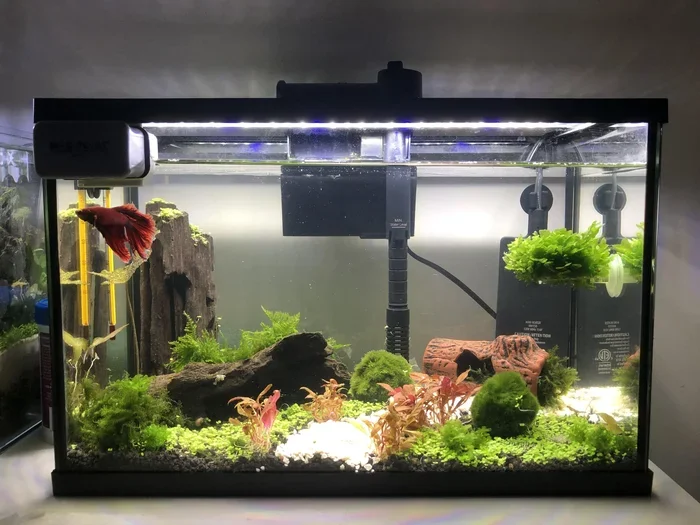
Your tank needs the right equipment to keep both fish healthy. Start with a good filter. Bettas prefer gentle water flow, so choose a sponge filter or adjust your filter output. A heater is essential too. Bettas are tropical fish and need warm water.
Decorations play a big role in reducing aggression. Live plants like java fern and anubias work great. They create natural barriers and hiding spots. Driftwood and caves also help each fish claim its own territory. When you set up betta fish habitat features like these, both fish feel more secure.
Here are the must-have items for your tank:
- Filter with gentle flow
- Heater set to 78-80°F
- Live or silk plants
- Caves and hiding spots
- Substrate (sand or fine gravel)
- Thermometer to monitor temperature
- Water test kit for ammonia, nitrite, and nitrate
Cycling the Tank Before Adding Any Fish
This step is non-negotiable. You must cycle your tank before introducing any fish. Cycling means building beneficial bacteria that break down harmful toxins like ammonia and nitrite. This process takes 4 to 6 weeks. Do not skip it.
Add fish to an uncycled tank and they can get sick within days. Use a liquid test kit to track your water parameters. Once ammonia and nitrite read zero and nitrate stays below 20 ppm, your tank is ready. If you want to learn more about this process, check out our guide on how to cycle a fish tank for betta. Patience here pays off big time.
Water Preparation and Parameters
Ideal Water Conditions for Betta Fish
Water quality directly impacts the health of your bettas. Both male and female fish thrive in specific conditions. Get these wrong and your fish will suffer. Here are the ideal parameters you should aim for:
- Temperature: 78-80°F (25.5-26.5°C)
- pH Level: 6.5 to 7.5
- Ammonia: 0 ppm
- Nitrite: 0 ppm
- Nitrate: Below 20 ppm
- Water Hardness: 3-4 dKH
These numbers might look technical, but keeping them in range is simple with the right tools. A good thermometer and a liquid test kit make monitoring easy. Test the water at least twice a week during the first month. After that, once a week is usually enough.
How to Prepare and Treat the Water
Tap water contains chlorine and chloramine, which are harmful to bettas. You must treat the water before adding it to the tank. Use a water conditioner like Seachem Prime or API Stress Coat. These products neutralize harmful chemicals in seconds.
Always let tap water sit out for 24 hours before use if you do not use a conditioner. This allows chlorine to evaporate naturally. However, chloramine does not evaporate, so a conditioner is still the safest choice. If you want detailed steps on this process, our article on how to prepare water for betta fish covers everything you need to know.
When doing water changes, always match the temperature of the new water to the tank water. Sudden temperature drops shock the fish and weaken their immune system. Use a siphon to remove debris from the substrate during each water change.
Introducing Male and Female Betta Fish
The Introduction Process Step by Step
This is the most important part of the entire process. How you introduce the fish determines whether they will live together peacefully or fight constantly. Never just drop both fish into the same tank. That is a recipe for disaster.
Follow these steps for a safe introduction:
- Set up the tank with plenty of plants and hiding spots. This gives both fish personal space.
- Place the female in a clear container inside the tank. Let them see each other for 15-30 minutes.
- Watch for signs of aggression. Flaring, chasing, and nipping are red flags.
- If both fish stay calm, open the container. Let the female swim freely while the male is still in the main tank.
- Observe closely for several hours. Feed both fish at the same time to reduce competition.
- If no aggression occurs, the female can stay in the main tank. Continue monitoring for the next 48 hours.
Some people use a tank divider during the first few days. This physical barrier lets the fish get used to each other’s smell and presence without direct contact. You can find more detailed advice on whether a male and female betta fish can share a tank in our dedicated article.
Signs of Compatibility and Warning Signs
Not every male and female pair will get along. Some do from the start. Others need time. And some never work out. Knowing what to look for saves you from heartbreak.
Good signs include:
- Both fish eating normally
- Flaring that stops after a few seconds
- Fish swimming in different areas of the tank
- No chasing or nipping behavior
Warning signs that mean you must separate them:
- Constant flaring that does not stop
- One fish chasing the other nonstop
- Fin nipping or torn fins
- One fish refusing to eat
- Hiding for long periods and not coming out
If you see warning signs, do not wait. Separate the fish immediately using a divider or a backup tank. Some fish simply do not work as a pair, and that is okay. Their safety always comes first.
Ongoing Care and Maintenance
Feeding and Nutrition for Both Fish
Feeding is straightforward but requires consistency. Both male and female bettas are carnivores. They need a diet rich in protein. High-quality betta pellets should be the staple of their diet. Supplement with frozen or live foods like brine shrimp and bloodworms a few times a week.
Feed both fish twice a day. Give them only what they can eat in two minutes. Overfeeding leads to poor water quality and health problems. Remove any uneaten food after feeding time. If you want more detailed feeding guidance, our how to care for a betta fish article has helpful tips on nutrition and feeding schedules.
Regular Tank Maintenance Schedule
Consistent maintenance keeps the tank healthy for both fish. Here is a simple schedule you can follow:
- Daily: Check temperature and feed both fish
- Weekly: Test water parameters and do a 25% water change
- Bi-weekly: Clean the glass and remove debris from the substrate
- Monthly: Rinse filter media in old tank water (never tap water)
Sticking to this schedule prevents most common problems. Dirty water causes stress, and stressed fish get sick. A simple routine keeps everything running smoothly. The goal is to make tank maintenance a habit, not a chore.
Common Mistakes to Avoid
Even experienced fish keepers make mistakes. Here are the most common ones people make when preparing for a male and female betta pair:
- Using too small a tank: Anything under 10 gallons creates constant tension and territorial disputes.
- Skipping the tank cycle: Adding fish to uncycled water exposes them to deadly ammonia levels.
- Rushing the introduction: Throwing both fish together without a gradual process almost always leads to fighting.
- Overcrowding the tank: Too many decorations or tank mates create unnecessary stress.
- Ignoring water changes: Even with a filter, regular water changes are essential for long-term health.
- Not having a backup plan: Always keep a spare tank ready in case the pair does not get along.
Avoiding these mistakes puts you ahead of most new betta owners. Preparation and patience are your best tools. The more you plan, the smoother everything goes.
Expert Tips for Long-Term Success
Here are a few extra tips from experienced betta keepers that make a real difference:
- Quarantine new fish first. If you buy your fish from a store, keep them in a separate tank for 2 to 3 weeks before introducing them to your main tank. This prevents the spread of diseases.
- Observe behavior daily. Spend a few minutes each day watching how the fish interact. Early detection of problems saves lives.
- Keep the environment stable. Avoid moving the tank around, changing lights suddenly, or making loud noises near the tank. Stability equals calm fish.
- Research before buying. Read up on betta fish tank setup and care well before you bring any fish home. Knowledge is your biggest advantage.
These small habits add up over time. They create a stable, healthy environment where both your male and female betta can thrive. The reward is watching two beautiful, active fish living together in harmony.
Conclusion
How to prepare for a male and female betta fish comes down to three things: the right tank, clean water, and a careful introduction. You need at least a 10-gallon tank, properly cycled and decorated with plants and hiding spots. Water parameters must stay in the ideal range, and you should always treat tap water before adding it to the tank. The introduction process takes patience, but it is the most important step of all.
Ongoing care through regular feeding, water changes, and daily observation keeps both fish healthy and happy. Avoid the common mistakes outlined in this guide, and you will set yourself up for success. Every step you take in preparation makes a real difference in the lives of your fish.
Start with the tank setup, get the water right, introduce them slowly, and maintain the environment consistently. Follow this roadmap and you will enjoy the beauty of both a male and female betta living together. Your effort will pay off with a stunning, peaceful aquarium you can be proud of.
Frequently Asked Questions
Can a male and female betta fish live together permanently?
Yes, but only with the right preparation. A large enough tank, plenty of hiding spots, and a gradual introduction process all increase the chances of success. Some pairs do well long-term, while others may need to be separated if aggression develops.
What size tank do I need for one male and one female betta?
A minimum of 10 gallons is recommended. A 20-gallon tank provides even more space and makes it easier to maintain stable water conditions. Larger tanks reduce stress and territorial behavior for both fish.
How long does the introduction process take?
The initial introduction can take anywhere from a few hours to several days. You should monitor both fish closely during this time. If any signs of aggression appear, separate them immediately and try again later or keep them apart permanently.
What water temperature is best for betta fish?
The ideal temperature range is 78-80°F (25.5-26.5°C). Use a reliable heater and thermometer to maintain stable temperatures. Sudden temperature changes can stress the fish and weaken their immune system.
How often should I do water changes for a betta pair?
A 25% water change once a week is the standard recommendation. Always use treated water that matches the tank temperature. Regular water changes prevent the buildup of harmful toxins and keep both fish healthy.
What should I feed my male and female betta fish?
High-quality betta pellets should be the main staple. Supplement with frozen or live foods like brine shrimp and bloodworms two to three times a week. Feed small amounts twice a day and remove any uneaten food after a few minutes.
=== SEO TITLE ===
How to Prepare for a Male and Female Betta Fish
=== META TITLE ===
How to Prepare for a Male and Female Betta Fish | Complete Guide
=== URL SLUG ===
/how-to-prepare-for-a-male-and-female-betta-fish/