How to Make Your Betta Fish Feel Better
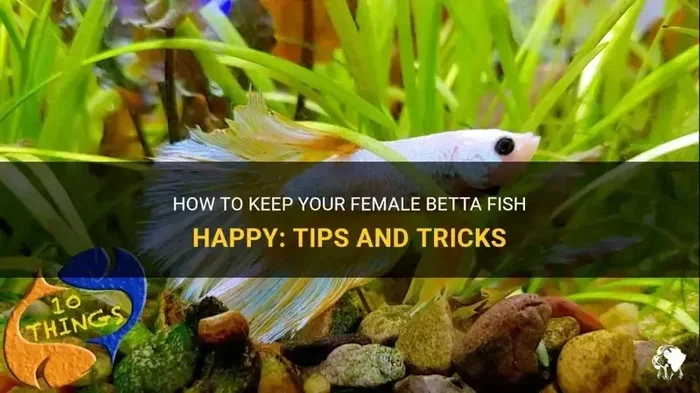
Making your betta fish feel better starts with understanding their basic needs. You can improve your betta’s mood, health, and energy by focusing on water quality, tank setup, and proper nutrition. This guide covers simple, actionable steps to help your betta thrive. Small changes to their environment and daily routine can lead to big improvements in how they look and act. Follow these tips to give your betta the best life possible.
Key Takeaways
- Water quality is everything: Clean, warm water is the foundation of a healthy betta fish.
- Tank environment matters: A well-decorated tank reduces stress and keeps your betta happy.
- Diet affects how they feel: Feeding the right food in the right amounts boosts energy and color.
- Watch for warning signs: Knowing what a stressed or sick betta looks like helps you act fast.
- Small changes make a big difference: Even minor tweaks to their routine can improve how your betta feels.
- Consistency is key: Regular care routines keep your betta fish healthy and strong over time.
📑 Table of Contents
- How to Make Your Betta Fish Feel Better: Understanding the Root Causes
- How Water Quality Affects Your Betta’s Well-Being
- Creating a Happy and Comfortable Tank Environment
- Nutrition: Feeding Your Betta the Right Way
- Recognizing Signs of Stress and Illness in Betta Fish
- Building a Strong Bond That Improves Your Betta’s Mood
- Quick Tips to Make Your Betta Feel Better Today
- Common Mistakes That Make Betta Fish Feel Worse
- When to Seek Professional Help for Your Betta
- Conclusion
How to Make Your Betta Fish Feel Better: Understanding the Root Causes
Every betta fish owner wants their pet to look bright, swim actively, and show off those beautiful fins. But sometimes, your betta might seem tired, pale, or just off. This can happen for many reasons, and the good news is that you can do a lot to help.
Betta fish feel better when their basic needs are met. These fish are native to warm, slow-moving waters in Southeast Asia. In the wild, they live in rice paddies, canals, and shallow ponds. Your job is to recreate that peaceful environment in your home aquarium.
When a betta feels unwell, it often shows clear signs. They might stop eating, hide in corners, or lose their vibrant color. Paying attention to these signals early can make a huge difference. The faster you respond, the better the outcome for your fish.
How Water Quality Affects Your Betta’s Well-Being
The single most important factor in how your betta feels is the water they live in. Poor water quality causes stress, illness, and low energy. Think of it this way: you would not want to live in a dirty room, and neither does your fish.
Testing and Maintaining Clean Water
Start by testing your betta’s water regularly. Use a liquid test kit to check ammonia, nitrite, and nitrate levels. These chemicals build up over time and can harm your fish. Ideally, ammonia and nitrite should always read zero. Nitrates should stay below 20 ppm.
Betta fish care requires consistent water changes. Replace about 25 to 30 percent of the water every week. This removes toxins and keeps the environment fresh. Always use water that has been treated with a water conditioner to remove chlorine and chloramine. These chemicals are harmful and can damage your fish’s delicate gills and fins.
The Right Temperature for Comfort
Betta fish are tropical creatures. They need warm water to stay healthy and active. The ideal temperature range is between 78 and 80 degrees Fahrenheit. If the water is too cold, your betta becomes sluggish and may develop fin rot or other illnesses.
Consider using a small aquarium heater to maintain a steady temperature. Cold water shocks their system and weakens their immune response. A stable, warm environment helps your betta feel safe and comfortable. You can also read our guide on how to keep your betta fish warm for additional heating tips.
Creating a Happy and Comfortable Tank Environment
Your betta’s tank is their entire world. Making it a pleasant space goes a long way toward improving how they feel. A stressed betta will not thrive, no matter how well you feed them.
Adding Plants and Hideouts
Betta fish love places to explore and hide. Live or silk plants give them something to swim through and rest on. Avoid sharp plastic plants that can tear their delicate fins. Natural plants also help filter the water and produce oxygen.
Adding caves, driftwood, or gentle decorations creates a sense of security. Your betta will spend less time hiding and more time showing off their colors. You can learn more about setting up the perfect environment in our guide on how to decorate your betta fish tank.
The Importance of Tank Size
Many people keep bettas in tiny bowls, but this is not ideal. A tank of at least 5 gallons gives your betta room to swim and explore. Small spaces trap toxins quickly and limit your fish’s movement. A larger tank also makes it easier to maintain stable water parameters.
If you currently use a bowl, consider upgrading to a proper aquarium. Your betta will be more active, eat better, and display brighter colors when they have enough space. A well-sized tank is one of the best investments you can make for your betta’s betta fish wellness.
Nutrition: Feeding Your Betta the Right Way
What you feed your betta directly affects how they feel and behave. A poor diet leads to dull colors, low energy, and a weakened immune system. On the other hand, a balanced diet keeps your fish vibrant and full of life.
Best Foods for Betta Fish
Betta fish are carnivores by nature. They need protein-rich foods to stay healthy. High-quality betta pellets should form the foundation of their diet. Look for pellets where the first ingredient is whole fish or fish meal. These provide the amino acids your betta needs to build strong muscles and maintain vivid colors.
You can also offer variety with frozen or live foods. Bloodworms, brine shrimp, and daphnia are excellent choices. These foods mimic what bettas eat in the wild and keep mealtime exciting. Just feed these as treats, not as the main diet. Overdoing treats can lead to digestive issues and bloating.
Feeding Schedule and Portions
Overfeeding is one of the most common mistakes betta owners make. Feed your betta two to three small meals per day. Only give them what they can eat in two to three minutes. Uneaten food rots quickly and pollutes the water.
A consistent feeding schedule helps regulate your betta’s digestion and energy levels. If you ever notice your betta refusing food, check the water parameters first. Sometimes poor water quality is the real reason behind a lost appetite. For more guidance on feeding challenges, visit our article on what to do when your betta fish won’t eat.
Recognizing Signs of Stress and Illness in Betta Fish
Knowing when something is wrong with your betta is essential. Early detection of betta fish stress and illness gives you the best chance to help them recover quickly.
Common Warning Signs to Watch For
Watch for these behaviors that suggest your betta is not feeling well:
- Clamped fins held close to the body
- Loss of appetite or refusing food
- Hiding constantly or staying at the bottom of the tank
- Faded or dull coloration
- Rapid breathing or gasping at the surface
- White spots on the body or fins (sign of ich)
- Torn or deteriorating fins
If you notice any of these signs, do not panic. Start by checking the water quality and temperature. Often, a simple water change and temperature adjustment can make a noticeable difference.
How to Help a Stressed or Sick Betta
When your betta shows signs of distress, act quickly. First, test the water to rule out ammonia or nitrate spikes. Next, check the temperature to make sure it is within the ideal range. A stable, clean environment is the best first step toward recovery.
If the problem persists, consider a betta fish health treatment. Salt baths can help with mild fin rot and external parasites. For more serious conditions, consult a fish veterinarian or experienced aquarist. You can find detailed treatment guidance in our article on how to make your betta fish healthy again.
Building a Strong Bond That Improves Your Betta’s Mood
Believe it or not, your relationship with your betta fish affects how they feel. Bettas are intelligent creatures that respond to their environment and their owner’s presence. Building trust can actually improve your betta’s overall well-being.
Spending Quiet Time Near the Tank
Spend a few minutes each day sitting near your betta’s tank. Talk softly or just be present. Over time, your betta will recognize you and may even swim to the front of the tank when you approach. This calm interaction reduces stress for both you and your fish.
Engaging With Your Betta Through Play
Bettas are curious and playful by nature. You can encourage natural behaviors by adding gentle stimulation to their tank. Float a small ping pong ball on the water surface. Many bettas enjoy pushing it around. You can also use a mirror briefly to trigger their natural flaring behavior, but keep these sessions short.
Learning how to play games with your betta fish is a fun way to keep them mentally stimulated. A happy, engaged betta is a healthy betta. Mental stimulation prevents boredom and the lethargy that comes with it. Try to spend a few minutes each day interacting with your fish in a calm and gentle way.
Quick Tips to Make Your Betta Feel Better Today
Sometimes your betta needs help right now. Here are some quick actions you can take today to improve how your fish feels:
- Do a 25 percent water change using dechlorinated water at the right temperature.
- Check the heater to make sure the water is between 78 and 80 degrees Fahrenheit.
- Remove any uneaten food from the tank to prevent water contamination.
- Add a live plant to improve oxygen levels and provide natural hiding spots.
- Turn off loud noises and bright lights near the tank to create a calm atmosphere.
- Offer a treat like a bloodworm to stimulate appetite and excitement.
These simple steps can brighten your betta’s day and set them on the path to feeling their absolute best. Even small actions add up over time to create a much happier and healthier fish.
Common Mistakes That Make Betta Fish Feel Worse
Avoiding common pitfalls is just as important as doing the right things. Here are mistakes that can make your betta feel worse:
- Using untreated tap water: Chlorine and chloramine are toxic to bettas. Always condition your water before adding it to the tank.
- Overfeeding: Excess food decays rapidly and spikes ammonia levels. Feed small amounts and remove leftovers.
- Keeping the tank in a noisy or high-traffic area: Constant vibrations and shadows stress your betta out.
- Using a tank that is too small: Bowls under 5 gallons make it nearly impossible to maintain stable water conditions.
- Ignoring water changes: Even with a filter, regular water changes are essential for removing accumulated waste.
Steering clear of these mistakes will save you a lot of trouble and keep your betta feeling great. Prevention is always easier than treatment.
When to Seek Professional Help for Your Betta
There are times when home care is not enough. If your betta shows severe symptoms like open sores, bloating that does not improve, or complete refusal to eat for more than three days, it is time to seek help. A qualified fish veterinarian can diagnose and treat conditions that go beyond basic care.
Do not wait too long. Many betta illnesses progress quickly. Early professional intervention can save your fish’s life and prevent unnecessary suffering. Trust your instincts as an owner. If something feels wrong, it is always worth getting a professional opinion.
Conclusion
Helping your betta fish feel better comes down to understanding their needs and responding with care. Clean water, proper temperature, a comfortable tank, good nutrition, and your attention all work together to create a thriving environment. Small, consistent efforts make the biggest difference over time.
When you invest in your betta’s well-being, you are rewarded with a vibrant, active, and beautiful companion. Start with the tips in this guide and watch your betta transform. Your fish will thank you with their stunning colors and joyful swimming. Take action today and give your betta the happy, healthy life they deserve.
Frequently Asked Questions
How long does it take for a betta fish to feel better after a water change?
Most bettas show improvement within 24 to 48 hours after a partial water change. Clean water reduces stress and helps their immune system recover. However, full recovery depends on the severity of the issue and the overall tank conditions.
Can a sad betta fish recover on its own?
Mild stress or lethargy can resolve on its own if you improve water quality and temperature. However, persistent symptoms usually need intervention. Watch your betta closely and take action if they do not improve within a day or two.
What is the fastest way to make a betta fish feel better?
The fastest approach is a partial water change with properly conditioned water at the right temperature. This immediately removes harmful toxins and provides a fresher environment. Adding a stress-reducing additive can also help your betta calm down quickly.
Do betta fish get lonely?
Betta fish are territorial and do not need companions to feel happy. In fact, they often do better alone. What they need is stimulation through a well-decorated tank and regular interaction with their owner. A boring environment is more likely to cause loneliness than the absence of other fish.
How can I tell if my betta fish is happy?
A happy betta swims actively, eats eagerly, and displays bright, vivid colors. They explore their tank, build bubble nests, and respond to your presence. If you want to learn more about recognizing these signs, check out our guide on how to know if your betta fish is happy.
Should I use salt to help my betta feel better?
Aquarium salt can help with mild fin rot, ich, and stress in betta fish. Use it at the correct dosage, typically one teaspoon per gallon for treatment baths. Always research proper dosing before adding salt, as too much can harm your fish. Consult a vet if you are unsure about the right approach for your specific situation.