How to Make Water Ready Fast for Betta Fish
Learning how to make water ready fast for betta fish is one of the most important skills every fish keeper needs. Whether you use tap water, filtered water, or aged water, preparing it correctly protects your betta from harmful chemicals and stress. This guide walks you through simple, fast methods to condition, dechlorinate, and balance your water so your betta stays happy and healthy. You will learn the best tools, timing, and techniques to get your betta fish water perfect in minutes.
Keeping a betta fish is rewarding, but one thing you cannot skip is preparing the water properly. Every time you add water to your tank, you need to make sure it is safe, clean, and the right temperature. If you skip this step, your betta could get sick, stressed, or worse. The good news is that making water ready for your betta does not have to be complicated or time-consuming.
In this guide, we will show you exactly how to make water ready fast for betta fish using simple methods you can do at home. We will cover everything from water conditioners to aging techniques, and we will share quick tips that save you time without cutting corners. By the end, you will feel confident every time you handle water for your fish tank.
Key Takeaways
- Always treat tap water before adding it to your betta tank: chlorine and chloramine can seriously harm your fish.
- Water conditioner is the fastest and easiest way to make water safe for betta fish in just a few minutes.
- Aging water for 24 hours is a natural, effective method that lets chlorine evaporate safely.
- Temperature matters just as much as chemical safety: betta fish need warm, stable water between 78-80°F.
- Regular partial water changes keep your tank clean and reduce the need for full water preparation.
- Testing water parameters regularly helps you catch problems before they affect your betta’s health.
- Avoid distilled or untreated water: these lack essential minerals your betta needs to thrive.
📑 Table of Contents
- Why Making Water Ready Matters for Betta Fish
- The Fastest Way to Make Water Ready for Betta Fish
- Aging Water: A Natural and Proven Method
- Matching Water Temperature for Betta Fish
- Common Mistakes When Preparing Water for Betta Fish
- How Often Should You Change Water for Your Betta Fish?
- Tools and Products That Make Water Preparation Easy
- Key Takeaways
- Conclusion
Why Making Water Ready Matters for Betta Fish
Betta fish are sensitive creatures. Their small bodies react quickly to changes in water quality. Tap water contains chlorine, chloramine, and heavy metals that are harmless to humans but dangerous to fish. These chemicals damage the gills, strip protective slime coats, and cause long-term health problems.
When you prepare water for betta fish the right way, you remove or neutralize these threats. You also match the water temperature and pH to what your betta naturally lives in. This simple step is the foundation of good betta fish care. Skipping it can lead to disease, lethargy, color loss, and early death.
Many new fish keepers wonder whether they really need to treat every water change. The answer is yes. Even small amounts of untreated water add up over time. Consistency is what keeps your betta thriving week after week.
The Fastest Way to Make Water Ready for Betta Fish
Use a Water Conditioner
The single fastest method to make water safe is using a water conditioner. These products neutralize chlorine, chloramine, and heavy metals in seconds. You simply add the recommended dose to your tap water, stir gently, and it is ready to use.
Most conditioners work instantly, which means you do not need to wait. This makes them perfect for quick water changes or emergency situations. Look for conditioners specifically designed for betta fish or tropical aquariums. Popular brands like Seachem Prime and API Tap Water Conditioner are widely available and very effective.
When choosing a conditioner, read the label carefully. Some products also add beneficial electrolytes or slime coat protectors that give your betta an extra layer of defense. These extras are worth considering, especially if your betta is recovering from illness or stress.
How to Use a Conditioner Properly
- Measure the exact amount of water you need for your water change.
- Add the conditioner directly to the tap water before pouring it into the tank.
- Follow the dosing instructions on the bottle for the volume you are treating.
- Let the water sit for one to two minutes after adding the conditioner.
- Check the temperature before adding the treated water to your betta tank.
Using a conditioner this way ensures every drop of water is safe the moment it enters your tank. It is the most reliable method for busy fish keepers who want fast results without compromising quality.
Aging Water: A Natural and Proven Method
What Is Water Aging?
Aging water means letting tap water sit out in an open container for 24 to 48 hours before adding it to your tank. During this time, chlorine naturally evaporates into the air. This method has been used by fish keepers for decades and it works very well.
The downside is time. If you need water fast, aging will not work for you. However, if you plan ahead, aging is a free and chemical-free way to prepare water. Some experienced betta keepers prefer this method because it avoids adding any extra products to the water.
How to Age Water the Right Way
- Fill a clean bucket or container with tap water.
- Leave the container uncovered in a room-temperature area.
- Let the water sit for at least 24 hours.
- Stir or agitate the water occasionally to speed up chlorine release.
- After 24 hours, test or smell the water to confirm it is chlorine-free.
- Adjust the temperature before adding it to your betta tank.
Aging water does not remove chloramine, though. If your local water supply uses chloramine instead of chlorine, you will need a conditioner even with aged water. You can check with your municipal water provider to find out which disinfectant they use.
Some fish keepers combine aging with a conditioner for extra safety. This dual approach removes all chemicals and also allows beneficial minerals to settle. It is a great option if you want the safest possible water for your betta.
Matching Water Temperature for Betta Fish
Temperature is just as important as chemical safety. Betta fish are tropical creatures and they need warm, stable water. Cold water slows their metabolism and makes them vulnerable to disease. Water that is too hot carries less oxygen and can stress your fish.
The ideal temperature range for betta fish is between 78 and 80 degrees Fahrenheit. Use an aquarium thermometer to check the temperature of your treated water before adding it to the tank. If the water is too cold, you can warm it gradually by mixing in a small amount of warm water. Never use boiling water or heat water directly in the container you will use for your fish.
Quick Tips for Temperature Control
- Keep a dedicated thermometer in your betta tank at all times.
- Use a small aquarium heater to maintain steady temperatures.
- Let treated water sit at room temperature for a few hours if needed.
- Avoid placing the tank near windows, drafts, or heating vents.
- Do a temperature check every time you prepare new water.
Temperature swings are just as dangerous as chemical exposure. A sudden change of even a few degrees can shock your betta. Always aim for gradual, consistent water preparation.
Common Mistakes When Preparing Water for Betta Fish
Using Untreated Tap Water Directly
This is the number one mistake new betta keepers make. Pouring straight tap water into your tank exposes your fish to chlorine and chloramine immediately. Even if your water smells fine, it may still contain harmful chemicals that are invisible to your nose.
Always treat your water first. A few drops of conditioner can make the difference between a healthy betta and a sick one. Do not take shortcuts with this step, no matter how rushed you are.
Using Distilled or Reverse Osmosis Water Without Remineralization
Distilled water and reverse osmosis water are very pure, but they lack the minerals and trace elements betta fish need. Using these without adding a remineralizer can lead to osmotic stress and mineral deficiencies. If you use purified water, always add a betta-safe mineral supplement before introducing it to the tank.
Forgetting to Match pH Levels
Betta fish prefer slightly acidic to neutral water, with a pH between 6.5 and 7.5. If your tap water is very alkaline or very acidic, you may need to adjust it. You can test your water with a simple aquarium pH test kit. If the pH is far from the ideal range, consider using a buffer or finding an alternative water source.
Not Cleaning the Container You Use for Water Preparation
Using a dirty bucket or container can introduce bacteria, soap residue, or chemicals into your treated water. Always use containers that are dedicated to aquarium use and wash them thoroughly with plain water, never with soap or detergent.
How Often Should You Change Water for Your Betta Fish?
Regular water changes are essential for maintaining clean, safe water in your betta tank. Most experts recommend doing a partial water change of 25 to 50 percent every one to two weeks. Smaller tanks may need more frequent changes because toxins build up faster in less water.
How often you change water depends on several factors:
- The size of your tank or bowl
- Whether you have a filter
- The number of fish in the tank
- Your feeding schedule and amount
- The temperature and humidity of the room
For most single-betta setups, a 25 percent water change every week works well. If you have a larger tank with a filter, you can stretch to every two weeks. Always use your water conditioner on the fresh water before adding it to the tank. This ensures the new water is just as safe as the water already in the tank.
If you are unsure how often to change your specific setup, start with weekly 25 percent changes and adjust based on your test results. Monitoring ammonia, nitrite, and nitrate levels gives you the clearest picture of when a water change is needed.
Tools and Products That Make Water Preparation Easy
Having the right tools on hand makes the entire water preparation process faster and more reliable. Here is a list of essentials every betta keeper should have:
- A quality water conditioner: This is non-negotiable. It neutralizes harmful chemicals instantly.
- An aquarium thermometer: You need to verify temperature every time you add new water.
- A clean bucket or container: Dedicate one container solely for aquarium use.
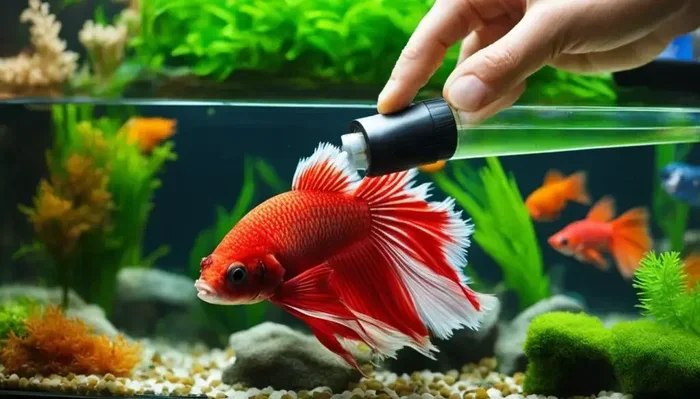
- A siphon or gravel vacuum: This makes removing old water quick and easy.
- A water test kit: Tests for pH, ammonia, nitrite, and nitrate keep you informed.
- A small cup or pitcher: Useful for pouring treated water gently into the tank.
You do not need expensive equipment to prepare water for your betta. A basic conditioner, thermometer, and test kit cover all your essential needs. As you gain experience, you can add more tools to streamline your routine even further.
Expert Insight: The Best Routine for Busy Fish Keepers
If you are short on time, here is the fastest routine that still keeps your betta safe. Fill a clean bucket with tap water. Add your water conditioner and stir for a few seconds. Let it sit for two minutes. Check the temperature. Pour it gently into your tank. Total time: under five minutes. This simple routine is all you need for a healthy betta fish environment.
Key Takeaways
- Always treat tap water before adding it to your betta tank: chlorine and chloramine can seriously harm your fish.
- Water conditioner is the fastest and easiest way to make water safe for betta fish in just a few minutes.
- Aging water for 24 hours is a natural, effective method that lets chlorine evaporate safely.
- Temperature matters just as much as chemical safety: betta fish need warm, stable water between 78-80°F.
- Regular partial water changes keep your tank clean and reduce the need for full water preparation.
- Testing water parameters regularly helps you catch problems before they affect your betta’s health.
- Avoid distilled or untreated water: these lack essential minerals your betta needs to thrive.
Conclusion
Making water ready for your betta fish does not have to be a complicated process. With the right tools and a simple routine, you can prepare safe, clean water in just a few minutes every week. Whether you choose to use a water conditioner, age your water, or combine both methods, the most important thing is that you always treat your water before adding it to the tank.
Your betta fish depends on you for a safe and healthy environment. Taking a few extra minutes to prepare water properly is one of the best things you can do for your pet. Start today, build a routine, and you will see the difference in your betta’s energy, color, and overall health.
Remember, consistent water care is the secret to a happy betta. Keep your water clean, keep it warm, and keep it safe. Your fish will thank you with vibrant colors and active, joyful behavior every single day.
Frequently Asked Questions
Can I use tap water directly for my betta fish if I let it sit out?
Letting tap water sit out for 24 hours helps chlorine evaporate, but it does not remove chloramine or heavy metals. For complete safety, always use a water conditioner even on aged water. This ensures your betta is protected from all harmful substances.
How long does it take to make water ready for a betta fish?
With a water conditioner, your water is ready in just a few minutes. Aging water takes 24 to 48 hours. The fastest method is using a conditioner because it neutralizes chemicals instantly and requires no waiting period.
Do I need to use a water conditioner every time I change water?
Yes, every single time. Even small amounts of untreated tap water can harm your betta over time. Using a conditioner for every water change is the easiest and most reliable way to keep your fish safe.
What temperature should the water be when I add it to my betta tank?
The water should be between 78 and 80 degrees Fahrenheit. Always check the temperature with an aquarium thermometer before adding treated water to your tank. Sudden temperature changes can shock and stress your betta.
Is bottled water safe for betta fish?
Some bottled waters are safe, but many lack the minerals betta fish need. Distilled and reverse osmosis bottled waters should be remineralized before use. Spring water can work if it is tested and found to have appropriate parameters.
Can I prepare water for my betta fish the night before?
Yes, preparing water the night before is a great habit. It gives the conditioner time to fully work and allows the temperature to stabilize. Just make sure to check the temperature again before adding it to your tank the next day.