How Many Babies Does Betta Fish Have

A single betta fish can produce anywhere from 10 to over 500 babies per spawning cycle, depending on the fish’s health, age, and breeding conditions. Female bettas release eggs that a male fertilizes externally, and the entire process from mating to hatching takes about 24 to 72 hours. Understanding the betta fish reproduction process helps aquarists prepare for a successful spawn and healthy fry.
If you have ever wondered how many babies does betta fish have, you are not alone. This is one of the most common questions among new and experienced fish keepers alike. Betta fish breeding is fascinating, and the numbers can surprise you. A single spawning event can produce a surprisingly large batch of tiny fry.
Knowing what to expect helps you prepare the right tank setup, nutrition, and care routine. Whether you are a curious hobbyist or planning to breed bettas intentionally, this guide covers everything you need to know about betta fish reproduction and raising healthy babies.
The short answer is that a healthy female betta can produce anywhere from a handful to several hundred eggs in one cycle. But the real question is how many of those eggs survive to become full-grown fish. Let us break it all down.
Key Takeaways
- A healthy female betta can lay 10 to 500+ eggs per spawning session, with the average clutch ranging from 30 to 100 eggs.
- The male betta builds a bubble nest to protect fertilized eggs, and he plays a critical role in the survival of betta fish babies.
- Fry survival rates vary widely, influenced by water quality, temperature, nutrition, and the removal of parents after spawning.
- Proper betta fish care before breeding significantly increases the number of healthy fry produced.
- Eggs hatch in 24 to 72 hours, and fry become free-swimming within 3 to 5 days after hatching.
- Female bettas can produce eggs without a male, but those eggs will not be fertilized and will not develop into babies.
📑 Table of Contents
Understanding Betta Fish Reproduction
Betta fish reproduce through a process called external fertilization. The female releases eggs, and the male fertilizes them outside of the body. This is very different from live-bearing fish like guppies. Understanding this basic process is the first step in grasping how many babies you might end up with.
How Betta Fish Mate
The breeding process starts with courtship. The male betta builds a bubble nest at the surface of the water. This nest is made of tiny bubbles coated with saliva, and it serves as a safe place for the eggs once they are released. When the female is ready, she and the male engage in a mating dance.
During the dance, the female releases her eggs, and the male wraps his body around hers to collect and fertilize them. He then places the fertilized eggs into the bubble nest. This whole process can happen within a few hours.
The Role of the Male Betta
The male betta is essentially a single parent during the early stages. He guards the bubble nest, repairs it as needed, and retrieves any eggs that fall out. He does not eat during this time, which can last several days. This protective behavior is why betta fish babies have a better chance of survival when the male is present in the breeding tank.
How Many Eggs Does a Betta Fish Lay
The number of eggs a female betta lays per spawning session is the most important factor in answering how many babies does betta fish have. Let us look at the numbers more closely.
Average Egg Count Per Spawning
On average, a healthy female betta releases between 30 and 100 eggs per spawning cycle. However, this number can vary quite a bit. Some factors that influence egg count include:
- Age of the female — Younger, healthier females tend to produce more eggs.
- Size of the female — Larger females generally carry more eggs.
- Water quality — Clean, warm water encourages healthier egg production.
- Nutrition — A well-fed female with a rich diet produces more viable eggs.
- Stress levels — A stressed female may release fewer eggs or none at all.
In ideal conditions, some experienced breeders report females laying up to 200 or even 500 eggs in a single session. However, this is less common and usually happens with premium breeding stock that has been carefully conditioned over time.
Do All Eggs Become Babies
Not every egg will develop into a baby betta. Many eggs are unfertilized, and others may not develop properly. Even fertilized eggs can fail if the water conditions are not right. This is why the actual number of betta fish fry you end up with is usually much lower than the number of eggs laid.
If you want to learn more about the egg-laying process in detail, check out our article on how many eggs does a betta fish lay.
How Many Fry Survive After Hatching
This is where things get interesting. The number of eggs laid is only the beginning. The real question most fish keepers care about is how many betta fish babies actually survive to become free-swimming fry.
Egg to Fry Survival Rate
In a well-maintained breeding tank, about 50 to 80 percent of fertilized eggs will successfully hatch. Of those hatchlings, roughly 60 to 70 percent will survive the first week. This means that from 100 eggs, you might end up with around 30 to 50 healthy fry.
Here is a simple breakdown of what to expect:
- Eggs laid: 30 to 100 (average)
- Fertilized eggs: 60 to 90 percent of total
- Eggs that hatch: 50 to 80 percent of fertilized eggs
- Fry surviving past one week: 60 to 70 percent of hatchlings
The numbers can feel overwhelming at first, but do not worry. You do not need to raise every single fry. Even a small batch of surviving betta fry is a rewarding experience.
Why Some Fry Do Not Survive
Several factors affect fry survival. Poor water quality is the number one killer of young betta fry. Ammonia and nitrite spikes, even at low levels, can be deadly to tiny fry. Temperature fluctuations also stress developing fry and can slow their growth or cause death.
Another common issue is the male betta eating some of the eggs or fry. While he tries to protect them, he may accidentally consume some during nest maintenance. Removing the parents after spawning is standard practice in most breeding setups.
For more details on fry numbers and survival, read our guide on how many fry do betta fish have.
The Betta Fish Breeding Timeline
Understanding the timeline of betta fish breeding helps you plan properly. Each stage has specific needs, and knowing what to expect makes the process much smoother.
Day 1 to Day 3: Egg Laying and Fertilization
The mating process typically happens within a few hours once the pair is introduced to the breeding tank. The female releases her eggs, the male fertilizes them, and he places them in the bubble nest. By the end of the first day, most of the eggs should be secured in the nest.
Day 3 to Day 5: Eggs Hatch
Betta fish eggs usually hatch within 24 to 72 hours after fertilization. The exact timing depends on water temperature. Warmer water speeds up development, while cooler water slows it down. At around 80 degrees Fahrenheit, you can expect hatching to happen in about 24 to 36 hours.
If you want a deeper look at the hatching timeline, visit our page on how many days to hatch betta fish eggs.
Day 5 to Day 14: Free-Swimming Fry Stage
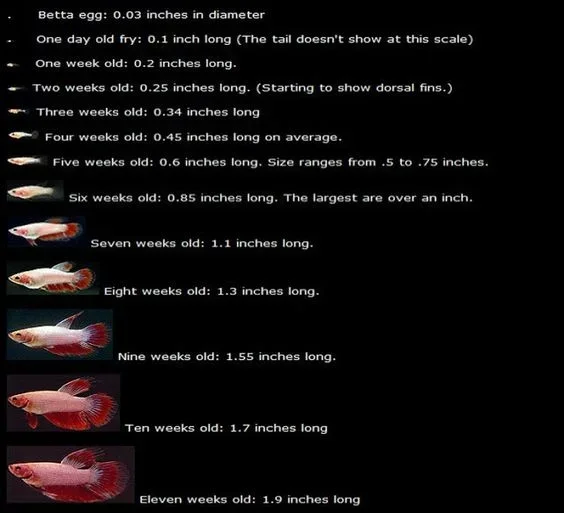
Once the fry are free-swimming, they begin searching for food on their own. At this stage, they are extremely tiny and need very small food sources like infusoria or commercially prepared fry food. This is also when you should start feeding them several times a day in small amounts.
The breeding process from start to finish takes about two to three weeks before the fry are large enough to eat standard foods. Patience is key during this stage.
How to Maximize Your Betta Fish Baby Count
If you are planning to breed bettas, you probably want to maximize the number of healthy fry. Here are some proven strategies that experienced breeders use.
Condition the Breeding Pair
Before introducing the male and female, condition them with high-quality live or frozen foods for one to two weeks. Feed them brine shrimp, bloodworms, and daphnia multiple times a day. Well-conditioned females produce more and healthier eggs.
Optimize Water Conditions
Keep the breeding tank water warm, around 79 to 82 degrees Fahrenheit. Maintain a pH between 6.5 and 7.0. Use a sponge filter to keep the water clean without creating strong currents that can disturb the bubble nest. Clean water leads to better fertilization and higher survival rates.
Minimize Stress
Keep the breeding tank in a quiet area with dim lighting. Avoid sudden movements or loud noises near the tank. Stress can cause the female to release fewer eggs or even reabsorb them before spawning.
Remove Parents After Spawning
Once the eggs are safely in the bubble nest, remove the female from the tank. The male may become aggressive toward her. The male will also eat some of the eggs if he gets hungry, so he too should be removed once the fry are free-swimming and no longer need nest protection.
Common Mistakes When Breeding Betta Fish
Breeding bettas can be rewarding, but mistakes happen. Avoiding these common errors will help you raise more healthy betta fish babies.
- Skipping the conditioning phase — This leads to fewer and weaker eggs.
- Using a tank that is too large — A 5 to 10 gallon breeding tank is ideal. Larger tanks make it harder for the male to find and collect fallen eggs.
- Not removing the parents — Both male and female bettas may eat eggs or fry if left in the tank too long.
- Overfeeding the fry — Excess food fouls the water quickly and harms delicate fry.
- Ignoring water changes — Even small water quality changes can be fatal to newborn fry.
If you are new to breeding, start small. A first-time spawn with 30 to 50 eggs is a great learning experience. As you gain confidence, you can refine your techniques and work toward larger, healthier clutches.
For more information on preparing for breeding, check out our article on how many days to breed betta fish.
Frequently Asked Questions
Can a female betta fish have babies without a male?
A female betta can release eggs without a male present, but those eggs will not be fertilized and will not develop into babies. The female may even reabsorb the unfertilized eggs. To produce actual fry, a male is required for fertilization.
How long does it take for betta fish eggs to hatch?
Betta fish eggs typically hatch within 24 to 72 hours after fertilization. Warmer water temperatures around 80°F speed up the process, while cooler temperatures can extend the hatching time to 3 or more days.
How many times can a betta fish breed in a year?
A healthy pair of bettas can breed every 4 to 6 weeks if given proper recovery time between spawning sessions. However, most experienced breeders limit breeding to once every 6 to 8 weeks to keep the fish healthy and stress-free.
Do betta fish eat their own babies?
Yes, betta fish may eat their own eggs or fry, especially the male if he is hungry or stressed. This is why it is important to remove the parents after spawning or once the fry become free-swimming.
What should I feed betta fish fry?
Newly hatched fry need very small foods like infusoria, baby brine shrimp, or commercially available fry food. Feed them tiny amounts 3 to 4 times a day to support their rapid early growth.
How many gallons do I need for a betta fish breeding tank?
A 5 to 10 gallon tank works best for breeding bettas. It is large enough to maintain stable water conditions but small enough for the male to manage the bubble nest and collect any fallen eggs effectively.
Final Thoughts
So, how many babies does betta fish have? The answer depends on many factors, but a healthy female can produce anywhere from 30 to 500 eggs per spawning cycle. The number of fry that survive to adulthood depends on water quality, nutrition, and proper care during the early stages.
Breeding bettas is a rewarding hobby that teaches patience and attention to detail. Whether you end up with 20 fry or 100, each one is a tiny miracle worth celebrating. Start with the basics, keep your water clean, feed your fish well, and enjoy the journey of raising betta fish babies from eggs to fully grown fish.