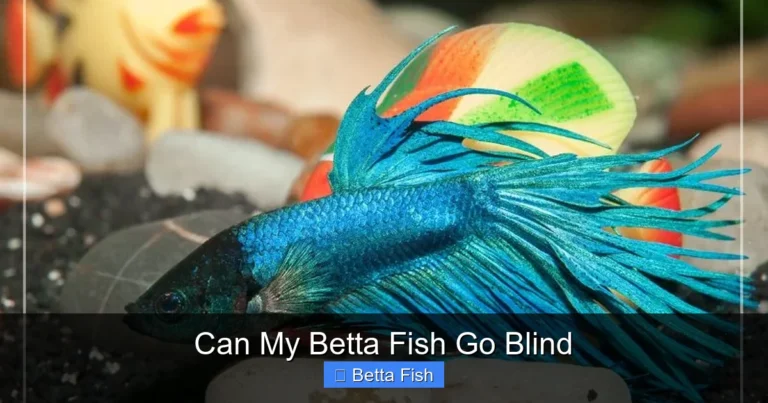
Do Betta Fish Like TV And What To Watch For Them
Do betta fish like TV? The short answer is yes, but with important limits. Many bettas enjoy watching moving images on a screen, and the right content can provide gentle stimulation during quiet hours. However, loud audio, flashing lights, or aggressive scenes can stress your fish and disrupt their natural rest cycles. This guide explains how television affects betta behavior, what types of shows work best, and how to set up a safe viewing routine that supports your fish’s health and happiness.
Key Takeaways
- Gentle visual stimulation: Bettas often notice moving shapes on a screen and may swim toward them out of curiosity.
- Low volume matters: Keep sound muted or very low, since bettas are sensitive to vibrations and sudden noise.
- Avoid flashing content: Rapid color changes and bright strobing can startle fish and disturb their rest.
- Short sessions work best: Limit screen time to calm, predictable viewing rather than leaving the TV on all day.
- Observe your fish first: If your betta hides, gasps, or loses color, reduce or stop the screen and check water conditions.
- Choose slow, natural scenes: Underwater footage, gentle nature clips, and soft movement tend to be the most soothing.
- Screen placement counts: Position the display so glare and direct light do not overheat the tank or stress the fish.
📑 Table of Contents
- Do Betta Fish Like TV? Understanding How Screens Affect Your Fish
- Do Betta Fish Like TV Content? Choosing the Right Shows and Scenes
- Do Betta Fish Like TV Sound? Why Volume and Vibrations Matter
- Do Betta Fish Like TV Light? Managing Glare, Brightness, and Day-Night Cycles
- Do Betta Fish Like TV as Enrichment? Using Screens Safely for Mental Stimulation
- Do Betta Fish Like TV All Day? Why Limits and Routine Matter
- Expert Insights: How to Set Up a Calm Viewing Routine for Your Betta
- Do Betta Fish Like TV? Final Thoughts for owners
Do Betta Fish Like TV? Understanding How Screens Affect Your Fish
Many aquarium owners wonder whether their colorful betta notices the television across the room. The truth is that bettas have keen eyesight and can detect movement outside their tank. A screen displaying slow-moving images may catch their attention, especially during periods when the room is quiet. This does not mean your fish wants to watch your favorite drama every night. It simply means that visual changes in their environment can trigger curiosity or mild interest.
Bettas are not the same as humans or even mammals that seek entertainment. They respond to light, motion, and contrast. A calm screen with gentle motion can act like a slow-moving plant or a drifting shadow. On the other hand, a loud, fast-paced program can feel like a threat. If you want to know whether your betta enjoys a screen, watch their behavior closely. Curious fish may approach the glass. Stressed fish may retreat to a corner or clamp their fins.
When people search for do betta fish like tv, they often want a simple yes or no. The real answer depends on the fish, the room, and the content. Some bettas ignore the screen entirely. Others investigate it for a few minutes and then return to their usual routine. The key is to treat the television as a possible enrichment tool, not a constant companion. Used carefully, a screen can add variety to a quiet tank. Used poorly, it can create unnecessary tension.
How Betta Vision Works in a Home Aquarium
Bettas see color and motion well. Their eyes sit on the sides of their head, which gives them a wide field of view. This design helps them notice food, rivals, and changes in their surroundings. A television screen produces bright, shifting patterns that can stand out against a darker tank background. Your fish may interpret those changes as something worth checking out.
It also helps to remember that bettas do not understand stories, characters, or plots. They respond to visual cues. Slow movement tends to feel safer than rapid movement. Soft colors often feel less threatening than harsh flashes. If you want your betta to stay relaxed near a screen, choose calm visuals and keep the room lighting steady.
Do Bettas Recognize Movement on a Screen?
Yes, many bettas notice movement on a screen. You may see them turn toward the glass when a fish swims across the display or when leaves drift by in a nature clip. This reaction is usually curiosity, not a desire for entertainment. The movement simply breaks the usual pattern of the room. Your betta may investigate, circle, or pause to watch for a moment.
That said, interest does not equal enjoyment. A fish can be drawn to something and still feel uneasy. If the screen moves too quickly or changes too often, your betta might lose interest fast. In some cases, they may even become agitated. The best way to judge is to observe their body language over several sessions.
When TV Can Be Calming Versus Overstimulating
A screen can be calming when it shows slow, predictable motion. Think of gentle underwater footage, slow pans of a forest, or soft clouds drifting across the sky. These visuals are easy to ignore if your fish is not interested, and they are unlikely to create stress. A quiet room and low brightness also help.
TV becomes overstimulating when it includes loud sound, rapid cuts, bright flashes, or aggressive action. Bettas can react to vibrations in the air and nearby surfaces. Sudden noise may make them dart, hide, or clamp their fins. Flashing colors can also disturb their sense of safety. If your betta seems nervous, lower the volume, dim the screen, or switch to softer content.
Do Betta Fish Like TV Content? Choosing the Right Shows and Scenes
If you want to test whether your betta responds well to a screen, content choice matters a lot. Not all programs affect fish in the same way. Some clips are naturally soothing. Others feel chaotic. The best options are simple, slow, and visually gentle.
Start with short sessions. Play a calm clip for ten to fifteen minutes and watch your fish. If they seem relaxed, you can repeat the experiment on another day. If they look tense, stop and try something else. The goal is enrichment, not constant stimulation.
Best Types of Visuals for Bettas
Slow underwater videos often work well because the motion resembles a natural tank environment. Gentle nature scenes with soft light can also be pleasant. Some owners enjoy showing slow-moving cartoons or quiet travel footage, as long as the colors are not harsh and the cuts are not abrupt. The main idea is stability. Your betta should be able to relax even while the screen is on.
Here are a few content types that many bettas tolerate well:
- Slow underwater footage: Gentle swimming scenes with minimal fast action.
- Nature calm clips: Soft landscapes, slow water movement, or drifting clouds.
- Low-contrast visuals: Muted colors and steady lighting rather than bright strobing.
- Quiet background loops: Simple motion that does not demand constant attention.
What to Avoid on Screen
Some content is more likely to bother your fish. Avoid programs with loud explosions, rapid scene changes, or intense flashing. Also avoid very bright white screens in a dark room, since the contrast can feel jarring. If your television reflects directly into the tank, glare may add stress as well.
A good rule is this: if you would not use the same content as a quiet background in a nursery or bedroom, it is probably not ideal for your betta either. Keep the mood soft and predictable.
Do Betta Fish Like TV Sound? Why Volume and Vibrations Matter
Sound is a major part of the question do betta fish like tv, even though people often focus on the picture. Bettas can sense vibrations in the water and around the tank. A loud speaker can transmit pulses through the stand, wall, or floor. Even when the volume seems moderate to you, it may feel stronger to a fish sitting inches away from the source.
For that reason, many betta owners keep the sound muted or very low. If you want to play a program with audio, use a soft voice or gentle music at a low level. Watch your fish carefully. If they startle, hide, or breathe heavily, lower the sound or turn it off.
How Vibrations Affect Betta Behavior
Vibrations can interrupt a betta’s sense of safety. In the wild, sudden motion or rumbling may signal danger. In a tank, repeated loud noise can keep a fish on alert. Over time, that tension may reduce activity, lower appetite, or make the fish spend more time hiding. A calm environment supports better rest and more natural behavior.
If your television sits near the tank, consider placing a soft mat under the stand or moving the speaker away from the aquarium. Small changes can reduce transmitted noise and make the room feel safer for your fish.
Signs Your Betta Is Stressed by Audio
Look for these warning signs:
- Sudden darting: The fish rushes away when a sound changes.
- Hiding more often: Your betta stays under plants or near the bottom.
- Clamped fins: The fins look pressed close to the body.
- Fast gill movement: Breathing seems quicker than usual.
- Loss of interest in food: Your betta ignores meals during or after screen time.
If you notice these signs, reduce the audio and give your fish a quiet period. Stress is usually easier to fix early, before it becomes a daily pattern.
Do Betta Fish Like TV Light? Managing Glare, Brightness, and Day-Night Cycles
Light is another important piece of the puzzle. Televisions produce their own glow, and that glow can change the mood of a room quickly. A bright screen in a dark space may feel uncomfortable for a fish that is trying to rest. Bettas do best when they have a predictable day-night rhythm. Too much light at the wrong time can disrupt that rhythm.
If you enjoy leaving a show on in the evening, keep brightness moderate and avoid direct reflection into the tank. A soft, indirect glow is usually easier for a betta to tolerate than a strong beam. It also helps to match screen time with the room’s natural lighting rather than creating a harsh contrast.
Creating a Healthy Light Routine
Bettas need both active periods and quiet rest periods. A consistent light schedule helps them feel secure. You can combine tank lighting, room lighting, and screen time in a way that supports that rhythm. For example, keep the tank lit during the day, dim the room in the evening, and use the television only when the fish is already awake and active.
Avoid leaving the screen on all night. Fish need darkness to rest, just like people do. A constantly lit room can make it harder for them to settle. If you want background visuals at night, choose very dim, slow content and keep the overall room lighting low.
Preventing Glare and Reflection Stress
Glare can be annoying for both you and your fish. A reflective screen may create moving flashes across the glass, which can look like sudden disturbances. To reduce this effect, angle the television so it does not bounce light straight into the aquarium. You can also adjust the screen brightness or use softer room lighting to balance the contrast.
If your betta seems to react to reflections, move the screen or change the angle. Sometimes the simplest fix is the best one.
Do Betta Fish Like TV as Enrichment? Using Screens Safely for Mental Stimulation
Enrichment matters for bettas because they are intelligent, active fish. A tank with plants, hiding spots, and gentle interaction gives them more to do. A television can add a little extra variety, but it should never replace proper enrichment. Think of it as a supplement, not the main event.
Used well, a screen may give your betta something new to notice during quiet hours. That can be helpful if the room is otherwise still and predictable. Used poorly, it can create too much change too often. The best approach is moderation and observation.
How to Test TV Enrichment Without Stress
Start small. Try a short, calm clip and watch your fish for a few minutes. Note whether they approach the glass, ignore the screen, or move away. Keep a simple mental log of what seems to work. Over time, you will learn what your betta prefers.
A safe enrichment test usually looks like this:
- Keep sessions short: Ten to twenty minutes is enough for a first try.
- Use low volume: Mute the sound or keep it very soft.
- Pick calm content: Slow motion and gentle color changes work best.
- Watch behavior closely: Relaxed swimming is a good sign. Hiding or darting is not.
- End on a calm note: Turn the screen off before your fish seems tired or irritated.
Balancing Screens with Plants, Hides, and Interaction
A good betta setup includes more than a screen. Live or artificial plants give the fish places to explore and rest. A simple hide offers security. Floating leaves or a soft resting spot can also help your betta feel comfortable. Gentle interaction, like observing your fish and feeding them on a routine, builds trust over time.
If you want to learn more about how bettas respond to their environment, you may find it useful to read about whether bettas enjoy extra room to move around. More space can change how they use their time, and that can affect how they react to outside stimuli. For a closer look, see do betta fish like a lot of space.
The main idea is balance. A television can be part of a calm, interesting setup, but it should not be the only thing shaping your fish’s day.
Do Betta Fish Like TV All Day? Why Limits and Routine Matter
Leaving the television on for hours can create too much change for a betta. Even calm content becomes background noise over time, and the tank environment may feel less stable. Bettas usually do better with clear routines. They like to know when the room is active and when it is quiet. Constant screen time blurs that line.
If you enjoy having the TV on while you relax, that is fine. Just keep an eye on your fish. If they seem peaceful, you can continue. If they seem on edge, shorten the sessions or lower the brightness and volume. Your goal is a peaceful room, not a nonstop show.
Signs Your Betta Is Happy, Bored, or Stressed
Happy bettas usually swim with confidence, explore their tank, and show good color. They may greet you at the front glass during feeding time. Bored or under-stimulated bettas may seem inactive or repetitive in their movements. Stressed bettas often hide, clamp their fins, fade in color, or breathe quickly. These signs tell you to adjust the environment.
A television should never make those stress signs worse. If it does, reduce the stimulation and focus on water quality, tank setup, and routine care.
Common Mistakes When Using TV Around a Betta Tank
A few mistakes come up often. Owners may place the screen too close, use loud sound, or choose fast-paced content without testing the fish’s reaction. Others leave the television on for too long or at the wrong time of day. These habits can make a calm fish nervous.
To avoid trouble, keep the screen at a reasonable distance, use soft content, and respect your betta’s rest time. Small adjustments usually make a big difference.
Expert Insights: How to Set Up a Calm Viewing Routine for Your Betta
The best routine is simple, predictable, and flexible. Start by choosing a time when your betta is already awake and active. Use low volume, moderate brightness, and calm visuals. Watch your fish for a few minutes and adjust based on what you see. If they seem relaxed, you can repeat the routine another day. If they seem tense, change the content or stop entirely.
You can also pair screen time with other calm activities. For example, keep the room quiet, avoid sudden movement near the tank, and maintain a steady temperature. A peaceful setting helps your betta feel safe, whether or not the television is on.
Practical Setup Tips
- Distance: Place the television far enough away that sound and glare stay mild.
- Angle: Tilt or position the screen so reflections do not hit the glass directly.
- Volume: Mute or keep audio very low, especially during evening hours.
- Brightness: Use moderate screen light and avoid harsh contrast in a dark room.
- Duration: Keep sessions brief and end before your fish looks tired.
- Content: Choose slow, gentle visuals with minimal flashing or abrupt cuts.
When to Stop and Recheck Tank Conditions
If your betta’s behavior changes, do not blame the screen right away. Check the basics first. Make sure the water temperature is stable, the tank is clean, and the fish is eating normally. Sometimes a change in behavior comes from water conditions rather than the television. If the tank is healthy and the fish still seems uneasy, reduce the screen and observe again.
A healthy environment always matters more than entertainment. For more on water care, you can review do betta fish have to have water changes. Good maintenance supports calm behavior and makes it easier to judge whether a new routine is helping.
Do Betta Fish Like TV? Final Thoughts for owners
So, do betta fish like tv? Many bettas can notice a screen and may even show curiosity toward slow-moving images. That does not mean they want constant viewing. It means they can respond to gentle visual changes in a safe, quiet room. With the right content, low volume, and reasonable limits, a television can be a harmless part of your fish’s environment.
The healthiest approach is simple. Watch your betta’s behavior, keep the sound low, avoid flashing or aggressive content, and respect their need for rest. Use the screen as occasional enrichment, not a full-time background. When you do that, your betta can stay relaxed while you enjoy your favorite shows in the next room.
Frequently Asked Questions
Do betta fish like TV shows?
Some bettas notice TV shows and may swim toward slow movement on the screen, but they do not enjoy programs the way people do. Calm visuals with low noise are more likely to be tolerated than loud, fast-paced content.
Can leaving the TV on stress my betta fish?
Yes, it can if the sound is loud, the screen flashes, or the room stays lit all the time. Bettas need quiet rest periods, so long or intense screen time may make them nervous or hide more often.
What kind of TV content is safest for bettas?
Slow underwater footage, soft nature scenes, and gentle movement are usually the safest choices. Avoid rapid cuts, bright flashing, and loud audio, since those can overstimulate a fish.
Should I mute the TV when my betta is nearby?
Muting or keeping the volume very low is usually best, because bettas can react to vibrations and sudden noise. If your fish startles or hides, lower the sound and watch for signs of stress.
How long can I let my betta watch TV?
Short sessions are better than long ones, especially when you are first testing your fish’s reaction. Ten to twenty minutes of calm content is a reasonable starting point, but always stop if your betta seems uneasy.
Do betta fish like TV light at night?
Most bettas do better with dim or dark conditions at night, so bright screen light can interfere with rest. If you use a screen after dark, keep it low, soft, and brief rather than leaving it on for hours.