How to Make Money Selling Betta Fish
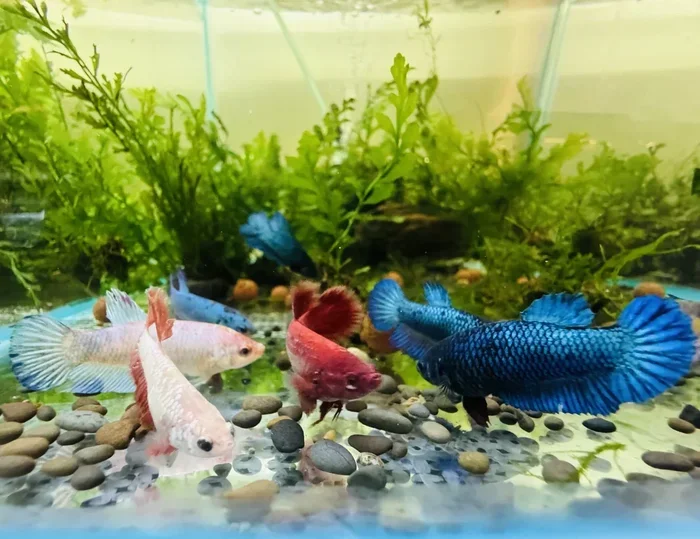
Learning how to make money selling betta fish can turn your hobby into a real income stream. With the right setup, knowledge of betta fish varieties, and smart marketing, you can earn consistent profit from selling betta fish online or locally. This guide covers everything from breeding basics to finding buyers.
Key Takeaways
- Start small and scale: Begin with a few tanks and expand as you learn and earn more from selling betta fish.
- Quality matters most: Healthy, colorful betta fish sell faster and command higher prices in the betta fish market.
- Know your fish varieties: Understanding different betta fish species and colors helps you target the right buyers.
- Proper care drives profit: Excellent betta fish care reduces losses and keeps your fish breeding business running smoothly.
- Multiple sales channels: Use online platforms, local fish stores, and social media to maximize your profit from fish selling.
- Breeding is the foundation: Mastering betta fish breeding gives you a steady supply of fish to sell.
📑 Table of Contents
- How to Make Money Selling Betta Fish: A Complete Guide
- Why Selling Betta Fish Is a Great Business Idea
- Getting Started: Setting Up Your Betta Fish Business
- Breeding Betta Fish: The Foundation of Your Income
- Pricing Your Betta Fish for Maximum Profit
- Finding Buyers and Selling Channels
- Common Mistakes to Avoid When Selling Betta Fish
- Scaling Your Betta Fish Business
- Expert Insights on Building a Profitable Betta Business
- Conclusion: Your Path to Making Money Selling Betta Fish
How to Make Money Selling Betta Fish: A Complete Guide
The aquarium hobby is booming, and selling betta fish is one of the most accessible ways to earn money from home. Betta fish are some of the most popular freshwater fish in the world. Their bright colors, flowing fins, and unique personalities make them a favorite among fish lovers. Whether you are a beginner or an experienced hobbyist, there is real money to be made in this niche.
This guide will walk you through everything you need to know about how to make money selling betta fish. We will cover breeding, pricing, finding buyers, and avoiding common mistakes. By the end, you will have a clear roadmap to building your own profitable fish breeding business.
If you want to learn more about raising healthy bettas before you start selling, check out this helpful resource on how to raise a betta fish. It gives you the foundational knowledge you need to keep your fish healthy and ready for sale.
Why Selling Betta Fish Is a Great Business Idea
There are many reasons why selling betta fish is a smart move. First, the startup costs are low. You do not need a huge facility or expensive equipment. A few tanks, a good filter, and some basic supplies are enough to get started. This makes it one of the easiest profit from fish selling opportunities available.
Second, demand is high. Betta fish are sold in pet stores, online marketplaces, and fish forums. People love them for their beauty and relatively easy care. Third, the margins can be solid. A single high-quality betta fish can sell for $15 to $50 or even more. Rare color morphs and show-grade specimens can fetch even higher prices.
Let us look at some key reasons this business works so well:
- Low overhead costs compared to other animal businesses
- High demand in the global betta fish market
- Small space requirements — you can start in a spare room
- Flexible schedule — you work at your own pace
- Growing online market for online fish sales
How Much Can You Really Earn?
Your earnings depend on several factors. The number of tanks you run, the quality of your fish, and your pricing strategy all play a role. A hobbyist with 10 to 20 breeding tanks can realistically earn a few hundred dollars per month. Larger operations with 50 or more tanks can bring in over $1,000 monthly. The key is to scale gradually and learn as you go.
Proper betta fish care is essential to maintaining profitability. Sick or unhealthy fish lead to losses and bad reviews. If you want to keep your operation running smoothly, understanding betta fish health basics is critical. You can learn more about this in our guide on how to make your betta fish healthy again.
Getting Started: Setting Up Your Betta Fish Business
Before you start selling betta fish, you need a solid setup. This section covers the basics of equipment, space, and planning. Taking these steps seriously will save you time and money down the road.
Essential Equipment
You do not need a lot to begin. Here is a basic checklist:
- 5-gallon to 10-gallon tanks (start with at least 3 to 5)
- Filters suitable for small tanks
- Heaters to maintain stable water temperature
- Water test kits (pH, ammonia, nitrite, nitrate)
- Net, buckets, and basic cleaning tools
- Breeding boxes or divider grids
- Lighting for viewing and photo purposes
If you are on a tight budget, you can also build some equipment yourself. For example, you can learn how to make your betta fish tank warmer using simple methods that save money while keeping your fish comfortable.
Choosing the Right Space
Pick a quiet area with stable temperatures. Avoid direct sunlight, which can cause algae blooms. A spare room, basement, or garage works well. Make sure the space has good ventilation and access to electrical outlets. You will also want room for water changes and storage.
Legal Considerations
Check your local regulations about selling live animals. Some areas require permits or licenses. Also, if you plan to ship fish, understand the shipping regulations for your region. Staying on the right side of the law protects your business and your reputation.
Breeding Betta Fish: The Foundation of Your Income
Betta fish breeding is the backbone of any fish breeding business. Without a steady supply of healthy fry, you cannot sustain sales. Let us break down the breeding process step by step.
Selecting Breeding Pairs
Choose healthy, mature bettas that are at least 6 months old. Look for strong color, active behavior, and no signs of disease. Males and females should be similar in size. You want to produce fry that inherit the best traits — this is where understanding betta fish genetics becomes important.
For tips on improving color and overall quality, our article on how to make betta fish colorful offers practical advice that can help your breeding stock look their best.
The Breeding Process
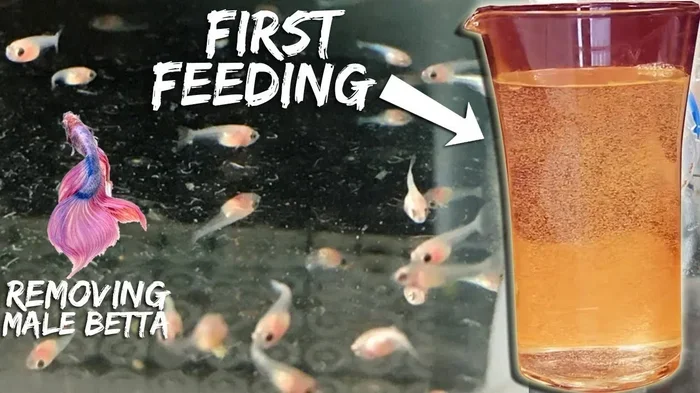
Male bettas build bubble nests when they are ready to breed. Introduce the female carefully using a divider. Watch for signs of aggression. Once the male builds a proper nest, remove the female and let him tend to the eggs. After hatching, remove the male to prevent him from eating the fry.
Raising Betta Fry
Newly hatched fry need infusoria or liquid fry food for the first few days. As they grow, you can introduce baby brine shrimp. Keep the water clean and warm. Within 2 to 3 months, your fry will be ready to sell if they are healthy and show good color. This is where your betta fish fry become your main product.
Quick Tips for Successful Breeding
- Maintain water temperature between 78°F and 82°F
- Feed parents high-quality food before breeding — you can learn how to make betta fish food at home for a cost-effective option
- Use separate tanks for breeding and growing
- Track your breeding pairs and their offspring
- Never rush the process — patience leads to better results
Pricing Your Betta Fish for Maximum Profit
Knowing how to price your betta fish species is crucial. Price too low and you lose money. Price too high and buyers go elsewhere. Let us look at what affects pricing and how to find the sweet spot.
Factors That Affect Price
- Color and pattern: Rare colors like butterfly, dragon, and candy are more valuable
- Fin type: Halfmoon, plakat, and crowntail varieties have different price points
- Size and age: Larger, mature fish usually sell for more
- Health: Active, disease-free fish command premium prices
- Show quality: Fish with excellent symmetry and color saturation sell for top dollar
Comparison: Betta Fish Price Ranges
The following table gives you a general idea of what different types of bettas sell for in the market:
| Betta Type | Price Range |
|---|---|
| Common Plakat | $5 – $15 |
| Veiltail | $10 – $25 |
| Halfmoon | $15 – $40 |
| Crowntail | $15 – $35 |
| Dragon Scale | $25 – $60 |
| Butterfly | $30 – $75 |
| Show-Grade Specimens | $50 – $150+ |
Setting Competitive Prices
Research what other sellers charge on platforms like eBay, Aquabid, and Facebook Marketplace. Start slightly below market rate if you are new to online fish sales. As your reputation grows, you can raise prices. Always factor in your costs — food, water treatment, shipping supplies, and time.
For more on understanding betta fish value and quality, our guide on how to make your betta fish stronger can help you produce fish that stand out from the competition and justify higher prices.
Finding Buyers and Selling Channels
Knowing how to sell is just as important as knowing how to breed. There are many channels available for online fish sales and local selling. Let us explore the best options.
Online Marketplaces
Platforms like eBay, Etsy, and Aquabid are great for reaching a wide audience. Facebook Marketplace and Instagram are also effective. Create clear listings with high-quality photos. Show the fish from multiple angles and include details about color, size, age, and health status.
Local Fish Stores
Visit local fish shops and ask if they buy bettas from local breeders. Some stores prefer working with local suppliers because shipping is risky. Building relationships with store owners can lead to consistent wholesale orders.
Fish Forums and Communities
Online fish forums are filled with enthusiasts who love buying rare and high-quality fish. Sites like Badman’s Tropical Fish Forum and BettaFishForum have buy/sell sections. These communities value quality and are willing to pay more for well-bred specimens.
Social Media Marketing
Use platforms like Instagram, TikTok, and YouTube to showcase your fish. Post regular photos and videos of your breeding setup, your fish, and your process. People love behind-the-scenes content. A strong social media presence builds trust and brings buyers directly to you.
Local Expos and Events
Fish expos and aquarium club events are excellent places to sell fish in person. You can also network with other breeders and enthusiasts. These events often attract serious buyers willing to pay top prices for quality stock.
Common Mistakes to Avoid When Selling Betta Fish
Even experienced sellers make mistakes. Here are some common pitfalls and how to avoid them.
Overbreeding Without Planning
Breeding too many fish without a sales plan leads to overcrowded tanks and losses. Always have a buyer list or a sales strategy before you start a new batch of betta fry.
Ignoring Water Quality
Poor water conditions are the number one killer of betta fish fry. Test your water regularly and do partial water changes. Clean tanks lead to healthy fish and happy customers.
Underestimating Shipping Risks
Shipping live fish is stressful and risky. Use insulated boxes, heat packs or cold packs depending on the weather, and fast shipping. Always offer guarantees to build buyer trust. If you are unsure about shipping, start with local sales first.
Poor Photography
Your photos sell your fish online. Use natural light, a clean background, and take photos from multiple angles. Blurry or dark photos make even beautiful fish look unappealing.
Not Disclosing Health Issues
Always be honest about your fish. If a betta has a minor fin tear or slight color difference, mention it. Honesty builds long-term customer relationships and repeat buyers. For advice on keeping your fish in top shape, read our guide on how to properly take care of betta fish.
Neglecting Customer Service
Respond to inquiries quickly. Provide detailed care instructions with every sale. Follow up after shipping. Happy customers become repeat buyers and refer others to you. This is the foundation of a successful fish breeding business.
Scaling Your Betta Fish Business
Once you are consistently selling and earning profit, you may want to grow. Scaling requires careful planning and investment. Here is how to do it right.
Expand Gradually
Add 2 to 3 tanks at a time. Do not double your operation overnight. Each new tank needs monitoring, and you need time to adjust your routine. Rushing leads to mistakes and fish losses.
Invest in Better Equipment
As you grow, upgrade your filters, heaters, and water testing tools. Better equipment means better water quality and healthier fish. This directly impacts your betta fish market value and customer satisfaction.
Diversify Your Offerings
Consider offering betta food, tank accessories, or breeding kits alongside your fish. This adds extra income streams and makes your business more resilient. You could also offer breeding consultations or online courses for aspiring breeders.
Build a Brand
Create a logo, a simple website, and consistent social media branding. A professional image sets you apart from casual sellers. People trust and pay more for brands they recognize. Your brand should reflect quality, care, and expertise in raising betta fish.
Keep Learning
The betta fish market evolves constantly. New color mutations appear, care techniques improve, and buyer preferences shift. Stay informed by reading forums, watching YouTube channels, and connecting with other breeders. The more you know, the more profitable your operation becomes.
Expert Insights on Building a Profitable Betta Business
We spoke with experienced breeders to gather some key advice for anyone looking to profit from selling betta fish.
Start with what you know. If you are new to betta fish breeding, begin with common varieties. Learn the basics of care, breeding, and selling before moving to rare and expensive species. Common plakats and veiltails sell quickly and help you build a customer base.
Focus on health above all. One breeder shared, “Healthy fish sell themselves. I would rather lose a sale than send a sick fish to a customer.” This approach builds trust and leads to more referrals over time.
Track everything. Keep detailed records of your breeding pairs, fry survival rates, and sales. Data helps you identify what works and what does not. Over time, this information becomes your most valuable asset for maximizing profit from fish selling.
Conclusion: Your Path to Making Money Selling Betta Fish
Learning how to make money selling betta fish is a journey that rewards patience, effort, and dedication. Start small, focus on quality, and build your reputation one happy customer at a time. The betta fish market is full of opportunity for those willing to put in the work.
Remember to prioritize the health of your fish above quick profits. Provide excellent betta fish care, invest in proper equipment, and always be honest with your buyers. Use multiple sales channels, from online platforms to local fish stores, to reach the widest audience possible.
Whether you want a side income or a full-fledged fish breeding business, the path is clear. Start today, keep learning, and watch your profit from fish selling grow. Your passion for these beautiful creatures can become something truly rewarding.
Frequently Asked Questions
How much money can I make selling betta fish?
Earnings vary based on your operation size and fish quality. A beginner with a few tanks can earn $100 to $300 per month. Experienced breeders with 20 or more tanks can earn $500 to $1,000 or more monthly. Rare color morphs and show-grade specimens earn the highest profits in the betta fish market.
What is the best way to start selling betta fish?
Start by setting up 3 to 5 tanks and mastering betta fish breeding and care. Focus on common, healthy varieties first. Sell on online platforms like eBay, Aquabid, or Facebook Marketplace. Build a customer base and gradually expand as your experience and profits grow.
Do I need any licenses to sell betta fish?
It depends on your location. Some areas require permits or licenses to sell live animals. Check with your local government or fish and wildlife agency. Even if no license is required, following best practices for animal care and shipping builds trust and protects your business.
How do I ship betta fish safely?
Use a sturdy, insulated box with a breathable top. Add a heat pack or cold pack depending on the season. Use fast shipping to minimize stress. Fill the bag with plenty of oxygen and pure ammonia to keep water parameters stable. Always offer a live arrival guarantee to build buyer confidence.
What types of betta fish sell the best?
Common plakats and veiltails are the best sellers for beginners because they are affordable and popular. Halfmoon and crowntail varieties attract intermediate buyers. Rare colors like butterfly, dragon scale, and candy koi are in high demand among collectors and command premium prices in the betta fish market.
How can I make my betta fish more attractive to buyers?
Focus on producing healthy, vibrant, well-colored fish. Provide excellent care from fry to adult stage. Take high-quality photos using natural lighting. Offer detailed descriptions including color, fin type, age, and health status. Follow up with buyers after sales to ensure satisfaction and encourage repeat business.