How to Make My Betta Fish Happier
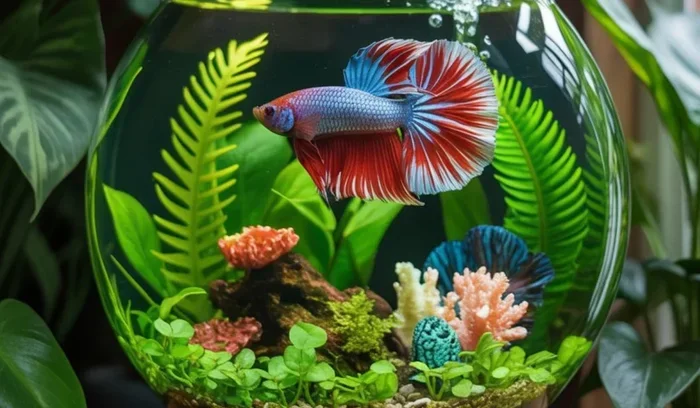
Creating the right environment is the single most important step to make my betta fish happier and healthier every single day. A properly sized tank with warm, clean water, gentle filtration, and plenty of hiding spots can completely transform your betta’s mood and energy levels. Add live plants, gentle tank mates, and a consistent feeding routine, and you will notice your betta becoming more active, colorful, and engaged with its surroundings.
How to Make My Betta Fish Happier
How to make my betta fish happier is a question every betta owner should ask. Your fish may not bark or wag its tail, but it still has feelings. A happy betta fish shows bright colors, active swimming, and a healthy appetite. When your fish looks dull or hides all day, something is off. This guide covers everything you need to know to bring joy back to your betta’s life. You will learn simple steps that make a real difference.
Betta fish are smarter than most people think. They explore their surroundings, recognize their owners, and even build bubble nests when content. But many bettas live in small bowls with no stimulation. That kind of life leads to stress and illness. Making your betta fish happier starts with small changes. You do not need expensive equipment or a biology degree. Just a little time and care go a long way.
Whether you are a new betta parent or a seasoned keeper, this article gives you practical advice you can use today. I will walk you through tank setup, feeding habits, enrichment ideas, and behavior signs. Each tip is easy to follow and backed by real experience. By the end, you will know exactly what your betta needs to thrive.
Key Takeaways
- Make your betta fish happier with consistent, caring routines and proper tank setup.
- Maintain warm water between 78-80°F to keep your betta active and healthy.
- Provide a spacious tank of at least 5 gallons to reduce stress.
- Feed high-quality pellets twice daily, avoiding overfeeding for better digestion.
- Add live plants and hiding spots to mimic their natural habitat.
- Keep the tank clean with regular water changes to prevent illness.
- Observe your fish daily to catch early signs of stress or disease.
📑 Table of Contents
Understanding What Makes a Betta Fish Happy
Before you change anything, you need to understand what happiness looks like for a betta fish. Happy bettas behave very differently from stressed ones. Learning these signs helps you know if your current setup is working.
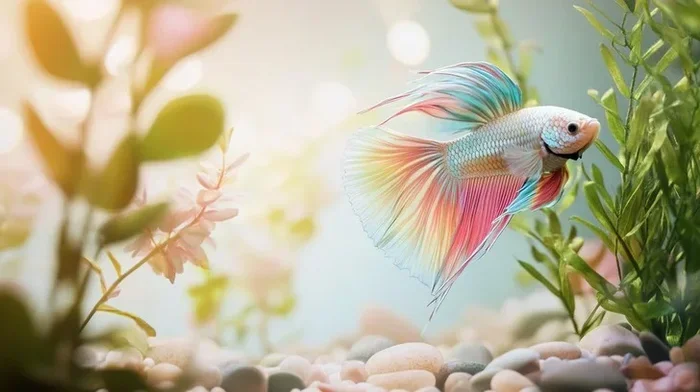
A happy betta fish will swim around the tank with purpose. It explores every corner and interacts with you at the glass. The colors stay vibrant and bold. The fins flow gracefully instead of clamping shut. You will also notice a healthy appetite and regular bubble nest building.
On the flip side, a stressed betta hides in corners, loses color, or stops eating. These are stress signs you should never ignore. Understanding betta fish behavior helps you catch problems early. The sooner you act, the faster your fish recovers.
Signs of a Happy Betta Fish
- Bright, vivid colors on the body and fins
- Active swimming throughout the tank
- Healthy appetite and eager feeding response
- Regular bubble nest building
- Fins spread open and flowing naturally
- Curiosity about surroundings and tank decorations
Signs of an Unhappy or Stressed Betta
- Faded or dull coloring
- Hiding in corners or under decorations
- Refusing food or eating very little
- Clamped fins held close to the body
- Rapid breathing or gasping at the surface
- Lethargy and lack of movement
If you notice several of these stress signs, do not panic. Most causes of betta fish unhappiness are easy to fix. The key is paying attention and making adjustments quickly.
Setting Up the Perfect Tank Environment
The tank environment is the foundation of betta fish happiness. A poorly set up tank causes stress every single day. Getting this right changes everything for your fish.
Many people keep bettas in tiny bowls. That might look cute, but it is cruel. Bettas need space to swim and explore. A tank of at least 5 gallons gives your fish room to move. Smaller tanks cause rapid water quality drops, which stress your betta out fast.
Temperature matters a lot too. Bettas are tropical fish. They need water between 76 and 82 degrees Fahrenheit. Cold water makes them sluggish and sick. A small heater keeps the temperature stable. How to keep my betta fish warm without a heater is a common search, but a proper heater is the safest option.
Tank Size and Setup
Start with a 5-gallon tank minimum. Add a gentle filter that does not create strong currents. Bettas are not strong swimmers. A powerful filter will tire them out quickly. Use soft substrate like sand or fine gravel. Add live or silk plants for hiding spots and exploration.
Include a few open swimming areas too. Bettas love to glide through open water. Balance is key between plants and open space. This setup mimics their natural habitat and makes them feel safe.
Water Quality and Maintenance
Clean water is non-negotiable for a happy betta. How to make water for betta fish starts with treating tap water. Use a water conditioner to remove chlorine and heavy metals. Test the water regularly for ammonia, nitrite, and nitrate levels.
Do partial water changes every week. Replace about 25 percent of the water. This keeps toxins low without disrupting the beneficial bacteria in your tank. How to change my betta fish water should become a regular routine. Your betta will thank you with brighter colors and more energy.
Feeding for Happiness and Health
Food is more than just fuel for your betta. The right diet boosts mood, color, and overall well-being. A betta fish diet rich in variety keeps your fish engaged and healthy.
Many owners feed their bettas the same cheap flakes every day. That is not enough. Bettas are carnivores. They need protein-rich food. High-quality betta pellets form the base of a good diet. But you should add variety too.
Feed your betta 2 to 3 pellets twice a day. Do not overfeed. Excess food pollutes the water and causes health problems. Skip one feeding day per week. This helps their digestive system stay clean and healthy.
Best Foods for Betta Fish
- High-protein betta pellets or flakes
- Frozen or live brine shrimp
- Bloodworms as an occasional treat
- Daphnia for digestive health
- Mosquito larvae (a natural favorite)
Variety in diet also stimulates your betta mentally. Chasing live food or watching it sink mimics natural hunting behavior. This kind of betta fish enrichment through feeding keeps your fish mentally sharp and curious.
If your betta suddenly stops eating, that is a red flag. Check the water parameters first. Dirty water often causes appetite loss. If the water is fine, consider offering a different food type. Why doesn’t my betta fish want to eat is a common concern, and diet variety often solves it.
Enrichment Activities and Mental Stimulation
Bettas get bored too. A bare tank with nothing to do is a recipe for depression. Adding enrichment activities transforms your betta’s daily life. Mental stimulation keeps your fish active and curious.
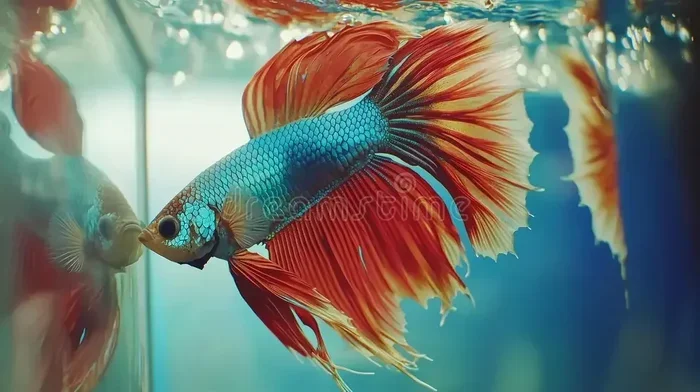
How to make betta fish happier often comes down to simple additions. A mirror placed briefly near the tank can trigger natural flaring behavior. Bettas love to show off their fins. Just do not leave the mirror in too long. A few minutes a couple of times a week is enough.
Tank decorations also play a big role. Add caves, tunnels, and plants for your betta to explore. Betta fish enjoy rearranging their environment. They will move small decorations around. This natural behavior gives them a sense of control and purpose.
Interactive Enrichment Ideas
- Place a mirror near the tank for short sessions
- Add floating plants for your betta to rest under
- Use a betta log or leaf hammock for resting
- Introduce safe tank ornaments with tunnels
- Move decorations slightly to create new exploration paths
Some owners even train their bettas to follow their finger or eat from their hand. This builds trust and provides mental stimulation. How to teach your betta fish to do tricks takes patience but creates a stronger bond between you and your fish.
Another great enrichment method is adding a betta-friendly tank mate. A small snail or a few peaceful shrimp can give your betta something to watch. Just make sure the tank is large enough and your betta is not aggressive. How to make your betta fish stronger includes both physical health and mental resilience.
Monitoring Your Betta’s Mood and Behavior
Watching your betta daily is one of the best things you can do. You will learn what is normal for your fish. Any sudden changes in behavior tell you something is wrong.
Spend a few minutes each day observing your betta. Watch how it swims, what it eats, and how it interacts with the environment. Keep a simple log if you want. Tracking behavior patterns helps you spot problems before they become serious.
Color changes are one of the most telling signs. A betta fish change color can happen for many reasons. Stress, illness, or even aging can cause fading. But a happy betta will show intense, vibrant colors when it feels safe.
Creating a Betta Happiness Checklist
Use this simple checklist to evaluate your betta’s well-being weekly:
- Is the water temperature between 76 and 82 degrees Fahrenheit?
- Are ammonia and nitrite levels at zero?
- Is your betta eating normally?
- Are the colors bright and vivid?
- Is your betta swimming actively?
- Are fins open and flowing?
- Is the tank clean with fresh water?
If you answer yes to all of these, your betta is likely very happy. If not, check the areas that need attention first. Small adjustments create big improvements over time.
Sometimes happiness issues run deeper. A betta that hides constantly or shows no interest in anything may be dealing with betta fish depression. In those cases, how to cure my betta fish depression requires a closer look at water quality, tank setup, and potential illness. Do not hesitate to act if your fish seems truly down.
Common Mistakes That Make Betta Fish Unhappy
Even well-meaning owners make mistakes that affect their betta’s happiness. Knowing what to avoid saves you a lot of trouble. Here are the most common errors people make.
First, keeping the tank too small. A bowl or a 1-gallon tank is not enough. Bettas need room to swim and explore. Tiny tanks also lose heat fast and spike in toxins quickly. This constant stress wears your fish down over time.
Second, skipping water changes. Even with a filter, waste builds up. Dirty water causes ammonia poisoning, which is painful and sometimes fatal. How to clean my betta fish bowl or tank should happen regularly. Weekly partial changes keep the environment safe and fresh.
Third, overfeeding. It is tempting to give your betta lots of food because they seem so hungry. But overfeeding causes bloating, constipation, and dirty water. Stick to a consistent feeding schedule and skip one day each week.
Fourth, placing the tank in a bad spot. Direct sunlight causes temperature swings and algae blooms. A tank near a drafty window or loud TV creates stress. Find a calm spot with indirect light and stable temperature.
Quick Tips to Avoid Common Mistakes
- Upgrade to at least a 5-gallon tank if you have not already
- Use a water conditioner every time you add new water
- Feed small amounts twice a day, not one large meal
- Keep the tank away from direct sunlight and drafts
- Test water parameters at least once a week
- Do not add aggressive tank mates to a betta tank
Avoiding these mistakes alone will make your betta much happier. Most betta owners do not realize how many small factors add up to a big impact on their fish’s quality of life.
Key Takeaways
How to make my betta fish happier comes down to a few core principles. Give your betta a spacious, clean tank with stable water conditions. Feed a varied, protein-rich diet in proper amounts. Add enrichment activities to keep their mind active. Watch their behavior closely and respond to changes quickly. Avoid the common mistakes that cause stress and illness.
A happy betta fish brings so much joy to your home. Their bright colors and playful behavior are rewards for your care. When you invest time in their well-being, you build a bond that lasts for years. Your betta may not speak, but it shows its happiness every day through bright colors, active swimming, and a healthy appetite.
Start with one or two changes today. Maybe upgrade the tank size or improve your water change routine. Small steps lead to big results. Your betta fish deserves a life that is not just survivable but truly joyful. Making your betta fish happier is one of the most rewarding parts of fish keeping. Enjoy the journey and watch your betta thrive.
Frequently Asked Questions
How can I make my betta fish happier in a small tank?
Add live plants, hiding spots, and gentle lighting to create a cozy environment. Keep the water clean and maintain a stable temperature between 78–80°F. A well-planted small tank can make a huge difference in your betta’s mood and overall health.
What signs show that my betta fish is happy and healthy?
A happy betta will have vibrant colors, swim actively, and build bubble nests regularly. Its fins should be open and flowing, not clamped or torn. If your fish responds to you at the tank glass, that is a great sign of a content and curious betta.
Do betta fish get lonely, and how can I keep them happier?
Betta fish are solitary creatures and usually do not need tank mates to be happy. However, you can keep them stimulated with decorations, mirrors (used briefly), and interactive feeding. A rich environment with things to explore helps prevent boredom and keeps your betta fish happier over time.
What is the best diet to keep my betta fish happier and more active?
Feed a varied diet of high-quality betta pellets, frozen bloodworms, and occasional daphnia. Avoid overfeeding, as this can cause bloating and lethargy. A balanced diet brings out their natural colors and gives them the energy to swim and explore happily.
Does tank size affect how happy my betta fish feels?
Yes, a larger tank with stable water parameters makes a betta fish significantly happier. A 5-gallon tank or bigger gives your fish room to swim and explore freely. Small bowls often lead to stress, which can shorten your betta’s lifespan and dull their colors.
Can I add plants and decorations to make my betta fish happier?
Absolutely. Live or silk plants, caves, and driftwood give your betta places to hide and claim as territory. These additions reduce stress and encourage natural behaviors like exploring and nesting. Just make sure decorations have smooth edges to protect your betta’s delicate fins.