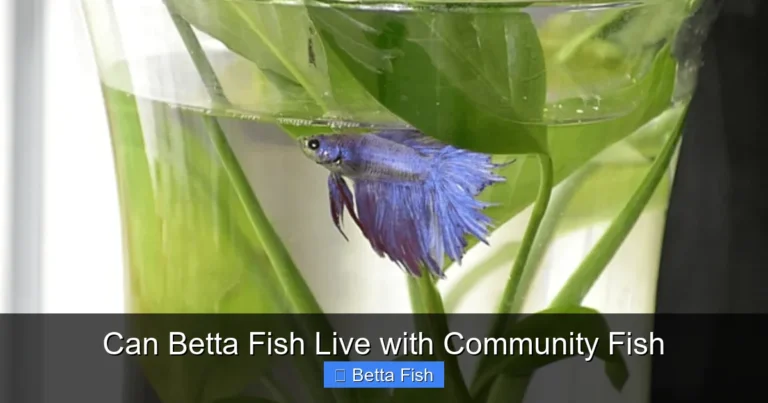
Where Can I Find Betta Fish
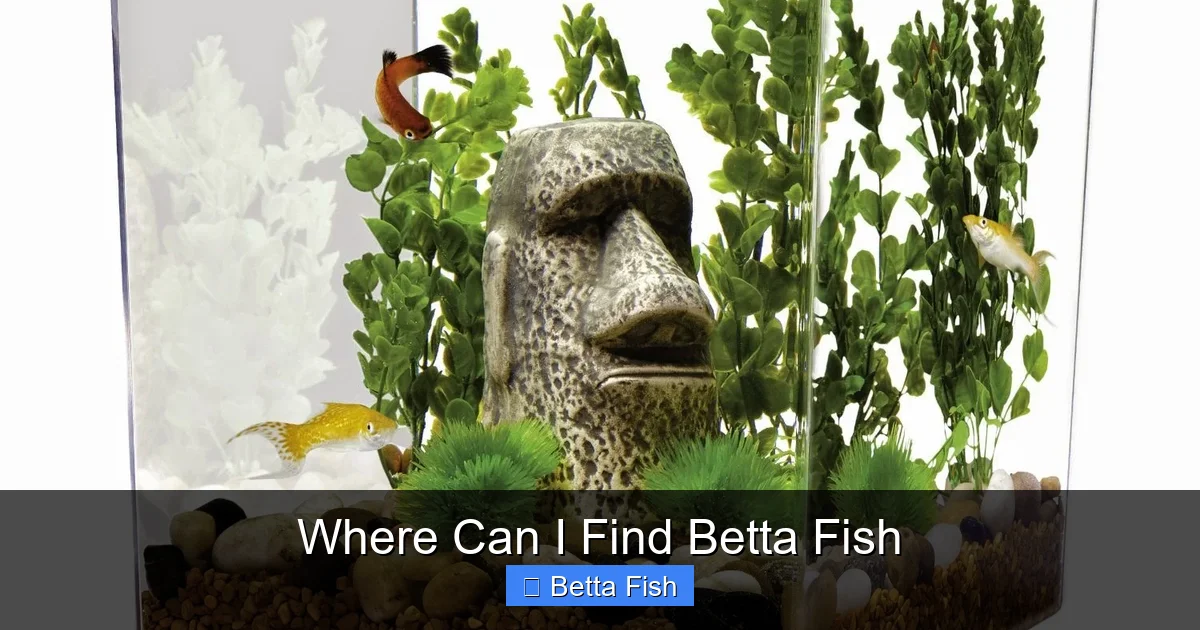
Finding the right Betta fish starts with knowing where to look. You can purchase Bettas from local pet stores, specialized aquarium shops, reputable online breeders, or adopt from rescues. The key is to prioritize a healthy source that provides proper care information. Always inspect the fish for signs of illness and ask about its history before bringing your new aquatic companion home.
Key Takeaways
- Local pet stores offer convenience but vary widely in fish health and staff knowledge. Big-box retailers are often the least recommended due to poor conditions.
- Specialized local fish stores (LFS) and dedicated breeders are typically the best sources. They provide expert advice, healthier stock, and often quarantine new arrivals.
- Online retailers and breeders provide access to specific varieties but carry shipping risks. Choose sellers with excellent live-arrival guarantees and transparent practices.
- Betta fish rescues are a compassionate and ethical alternative to buying. They often have adult Bettas in need of homes and provide support for adopters.
- Always perform a thorough health check on any Betta before purchase or adoption. Look for vibrant color, active swimming, undamaged fins, and clear eyes.
- Asking the right questions is crucial. Inquire about the fish’s age, water parameters, feeding routine, and any recent health issues at the source.
📑 Table of Contents
- Introduction: Your Journey to Finding the Perfect Betta
- Local Pet Stores and Big-Box Retailers
- Specialized Aquatic Shops and Local Breeders
- Online Retailers and Breeders
- Betta Fish Rescue and Adoption
- What to Look For: The Critical Health Check
- Setting Up for Success Before You Buy
- Conclusion: Choosing Your Companion with Confidence
Introduction: Your Journey to Finding the Perfect Betta
So, you’ve decided to welcome a Betta fish into your life. Congratulations! These vibrant, personality-filled fish, also known as Siamese fighting fish, can make wonderfully rewarding pets. But before you can enjoy their flowing fins and curious antics, you face the most critical first step: where can I find betta fish? The answer isn’t as simple as pointing to the nearest store. The source you choose will profoundly impact your new pet’s health, temperament, and ultimately, your enjoyment of the hobby.
The modern Betta owner has more options than ever. You can walk into a large chain store, visit a passionate local hobbyist, click a few buttons online, or even provide a forever home to a fish in need. Each path has its own set of advantages, pitfalls, and considerations. Navigating this landscape is key to finding a healthy, happy Betta that will thrive with you for years—sometimes even a decade—to come. This guide will walk you through every available avenue, arming you with the knowledge to make a safe, ethical, and smart choice.
Local Pet Stores and Big-Box Retailers
This is the most common and accessible starting point for most people. The bright displays of Betta fish in small cups at large chain pet stores are iconic. But convenience often comes at a significant cost to the fish’s welfare.
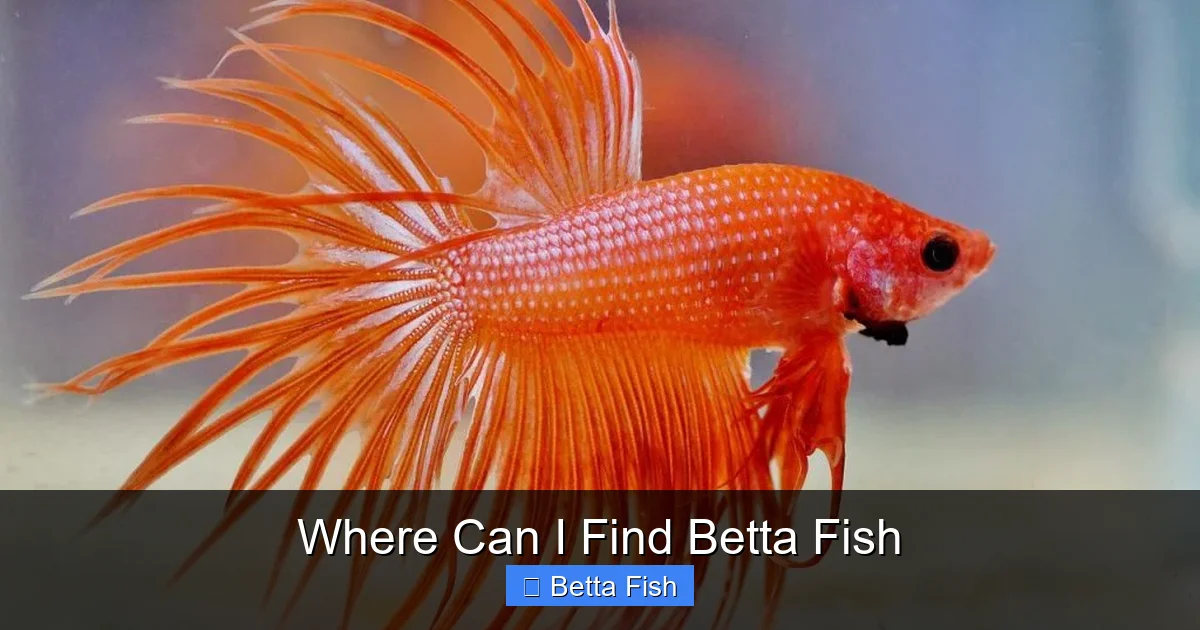
Visual guide about Where Can I Find Betta Fish
Image source: japanesefightingfish.org
The Reality of the “Cup” Display
Traditionally, Bettas are sold in small, isolated containers due to their territorial nature. While this prevents fighting, the conditions in many big-box stores are notoriously poor. Fish may be kept in cold, dirty water, with inadequate heating and no filtration. They are often over-fed by well-meaning customers, leading to poor water quality. Staff are generally not trained in fish health, and sick fish can be left untreated, spreading disease to new arrivals. The Bettas you see are frequently stressed, listless, and may have torn fins or fungal infections. Purchasing from these stores supports a system of neglect and can start your relationship with your new pet on a very shaky foundation.
When a Local Store Might Be Acceptable
Not all local stores are created equal. Some independent pet shops take genuine pride in their aquatic departments. Look for these positive signs:
- Clean, well-maintained display tanks with proper filtration and heating.
- Healthy, active Bettas with full, undamaged fins and vibrant colors.
- Knowledgeable staff who can answer questions about Betta care, water parameters, and tank setup.
- Separation of new arrivals for a quarantine period to prevent disease spread.
If you find a local shop like this, it can be a convenient and supportive resource. Build a relationship with them; they can become a valuable source of advice and supplies.
Specialized Aquatic Shops and Local Breeders
For the dedicated Betta enthusiast, this is the gold standard. These are the sources run by people who are not just selling fish; they are passionate about them.
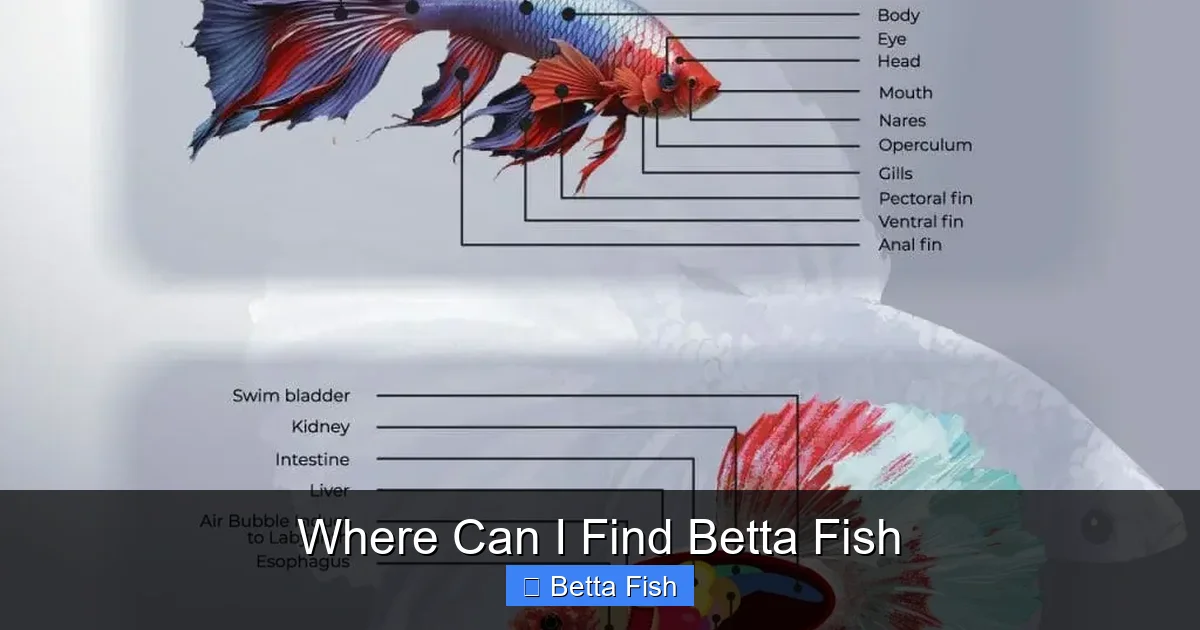
Visual guide about Where Can I Find Betta Fish
Image source: ekk4j69ebaa.exactdn.com
The Advantages of a Dedicated Local Fish Store (LFS)
A true LFS differs from a general pet store in almost every way. The owners and employees are aquarists first. They understand the specific needs of Bettas.
- Superior Husbandry: Bettas are typically kept in larger, filtered, heated systems, not solitary cups. They are fed high-quality food and water changes are frequent.
- Expert Knowledge: You can ask detailed questions about genetics, fin types (like Halfmoon, Plakat, Dumbo Ear), and care. They can tell you about a specific fish’s personality.
- Health Guarantees: Many reputable LFSs offer a short guarantee (24-72 hours) if the fish arrives sick or dies unexpectedly, acknowledging the stress of transport.
- Community Hub: These shops are centers for the local hobby. You might find out about club meetings, shows, or other breeders through them.
Finding and Vetting a Local Breeder
This is the most direct route. A local breeder raises the fish themselves, often in home-based setups. They have intimate knowledge of each fish’s lineage and health from day one.
How to find one: Search online for “Betta breeder [Your City/State]”, ask at a high-quality LFS, or check social media groups and forums for local hobbyists.
What to ask a breeder:
- Can I see the parent fish and their setup?
- What is your water change and maintenance routine?
- How old are the Bettas you sell?
- Do you quarantine new fish in your own stock?
- What do you feed your fry and adults?
A good breeder will welcome these questions, be proud of their operation, and may even let you choose a specific fish based on temperament. They are invested in the fish’s future and will often provide detailed care sheets and post-sale support.
Online Retailers and Breeders
The internet has revolutionized access to specialty Bettas. You can now order a stunning, show-quality Halfmoon from across the country or even the world. This convenience, however, introduces the significant variable of shipping.
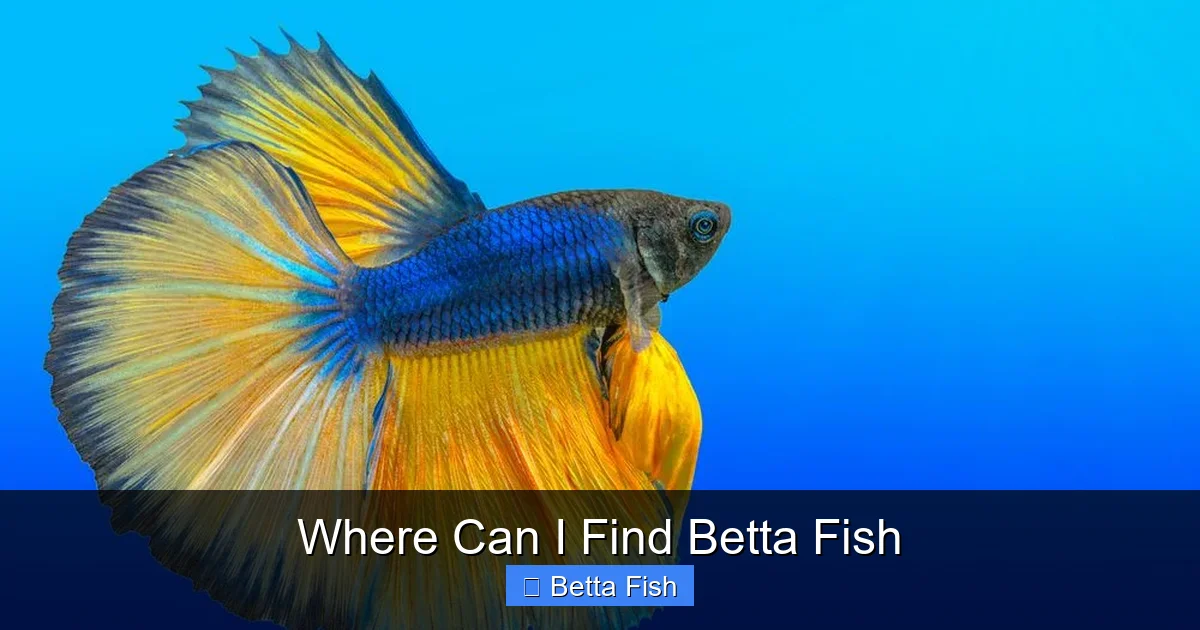
Visual guide about Where Can I Find Betta Fish
Image source: modestfish.com
The Allure and Risk of Shipping
Online sellers offer unparalleled variety: rare colors, giant Bettas, and specific fin types you’ll never see locally. The process is standardized: you order, the seller bags the fish with pure oxygen, packs it in a insulated box with heat or cold packs, and ships via overnight or 1-2 day priority mail.
The risks are real: Delays, extreme weather, and rough handling can be fatal. A healthy fish in excellent condition has a high survival rate, but a stressed or marginally healthy fish may not make it. This is why the seller’s reputation and shipping protocol are everything.
How to Choose a Reputable Online Seller
Do not buy from just any website. Treat this with the seriousness of choosing a surgeon.
- Read Reviews Relentlessly: Look for reviews on independent forums (like Fishlore, Seriously Fish), not just the site’s own testimonial page. Search for “[Seller Name] review” and “[Seller Name] shipping experience.”
- Examine Their Policies: A good seller has a clear, fair Live Arrival Guarantee (LAG). It should state they will replace or refund a fish that arrives dead (DOA) if you provide clear photo evidence within a set timeframe (e.g., 2 hours of arrival). Be wary of sellers with no guarantee or vague terms.
- Look for Transparency: They should have clear photos and videos of their fish, their breeding setups, and their packing process. They should describe their fish accurately, including any minor flaws.
- Communication is Key: Ask questions before buying. How do they select fish for shipping? What is their average shipping time? Do they ship year-round, or have weather restrictions? Their answers will tell you everything.
Some of the most respected names in the online Betta world are smaller, hobbyist-run operations. They have a reputation to protect and a genuine love for the fish. Supporting them often means getting a better, healthier fish.
Betta Fish Rescue and Adoption
This is a path many newcomers overlook but is one of the most rewarding and ethical choices. Bettas, especially the beautiful but often poorly cared-for males in cups, end up in rescues and shelters.
Why Rescue is a Wonderful Option
- Save a Life: You are directly giving a second chance to a fish that may have been neglected or abandoned.
- Often Lower Cost: Adoption fees are typically much lower than purchase prices, and they usually include the fish and sometimes a starter kit.
- Support a Good Cause: You support the vital work of volunteers who rehabilitate these fish.
- Adult Personalities: You often get an adult fish with a known personality, rather than a juvenile whose traits are still developing.
Finding a Betta Rescue
These are not typically physical shelters you visit. They are often network-based, foster-home operations.
- Search for “Betta fish rescue [Your State/Country]” or “aquatic animal rescue“.
- Check with local humane societies and animal shelters; some take in fish.
- Look on social media platforms like Facebook; there are many dedicated Betta rescue groups that post available fish.
The process usually involves filling out an application, answering questions about your experience and tank setup, and sometimes a home check (photo/video of your prepared tank). This ensures the fish goes to a suitable, permanent home. Be prepared to provide a cycled, heated tank with a filter—rescues will not adopt to someone planning to use a bowl.
What to Look For: The Critical Health Check
Regardless of your source, your ability to assess a Betta’s health is your most important skill. This is non-negotiable. A sick fish can introduce disease to your entire aquarium, leading to heartbreak and expense.
The Visual Inspection: A Step-by-Step Guide
When you look at a Betta, be methodical. Do this in good light if possible.
- Body and Color: The body should be torpedo-shaped and firm, not bloated or emaciated. Color should be rich and even. Faded, pale, or patchy color can indicate stress, illness, or poor genetics. Look for any unusual spots, growths, or cotton-like fuzz (fungus).
- Fins: This is a major red flag area. Fins should be full, flowing, and undamaged. Tears, holes, ragged edges, or a “melted” appearance are signs of fin rot. Fins clamped tightly to the body indicate severe stress or illness.
- Eyes: They should be clear, bright, and bulging. Cloudy, gray, or sunken eyes are a bad sign.
- Gills: Gills should open and close evenly. Rapid, labored breathing (gasping) at the surface or on the tank bottom is a sign of poor water quality or gill disease.
- Behavior: The fish should be alert and active, exploring its space or responding to your presence. A Betta that is listless, floating upside down, sinking and not swimming, or hiding constantly is sick or severely stressed.
Asking the Right Questions of the Seller
Your eyes can only tell you so much. You must ask about the fish’s history.
- “How long have you had this fish?” A newly arrived fish is under immense stress and may be incubating disease.
- “What are the water parameters here?” (pH, Ammonia, Nitrite, Nitrate). A reputable source will know and maintain stable water.
- “What do you feed and how often?” A varied diet of quality pellets, frozen, or live foods is ideal.
- “Has this fish shown any signs of illness?” Trust, but verify with your inspection.
- “Do you quarantine new arrivals?” A “yes” is a huge positive, meaning they separate new fish for 2-4 weeks to observe for disease before adding them to their display systems.
If a seller is evasive, doesn’t know the answers, or discourages questions, walk away. This is true for both local shops and online vendors.
Setting Up for Success Before You Buy
You should never, ever bring a Betta home without its tank being fully prepared and cycled. This is the single biggest mistake new owners make, leading to “new tank syndrome” and fish death within weeks.
The Essential Betta Setup
Forget the myth of the “bowl.” A Betta needs a proper aquarium.
- Tank Size: Minimum 5 gallons. This provides stable water parameters and room to explore.
- Heater: Absolutely essential. Bettas are tropical fish needing a constant 78-80°F (25.5-26.5°C). A 25-50 watt adjustable heater with a thermostat is necessary.
- Filter: A gentle filter is required to cycle the tank and keep ammonia/nitrite at zero. A sponge filter is ideal—it provides biological filtration and gentle flow that won’t damage delicate fins.
- Heater & Filter: These are not optional. They are the foundation of health.
- Cover: Bettas are labyrinth fish and need access to surface air. They are also notorious jumpers. A secure lid is mandatory.
- Decor: Provide plants (silk or live), caves, and other hiding spots to reduce stress. Avoid sharp decorations that can tear fins.
The Nitrogen Cycle: Your Tank’s Biological Foundation
This is the most critical pre-purchase task. The “cycle” is the process of establishing beneficial bacteria that convert toxic fish waste (ammonia) into less harmful nitrates. An uncycled tank will poison your Betta.
You must cycle the tank for 4-6 weeks BEFORE adding the fish. This involves:
- Setting up the tank with filter and heater.
- Adding a source of ammonia (fish food, pure ammonia, or a bacteria starter).
- Testing water regularly with a liquid test kit (API Freshwater Master Test Kit is the industry standard).
- Waiting until the test shows 0 ppm Ammonia, 0 ppm Nitrite, and some Nitrate (the end product).
Only then is the tank safe for your Betta. If you buy a fish and put it in an uncycled tank, you are setting it up to die from ammonia poisoning. Be patient. This wait is the best thing you can do for your future pet’s health.
Conclusion: Choosing Your Companion with Confidence
The question “where can I find betta fish” has a deeply personal answer. There is no single “best” source for everyone. The right choice depends on your values, your location, your budget, and your willingness to invest time in research.
If you prioritize convenience and your local big-box store has a surprisingly clean, well-managed Betta display, that might be a starting point—but proceed with extreme caution and a very critical eye. If you want expertise, variety, and a healthier fish, seek out a dedicated local fish store or breeder. If you are comfortable with the process and shipping, a reputable online breeder can unlock a world of stunning varieties. And if your heart is in saving a life, a rescue will connect you with a fish in desperate need of a proper home.
No matter which path you take, arm yourself with the knowledge from this guide. Learn to spot a healthy fish. Ask probing questions. And above all, never bring a Betta home without a properly cycled, heated, filtered tank waiting for it. Your patience and preparation at the outset will be rewarded with years of joy from one of the most charismatic and beautiful aquatic pets available. Good luck on your journey to find your perfect Betta companion.
Frequently Asked Questions
What should I do if the Betta I bought looks sick when I get it home?
First, immediately photograph the fish in its bag or cup as proof. Contact the seller right away, referencing their live arrival guarantee policy. Do not add the fish to your main tank. Instead, set up a separate, bare “hospital tank” with clean, conditioned water at the correct temperature. Gently acclimate the fish. You may need to begin conservative treatment (like aquarium salt or a mild antibacterial) while you correspond with the seller about a replacement or refund.
Is shipping Betta fish online really safe?
It can be, but it depends entirely on the seller’s experience and the transit conditions. Reputable online breeders use specialized packaging, ship on specific days to avoid weekend delays, and only ship in safe weather temperatures (usually 40°F to 85°F). They also pack the fish in a way that allows it to breathe air (the labyrinth organ). A healthy fish from a top-tier shipper has a very high survival rate, but no shipment is 100% risk-free, which is why a strong live arrival guarantee is essential.
Can I keep a Betta with other fish?
Yes, but with extreme caution. Male Bettas are notoriously territorial with other long-finned, brightly colored fish (other Bettas, Guppies). Suitable tank mates are generally peaceful, fast-moving, and non-nippy. Good options include small schools of peaceful tetras (like Ember or Neon Tetras), Corydoras catfish, and Kuhli loaches. The tank must be a minimum of 20 gallons to provide enough space for territories to form and reduce aggression. Always have a backup plan (a separate tank) if aggression occurs.
How long do Betta fish live, and does the source affect lifespan?
The average Betta lifespan is 3-5 years with excellent care, though some live to 7-10 years. The source absolutely affects potential lifespan. A Betta from a reputable breeder or store that was raised in optimal conditions from a young age has a stronger genetic foundation and immune system. A Betta from a stressful, neglectful source may have permanent health issues or a weakened constitution that shortens its life, no matter how perfect your home aquarium is.
How often should I feed my Betta, and what should I feed it?
Feed your Betta once or twice a day, only what it can consume in 2-3 minutes (usually 2-3 pellets). Overfeeding is a leading cause of poor water quality and constipation. Use a high-quality Betta-specific pellet as the staple diet. Supplement 2-3 times a week with treats like frozen daphnia, bloodworms, or brine shrimp. This varied diet promotes vibrant color and digestive health. Skip feeding one day a week to allow its digestive system to rest.
How often do I need to change my Betta’s water?
In a properly cycled, filtered tank (5+ gallons), perform a 25-30% water change once a week. Use a gravel vacuum to remove waste from the substrate. Always use a dechlorinator to treat tap water before adding it to the tank, and match the temperature as closely as possible. In an uncycled or very small tank (like a 2.5 gallon), you may need 50% changes every other day to prevent toxic ammonia buildup, which is why a cycled, larger tank is strongly recommended.