How to Care for a New Betta Fish
Learning how to care for a new betta fish starts with the right tank setup, clean water, and a proper feeding routine. This guide covers everything you need to know, from choosing the best tank size to maintaining ideal water temperature and preventing common health issues. Whether you are a first-time fish owner or a seasoned hobbyist, these tips will help your new betta thrive in its new home.
Bringing home a new betta fish is exciting. These colorful creatures are beautiful, personality-rich, and surprisingly hardy. But they also have specific needs that many new owners overlook. How to care for a new betta fish properly can mean the difference between a fish that thrives for years and one that struggles in an unhealthy environment.
Betta fish, also known as Siamese fighting fish, originate from the warm, slow-moving waters of Southeast Asia. They need more than just a bowl and some flakes. This guide walks you through every step of betta fish care so your new companion lives a long, healthy life. We will cover tank setup, water preparation, feeding, and common health concerns.
Key Takeaways
- Tank Size Matters: A minimum of 5 gallons gives your betta room to swim and stay healthy.
- Water Quality Is Critical: Always condition tap water and keep parameters stable for your new betta.
- Feeding Balance: Overfeeding is the most common mistake. Feed small amounts once or twice a day.
- Heat and Filtration: A heater and gentle filter mimic your betta’s natural habitat and prevent stress.
- Monitor Health Regularly: Watch for signs of illness early so you can act fast and keep your betta happy.
📑 Table of Contents
- Setting Up the Perfect Tank for Your New Betta
- How to Prepare Water for Your Betta Fish
- Feeding Your New Betta Fish the Right Way
- Maintaining Clean Water and Tank Health
- Recognizing Signs of a Healthy vs. Stressed Betta
- Common Mistakes New Betta Owners Make
- Extending Your Betta’s Lifespan and Quality of Life
- Conclusion
Setting Up the Perfect Tank for Your New Betta
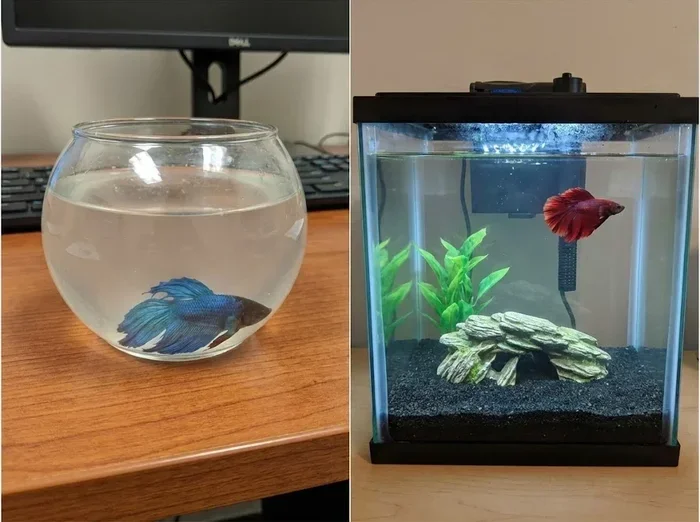
The first thing you need to get right is the tank. Many people think bettas can live in tiny bowls, but that is a myth. Bettas need space to explore and stay active. A 5-gallon tank is the minimum recommended size for a single betta fish.
Why Tank Size Matters
A small bowl limits your betta’s movement and makes water quality hard to maintain. In a larger tank, beneficial bacteria can establish properly, which helps break down harmful waste. This is why how to set up a fish tank for betta fish properly is so important.
- Minimum tank size: 5 gallons
- Larger tanks (10 gallons) are even better
- Avoid tanks smaller than 3 gallons
- Use a lid — bettas are jumpers
Essential Equipment for a Betta Tank
You will need a few key pieces of equipment before bringing your betta home. A gentle filter is essential because bettas prefer slow water flow. A sponge filter works great and will not create too much current. An aquarium heater keeps the water between 76 and 82 degrees Fahrenheit, which is the ideal range for bettas.
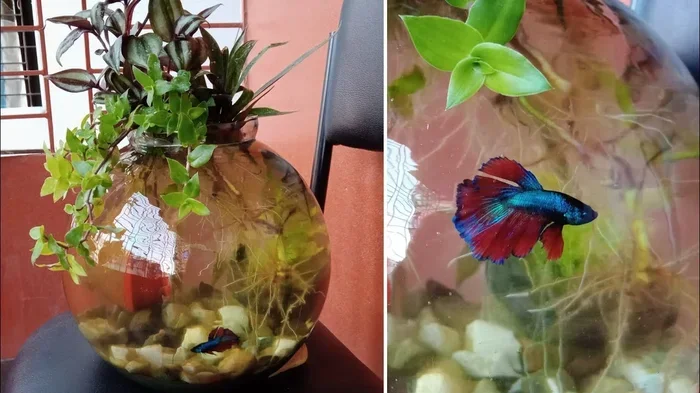
You should also add some live or silk plants for hiding spots. Avoid sharp plastic decorations that can tear your betta’s delicate fins. Setting up the right environment from day one reduces stress and helps your fish adjust faster.
How to Prepare Water for Your Betta Fish
Water quality is the foundation of good betta fish care. Tap water contains chlorine and chloramine, which are harmful to fish. You must treat the water before adding it to the tank.
Using Water Conditioner
A good water conditioner removes harmful chemicals from tap water instantly. Add the recommended dose based on your tank size. Let the treated water sit for a few minutes before introducing your betta. This simple step is one of the most important parts of how to care for a new betta fish every single day.
If you want to learn more about preparing water correctly, check out our guide on how to prepare water for a betta fish. It covers temperature matching, pH levels, and safe water sources in detail.
Testing Water Parameters
You should test your tank water regularly. Use a liquid test kit to check ammonia, nitrite, and nitrate levels. Ammonia and nitrite should always read zero. Nitrates should stay below 20 parts per million. Regular testing helps you catch problems before they affect your fish.
| Parameter | Ideal Range | Danger Zone |
|---|---|---|
| Ammonia | 0 ppm | Any detectable level |
| Nitrite | 0 ppm | Any detectable level |
| Nitrate | 0–20 ppm | Above 40 ppm |
| Temperature | 76–82°F | Below 74°F or above 86°F |
| pH | 6.5–7.5 | Below 6.0 or above 8.0 |
Feeding Your New Betta Fish the Right Way
Feeding is one of the most misunderstood parts of betta fish care. Many owners overfeed their fish, which leads to bloating, poor water quality, and shortened lifespan. Bettas are carnivores and need a protein-rich diet.
Best Foods for Betta Fish
High-quality betta pellets should form the staple of your fish’s diet. Look for pellets where the first ingredient is whole fish or fish meal. You can also offer frozen or live foods like brine shrimp and bloodworms as treats. These mimic what bettas eat in the wild and provide extra nutrition.
- Feed small amounts once or twice a day
- Only give what your betta can eat in 2 minutes
- Skip one feeding day per week to aid digestion
- Rotate between pellets and frozen foods for variety
Overfeeding causes constipation and dirty water. If your betta’s belly looks round and tight after eating, you are giving too much food. Remove any uneaten food within a few minutes to keep the water clean.
Maintaining Clean Water and Tank Health
Regular maintenance keeps your betta’s environment safe and comfortable. You do not need to do massive water changes every week, but consistency matters a lot.
Water Change Schedule
For a 5-gallon tank, perform a 25% water change once a week. For larger tanks, a 20% change weekly works well. Always use a gravel vacuum to remove debris from the substrate during water changes. Doing water changes the right way removes waste buildup without disturbing beneficial bacteria.
When adding new water, make sure it matches the tank temperature. Sudden temperature drops stress your betta and can weaken its immune system. Use a thermometer to check the water before pouring it into the tank.
Filter Maintenance
Rinse your filter media in old tank water once a month. Never use tap water because it kills the beneficial bacteria living on the media. A well-maintained filter keeps the nitrogen cycle stable, which is essential for your betta’s long-term health.
Recognizing Signs of a Healthy vs. Stressed Betta
Knowing what a healthy betta looks like helps you catch problems early. A happy betta has vibrant colors, flowing fins, and a good appetite. It swims actively and explores its environment.
Signs of a Healthy Betta
- Bright, vivid colors
- Fins held open and moving freely
- Eager to eat during feeding time
- Swimming actively throughout the tank
- Breathing at a normal rate
Signs of Stress or Illness
Watch for these warning signs: clamped fins (fins held close to the body), faded colors, loss of appetite, rapid breathing, or spending too much time at the bottom of the tank. These can indicate poor water quality, temperature issues, or disease.
If you notice any of these symptoms, test your water parameters first. Often, the problem is simply dirty water or incorrect temperature. If the issue persists, consider researching treatment options. Caring for a sick betta fish requires quick action and the right treatment approach.
Common Mistakes New Betta Owners Make
Avoiding common mistakes saves you time, money, and heartache. Here are the top errors new betta owners make when learning how to care for a new betta fish.
Keeping Bettas in Tiny Bowls
This is the number one mistake. A tiny bowl does not provide enough space or stable water conditions. Bettas need at least 5 gallons to stay healthy and display their natural behavior.
Skipping the Heater
Bettas are tropical fish. Room temperature water is usually too cold. Without a heater, your betta’s metabolism slows down, leading to lethargy and a weakened immune system.
Overcrowding the Tank
Male bettas are territorial and should live alone. Female bettas can sometimes be kept in groups, but this requires a larger tank with plenty of hiding spots. Never house two male bettas together.
Ignoring the Nitrogen Cycle
Cycling your tank before adding your betta is crucial. The nitrogen cycle removes toxic ammonia from the water. Skipping this step leads to ammonia spikes that can be fatal. If you need guidance, read about cycling a fish tank for betta before introducing your fish.
Extending Your Betta’s Lifespan and Quality of Life
With proper care, betta fish can live 3 to 5 years, and some even reach 7 years or more. The key is consistency. A stable environment, balanced diet, and regular maintenance go a long way toward giving your betta a long, happy life.
Enrichment matters too. Bettas are curious creatures that enjoy exploring. Add gentle plants, hiding spots, and open swimming areas. Some owners even place a mirror near the tank briefly to give their betta mental stimulation, but this should be done sparingly.
Pay attention to your betta’s behavior every day. The more you observe your fish, the sooner you will notice when something is off. Early detection of problems leads to faster treatment and better outcomes.
Remember that every betta has its own personality. Some are bold and swim to the front of the tank when you approach. Others are shy and hide behind plants. Both are normal. Understanding your individual fish helps you provide the best possible care.
If you are interested in learning more about basic betta fish care fundamentals, our Betta Fish Care 101 guide covers all the essentials in one easy-to-read resource.
Conclusion
Learning how to care for a new betta fish does not have to be overwhelming. Start with a properly sized tank, prepare clean conditioned water, feed a balanced diet, and maintain a consistent routine. These simple steps create a thriving environment where your betta can flourish.
Stay patient and observant. Every betta is unique, and it takes time to understand their individual needs. The effort you put in will be rewarded with a vibrant, active companion that brings joy to your home for years to come. Follow the tips in this guide, and you will be well on your way to becoming a confident and caring betta fish owner.
Frequently Asked Questions
How often should I feed my new betta fish?
Feed your betta once or twice a day, giving only a small amount it can finish in about two minutes. Overfeeding is the most common mistake new owners make. Skipping one feeding day per week helps with digestion.
What size tank does a betta fish need?
A minimum of 5 gallons is recommended for a single betta. Larger tanks provide more stable water conditions and give your fish room to swim. Avoid keeping bettas in bowls smaller than 3 gallons.
Do betta fish need a heater?
Yes, bettas are tropical fish and need a heater to maintain water temperature between 76 and 82 degrees Fahrenheit. Without proper heat, their metabolism slows and they become vulnerable to illness.
Can betta fish live with other fish?
Male bettas should live alone because they are territorial. Female bettas can sometimes be kept in small groups called sororities, but this requires a larger tank with plenty of hiding spots. Always research compatibility before adding tank mates.
How do I know if my betta fish is stressed?
Signs of stress include clamped fins, faded colors, loss of appetite, rapid breathing, and staying at the bottom of the tank. Check your water parameters first, as poor water quality is the most common cause of stress in bettas.
How long do betta fish live with proper care?
With proper care, betta fish typically live 3 to 5 years, and some can reach 7 years or more. Consistent water maintenance, a balanced diet, and a stable environment are the keys to maximizing your betta’s lifespan.