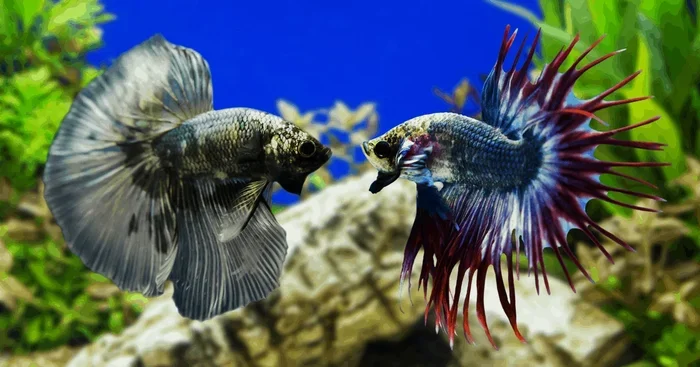
Are Male or a Female Betta Fish More Beautiful

Both male and female betta fish can be stunning, but they showcase beauty in different ways. Males often flaunt vivid, flowing fins, while females display subtle elegance and unique patterns. Understanding these traits helps you choose the perfect betta for your aquarium.
Key Takeaways
- Color variety: Males usually have brighter, more uniform colors; females can show multi‑tone patterns.
- Fin shape: Males develop long, elaborate fins; females have shorter, more practical fins.
- Temperament: Males are more territorial, which can affect display; females are generally calmer.
- Breeding potential: Knowing the sex helps if you plan to breed or keep a community tank.
- Care differences: Both need similar water parameters, but tank mates and space requirements differ.
- Personal preference: Beauty is subjective—choose the fish that matches your aesthetic and hobby goals.
- Internal resources: Use our guides on sex identification and tank compatibility for confident decisions.
📑 Table of Contents
Introduction: The Age‑Old Question
When you walk into a pet store and see a row of shimmering bettas, the first thought is often, “Which one is the most beautiful?” The answer isn’t simple because beauty in bettas depends on many factors—color, fin length, pattern, and even personality. Many hobbyists wonder, are male or a female betta fish more beautiful? The short answer: both sexes have their own kind of gorgeous, but they express it differently.
In this article we’ll break down the visual traits of male and female bettas, discuss how genetics and environment shape those traits, and give you practical tips for choosing the most eye‑catching fish for your tank. By the end, you’ll know exactly what to look for and feel confident in your decision.
1. How Sex Affects Appearance
1.1 Male Betta Traits
Male bettas are the show‑stoppers of the species. They grow larger, usually 2.5‑3 inches, and develop the famous “veil,” “crowntail,” or “deltatail” fins that can stretch several inches beyond the body. Their colors are often solid and intense—royal blues, brilliant reds, and metallic greens dominate the market. Because males use their fins and colors to attract females and intimidate rivals, they have been selectively bred for exaggerated display.
1.2 Female Betta Traits
Female bettas are smaller (about 2 inches) and have shorter, more rounded fins. Their coloration is less uniform; many females exhibit “mosaic” or “marbled” patterns, with patches of different hues on the same body. This variety can be just as striking as a male’s solid blaze, especially when you appreciate subtle artistry. Females also have a visible “vent” (the genital opening) and a less pronounced “beard” when they flare.
1.3 Visual Comparison Chart
- Size: Male ≈ 2.5‑3 in, Female ≈ 2 in
- Fin Length: Male = long, flowing; Female = short, rounded
- Color: Male = solid, vivid; Female = multi‑tone, patterned
- Body Shape: Male = more elongated; Female = slightly deeper-bodied
2. Genetics and Selective Breeding
2.1 The Role of Genes
Betta splendens carry genes that control pigment cells called chromatophores. Some genes dominate (dominant) and produce bright reds, while others are recessive and result in pastel blues or greens. Breeders often cross males with desired colors with females that carry hidden patterns, creating offspring that can surprise even seasoned hobbyists.
2.2 How Breeding Affects Beauty
If you aim for a spectacular male, look for a lineage with “half‑moon” or “double‑tail” traits. For a uniquely patterned female, seek out “koi,” “candy‑cane,” or “marble” lines. Each breeding program emphasizes different aesthetics, so the “most beautiful” fish may come from a line that focuses on the sex you prefer.
3. Practical Tips for Choosing the Most Beautiful Betta
3.1 Observe the Fins
When picking a betta, gently tilt the tank and watch how the fins move. A male’s veil should flow gracefully without tearing. A female’s fins, though shorter, should be symmetrical and free of ragged edges.
3.2 Check Color Saturation
Look for even, bright coloration that covers the whole body. In males, the color should be consistent from head to tail. In females, appreciate the contrast between patches; a good sign is a clear boundary between colors rather than a muddy blend.
3.3 Health Equals Beauty
A healthy betta displays its true colors. Avoid fish with torn fins, white spots, or cloudy eyes. Healthy skin, active swimming, and a good appetite are indicators that the fish will maintain its beauty over time.
4. Caring for Your Beautiful Betta
4.1 Tank Setup Essentials
Both sexes thrive in water that is 76‑82°F (24‑28°C) and slightly acidic to neutral (pH 6.5‑7.5). A 5‑gal tank with a gentle filter and live plants provides a stable environment and lets the fish’s colors shine.
4.2 Feeding for Vibrant Colors
High‑quality betta pellets supplemented with occasional frozen or live foods (bloodworms, daphnia) supply the pigments needed for vivid hues. Overfeeding leads to cloudy water, which dulls the visual impact.
4.3 Managing Aggression and Display
Male bettas are territorial. If you keep a single male, give it plenty of visual barriers (plants, caves) to reduce stress and keep the fins looking pristine. Female bettas can coexist in a sorority tank (4‑6 females) if the tank is large enough and has many hiding spots.
5. Frequently Asked Questions About Betta Beauty
5.1 Do females ever develop long fins?
Occasionally, a female may have a slightly longer tail, but true veil‑type fins are a male characteristic. The difference is genetic, not environmental.
5.2 Can I keep a male and female together to compare beauty?
It’s not recommended. Males will attack females, especially during breeding season. For a fair comparison, view them separately or use a clear divider.
5.3 Are there “pretty” bettas that are also calm?
Yes. Many “cobalt” or “blue” males are less aggressive than bright reds, and many females with marbled patterns are naturally gentle.
Conclusion: Beauty Is Personal, But Informed
So, are male or a female betta fish more beautiful? The answer lies in what catches your eye. Males dazzle with flamboyant fins and solid colors, while females charm with intricate patterns and a subtle grace. By understanding the visual cues, genetics, and care requirements, you can select a betta that not only looks gorgeous but also thrives in your home.
Remember, a beautiful betta is a healthy betta. Use the tips above, consult our detailed guides on sex identification and tank compatibility, and enjoy the vibrant world of betta fish.
Frequently Asked Questions
Which sex is easier for beginners to care for?
Both sexes need the same water conditions, but females are generally less aggressive, making them a bit easier for beginners who want a community tank.
Can I keep more than one male betta in the same aquarium?
No. Male bettas are highly territorial and will fight to the death if housed together without a divider.
Do male bettas change color as they age?
Yes, males may lose some vibrancy over time, especially if stressed or poorly fed. Proper nutrition helps maintain bright colors.
Are there any health issues that affect a betta’s appearance?
Fin rot, fungal infections, and poor water quality can cause torn or cloudy fins, dulling the fish’s natural beauty.
How often should I refresh the water to keep colors vivid?
Partial water changes of 25‑30% weekly keep nitrate levels low and help colors stay sharp.
Where can I learn more about identifying betta sex?
Check our guide on how to tell if betta fish are male or female for detailed visual cues and tips.