How to Safely Heat Betta Fish Water
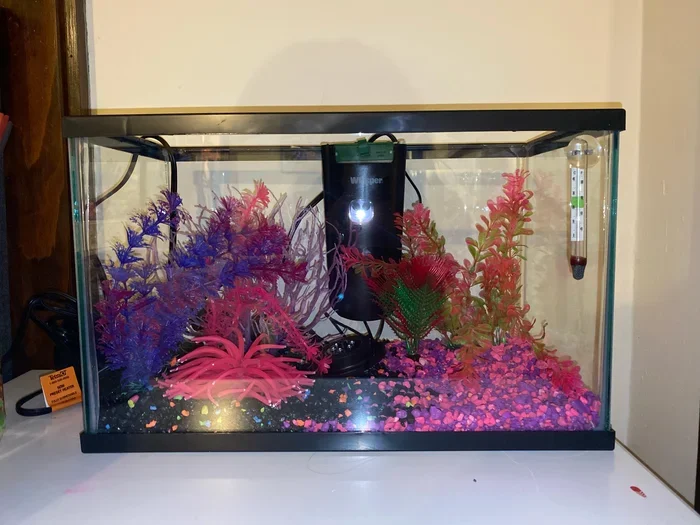
Heating betta fish water safely is one of the most important parts of betta fish care. Your betta needs warm, stable water between 76°F and 82°F to stay healthy and active. This guide walks you through choosing the right heater, setting the temperature, and avoiding common mistakes that can harm your fish. You will learn simple steps to keep your betta’s environment comfortable year-round.
Betta fish are beautiful, lively creatures that bring joy to any home. But keeping them healthy goes beyond picking a pretty tank. One of the most important things you can do for your betta is to safely heat betta fish water to the right temperature. These fish come from warm, tropical waters in Southeast Asia, and they need that warmth to thrive. If the water gets too cold, your betta can become sluggish, sick, or worse.
In this guide, we will walk you through everything you need to know about heating your betta’s water safely. You will learn what temperature to aim for, which heater to buy, and how to avoid common mistakes. Whether you are a first-time betta owner or a seasoned fish keeper, these tips will help you create a comfortable home for your finned friend.
Key Takeaways
- Keep water between 76°F and 82°F: This is the ideal range for betta fish health and comfort.
- Use an adjustable aquarium heater: A small submersible heater with a thermostat gives you precise control.
- Always use a thermometer: You cannot guess the temperature accurately without one.
- Avoid sudden temperature changes: Rapid shifts cause stress and can make your betta seriously ill.
- Condition water before adding heat: Treat tap water with a conditioner to remove harmful chemicals first.
- Monitor temperature daily: Regular checks help you catch problems before they affect your fish.
- Know the signs of temperature stress: Acting fast can save your betta’s life.
📑 Table of Contents
Why Temperature Matters for Betta Fish
Betta fish are tropical creatures. In the wild, they live in warm, slow-moving waters like rice paddies and floodplains in Thailand and Cambodia. Their bodies are designed to function best in warm conditions. When the water drops below their comfort zone, their metabolism slows down. This can lead to a weakened immune system, digestive issues, and a general decline in health.
On the flip side, water that is too hot can be just as dangerous. Warm water holds less oxygen, which means your betta may struggle to breathe. It can also increase stress and encourage harmful bacteria to grow. Finding the sweet spot is the key to a happy, healthy betta.
The Ideal Temperature Range
The ideal temperature for betta fish is between 76°F and 82°F (24°C to 28°C). Within this range, your betta will have plenty of energy, a strong appetite, and a vibrant color. Some keepers prefer the upper end of the range, around 80°F, because it closely mimics the betta’s natural habitat and can help prevent certain diseases.
Here is a quick look at what happens at different temperatures:
- Below 74°F: Your betta becomes sluggish and may stop eating. The risk of illness increases sharply.
- 76°F to 82°F: The sweet spot. Your betta is active, eating well, and displaying bright colors.
- Above 84°F: Oxygen levels drop, and your betta may show signs of stress like rapid breathing.
- Above 86°F: Dangerous territory. Prolonged exposure can be fatal.
Choosing the Right Heater for Your Betta Tank
Not all heaters are created equal, and picking the wrong one can put your betta at risk. You need a heater that is the right size, reliable, and easy to adjust. Let us break down your options.
Submersible Heaters
Most betta owners use a small submersible heater. These heaters sit fully underwater and distribute warmth evenly throughout the tank. They are affordable, effective, and simple to install. Look for a heater rated for tanks between 2.5 and 10 gallons, which covers most betta setups.
When shopping for a betta fish heater, pay attention to the wattage. A general rule is 2.5 to 5 watts per gallon of water. For a standard 5-gallon betta tank, a 10-watt to 25-watt heater works well. Make sure the heater has an adjustable thermostat so you can set the exact temperature you want.
In-Line Heaters
In-line heaters attach to an external filter system. They heat the water as it passes through the tubing. These are great for larger tanks, but they are usually overkill for a simple betta setup. If you have a big aquarium with a filter, an in-line heater might be worth considering.
Heating Pads and Mats
Some owners use heating pads that stick to the outside of the tank. These can work as a supplement, but they are not a replacement for a proper submersible heater. They do not heat the water evenly, and they can be tricky to regulate.
Quick Tips for Choosing a Heater
- Always buy a heater with a built-in thermostat.
- Choose one with a protective plastic casing to prevent burns.
- Read reviews from other betta keepers before buying.
- Avoid the cheapest models, as they tend to be inaccurate.
How to Set Up and Use a Heater Safely
Now that you have the right heater, it is time to set it up correctly. How you install and use your heater makes a big difference in your betta’s safety and comfort.
Step-by-Step Setup
- Rinse the heater: Before placing it in the tank, rinse it under warm water to remove any dust or debris from manufacturing.
- Place it near the filter output: This helps distribute warm water evenly throughout the tank.
- Set the thermostat: Adjust the heater to your target temperature, ideally around 78°F to 80°F.
- Wait before adding your betta: Give the heater at least 30 minutes to stabilize the water temperature.
- Plug in the heater: Always plug the heater into a grounded outlet, and never operate it outside of water.
Using a Thermometer
You cannot rely on the heater’s built-in thermostat alone. A separate aquarium thermometer is essential. Place it on the opposite side of the tank from the heater to get an accurate reading of the overall water temperature. Check it at least once a day, preferably at the same time each day.
Digital thermometers are more accurate and easier to read than strip-style thermometers. They are a small investment that pays off in peace of mind. Some digital models even have alarms that go off if the temperature drifts outside a safe range.
Never Heat Water with Boiling Water or Microwaves
This is a critical point. Some beginners think they can quickly warm water by boiling it or microwaving it. Do not do this. Boiling water can introduce harmful minerals and chlorine into the tank. Microwaving creates uneven hot spots that can burn your betta. Always use a proper heater designed for aquariums.
How to Maintain a Stable Temperature
Getting the temperature right is only half the battle. Keeping it stable is just as important. Temperature swings stress betta fish and can weaken their immune system. Here is how to keep things steady.
Avoid Placing the Tank Near Drafts or Windows
Cold drafts from windows or doors can lower the water temperature quickly. Direct sunlight can heat the tank unevenly and cause algae blooms. Place your betta tank in a stable indoor location away from vents, windows, and doors that open frequently.
Use a Tank Lid
A tight-fitting lid helps retain heat and keeps the water temperature more consistent. It also prevents your betta from jumping out of the tank. Just make sure the lid has small gaps or a filter opening to allow proper airflow.
Adjust During Seasonal Changes
Room temperature drops in winter, which can affect your tank’s water temperature. You may need to turn the heater up slightly during colder months. In summer, you might need to dial it back. A thermometer helps you make these adjustments with confidence.
If you are struggling to keep the water warm, check out our guide on how to keep water warm for betta fish for additional strategies and tips.
Common Mistakes When Heating Betta Water
Even experienced fish keepers make mistakes. Knowing what to avoid can save you a lot of trouble and keep your betta safe.
Skipping Water Conditioner
Before you add heat to tap water, you must treat it first. Tap water contains chlorine and chloramine, which are harmful to betta fish. Always use a water conditioner to remove these chemicals. You can learn more about this process in our article on how to condition tap water for betta fish.
Overheating the Water
It is easy to set the heater too high, especially if you are in a hurry to warm the tank. A heater that is too powerful for a small tank can spike the temperature quickly. Always double-check the wattage and adjust slowly. Raise the temperature by one or two degrees at a time, and wait a few hours between adjustments.
Ignoring Temperature Fluctuations
Some owners set the heater and forget about it. But heaters can malfunction, and thermostats can drift. If you do not check the temperature regularly, you might not notice a problem until your betta shows signs of stress. Make it a habit to glance at your thermometer every day.
Using the Wrong Size Heater
A heater that is too small for the tank will struggle to maintain the right temperature. One that is too large can overheat the water. Always match the heater to your tank size and follow the manufacturer’s recommendations.
Signs Your Betta Is Uncomfortable With the Water Temperature
Betta fish cannot tell you when something is wrong, but their behavior gives clear signals. Learning to read these signs helps you act quickly before a small problem becomes a big one.
If your betta is staying near the bottom of the tank and barely moving, the water may be too cold. A betta that is gasping at the surface could be dealing with water that is too warm and low in oxygen. Faded colors, loss of appetite, and clamped fins are all signs of temperature-related stress.
If you notice any of these symptoms, check the water temperature immediately. Adjust the heater gradually, and monitor your betta closely. If the problem persists, consider doing a partial water change with water that has been properly conditioned and brought to the right temperature.
For more guidance on maintaining healthy water conditions, check out our article on how to take care of betta fish water.
Key Takeaways
- Keep water between 76°F and 82°F: This is the ideal range for betta fish health and comfort.
- Use an adjustable aquarium heater: A small submersible heater with a thermostat gives you precise control.
- Always use a thermometer: You cannot guess the temperature accurately without one.
- Avoid sudden temperature changes: Rapid shifts cause stress and can make your betta seriously ill.
- Condition water before adding heat: Treat tap water with a conditioner to remove harmful chemicals first.
- Monitor temperature daily: Regular checks help you catch problems before they affect your fish.
- Know the signs of temperature stress: Acting fast can save your betta’s life.
Frequently Asked Questions
What is the best temperature for betta fish water?
The best temperature for betta fish water is between 76°F and 82°F, with 78°F to 80°F being the ideal sweet spot. This range keeps your betta active, healthy, and comfortable.
Can I use a heater meant for a larger tank in a small betta bowl?
No, you should always match the heater size to your tank. A heater that is too powerful for a small bowl can overheat the water quickly and harm your betta. Choose a small submersible heater rated for 2.5 to 5 gallons.
How long does it take to heat a betta fish tank?
It usually takes 24 to 48 hours for a tank to reach the target temperature after you set up the heater. Factors like room temperature, tank size, and heater wattage all play a role. Be patient and use a thermometer to monitor progress.
Do betta fish need a heater at all times?
Yes, betta fish need a heater year-round unless you live in a very warm tropical climate where room temperature stays consistently above 76°F. Even then, a heater helps maintain stable conditions and protects against sudden drops.
What happens if the water temperature drops too low for a betta fish?
If the water drops below 74°F, your betta’s metabolism slows down significantly. This can lead to lethargy, loss of appetite, and a weakened immune system. Prolonged exposure to cold water can cause serious illness or death.
Should I turn off the heater at night?
No, you should not turn off the heater at night. Betta fish need a consistent temperature around the clock. Turning the heater off can cause temperature drops that stress your fish and make them vulnerable to disease.
=== CONCLUSION ===
Safely heating betta fish water is a simple but essential part of being a responsible betta owner. By choosing the right heater, using a reliable thermometer, and keeping the temperature stable, you give your betta the best chance to live a long, healthy, and vibrant life. Remember to keep the water between 76°F and 82°F, condition your tap water before heating, and check the temperature every day.
Small habits make a big difference. A well-heated tank means a happy betta, and a happy betta means years of enjoyment for you. Start implementing these tips today, and your fish will thank you with bright colors and energetic swimming.
If you want to learn more about betta fish care, explore our other guides on water preparation, water changes, and maintaining a healthy tank environment. Your betta deserves the best, and now you have the knowledge to give it.