How to Care for a Half Moon Betta Fish
Caring for a half moon betta fish requires the right tank, clean water, proper diet, and a stress-free environment. These stunning fish with their dramatic 180-degree tail spread need specific attention to thrive. This guide covers everything you need to know, from tank setup to daily feeding and common health issues.
Owning a half moon betta fish is one of the most rewarding experiences for any fish keeper. Their dramatic, fan-like tails and vibrant colors make them stand out in any room. But beauty alone does not mean these fish are easy to care for. A half moon betta has specific needs that differ from other betta varieties. If you understand those needs, your fish can live a long, happy, and healthy life.
Many new owners make the mistake of keeping their betta in a tiny bowl with no filtration. This leads to stress, illness, and a shortened lifespan. A half moon betta fish deserves a proper home just like any other pet. In this guide, we will walk you through every aspect of betta care. You will learn about tank setup, feeding, water quality, and how to keep your fish thriving for years to come.
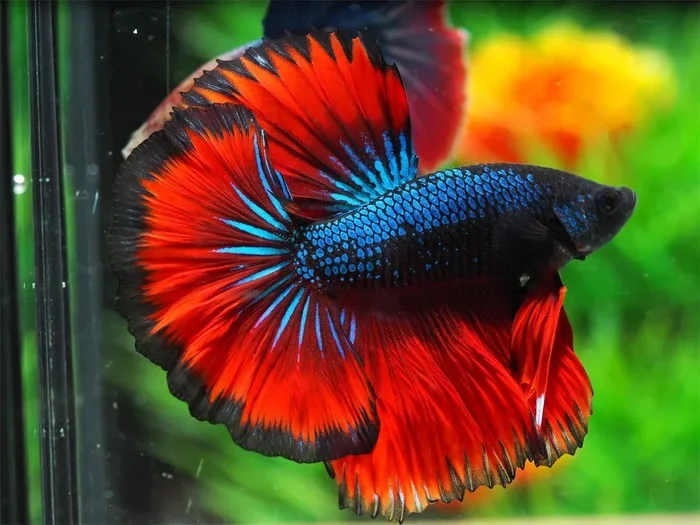
The first step in caring for any betta is understanding what makes them unique. The half moon betta gets its name from its spectacular tail. When fully spread, the tail forms a perfect 180-degree semicircle. This impressive finnage makes them one of the most popular betta varieties among hobbyists. But those large fins also come with trade-offs. Half moon bettas are not strong swimmers, and their delicate tails can tear easily. This means you need to be extra careful about tank design and water flow.
## What Is a Half Moon Betta Fish?
A half moon betta fish is a type of Siamese fighting fish known for its full, circular tail spread. The tail stretches out to form a half-circle shape, giving the fish its signature look. These fish come in a wide range of colors. You can find them in shades of blue, red, green, purple, and even multi-colored patterns.
The half moon variety belongs to the Betta splendens species. They were selectively bred over many generations to achieve that perfect tail shape. Because of their elaborate fins, half moon bettas require more care than plakat or short-finned varieties. Their fins can catch on rough surfaces, so tank decor needs to be smooth and safe.
### Physical Characteristics
A healthy half moon betta has bright, vivid colors and flowing fins that move gracefully in the water. The tail should open fully like a fan when the fish is relaxed. Males display more intense colors and larger fins than females. Females have shorter fins and a visible white egg spot on their underside.
### Lifespan and Size
With proper care, a half moon betta fish can live between 3 and 5 years. Some well-cared-for bettas even reach 6 years. These fish typically grow to about 2.5 to 3 inches in length. Their fins add extra visual length, but the body itself stays relatively small.
## Setting Up the Perfect Tank
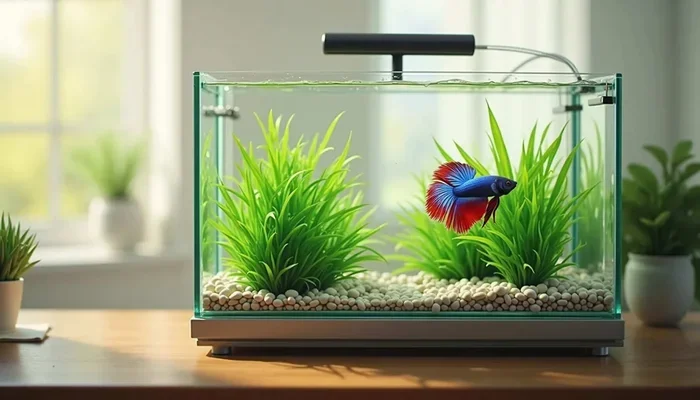
The right tank setup is the foundation of good half moon betta fish care. A poor environment leads to stress and disease. A well-designed tank promotes natural behavior and vibrant colors. You should always aim to create a habitat that mimics your betta’s natural surroundings.
### Tank Size and Shape
Many people believe bettas can live in tiny cups or bowls. This is a dangerous myth. A half moon betta needs at least a 5-gallon tank. A larger tank, such as 10 gallons, is even better. More water means more stable parameters and a healthier fish. The tank should be longer rather than tall, since bettas swim horizontally.
### Essential Equipment
You will need a few key pieces of equipment to keep your half moon betta fish healthy. A gentle filter is essential, but avoid strong currents. Bettas are not strong swimmers, and a powerful filter can exhaust them. A sponge filter works great for betta tanks. You will also need a reliable heater to maintain a steady temperature between 78 and 80 degrees Fahrenheit. A thermometer helps you monitor the temperature daily.
### Decorating the Tank
Your half moon betta will appreciate a well-decorated tank. Use smooth rocks, soft substrate, and live or silk plants. Avoid sharp plastic decorations that can tear delicate fins. Plants provide hiding spots and make your betta feel secure. If you want to learn more about setting up a planted betta tank, check out our guide on how to set up a fish tank for betta fish for detailed step-by-step instructions.
## Feeding Your Half Moon Betta
Feeding your half moon betta fish the right diet is one of the most important parts of daily care. A balanced diet keeps colors bright, energy levels high, and the immune system strong. Overfeeding is one of the most common mistakes betta owners make. Uneaten food fouls the water quickly and can cause serious health problems.
### What to Feed
A half moon betta is a carnivore by nature. Their diet should be rich in protein. High-quality betta pellets should form the staple of their meals. Look for pellets with fish meal or shrimp meal listed as the first ingredient. You can also offer frozen or live foods as treats. Bloodworms, brine shrimp, and daphnia are all excellent choices.
### Feeding Schedule
Feed your betta 2 to 3 times per day. Offer only a small amount each time, roughly the size of their eye. Soak pellet food for a few minutes before feeding to prevent it from expanding in their stomach. A half moon betta fish that is overfed can develop bloating, constipation, and swim bladder issues.
### Foods to Avoid
Not all fish foods are suitable for bettas. Avoid generic tropical flakes, which lack the protein bettas need. Also, stay away from freeze-dried foods as a primary diet. They can cause bloating because they expand in the stomach. Treat these as occasional supplements rather than daily meals.
## Water Quality and Maintenance
Clean water is the single most important factor in half moon betta fish care. Bettas are sensitive to ammonia, nitrite, and nitrate buildup. Poor water quality leads to stress, faded colors, and disease. A consistent maintenance routine keeps your tank safe and stable.
### Ideal Water Parameters
Your half moon betta thrives in specific water conditions. Keep the temperature steady between 78 and 80 degrees Fahrenheit. The pH should range from 6.5 to 7.5. Ammonia and nitrite levels should always read zero. Nitrates should stay below 20 parts per million.
### Water Changes
Perform a 25 to 30 percent water change every week. Use a gravel vacuum to remove debris from the substrate. Always treat new water with a water conditioner before adding it to the tank. If you want a detailed guide on water changes, our article on how to do a water change for betta fish covers everything you need to know.
### Cycling Your Tank
Before adding your betta, make sure the tank is fully cycled. Cycling builds beneficial bacteria that break down harmful waste. A half moon betta fish placed in an uncycled tank is at serious risk of ammonia poisoning. If you need help with the cycling process, read our guide on how to cycle a fish tank for betta to get started the right way.
## Common Health Issues and How to Prevent Them
Even with the best care, half moon betta fish can sometimes fall ill. Knowing the signs of common diseases helps you act fast. Early treatment often makes the difference between a full recovery and a tragic loss. Prevention is always better than cure, so let us look at what to watch for.
### Ich (White Spot Disease)
Ich is one of the most common betta illnesses. It appears as tiny white spots on the body and fins. Your betta may rub against decorations to relieve itching. Ich is caused by sudden temperature drops or poor water quality. Raising the temperature slowly to 82 degrees and adding medication can treat it effectively. Our guide on how to treat ich on a betta fish offers step-by-step treatment advice.
### Fin Rot
Fin rot causes the edges of the fins to look ragged or discolored. It is usually caused by bacterial infection in dirty water. A half moon betta with long, flowing fins is especially vulnerable. Regular water changes and a clean tank prevent fin rot. If you notice signs, treat the water with a bacterial medication and remove any sharp decor that might injure the fins.
### Stress and Its Effects
Stress weakens your betta’s immune system and makes them prone to illness. Common causes of stress include poor water quality, aggressive tankmates, and lack of hiding spots. A half moon betta fish should never be kept with aggressive fish. If you notice your betta hiding constantly or losing color, check the water parameters and reduce environmental stressors.
## Creating a Happy Environment
Beyond the basics, creating an enriching environment makes a huge difference in your betta’s quality of life. A bored or stressed betta will not thrive, no matter how clean the water is. Thoughtful tank design promotes natural behaviors and keeps your fish engaged.
### Lighting
Betta fish do not need intense lighting. A gentle, moderate light schedule of 8 to 10 hours per day works well. Too much light can stress your half moon betta and encourage algae growth. If you are unsure about lighting, check out our article on can a light be too bright for a betta fish to learn more about the right setup.
### Plants and Hiding Spots
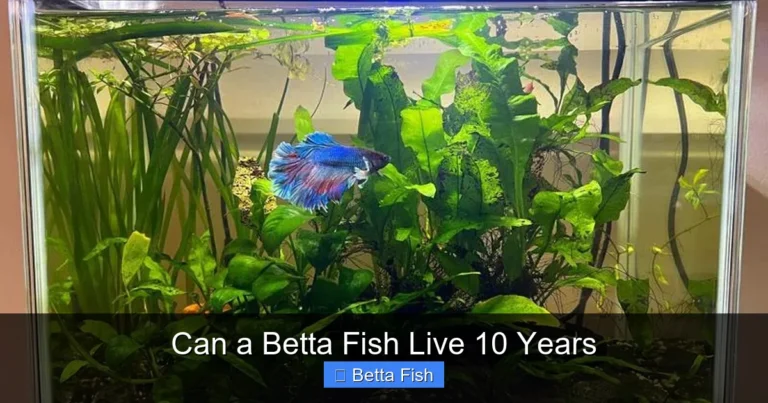
Live plants are wonderful for a betta tank. They provide natural hiding spots and help maintain water quality. Java fern, anubias, and amazon sword plants are all great choices. Silk plants also work well if you prefer low-maintenance options. Avoid plastic plants with rough edges that can damage delicate fins.
### Tank Mates
A half moon betta fish can sometimes live with peaceful tankmates in a larger tank. Good options include snails, shrimp, and small peaceful fish like corydoras. Always monitor interactions closely. Some bettas prefer to live alone, and that is perfectly fine too.
## Quick Tips for Success
– Always cycle your tank before adding your betta.
– Test water parameters weekly with a reliable test kit.
– Feed small portions 2 to 3 times daily.
– Perform weekly 25 percent water changes.
– Keep the tank away from drafts and direct sunlight.
– Use a gentle sponge filter to avoid strong currents.
– Add live or silk plants for enrichment and comfort.
## Common Mistakes to Avoid
– Keeping your betta in a bowl smaller than 5 gallons.
– Overfeeding, which leads to bloating and dirty water.
– Skipping water changes, which causes toxin buildup.
– Using a filter with too strong a flow rate.
– Placing the tank near heating vents or cold drafts.
– Ignoring early signs of illness like clamped fins or loss of appetite.
## Conclusion
Caring for a half moon betta fish is a rewarding journey that requires patience and attention. By providing the right tank size, clean water, proper nutrition, and a stress-free environment, you give your betta the best chance at a long and healthy life. These beautiful fish reward their owners with vibrant colors, interesting behaviors, and years of companionship.
Remember that every betta is an individual. Some may be more active, while others prefer to rest and observe. Watch your fish closely, adjust your care routine as needed, and enjoy the process. With the knowledge you have gained from this guide, you are well-equipped to provide a wonderful home for your half moon betta. Start implementing these tips today, and watch your fish thrive.
Key Takeaways
- Tank Size Matters: A half moon betta needs at least a 5-gallon tank to stay healthy and active.
- Water Quality Is Critical: Keep temperature between 78-80°F and maintain a pH of 6.5-7.5 for best results.
- Feed Strategically: Offer small amounts of high-quality food 2-3 times daily to avoid overfeeding.
- Watch for Health Signs: Early detection of common illnesses like ich and fin rot can save your fish’s life.
- Enrichment Counts: Plants, gentle lighting, and hiding spots reduce stress and boost your betta’s lifespan.
- Regular Maintenance: Weekly water changes and tank cleaning prevent most common health problems.
Frequently Asked Questions
How big should a tank be for a half moon betta fish?
A 5-gallon tank is the minimum recommended size for a half moon betta fish. A 10-gallon tank is even better because it provides more stable water parameters and room for swimming. Avoid keeping your betta in anything smaller than 5 gallons, as cramped spaces cause stress and health problems.
What is the ideal water temperature for a half moon betta?
The ideal water temperature for a half moon betta is between 78 and 80 degrees Fahrenheit. Use a reliable aquarium heater and thermometer to maintain a steady temperature. Sudden temperature swings can stress your fish and weaken their immune system, making them vulnerable to illness.
How often should I feed my half moon betta fish?
Feed your half moon betta fish 2 to 3 times per day with small portions. Each feeding should be roughly the size of the fish’s eye. Soak pellet food before feeding to prevent digestive issues. Overfeeding is a common mistake that can lead to bloating, constipation, and poor water quality.
Can a half moon betta live with other fish?
A half moon betta can sometimes live with peaceful tankmates in a tank of 10 gallons or larger. Good options include snails, shrimp, and small non-aggressive fish. However, every betta has a different temperament. Some prefer to live alone, and that is perfectly fine. Always monitor interactions closely when introducing tankmates.
Why are the fins of my half moon betta tearing?
Torn fins in a half moon betta fish are often caused by sharp decorations, strong water flow, or fin rot. Check your tank decor for rough edges and switch to smooth gravel or sand. Use a gentle sponge filter to reduce current. If the tearing is accompanied by discoloration or fraying, treat the water with a bacterial medication and perform a water change.
How can I tell if my half moon betta is stressed?
Signs of a stressed half moon betta include faded colors, clamped fins, hiding constantly, loss of appetite, and rapid breathing. Stress is usually caused by poor water quality, incorrect temperature, or aggressive tankmates. Test your water parameters regularly and ensure the tank environment is calm and stable to keep your betta relaxed and healthy.