How to Care for a Crowntail Betta Fish
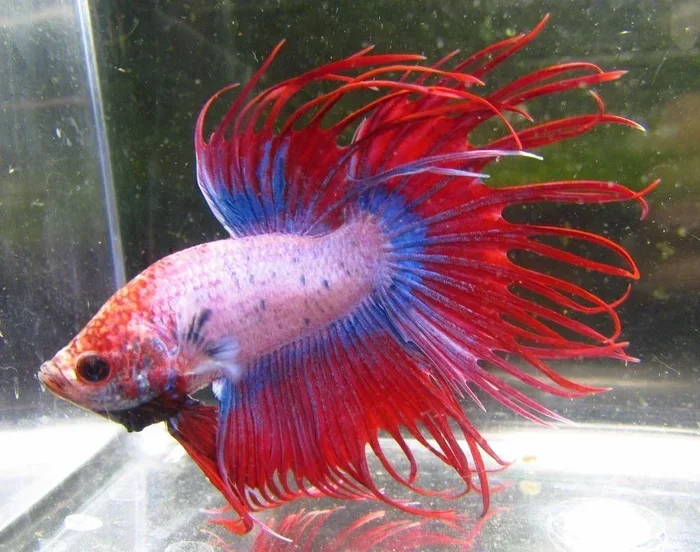
Caring for a crowntail betta fish is easier than most people think. With the right tank setup, clean water, and proper feeding, your crowntail betta can thrive for 3 to 5 years. This guide covers everything you need to know about crowntail betta care in simple, actionable steps.
Keeping a crowntail betta fish is one of the most rewarding experiences for fish keepers. These fish have stunning, spiky fins that look like a crown. That is exactly where they get their name. But beauty alone does not make them easy to care for. Crowntail bettas need the right environment, clean water, and a proper diet to truly thrive. If you are new to betta keeping, do not worry. This guide walks you through everything step by step.
Many people think bettas are low-effort pets. That is a myth. While they are hardier than some tropical fish, they still need attention and care. A crowded bowl with no filter will not cut it. Your crowntail betta deserves a proper home. Let us dive into what that looks like and how you can provide it.
Key Takeaways
- Tank Size Matters: A minimum 5-gallon tank gives your crowntail betta room to swim and stay healthy.
- Water Quality Is Critical: Keep temperature between 76-82°F and maintain zero ammonia and nitrite levels.
- Feed Smart: Offer small meals twice a day and include variety like bloodworms and pellets.
- Watch for Health Signs: Look out for fin rot, ich, and stress behaviors early on.
- Regular Maintenance: Perform weekly water changes and clean the tank consistently.
- Avoid Common Mistakes: Never keep crowntail bettas in tiny bowls or unfiltered tanks.
📑 Table of Contents
What Is a Crowntail Betta Fish?
The crowntail betta is a popular variety of the Siamese fighting fish. Its most distinctive feature is the webbing between its fin rays. In a crowntail, the webbing recedes, giving the fins a spiky, crown-like appearance. This unique look makes them stand out in any aquarium. They come in many colors, including blue, red, green, and multicolor patterns.
Crowntail bettas are native to the warm, shallow waters of Southeast Asia. In the wild, they live in rice paddies, floodplains, and slow-moving streams. Understanding their natural habitat helps you recreate a comfortable home for them. How To Care For A Betta Fish 101 covers the basics if you are just getting started with bettas in general.
Male crowntail bettas have the most dramatic fins. Females also have crowntail features, but their fins are shorter and less elaborate. Both genders can be beautiful pets. On average, a well-cared-for crowntail betta lives between 3 and 5 years. Some even make it to 7 years with excellent care.
Setting Up the Perfect Tank for Your Crowntail Betta
Choosing the Right Tank Size
The minimum tank size for a crowntail betta is 5 gallons. Many pet stores sell tiny cups and bowls. These are not suitable for long-term care. A 5-gallon tank gives your fish enough space to swim and explore. It also makes it easier to maintain stable water parameters.
If you want to keep your betta in a planted tank, consider going up to 10 gallons. More water volume means more stability. Fluctuations in temperature and chemistry happen less often in larger tanks. For a single crowntail betta, 5 to 10 gallons is the sweet spot.
Essential Equipment
Your crowntail betta tank needs a few key pieces of equipment:
- Filter: Choose a gentle filter. Bettas do not like strong currents. A sponge filter works great. It provides biological filtration without creating too much flow.
- Heater: Bettas are tropical fish. They need a consistent temperature between 76 and 82 degrees Fahrenheit. A small aquarium heater with a thermostat is essential.
- Thermometer: A simple stick-on thermometer helps you monitor the temperature daily.
- Lighting: Standard LED aquarium lights work well. Avoid lights that are too bright, as bettas prefer moderate lighting.
Setting up a betta fish tank properly from the start saves you a lot of headaches later. For a detailed walkthrough on tank setup, check out our guide on How To Set Up A Fish Tank For Betta Fish.
Decorations and Substrate
Crowntail bettas love places to hide and explore. Add live or silk plants to create a natural feel. Avoid sharp plastic decorations that can tear their delicate fins. Smooth gravel or sand makes a great substrate. You can also add driftwood or caves for enrichment.
Keep the open swimming area clear. Crowntail bettas are not the strongest swimmers. They need room to move without obstacles blocking their path. A few plants on the sides and back of the tank work perfectly.
Water Conditions and Parameters for Crowntail Bettas
Ideal Water Parameters
Water quality directly impacts your crowntail betta’s health. Here are the target parameters:
- Temperature: 76-82 degrees Fahrenheit (24-28 degrees Celsius)
- pH Level: 6.5 to 7.5 (slightly acidic to neutral)
- Ammonia: 0 ppm (parts per million)
- Nitrite: 0 ppm
- Nitrate: Below 20 ppm
- Water Hardness: 3-4 dGH (moderately soft)
These numbers might seem strict, but they are easy to maintain with routine care. The most important thing is keeping ammonia and nitrite at zero. These substances are toxic to bettas even in small amounts.
Water Changes and Maintenance
Regular water changes are non-negotiable. In a 5-gallon tank, change 25 to 30 percent of the water every week. This removes waste buildup and keeps nitrate levels low. For tanks 10 gallons and larger, a 20 percent weekly change works well.
Always treat new water with a water conditioner before adding it to the tank. Tap water contains chlorine and chloramine, which are harmful to bettas. A conditioner neutralizes these chemicals instantly. For step-by-step instructions on water changes, read our article on How To Do A Water Change For Betta Fish.
Cycling Your Tank
Before adding your crowntail betta, the tank must be fully cycled. Cycling establishes beneficial bacteria that break down harmful ammonia and nitrite. This process takes 4 to 6 weeks. You can speed it up with bottled bacteria supplements.
Never add a betta to an uncycled tank. Doing so exposes your fish to dangerous ammonia spikes. The result can be stress, illness, or death. Patience during the cycling phase pays off big time.
Feeding Your Crowntail Betta Fish
What to Feed
Crowntail bettas are carnivores. Their diet should be high in protein. The best staple foods include:
- Betta pellets: High-quality pellets should form the base of their diet. Look for pellets with fish meal as the first ingredient.
- Bloodworms: These are a great treat. Offer them 1 to 2 times per week.
- Brine shrimp: Another excellent treat that provides variety and nutrition.
- Daphnia: Helps with digestion and makes a good occasional meal.
Avoid feeding your betta flakes designed for tropical community fish. They lack the protein content bettas need. Also, stay away from freeze-dried foods as a primary diet. They can cause bloating if overfed.
Feeding Schedule and Portions
Feed your crowntail betta twice a day. Offer only what they can eat in 2 minutes. Overfeeding is one of the most common mistakes betta owners make. Excess food rots in the tank and spikes ammonia levels.
One day per week, skip feeding entirely. This gives your betta’s digestive system a break and helps prevent constipation. Fasting also mimics their natural eating patterns in the wild.
Common Health Issues and How to Prevent Them
Fin Rot
Fin rot is a bacterial infection that affects the fins and tail. It looks like the fins are fraying or melting away. Poor water quality is the most common cause. Treat mild cases with improved water changes and a water conditioner. Severe cases may require medication like tetracycline.
Ich (White Spot Disease)
Ich appears as white spots on the body and fins. It is caused by a parasite and spreads quickly in stressed fish. Raise the temperature slowly to 82 degrees Fahrenheit. This speeds up the parasite’s life cycle. Add aquarium salt to help the fish recover. For a detailed treatment guide, see our article on How To Treat Ich On A Betta Fish.
Stress and Behavioral Signs
Stressed bettas show clear warning signs. These include clamped fins, lethargy, loss of appetite, and hiding constantly. Common causes of stress include poor water quality, wrong temperature, and aggressive tankmates. Always monitor your fish daily. Catching problems early makes treatment much easier.
Expert Tips for a Thriving Crowntail Betta
Here are some pro tips that make a real difference:
- Keep the tank lid on. Bettas are jumpers. A secure lid prevents escapes and keeps the humidity up.
- Do not overcrowd. A single crowntail betta should live alone. They are aggressive toward other bettas and many other fish.
- Use a gentle filter flow. If the current is too strong, baffle the filter with a sponge or foam.
- Quarantine new fish. If you ever add tankmates, keep them in a separate tank for 2 to 4 weeks first.
- Observe your fish daily. Spend a few minutes each day watching your betta. You will notice changes in behavior quickly.
Taking care of a crowntail betta fish is a journey, not a chore. Once you see how vibrant and active a well-cared-for betta is, you will understand why so many people love them. The effort you put in comes back tenfold in color, personality, and enjoyment.
Remember that every betta is an individual. Some are bold and curious. Others are shy and prefer to hide. Learning your fish’s personality is one of the best parts of keeping them. Adjust care based on what you observe, and your crowntail betta will reward you with years of beauty and companionship.
A healthy environment starts with you. Clean water, proper nutrition, and a stress-free tank are the three pillars of excellent betta care. Stay consistent, keep learning, and enjoy the process. Your crowntail betta will thank you with its stunning display of colors and flowing fins.
Frequently Asked Questions
How big do crowntail bettas get?
Crowntail bettas typically grow to about 2 to 3 inches in length, including the fins. Males tend to have longer fins and a slightly larger overall size than females. Proper care and nutrition help them reach their full potential.
Can crowntail bettas live with other fish?
Male crowntail bettas should always be kept alone. They are highly aggressive toward other bettas and many other fish species. Female bettas can sometimes be kept in small groups called sororities, but this requires a larger tank and careful planning.
How often should I clean my crowntail betta’s tank?
Perform a 25 to 30 percent water change every week. Use a gravel vacuum to remove debris from the substrate. Do a full tank cleaning only if absolutely necessary, as it can disrupt beneficial bacteria.
What temperature is best for a crowntail betta?
The ideal temperature range is 76 to 82 degrees Fahrenheit. Use a reliable aquarium heater to maintain a stable temperature. Sudden temperature drops can stress your betta and make it susceptible to illness.
Why are my crowntail betta’s fins clamped?
Clamped fins usually indicate stress or illness. Check your water parameters first, as poor water quality is the most common cause. Also look for other symptoms like loss of appetite or lethargy. Addressing the root cause quickly helps your betta recover.
Can crowntail bettas eat human food?
No, you should not feed your crowntail betta human food. Their digestive systems are designed for protein-rich foods like pellets, bloodworms, and brine shrimp. Human food can cause bloating and other health problems.
=== CONCLUSION ===
Caring for a crowntail betta fish does not have to be complicated. With the right tank size, clean water, proper nutrition, and regular maintenance, your betta will live a long and healthy life. Start with the basics and build from there. Watch your fish closely, learn its habits, and make adjustments as needed. The reward of keeping a happy, colorful crowntail betta is well worth the effort.