How to Be a Better Fish
Want to know how to be a better fish? This guide covers everything you need to keep your betta happy and healthy. You’ll learn how to set up the perfect tank, maintain clean water, feed the right diet, and spot early signs of stress. With these practical tips, your fish will thrive and live a longer, more vibrant life.
Have you ever wondered what it really takes to be a better fish? Maybe you just got your first betta and want to give it the best life possible. Or perhaps your fish seems sluggish and you are not sure what to do. Either way, you are in the right place.
Being a better fish starts with understanding what your pet needs. A healthy betta fish habitat is not just about dropping your fish into any old bowl. It is about creating an environment where your fish can thrive. This guide will walk you through every step of the way.
We will cover tank setup, water quality, nutrition, stress prevention, and bonding. By the end, you will have all the tools you need to keep your fish happy and healthy for years to come. Let us dive right in.
Key Takeaways
- Proper tank setup is the foundation of good fish health and happiness.
- Clean water quality prevents most common betta fish diseases and stress.
- A balanced diet keeps your fish active, colorful, and full of energy.
- Recognizing stress signals early helps you act fast and save your fish.
- Regular tank maintenance creates a stable environment your fish will love.
- Building a bond with your fish improves its overall well-being and behavior.
📑 Table of Contents
Create the Perfect Tank for Your Betta
The first step to being a better fish owner is setting up the right home. Bettas need space, warmth, and a safe environment. A small cramped bowl is not enough for a fish to live its best life. Here is what you need to know.
Choose the Right Tank Size
Many people think bettas can live in tiny cups. That is a myth. A betta fish tank should be at least 5 gallons. This gives your fish room to swim and explore. Larger tanks also make it easier to keep the water stable. A bigger aquarium means fewer sudden changes in temperature and chemicals.
If you are unsure about sizing, check out our guide on how big does a betta fish tank need to be for detailed recommendations.
Add the Right Decorations
Bettas love places to hide and rest. Live plants are a great choice because they also help clean the water. Silk plants work well too. Avoid sharp plastic decorations that can tear your fish’s delicate fins. A few caves or driftwood pieces make your fish feel safe and secure.
Keep the layout open enough for swimming. Your betta has long flowing fins and needs space to move around without getting tangled.
Install Proper Heating and Filtration
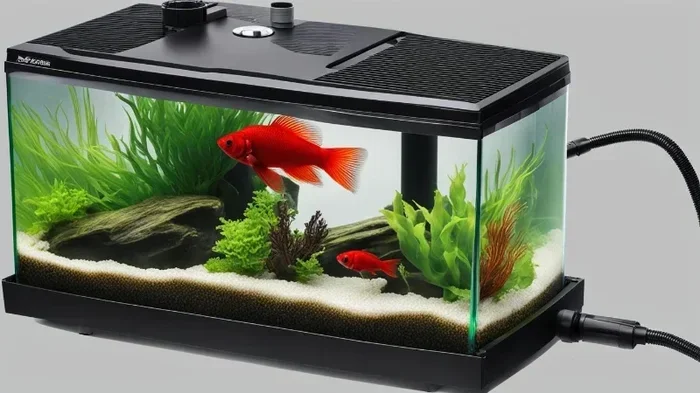
Bettas are tropical fish. They need warm water between 76 and 82 degrees Fahrenheit. A small aquarium heater keeps the temperature steady. As for filtration, bettas prefer gentle water flow. A sponge filter works great because it cleans the water without creating strong currents that tire your fish out.
Maintain Clean Water Quality
Clean water is the single most important factor in fish health. Dirty water causes stress, disease, and even death. Keeping your tank water fresh should be a top priority.
Test Your Water Regularly
Use a liquid test kit to check ammonia, nitrite, and nitrate levels. These chemicals build up over time and are invisible to the naked eye. Ammonia and nitrite are especially dangerous. Even small amounts can harm your fish. Aim for zero ammonia and zero nitrite at all times.
Perform Regular Water Changes
Do a 25 to 30 percent water change every week. This removes waste buildup and refreshes essential minerals. Use a gravel vacuum to clean the substrate at the same time. Always treat new water with a water conditioner before adding it to the tank. This removes chlorine and chloramine that are harmful to fish.
For more on water care, read our article on how to take care of a betta fish water.
Avoid Overfeeding
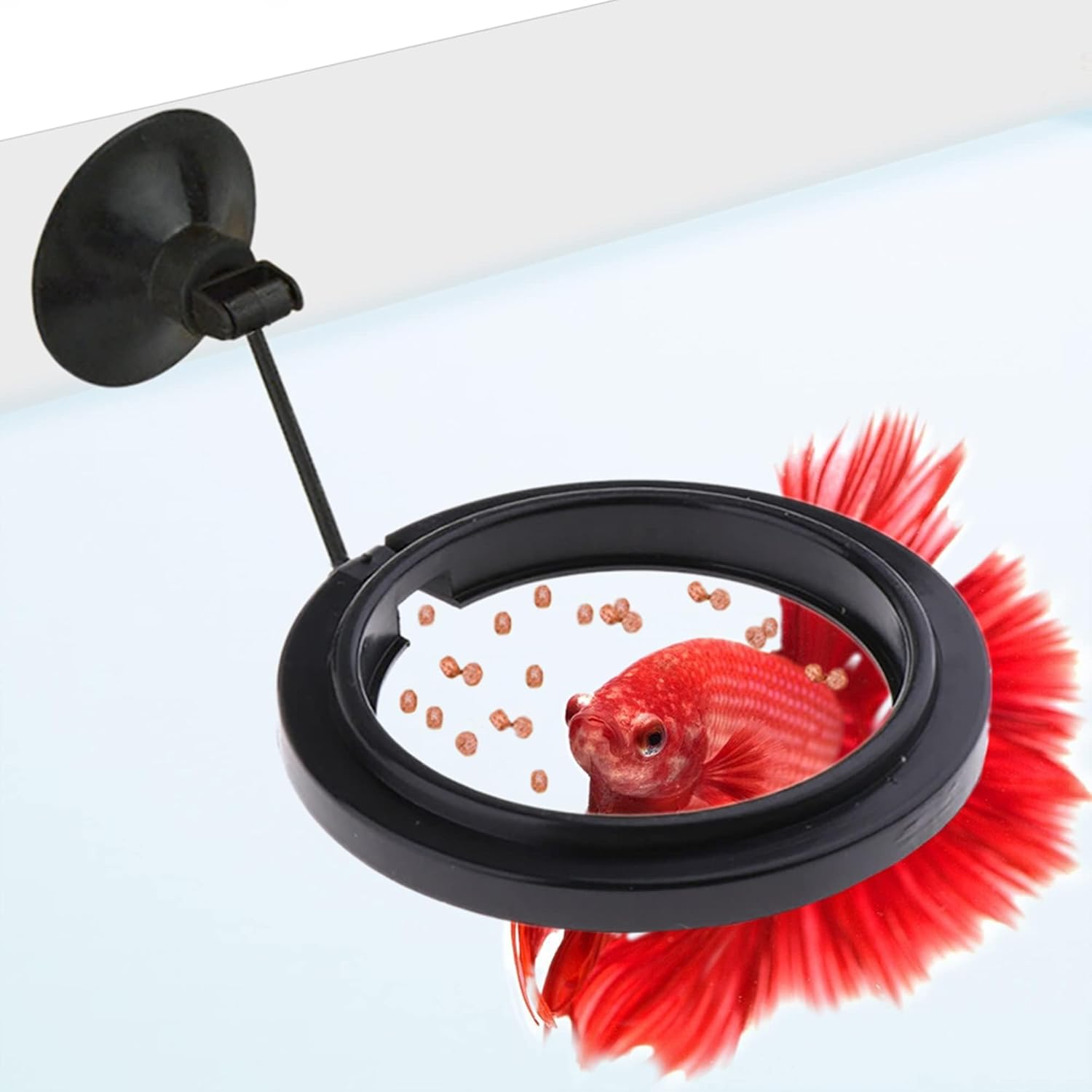
Overfeeding is one of the fastest ways to dirty your tank. Uneaten food rots and spikes ammonia levels. Feed your betta small amounts twice a day. Only give what your fish can eat in two minutes. If food falls to the bottom, remove it with a net.
Feed a Balanced and Nutritious Diet
What you feed your fish directly affects its color, energy, and lifespan. A betta fish diet should be varied and high quality. Pellets made specifically for bettas should be your staple food. Look for brands with real fish meal as the first ingredient.
Treats like frozen bloodworms, brine shrimp, and daphnia add variety and nutrition. Feed these a few times a week as supplements. Never rely on flake food alone. Bettas are carnivores and need protein-rich meals to stay healthy and vibrant.
Quick Tip: Soak dry pellets before feeding. This prevents them from expanding in your fish’s stomach, which can cause bloating and discomfort.
Spot and Prevent Stress in Your Fish
Stressed fish get sick more easily. Learning to recognize the signs of stress early can make a huge difference. A happy fish is an active fish with bright colors and a healthy appetite.
Common Signs of a Stressed Betta
- Clamped fins — fins held close to the body
- Loss of color — fading or dull appearance
- Hiding constantly — refusing to come out
- Rapid breathing — gasping at the surface
- Refusing food — not eating for more than a day
- Flashing — rubbing against decorations or gravel
What Causes Stress in Bettas?
Several things can stress out your fish. Poor water quality is the number one culprit. Sudden temperature changes, loud noises, and aggressive tank mates also play a role. Even being placed in a tank with a reflective wall can cause your fish to see its own reflection and become territorial.
To learn more about helping stressed fish recover, visit our guide on how to treat a stressed betta fish. Acting quickly when you notice symptoms can save your fish’s life.
How to Keep Your Fish Calm
Place the tank in a quiet area away from high traffic spots. Avoid sudden movements near the tank. Keep the lighting on a consistent schedule — 8 to 10 hours of light per day is ideal. If you have multiple fish, make sure the tank is large enough to reduce territorial conflicts.
Build a Strong Bond with Your Fish
You might be surprised to learn that bettas can recognize their owners. Over time, your fish may swim to the front of the tank when you approach. Some even learn to take food from your fingers. Building this connection is rewarding for both you and your fish.
Spend a few minutes each day observing your fish. Talk to it softly. Move slowly around the tank. These small actions help your fish feel safe and comfortable in your presence. For more tips on strengthening this bond, check out our article on how to grow a bond with your betta fish.
A bonded fish is also easier to care for because you will notice changes in behavior sooner. This early detection is key to catching health issues before they become serious problems.
Common Mistakes That Hurt Your Fish
Even the best intentions can lead to mistakes. Here are the most common errors fish owners make and how to avoid them.
Using Too Small a Container
A tiny bowl might look cute, but it limits your fish’s quality of life. Small volumes of water change temperature and chemistry quickly. This creates a stressful environment. Always opt for a tank that is at least 5 gallons.
Skipping the Water Conditioner
Tap water contains chlorine and other chemicals that are toxic to fish. Never add untreated tap water directly into your tank. Always use a water conditioner to neutralize these harmful substances first.
Ignoring Early Warning Signs
Many fish owners wait until their fish is clearly sick before taking action. By then, it is often too late. Watch for subtle changes like reduced appetite, lethargy, or slight color fading. These early signals give you time to intervene and make adjustments.
Overcleaning the Tank
It might seem counterintuitive, but scrubbing your tank too often can do more harm than good. You need beneficial bacteria in the tank to break down waste. These bacteria live on surfaces inside your aquarium. When you overclean, you strip away these helpful bacteria and destabilize your aquarium ecosystem.
Quick Tip: Clean only 20 to 30 percent of the water each week. Leave the filter media slightly dirty to preserve good bacteria.
Keep Your Betta Warm Without a Heater
In some situations, you may not have access to a heater. Maybe you are traveling or your heater broke. Knowing how to keep your fish warm naturally is a valuable skill.
Place the tank in a warm room away from drafts and windows. Use a tank lid to trap heat. A warm towel draped over the tank (not blocking the filter) can help retain warmth temporarily. For more detailed methods, read our guide on how to keep my betta fish warm without a heater.
However, these are temporary solutions. A proper aquarium heater is the best long-term investment for your fish’s health and comfort.
Conclusion
Being a better fish owner comes down to a few simple habits. Provide a spacious and well-decorated tank. Keep the water clean and properly conditioned. Feed a varied and nutritious diet. Watch for signs of stress and act quickly. Build a bond with your fish through daily observation and gentle interaction.
These steps might seem small, but they add up to a big difference. Your betta fish will live longer, show brighter colors, and display more natural behaviors. The effort you put in is directly reflected in the quality of life your fish enjoys.
Start with one or two changes today. Gradually build on them as you learn more. Your fish will thank you with a vibrant, healthy, and joyful presence in your home. Remember, a happy fish starts with a caring owner. You have what it takes to make that happen.
Frequently Asked Questions
How do I know if my betta fish is healthy?
A healthy betta has bright, vivid colors, active swimming behavior, and a good appetite. Its fins should be open and flowing, not clamped against its body. Regular observation helps you catch any changes early and keep your fish in top shape.
What is the best tank size for a single betta fish?
A 5-gallon tank is the minimum recommended size for a single betta. This gives your fish enough room to swim and explore while keeping water parameters stable. Larger tanks are even better and make maintenance easier over time.
How often should I clean my betta fish tank?
Perform a 25 to 30 percent water change every week. Use a gravel vacuum to remove debris from the substrate. Clean the glass walls with an algae scraper as needed. Avoid replacing all the water at once, as this can shock your fish and destroy beneficial bacteria.
Can betta fish live with other fish?
Bettas can sometimes live with peaceful, non-fin-nipping species in a large enough tank. Good tank mates include snails, shrimp, and small schooling fish. However, avoid keeping two male bettas together, as they will fight aggressively. Always research compatibility before adding new fish to your tank.
Why is my betta fish not eating?
A loss of appetite can be caused by stress, poor water quality, or illness. Check your water parameters first and make sure the temperature is within the ideal range. If your fish still refuses food after a day or two, look for other symptoms and consider consulting a fish health resource for further guidance.
How long do betta fish live on average?
With proper care, betta fish typically live between 3 and 5 years. Some well-cared-for bettas have been known to reach 7 years or more. Providing a clean tank, balanced diet, and low-stress environment are the key factors that contribute to a longer, healthier life for your fish.