How to Become a Betta Fish Breeder

Becoming a betta fish breeder is a rewarding journey that starts with the right setup, a healthy breeding pair, and solid knowledge of betta fish care. This guide walks you through every step, from choosing your fish to raising baby fry. You will learn practical tips, avoid common mistakes, and build the confidence to breed bettas successfully at home.
Have you ever thought about becoming a betta fish breeder? It is one of the most exciting hobbies you can pick up in the fishkeeping world. Breeding bettas is not just about watching pretty fish swim around. It is about understanding their needs, creating the right environment, and guiding them through the entire spawning process. Whether you want to breed bettas as a side project or start a small home business, this guide has everything you need to get started.
The journey of betta fish breeding can feel overwhelming at first. There are tanks to set up, fish to choose, and a whole process to learn. But here is the good news. You do not need a fancy lab or years of experience. With the right knowledge and a little patience, anyone can breed healthy bettas at home. This article breaks it all down into simple, easy-to-follow steps.
We will cover everything from picking the perfect breeding pair to raising tiny fry. You will learn about tank setup, water conditions, feeding routines, and common pitfalls to avoid. By the end, you will feel confident enough to start your own betta fish breeding adventure. Let us dive in.
Key Takeaways
- Start with a proper breeding tank: A clean, warm tank with the right setup makes all the difference for successful betta fish breeding.
- Choose a healthy breeding pair: Knowing how to tell the gender and pick the right fish is the foundation of good breeding.
- Follow the spawning process carefully: Understanding each stage of the breeding process helps you protect both the parents and the fry.
- Raise fry with patience and proper food: Baby bettas need special care and tiny food to grow strong and healthy.
- Avoid common mistakes: Overcrowding, poor water quality, and skipping quarantine can ruin your breeding efforts.
- Keep learning and improving: Every breeding cycle teaches you something new about betta fish behavior and health.
📑 Table of Contents
What Does It Take to Become a Betta Fish Breeder?
Before you buy your first pair of breeding bettas, you need to understand what this commitment really involves. Breeding fish is not a one-day project. It requires time, space, and a genuine love for these beautiful creatures. You also need to be ready to learn as you go. Every breeding cycle will teach you something new.
Here are the key things you will need to get started:
- A dedicated breeding tank: This is different from your regular fish tank. It needs the right size, temperature, and setup for breeding.
- A healthy male and female betta: Not just any two fish will work. You need a proven breeding pair with no health issues.
- Good water quality: Clean water with the right parameters is essential for both the parents and the babies.
- Proper food: You will need special food for adult bettas and even smaller options for tiny fry.
- Patience and observation skills: Watching your fish closely helps you catch problems early and respond quickly.
Becoming a successful betta breeder does not happen overnight. Start small. Breed one pair at a time. Learn from each experience. Over time, you will build the skills and confidence to expand your breeding program.
Why Breed Betta Fish?
People breed bettas for many reasons. Some love the challenge of raising healthy fry. Others want to develop new color patterns and fin types. There is also a strong community of hobbyists who enjoy sharing their fish and knowledge with others. No matter your reason, breeding bettas is a deeply satisfying experience that connects you more closely with these amazing fish.
Setting Up Your Breeding Tank
The foundation of successful betta fish breeding is the tank you use. A proper breeding setup gives your fish the best chance of success. It also keeps both the parents and the fry safe during the process. Let us walk through exactly what you need.
First, decide on the tank size. A breeding tank should be at least 10 gallons. This gives the fish enough room to move around without feeling crowded. A smaller tank can work for a single breeding attempt, but a 10-gallon tank is much easier to manage. You can also learn more about proper tank sizing in our guide on how big a betta fish tank needs to be.
Tank Setup Essentials
Here is what your breeding tank should include:
- A gentle filter: Use a sponge filter or a very gentle hang-on filter. Strong currents stress bettas and can harm tiny fry.
- An aquarium heater: Keep the water temperature between 78 and 82 degrees Fahrenheit. Stable warmth is critical for breeding.
- A heater thermometer: You need to monitor the temperature every day. Sudden drops can prevent spawning.
- Live or silk plants: These give the female places to hide. Java moss and floating plants work great.
- A bubble nest support: Male bettas build bubble nests. Floating plants help anchor them in place.
- A tank divider (optional): You may need to keep the male and female separate before breeding. A betta fish tank divider is very useful here.
Setting up your tank before you bring your fish home is essential. You want the tank to run stably for at least one week before introducing any breeding fish. This ensures the water parameters are consistent and safe.
Water Preparation
Clean, conditioned water is a must. Always use a water conditioner to remove chlorine and chloramine. The pH should be between 6.5 and 7.0. Keep the water soft and slightly acidic for the best results. Regular water changes of 10 to 20 percent help maintain quality. If you want a deeper dive into water preparation, check out our article on how to prepare water for a betta fish.
Choosing the Right Breeding Pair
Picking the right fish is one of the most important steps in betta fish breeding. A healthy, well-matched pair dramatically increases your chances of success. A weak or sickly pair can lead to failed spawning, dead fry, or even injured fish.
How to Tell the Gender
You need one male and one female to breed. Telling them apart is easier than you might think. Males have longer, flowing fins and more vivid colors. They also build bubble nests. Females are smaller, with shorter fins and a visible white egg spot on their underside. If you are unsure, our guide on how to tell the gender of a betta fish can help you identify each fish correctly.
Health and Age Considerations
Choose fish that are at least 4 to 6 months old. They should be active, have bright colors, and show no signs of disease. Look for fish with erect fins and a healthy appetite. Avoid fish that seem lethargic or have torn fins. A healthy breeding pair is the starting point for everything that follows.
Matching Colors and Fin Types
If you want to produce specific colors or fin types, research the genetics behind them. Some traits are dominant, while others are recessive. Pairing a crowntail male with a veiltail female, for example, can produce interesting variations. Keep notes on each pairing so you can track which combinations work best over time.
The Breeding Process Step by Step
Once your tank is ready and your pair is chosen, it is time to breed. The betta fish breeding process has several clear stages. Knowing what to expect at each stage helps you stay calm and respond appropriately.
Step 1: Conditioning the Fish
Before you introduce the pair, feed them high-quality food for one to two weeks. Live or frozen brine shrimp and bloodworms work best. This conditioning period builds up their energy and prepares the female to produce healthy eggs. Feed them twice a day in small amounts.
Step 2: Introducing the Pair
Place the male and female in the breeding tank. You can use a clear divider at first so they can see each other without direct contact. After a day or two, remove the divider. Watch their behavior closely. The male will start building a bubble nest at the surface. This is a great sign that he is ready.
Step 3: The Spawning Dance
The male will wrap his body around the female in a spawning embrace. The female will release eggs, and the male will fertilize them. This can happen several times over a few hours. The male will collect the eggs and place them in the bubble nest. Remove the female once all the eggs are released. She can be injured by the male if she stays too long.
For a more detailed walkthrough of the spawning process, you can also read our guide on how to breed betta fish in a bowl.
Step 4: Caring for the Eggs and Fry
The male will guard the bubble nest and the eggs carefully. He will pick up any eggs that fall and place them back in the nest. Do not disturb the tank during this time. The eggs will hatch in 24 to 48 hours. The fry will stay in the nest for another two to three days before becoming free-swimming.
Raising Betta Fry
Raising betta fry is where the real work begins. Baby bettas are incredibly tiny and fragile. They need very specific care to survive and grow into healthy juveniles.
Feeding the Fry
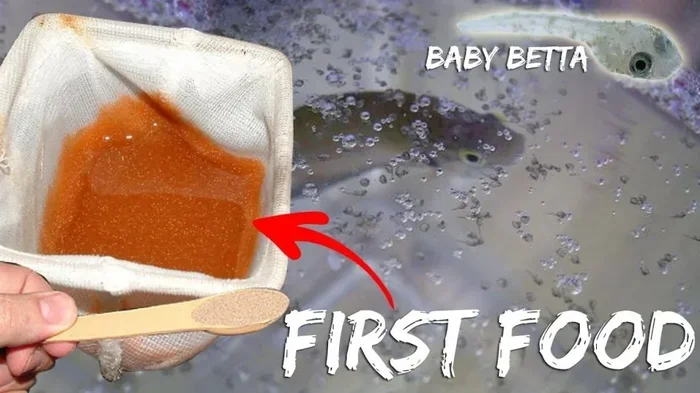
Newly hatched fry cannot eat regular fish food. You need to feed them infusoria or commercially available liquid fry food for the first week. After that, you can introduce baby brine shrimp. Feed them small amounts 3 to 4 times a day. Overfeeding is one of the biggest mistakes new breeders make. Uneaten food fouls the water quickly and can kill the fry.
Water Maintenance
Keep the water clean by doing small, frequent water changes. Use a turkey baster to remove debris without sucking up the fry. Maintain a stable temperature of 80 to 82 degrees Fahrenheit. Clean water is the single most important factor in raising healthy betta fry.
When to Separate the Male
Once the fry are free-swimming and eating on their own, remove the male from the tank. He may start eating the fry if left in the tank too long. Transfer him gently to a separate container.
Proper betta fish care for fry is essential. If you want more general tips on caring for bettas, our how to care for a betta fish 101 guide covers the fundamentals well.
Growth and Development
Fry start to develop color at around 2 to 3 weeks old. Their fins begin to grow at about 4 weeks. By 3 months, you can start to see their adult fin shapes and color patterns emerge. It takes about 6 months for a betta to reach full maturity. During this time, keep a close eye on their growth and health.
Common Mistakes to Avoid
Even experienced breeders make mistakes. The key is to learn from them and avoid repeating them. Here are the most common errors new betta fish breeders make.
- Skipping the quarantine period: Always quarantine new fish for at least two weeks before introducing them to your breeding tank. This prevents the spread of disease.
- Using too small a tank: A cramped tank causes stress and poor water quality. Always use at least a 10-gallon breeding tank.
- Overfeeding the fry: Excess food rots quickly and spikes ammonia levels. Feed only what the fry can consume in a few minutes.
- Ignoring water temperature: Fluctuating temperatures shock the fish and can prevent spawning. Use a reliable heater and thermometer.
- Rushing the process: Breeding takes time. Do not force introductions or remove the male too early. Let nature take its course.
- Not researching genetics: If you want specific traits, study the genetics of betta colors and fin types before pairing fish.
Avoiding these mistakes will save you time, money, and heartbreak. Every breeder learns from their early attempts. The important thing is to keep improving and stay dedicated to your fish.
Final Thoughts on Becoming a Betta Fish Breeder
Betta fish breeding is a journey that rewards patience, observation, and care. You do not need to be an expert to start. You just need a willingness to learn and a commitment to doing things right. From setting up your breeding tank to choosing a healthy pair, from guiding the spawning process to raising strong fry, every step matters.
Start simple. Breed one pair at a time. Keep detailed notes on each spawn. Watch your fish closely and respond to their needs. Over time, you will develop the skills and instincts of a true betta breeder. The joy of seeing healthy fry grow into beautiful adult fish is unmatched. It is a hobby that teaches you patience, responsibility, and a deeper appreciation for these incredible creatures.
Remember, every successful breeder started exactly where you are now. Take it one step at a time, keep learning, and enjoy the process. Your betta fish breeding journey starts today.
Frequently Asked Questions
How long does it take to become a successful betta fish breeder?
Most beginners see their first successful spawn within 2 to 3 months of preparation. However, becoming a skilled breeder takes time and practice. Each breeding cycle teaches you valuable lessons about fish behavior, water management, and fry care. Stay patient and keep learning from every experience.
What is the best age for betta fish to start breeding?
Betta fish should be at least 4 to 6 months old before breeding. At this age, they are physically mature and ready to produce healthy eggs and sperm. Breeding fish that are too young can lead to complications and weak fry. Always choose healthy, mature fish for your breeding pair.
Do I need a separate tank for breeding bettas?
Yes, a dedicated breeding tank is essential. It gives you control over water conditions and protects both the parents and the fry. A 10-gallon tank works well for most breeding setups. You can also learn more about proper tank setup in our guide on how to set up a fish tank for betta fish.
How many fry can I expect from one breeding cycle?
A healthy betta pair can produce anywhere from 50 to 300 fry per spawn. The number depends on the age, health, and condition of the breeding pair. Not all fry will survive, but with proper care, a large percentage should grow into healthy juveniles.
What should I feed betta fry?
Start with infusoria or liquid fry food for the first week. Then introduce baby brine shrimp as they grow. Feed small amounts 3 to 4 times a day. Overfeeding is a common mistake that can foul the water and harm the fry. Always remove uneaten food promptly.
Can I breed bettas in a bowl instead of a tank?
While some breeders use bowls, a proper tank with a heater and gentle filter gives much better results. A tank allows for more stable water conditions and easier fry management. If you are interested in bowl setups, check out our guide on how to breed betta fish in a bowl for specific tips.