How Often to Feed Betta Fish Aquon
Knowing how often to feed betta fish aquon is the single most important part of keeping your betta healthy and happy. Most aquarists feed their bettas twice a day with small portions, but the exact betta fish feeding schedule depends on age, size, and activity level. This guide covers everything you need to know about betta fish diet, portion control, and common feeding mistakes.
Key Takeaways
- Feed betta fish twice a day with small portions that fit their belly size.
- Overfeeding is the #1 mistake and can cause serious health and water quality problems.
- Use high-quality pellets as the staple food and vary with flakes and frozen treats.
- Fast your betta once a week to support digestion and prevent bloating.
- Adjust feeding frequency based on your betta’s age, temperature, and activity level.
- Watch for hunger cues like begging behavior but stick to a consistent schedule.
📑 Table of Contents
- How Often to Feed Betta Fish Aquon: The Complete Guide
- Why Feeding Frequency Matters for Betta Fish
- How Often Should You Feed a Betta Fish?
- What to Feed Your Betta Fish
- How Much Food Should You Give?
- Creating the Perfect Feeding Routine
- Common Feeding Mistakes to Avoid
- Expert Tips for Optimal Betta Feeding
- Key Takeaways
- Conclusion
How Often to Feed Betta Fish Aquon: The Complete Guide
If you just brought home a beautiful betta fish, you probably want to give it the best care possible. And feeding is right at the top of that list. But here is the thing — how often to feed betta fish aquon is not as simple as dumping food in the tank whenever you feel like it. Too much food can harm your fish. Too little can leave it weak and unhappy.
The good news is that a proper betta fish feeding schedule is easy to follow once you understand the basics. In this guide, we will walk you through everything you need to know. From portion sizes to the best types of food, we have got you covered. Let us dive in and make sure your betta stays healthy and vibrant.
Why Feeding Frequency Matters for Betta Fish
Betta fish are not like goldfish that will eat anything and everything you throw in the tank. Bettas have small stomachs that are roughly the size of their eye. This means they need small, controlled meals rather than large ones. Feeding them the right amount at the right times keeps their betta fish digestion working properly and prevents a host of health problems.
When you overfeed a betta fish, the excess food rots in the water. This spikes ammonia and nitrate levels, which can make your fish sick. On the other hand, underfeeding can lead to malnutrition and a weakened immune system. Finding the right balance is key to a long and healthy life for your aquatic friend.
The Stomach Size Rule
A helpful rule of thumb is to feed your betta only what it can eat in two minutes. If there is leftover food floating around after that time, you have given too much. Think of it like this — your betta’s belly should look slightly rounded after a meal, not stretched out like a balloon. Portion control is everything when it comes to betta care.
How Often Should You Feed a Betta Fish?
For most adult betta fish, twice a day is the sweet spot. Morning and evening feedings work well and align with a natural routine. This gives your fish consistent energy throughout the day without overwhelming its digestive system. If you are wondering about how often to feed a betta fish, this is the gold standard most experts recommend.
But frequency can change depending on a few factors. Let us break it down.
Feeding Schedule by Age
Young betta fish, or fry, need to eat more often than adults. Baby bettas may need three to four small feedings per day because their stomachs are tiny and they burn energy quickly. As they grow, you can gradually reduce meals to twice a day.
Adult bettas do great with two meals a day. Senior bettas, especially those over three years old, may do better with one slightly larger meal or two smaller ones. Always watch your fish and adjust as needed.
Feeding Based on Water Temperature
Water temperature plays a big role in your betta’s metabolism. Warmer water (around 78-80°F) keeps the metabolism active, so your fish will digest food faster. In cooler water, the metabolism slows down, and your betta needs less food. If your tank is on the cooler side, consider dropping to once a day or even skipping a day occasionally.
What to Feed Your Betta Fish
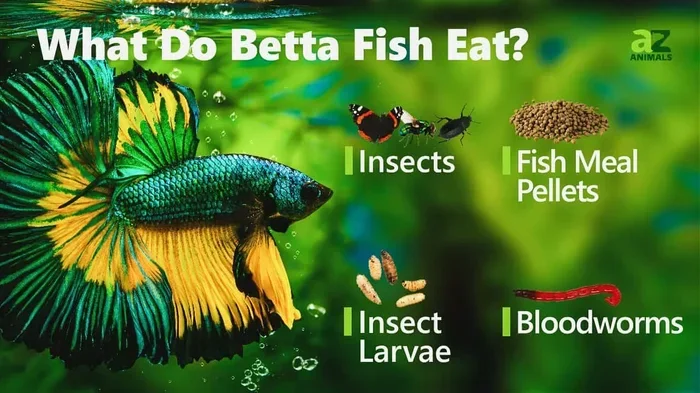
Not all fish food is created equal. Bettas are carnivorous by nature, which means they thrive on a protein-rich diet. Let us look at the best food options and how to use them.
High-Quality Pellets
Betta-specific pellets should be the foundation of your fish’s diet. These pellets are specially formulated to meet the nutritional needs of bettas. They float on the surface, which is perfect since bettas are top-feeders. Look for pellets with high protein content and minimal fillers like wheat or corn.
When choosing pellets, aim for a brand that lists fish meal or shrimp meal as the first ingredient. A good pellet makes a huge difference in your betta’s color, energy, and overall health.
Flakes and Other Food Types
While pellets are ideal, you can also offer betta fish flakes as a supplement. However, flakes tend to lose nutritional value quickly once opened and can make a mess in the tank. Use them sparingly and only as a variety add-on.
You can also treat your betta to frozen or live foods like bloodworms, brine shrimp, and daphnia. These are excellent for bettas fish nutrition and make a great weekly treat. Just remember that treats should not make up more than 10% of the diet.
Can You Feed Other Foods to Bettas?
Sometimes you might wonder about alternative food options. For example, can you feed sea monkeys to betta fish? What about earthworms or even peas? While some of these can work in small amounts, always research first. The safest and most balanced approach is to stick with quality betta pellets and occasional protein-rich treats.
How Much Food Should You Give?
Amount matters just as much as frequency. A good starting point is two to three pellets per feeding for an adult betta. If you are using flakes, a small pinch will do. The goal is to provide enough food that your betta eats everything within two minutes.
If you are unsure about portions, check out our detailed guide on how many pellets to feed betta fish daily for more specific measurements based on food type and fish size.
Signs You Are Overfeeding
Watch for these warning signs that you might be giving too much food:
- Food left uneaten after five minutes
- Cloudy or foul-smelling water
- Your betta appears bloated or constipated
- Excess algae growth in the tank
- Your betta seems lethargic after eating
Signs You Are Underfeeding
On the flip side, these signs may mean your betta needs more food:
- Your betta is losing weight and looking thin
- Color fading or becoming dull
- Your fish is constantly begging at the surface
- Low energy and spending most of the time resting
Creating the Perfect Feeding Routine
Consistency is the secret sauce when it comes to betta fish care. Bettas thrive on routine, and a predictable feeding schedule helps reduce stress and keeps their appetite stable. Here is how to build one that works.
Step-by-Step Feeding Routine
- Pick two consistent times each day, such as 8 AM and 6 PM.
- Turn off the tank light a few minutes before feeding to signal mealtime.
- Drop the food gently near your betta. Do not dump a large amount all at once.
- Watch your fish eat and remove any uneaten food after two minutes.
- Stick to the same schedule every day, even on weekends.
Following this routine will help your betta feel secure and maintain a healthy appetite and feeding behavior. If you ever need to travel, check out our guide on how to feed your betta fish while on vacation for practical solutions.
Weekly Fasting Day
Here is a tip many experienced fish keepers swear by — fast your betta one day per week. Skipping a meal allows the digestive system to clear out any buildup and helps prevent bloating and constipation. Most healthy adult bettas can easily handle a 24-hour fasting period without any issues.
Common Feeding Mistakes to Avoid
Even the best intentions can lead to mistakes. Here are the most common errors people make when feeding their bettas.
Mistake 1: Feeding Too Much
This is by far the most common mistake. Bettas have tiny stomachs, and it does not take much food to fill them up. Excess food decays in the water and creates toxic conditions. Always err on the side of less rather than more.
Mistake 2: Feeding the Wrong Food
Not all fish food works for bettas. Flakes designed for tropical community fish often lack the protein levels bettas need. Similarly, feeding betta food to other fish or vice versa can lead to nutritional imbalances. Always choose food specifically made for bettas.
Mistake 3: Ignoring the Feeding Schedule
Irregular feeding times can stress your betta and disrupt its natural rhythms. Try to feed at the same times every day. If you are away, use an automatic feeder or ask a trusted friend to maintain the routine.
Mistake 4: Skipping Water Changes
Feeding and water quality go hand in hand. If you feed your betta regularly but never change the water, waste will build up and harm your fish. Aim for weekly water changes of 25-30% to keep the tank clean and your betta thriving.
Expert Tips for Optimal Betta Feeding
Here are some pro tips that can take your betta feeding game to the next level:
- Soak pellets before feeding — this helps them sink to the right level and prevents air gulping.
- Rotate food types — offer pellets one day and frozen bloodworms the next for balanced nutrition.
- Observe your betta daily — watch for changes in appetite, which can signal health issues early.
- Keep the tank clean — a clean environment supports healthy digestion and overall well-being.
- Do not feed right after a water change — wait at least an hour to let your betta adjust.
Key Takeaways
- Feed your betta twice a day with small, controlled portions.
- Overfeeding causes more harm than underfeeding — always be cautious with amounts.
- Use high-quality betta pellets as the staple diet and supplement with treats.
- Fast once a week to support healthy digestion.
- Stick to a consistent routine to reduce stress and maintain appetite.
- Remove uneaten food promptly to protect water quality.
- Watch for warning signs of both overfeeding and underfeeding.
Conclusion
Getting the betta fish feeding schedule right is one of the simplest yet most impactful things you can do for your aquatic companion. Feed your betta twice a day, keep portions small, and stick to a consistent routine. Avoid the temptation to overfeed, even when your fish is begging at the surface — remember, a healthy betta is a happy betta.
With the right betta fish diet and a little attention to detail, your fish will reward you with vibrant colors, energetic swimming, and years of companionship. Start applying these tips today and watch your betta thrive in its aquarium environment. Your fish will thank you for it.
Frequently Asked Questions
How many times a day should I feed my betta fish?
For most adult betta fish, twice a day is the ideal feeding frequency. Feed small portions in the morning and evening, making sure your betta eats everything within two minutes. Adjust to once a day for senior bettas or if your tank temperature runs cooler than normal.
What happens if I overfeed my betta fish?
Overfeeding is one of the most common causes of health problems in bettas. Excess food decays in the tank, raising ammonia and nitrate levels. This can lead to bloating, constipation, swim bladder issues, and poor water quality. Always feed only what your betta can consume in two minutes.
Can I feed my betta fish once a day instead of twice?
Yes, once-a-day feeding can work, especially for older bettas or those in cooler water. However, make sure the single meal is high-quality and appropriately sized. Some fish keepers also combine once-daily feeding with a weekly fasting day for optimal digestion.
How do I know if my betta fish is hungry?
Bettas often beg at the surface by swimming near the top of the tank and hovering. However, begging does not always mean hunger — it can become a learned behavior. Stick to your scheduled feeding times and resist the urge to feed extra just because your betta is acting hungry.
What is the best food for betta fish?
High-quality betta-specific pellets should form the foundation of your fish’s diet. Look for pellets with high protein content and minimal fillers. Supplement with frozen or live foods like bloodworms and brine shrimp as occasional treats for variety and added nutrition.
Should I fast my betta fish, and how often?
Yes, fasting once a week is highly recommended for betta fish. A 24-hour fast helps clear the digestive system and prevents bloating and constipation. Most healthy adult bettas handle fasting easily and actually benefit from the break in their feeding routine.