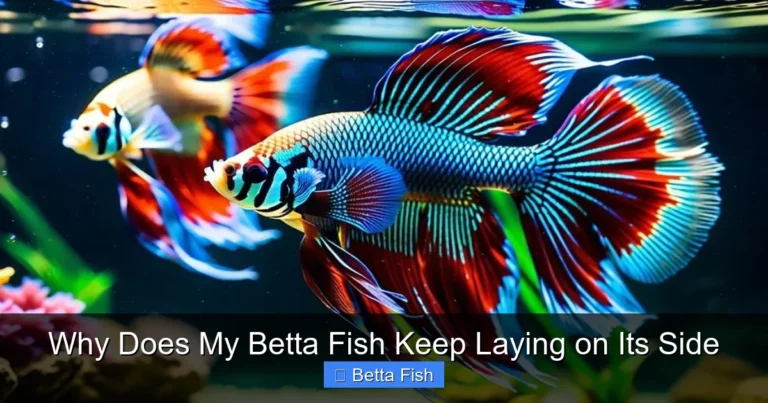
How Much Room Does My Betta Fish Need

So how much room does my betta fish need? A betta fish needs at least a 5-gallon tank to live a healthy and happy life. Smaller bowls and tiny containers restrict movement, harm water quality, and shorten your betta’s lifespan. In this guide, you will learn the ideal betta fish tank size, how to set up the perfect habitat, and the common mistakes to avoid.
Key Takeaways
- 5 gallons is the minimum: A 5-gallon tank is the smallest recommended size for a single betta fish to thrive and stay healthy.
- Bigger is always better: A 10-gallon tank gives your betta more room to explore, swim, and display natural behaviors like building bubble nests.
- Bowl life is tough life: Keeping a betta in a small bowl leads to poor water quality, stress, and a shorter lifespan.
- Setup matters as much as size: Proper filtration, heating, and tank decorations all play a role in your betta’s comfort and well-being.
- Overcrowding kills: Adding too many fish or excessive decorations reduces swimming space and worsens water conditions.
- Tank size affects behavior: A cramped betta becomes lethargic, stressed, and may stop eating or develop health problems.
- Plan for the long term: Choosing the right tank size from the start saves you time, money, and heartache down the road.
📑 Table of Contents
- Introduction
- How Much Room Does My Betta Fish Need? The Real Answer
- The Ideal Betta Fish Tank Size Explained
- Setting Up the Perfect Betta Habitat
- Common Mistakes Bettas Owners Make
- How Tank Size Affects Your Betta’s Health and Behavior
- Quick Tips for Choosing the Right Tank
- Expert Insights
- Conclusion
Introduction
So you have a betta fish, or you are thinking about getting one. Either way, you probably wonder about the right living space for your little finned friend. How much room does my betta fish need? This is one of the most important questions you can ask as a betta owner. The answer directly impacts your fish’s health, happiness, and lifespan.
Many people think bettas are low-maintenance pets that can live in tiny bowls or cups. The truth is quite different. Bettas are active, curious creatures that need space to swim, explore, and display their natural behaviors. Giving your betta the right betta fish tank size makes a huge difference in how long and how well your fish lives.
In this guide, you will learn everything about how much room does my betta fish need. We will cover the minimum tank size, the ideal setup, common mistakes, and practical tips to keep your betta thriving. Let us dive right in.
How Much Room Does My Betta Fish Need? The Real Answer
Let us get straight to the point. The minimum recommended tank size for a single betta fish is 5 gallons. That is the smallest tank that can comfortably house one betta while still maintaining stable water conditions and giving your fish enough room to swim.
Now, you might be thinking, “But my betta came in a tiny cup at the pet store.” That is exactly the problem. Pet stores often keep bettas in small, cramped containers for convenience. That does not mean it is the right living situation for your fish. Betta fish care requires proper space, clean water, and an environment that supports their natural instincts.
Why Tank Size Matters So Much
Tank size is not just about giving your betta room to swim around. It affects almost every aspect of your fish’s life. Here is why betta fish living space matters so much:
- Water quality: Larger tanks dilute waste and toxins faster. Small bowls experience wild swings in ammonia and nitrite levels, which can poison your fish.
- Exercise: Bettas are active swimmers. A cramped tank limits their movement, leading to muscle weakness and lethargy.
- Stress reduction: A bigger environment gives your betta hiding spots and exploration opportunities. This reduces stress and keeps your fish active.
- Temperature stability: Small volumes heat up and cool down quickly. A larger tank holds temperature more consistently, which is critical for bettas since they need warm water.
- Natural behavior: In the wild, bettas patrol large territories. A proper tank lets them exhibit natural behaviors like building bubble nests and exploring corners.
To put it simply, the bigger the tank, the better your betta fish will feel. If you want to learn more about the specific space requirements, check out our detailed guide on how much space a betta fish really needs.
The Ideal Betta Fish Tank Size Explained
Not all tanks are created equal when it comes to betta fish habitat. Let us break down the most common tank sizes and what they mean for your fish.
5 Gallon Tank – The Sweet Spot
A 5-gallon tank is the gold standard for a single betta fish. It gives your fish enough room to swim freely, set up a territory, and maintain stable water parameters. At this size, you can comfortably add a filter, a heater, and a few decorations without crowding the space.
This size tank is also great for beginners. It is affordable, easy to manage, and large enough to keep the water quality in check with regular maintenance. If you want the best home for your betta, start here.
2.5 Gallon Tanks – A Minimum Compromise
A 2.5-gallon tank is better than a bowl, but it is still not ideal. At this size, water parameters can shift quickly, especially if you overfeed or skip water changes. You will need to test the water more frequently and perform partial changes every few days.
Some people use 2.5-gallon tanks as a temporary solution. If you are planning to upgrade soon, this can work in the short term. But for the long term, your betta will be much happier in a 5-gallon setup or larger.
10 Gallon Tanks – Going Big
If you have the space and budget, a 10-gallon tank is an excellent choice. It gives your betta plenty of room to roam and creates a more visually impressive aquarium. A 10-gallon tank also allows you to add more plants, caves, and decorations without worrying about crowding.
One thing to keep in mind: a 10-gallon tank may be too large if you plan to keep just one betta in a small room. The equipment costs and water change volume go up as well. But if you want to create a beautiful betta fish environment, this is the way to go.
Quick Comparison Table
| Tank Size | Best For | Difficulty Level | Water Stability |
|---|---|---|---|
| 2.5 Gallon | Temporary housing | Moderate | Low |
| 5 Gallon | Single betta (ideal) | Easy | High |
| 10 Gallon | Enhanced setup | Moderate | Very High |
Setting Up the Perfect Betta Habitat
Now that you know the right tank size, let us talk about how to set it up properly. A good betta fish tank setup involves more than just filling a container with water. Every detail matters for your fish’s comfort and health.
Filtration and Heating
Bettas are tropical fish. They need warm water between 76°F and 82°F (24°C to 28°C). A small aquarium heater is essential unless you live in a consistently warm climate. Without proper heat, your betta becomes sluggish, stops eating, and is more prone to disease.
You also need a filter. Bettas produce waste just like any other fish, and that waste turns toxic fast. A gentle filter with a low flow rate works best for bettas since they are not strong swimmers and can struggle with strong currents. If you are unsure about the equipment, you can learn more about whether bettas need special equipment in our article on what kind of tank a betta fish needs.
Tank Decorations and Plants
Decorations do more than make the tank look nice. They give your betta places to explore, hide, and rest. Live or silk plants are great choices since bettas enjoy resting on broad leaves. Avoid plastic plants with sharp edges that can tear their delicate fins.
Here is a simple checklist for tank setup:
- Choose a 5-gallon (or larger) tank with a lid
- Install a gentle filter and a heater
- Add a layer of substrate (gravel or sand)
- Place live or silk plants for hiding spots
- Include caves, driftwood, or floating logs
- Fill with dechlorinated water at the right temperature
- Cycle the tank before adding your betta
Do not over-decorate. Leave plenty of open swimming space. Your betta needs room to move around freely. Too many decorations can also trap debris and worsen water quality.
Common Mistakes Bettas Owners Make
Even well-meaning owners make mistakes that hurt their bettas. Here are the most common ones when it comes to minimum tank size and overall setup.
Keeping Bettas in Small Bowls
This is the number one mistake. Tiny bowls, cups, and vases are everywhere in pet stores, and they look cute. But they are terrible for your fish. A bowl does not fit a filter or a heater. Water quality drops fast, and your betta has almost zero room to swim.
Bettas kept in bowls often live only a few months instead of their potential 3 to 5 years. The betta fish health problems that come from small containers include fin rot, ich, ammonia burns, and chronic stress. If your betta is currently in a bowl, please consider upgrading. It is one of the best things you can do for your pet.
Overcrowding the Tank
Some owners want to add other fish to the tank. While some tank mates are possible, you must be very careful. A 5-gallon tank is really only big enough for one betta. Adding other fish increases waste, competes for food, and stresses your betta out.
If you want to keep more than one fish, consider upgrading to at least a 10-gallon or 20-gallon tank and research compatible species carefully. Remember, betta fish behavior includes territorial aggression, especially in small spaces.
Skipping the Cycle Process
New tanks need to be “cycled” before adding a fish. Cycling means building up beneficial bacteria that break down harmful ammonia and nitrite. This process takes 4 to 6 weeks. Skipping it can lead to “new tank syndrome,” where your betta is exposed to toxic water from day one.
How Tank Size Affects Your Betta’s Health and Behavior
The connection between betta fish tank requirements and your fish’s well-being is well documented. Let us look at how space — or the lack of it — affects your betta.
In a tank that is too small, your betta may show these signs:
- Lethargy: Your fish stops swimming around and just sits in one corner.
- Loss of appetite: Stress from cramped conditions makes your betta refuse food.
- Fin clamping: Your betta holds its fins close to its body, a sign of discomfort or illness.
- Color fading: A stressed betta loses its vibrant colors. A happy betta in a proper tank shows off brilliant hues.
- Aggression: A cramped betta may flare at its own reflection constantly, burning energy and causing chronic stress.
- Shortened lifespan: The most serious consequence. Poor living conditions can cut a betta’s life short by years.
On the flip side, a betta in a well-set-up, appropriately sized tank will be active, colorful, and full of personality. You will see them explore every corner, build bubble nests, chase food eagerly, and display their beautiful flowing fins with pride.
Quick Tips for Choosing the Right Tank
Here are some fast tips to keep in mind when shopping for your betta’s new home:
- Always go at least 5 gallons. Do not settle for less if you can help it.
- Choose a tank with a lid. Bettas are jumpers and can flip out of an open tank.
- Look for tanks with a larger footprint rather than tall, narrow ones. Bettas are surface swimmers and appreciate horizontal space.
- Budget for a heater and filter. These are non-negotiable for your betta’s comfort.
- Plan for weekly water changes of 25 to 50 percent, depending on tank size.
- Consider a dark background. It makes your betta’s colors pop and helps them feel secure.
Thinking about the long term? If you are curious about how to keep your betta warm and comfortable in different seasons, our guide on how to make your betta fish tank warmer has great practical advice.
Expert Insights
Experienced betta keepers and aquatic veterinarians agree on one thing: tank size makes or breaks your betta’s quality of life. Dr. Richmond Loh, a well-known aquatic veterinarian, has emphasized that many betta health issues veterinarians see are directly linked to poor housing conditions. He recommends at least a 5-gallon tank with proper filtration and heating as the bare minimum for any betta fish.
Professional breeders also note that bettas kept in larger, well-maintained tanks tend to show better breeding behavior, more vibrant colors, and stronger immune systems. The investment in a proper tank pays off in every way.
Conclusion
So, how much room does my betta fish need? The answer is clear. Your betta deserves at least a 5-gallon tank with proper heating, filtration, and decoration. Bigger tanks are even better if you have the space. A proper betta fish tank means a healthier, happier fish that can live up to 5 years and show off its full beauty.
Do not let your betta live in a small bowl. That cute cup at the pet store is not a home — it is a compromise. You now have the knowledge to give your fish the life it deserves. Upgrade that tank, set it up right, and watch your betta thrive. Your fish is counting on you, and you are more than up to the task.
Frequently Asked Questions
Can a betta fish live in a 1-gallon tank?
A betta can technically survive in a 1-gallon tank, but it is far from ideal. Water quality drops very fast in such a small volume, and your fish will likely become stressed and unhealthy. You would need to do daily water changes to keep the water safe. A 5-gallon tank is the minimum recommended size for a happy, healthy betta.
Do betta fish need a big tank?
Bettas do not need a massive tank, but they do need adequate space. A 5-gallon tank is the perfect balance for a single betta. It provides enough room to swim, stable water conditions, and space for essential equipment like a heater and filter. Going bigger, like a 10-gallon tank, is even better if you can manage it.
How do I know if my betta fish is happy with its tank size?
A happy betta is active, has bright colors, eats eagerly, and swims freely around the tank. If your fish sits in one corner, fades in color, or stops eating, the tank may be too small or poorly set up. Making sure your betta has enough room and a well-maintained environment are key signs of a content fish.
Can I keep two betta fish in the same tank?
Two male bettas should never share a tank. They are highly territorial and will fight aggressively. Two female bettas can sometimes live together in a group called a sorority, but this requires at least a 10-gallon tank with plenty of hiding spots. For most beginners, keeping one betta per tank is the safest and best option.
What happens if my betta fish lives in a bowl?
Bettas in bowls often suffer from poor water quality, temperature swings, and lack of space. This leads to stress, disease, and a much shorter lifespan. Many bettas in bowls only live a few months instead of their normal 3 to 5 years. Upgrading to a proper tank is the single best thing you can do for your fish.
Does tank size affect how often I need to clean the water?
Yes, it does. Smaller tanks need more frequent water changes because waste concentrates faster. A 2.5-gallon tank might need changes every 2 to 3 days. A 5-gallon tank typically needs a 25 to 50 percent water change once a week. Larger tanks are more forgiving and easier to maintain over time.