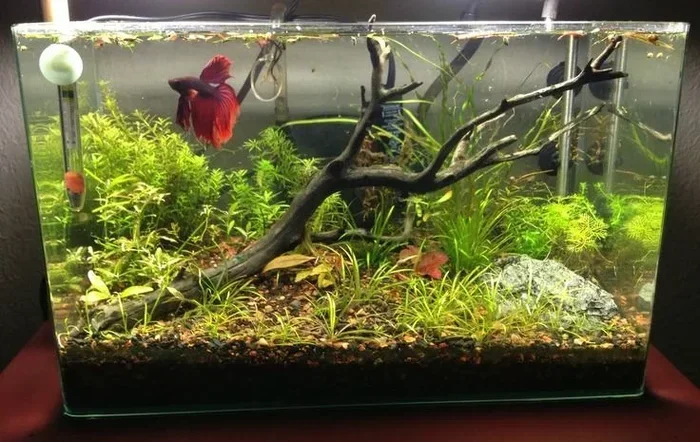
Can Betta Fish Live with Platy

Can betta fish live with platy? In some cases, yes—but it depends on your betta’s temperament and your tank setup. This guide explains the risks, the right tank conditions, and practical tips to help you decide if bettas and platies can safely share a tank.
Key Takeaways
- It can work, but it’s not guaranteed: Some bettas are calm enough to live with platies, while others may attack them.
- Tank size matters a lot: A larger tank (20 gallons or more) gives both species room and reduces stress.
- Watch for aggression and stress: Bettas may flare, chase, or nip fins, while platies can be active and nippy too.
- Water parameters are compatible: Both prefer similar temperature and pH ranges, making cohabitation easier.
- Platies breed quickly: Be prepared for fry if you keep males and females together.
- Tank setup is crucial: Plants, hiding spots, and visual barriers help reduce conflict.
- Have a backup plan: Keep a separate tank or divider ready in case they don’t get along.
📑 Table of Contents
- Introduction: Can Betta Fish Live With Platy?
- Understanding Betta Fish Behavior
- Understanding Platy Fish Behavior
- Can Betta Fish Live With Platy: Compatibility Factors
- Risks of Keeping Bettas and Platies Together
- How to Set Up a Tank for Bettas and Platies
- Introducing Bettas and Platies Safely
- Feeding Bettas and Platies in the Same Tank
- When to Separate Bettas and Platies
- Alternatives to Platies for Betta Tank Mates
- Conclusion: Can Betta Fish Live With Platy?
Introduction: Can Betta Fish Live With Platy?
If you’re wondering, “Can betta fish live with platy?” you’re not alone. This is one of the most common questions new aquarium owners ask. Bettas are beautiful, but they’re also territorial. Platies are colorful, active, and social. On the surface, they look like they could be great tank mates. But the reality is a little more complicated.
In this guide, we’ll break down whether bettas and platies can live together, what can go wrong, and exactly how to set up your tank to give them the best chance of getting along. We’ll also share practical tips and real-world advice you can actually use, even if you’re a beginner.
By the end, you’ll know if your betta and platy can be roommates—and how to keep both of them safe and stress-free.
Understanding Betta Fish Behavior
Are Bettas Aggressive by Nature?
Bettas (especially males) are known for their territorial and sometimes aggressive behavior. In the wild, they defend small territories from other fish. In a tank, that instinct doesn’t disappear. A betta may flare its gills, chase other fish, or even attack tank mates it sees as a threat.
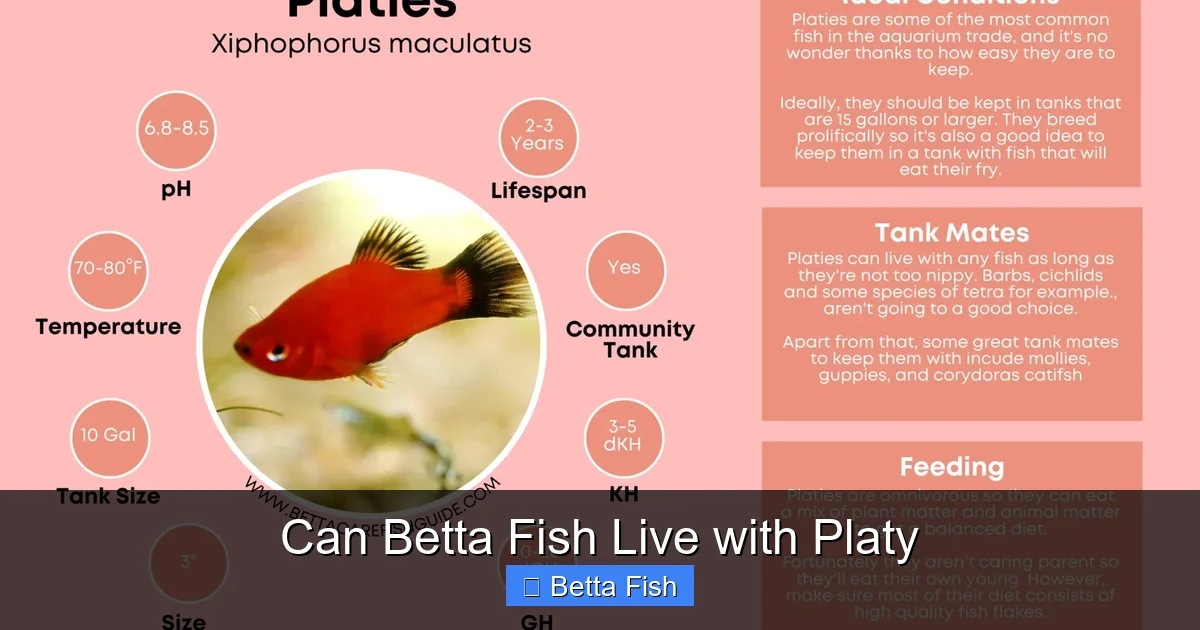
Visual guide about Can Betta Fish Live with Platy
Image source: bettacarefishguide.com
However, not all bettas are the same. Some are relatively calm and tolerate other fish. Others are extremely aggressive and will attack anything that moves. When asking “can betta fish live with platy,” your individual betta’s personality is a big factor.
What Triggers Aggression in Bettas?
Common triggers include:
- Bright colors and long fins: Fish that look like other bettas (bright, flashy) can trigger attacks.
- Lack of space: Small tanks make bettas more territorial.
- Too much activity: Very active fish can stress a betta out.
- Reflections: Bettas may attack their own reflection, thinking it’s another fish.
Platies are colorful and active, which can sometimes be a problem. But with the right setup, many hobbyists have successfully kept bettas and platies together.
Understanding Platy Fish Behavior
What Are Platies Like as Tank Mates?
Platies are peaceful, social fish that do best in small groups. They’re active swimmers and like to explore every corner of the tank. They’re not usually aggressive, but they can be a bit nippy, especially if they’re bored or crowded.

Visual guide about Can Betta Fish Live with Platy
Image source: aquariumnexus.com
Because they’re so active, platies can sometimes annoy a betta just by being “in the way.” A betta that prefers calm surroundings might see a group of zooming platies as a threat or annoyance.
Do Platies Have Any Risks Around Bettas?
Platies don’t usually attack bettas, but they can:
- Nip at long fins: Especially if underfed or stressed.
- Stress the betta: By constantly swimming around and invading its space.
- Breed quickly: If you keep males and females, you’ll soon have many babies, which can overcrowd the tank.
This doesn’t mean betta fish and platies can’t live together. It just means you need to plan carefully.
Can Betta Fish Live With Platy: Compatibility Factors
Water Parameters and Temperature
One reason bettas and platies are often considered as tank mates is that their water needs overlap.

Visual guide about Can Betta Fish Live with Platy
Image source: bettasource.com
- Bettas: Prefer 76–82°F (24–28°C), pH around 6.5–7.5.
- Platies: Prefer 70–80°F (21–27°C), pH around 7.0–8.0.
You can easily find a middle ground: around 76–78°F and a pH of 7.0–7.5. That makes it much easier to keep both species comfortable in the same tank.
Tank Size and Layout
Tank size is critical when mixing species. For bettas and platies, a 20-gallon tank or larger is strongly recommended. This gives:
- Enough room for the betta to claim a territory.
- Space for platies to swim without constantly crossing the betta’s path.
- Room for plants and decorations that break lines of sight.
A long tank is often better than a tall one because it provides more horizontal swimming space.
Gender and Numbers
When considering “can betta fish live with platy,” think about gender and group size:
- Male bettas: Most territorial. They’re the ones most likely to attack tank mates.
- Female bettas: Often less aggressive and sometimes kept in small groups (sororities), but still can be feisty.
- Platies: Do best in groups of 3–5 or more. A single platy can be stressed.
If you’re new to this, a single male betta with a small group of platies in a 20-gallon tank is a common setup. Just be ready to separate them if things go wrong.
Risks of Keeping Bettas and Platies Together
Betta Attacking the Platies
The biggest risk is the betta attacking the platies. Signs include:
Visual guide about Can Betta Fish Live with Platy
Image source: i.ytimg.com
- Flaring gills and spreading fins.
- Chasing platies around the tank.
- Nipping fins or body.
If you see torn fins, missing scales, or constant chasing, you need to separate them immediately. A stressed or injured fish can quickly become sick.
Platies Stressing or Nipping the Betta
Platies usually don’t start fights, but they can:
- Nip at the betta’s long fins.
- Stress the betta by being too active.
- Outcompete the betta for food if you’re not careful.
This is more likely in small tanks or if the platies are kept in too small a group.
Overbreeding and Overcrowding
Platies are livebearers. That means they give birth to live fry instead of laying eggs. If you keep males and females together, you’ll have babies—often.
Too many fish in the tank can:
- Increase stress for the betta.
- Lower water quality.
- Lead to more aggression and fin nipping.
Consider keeping only male platies if you don’t want constant breeding.
How to Set Up a Tank for Bettas and Platies
Minimum Tank Size and Shape
For bettas and platies together, aim for:
- 20 gallons long (30 inches or more in length) as a minimum.
- Larger is always better if you have space and budget.
This gives enough room for territories and reduces constant interaction.
Plants, Hiding Spots, and Visual Barriers
A well-decorated tank can make a huge difference. Use:
- Live or silk plants: Java fern, anubias, amazon sword, hornwort, etc.
- Floating plants: Frogbit or water sprite to give the betta cover near the surface.
- Caves and decorations: PVC pipes, ceramic caves, or commercial aquarium hides.
These break lines of sight so the betta doesn’t constantly see the platies. They also give the platies places to retreat if they’re being chased.
Filtration and Water Flow
Bettas prefer gentle water flow, while platies are fine with moderate flow. Use:
- A sponge filter or an adjustable hang-on-back filter.
- Baffle the output if the current is too strong for the betta.
Good filtration is important because more fish means more waste. Regular water changes (about 25% weekly) will help keep the water clean and stable.
Temperature and Lighting
Keep the temperature around 76–78°F. Use:
- A reliable aquarium heater with a thermostat.
- A simple thermometer to monitor the temperature.
Lighting isn’t a huge issue for compatibility, but a normal day/night cycle (8–10 hours of light) helps both species stay healthy and reduces stress.
Introducing Bettas and Platies Safely
Quarantine New Fish First
Before adding any new fish:

Visual guide about Can Betta Fish Live with Platy
Image source: fishkeepingwisdom.com
- Quarantine them in a separate tank for 2–4 weeks.
- Watch for signs of disease: white spots, clamped fins, strange behavior.
This protects your betta and any other fish you already have.
How to Introduce Platies to a Betta Tank
When you’re ready to add the platies:
- Add the platies first if possible, so the betta isn’t defending an empty tank.
- If the betta is already in the tank, rearrange decorations before adding the platies. This breaks up established territories.
- Add the platies in the evening when the lights are low.
Watch closely for the first few hours and the next couple of days.
What to Watch For
Signs the pairing might not work:
- Betta constantly chasing or flaring at the platies.
- Platies hiding all the time and not eating.
- Torn fins, missing scales, or visible injuries.
Signs it might be working:
- Betta occasionally flares but otherwise ignores platies.
- Platies swim around normally and eat well.
- No visible injuries after several days.
If you’re not sure, check out our guides on what fish can live with a male betta and other fish that can live with betta fish for more ideas.
Feeding Bettas and Platies in the Same Tank
Diet Differences
Bettas are primarily carnivores. Platies are omnivores. Their diets overlap a bit, but not completely.
- Bettas: High-protein betta pellets, frozen or live bloodworms, brine shrimp, daphnia.
- Platies: Flakes or pellets with some vegetable content, plus occasional protein.
How to Feed Them Without Problems
To avoid competition:
- Feed on opposite sides of the tank.
- Use a feeding ring or target feed the betta with tweezers or a pipette.
- Watch to make sure the betta is eating and not just chasing the platies away from food.
Overfeeding can also cause water quality problems, so feed small amounts once or twice a day.
When to Separate Bettas and Platies
Clear Signs You Need to Separate Them
Sometimes, no matter how well you plan, it just doesn’t work. Separate them if you see:
- Continuous chasing and attacks.
- Injuries like torn fins or missing scales.
- One or more fish not eating or hiding constantly.
- Rapid breathing, clamped fins, or signs of disease from stress.
It’s better to separate them early than to wait until a fish is seriously hurt.
Backup Options
It’s smart to have a backup plan:
- A second tank (even a simple 10-gallon) for emergencies.
- A tank divider so they can see each other without physical contact.
- A list of friends or local fish stores that can take a fish if needed.
Having these ready makes it less stressful if you need to act fast.
Alternatives to Platies for Betta Tank Mates
If you decide that betta fish and platies aren’t the right match for your setup, there are other options. Some popular choices include:
- Snails like nerite or mystery snails.
- Shrimp like cherry shrimp or amano shrimp.
- Small, peaceful schooling fish (in larger tanks) such as ember tetras or corydoras.
Each option has its own risks and requirements. If you’re specifically looking for more ideas, you might also like our guide on which fish can live with betta fish in a tank.
Conclusion: Can Betta Fish Live With Platy?
So, can betta fish live with platy? The short answer is: sometimes. It can work in a properly sized, well-decorated tank with a calm betta and a small group of platies. But it’s not a guarantee. You have to be ready to watch closely and separate them if needed.
Key things to remember:
- Use at least a 20-gallon tank.
- Provide plenty of plants and hiding spots.
- Monitor behavior for the first few days and weeks.
- Have a backup plan in case they don’t get along.
Every betta is different. Some will ignore the platies completely. Others will see them as a threat. If you take it slow and pay attention to their behavior, you’ll give both species the best chance at a peaceful life.
Frequently Asked Questions
Can betta fish live with platy in a 10-gallon tank?
A 10-gallon tank is generally too small for bettas and platies together. The limited space can increase aggression and stress. If you want to try this combination, a 20-gallon tank or larger is much safer.
Do platies nip betta fins?
They can, especially if they’re bored, underfed, or kept in too small a group. Fin nipping is more likely in small tanks with few hiding spots. A well-decorated, larger tank reduces this risk.
Can female bettas live with platies?
Female bettas are often less aggressive than males, so they may be more likely to tolerate platies. However, they can still be territorial, so the same rules apply: use a big tank, add plants and hides, and watch their behavior closely.
What temperature is best for bettas and platies together?
Around 76–78°F is a good middle ground for both species. This keeps the betta comfortable without making the water too warm for the platies.
Will my betta kill my platies?
It’s possible, especially with a very aggressive betta. That’s why you should introduce them carefully, watch for signs of aggression, and be ready to separate them if needed.
Should I keep only male or only female platies with my betta?
If you don’t want lots of baby fish, keeping only male platies is a good idea. Mixed groups will breed quickly, which can overcrowd the tank and stress the betta.