Do Betta Fish Need a Filter to Live in Your Tank
Do betta fish need a filter to live? Yes, proper filtration keeps water clean, reduces toxins, and supports long-term health. A good filter also helps maintain stable water conditions without constant manual cleaning. Choose a gentle filter that matches your tank size and avoids strong currents. Regular maintenance and careful setup will keep your betta thriving for years.
Key Takeaways
- Filtration improves water quality: A filter removes waste, leftover food, and harmful chemicals that build up over time.
- Bettas prefer calm water: Strong currents stress them, so choose a low-flow or adjustable filter.
- Tank size matters: Smaller tanks need gentle filtration, while larger setups benefit from more robust systems.
- Regular maintenance is essential: Clean or replace filter media on schedule to keep water fresh and safe.
- Live plants help but do not replace filters: Plants absorb some waste, yet mechanical and biological filtration still matter.
- Test water regularly: Use simple test kits to track ammonia, nitrite, and nitrate levels for a healthy tank.
- Choose the right filter type: Sponge, hang-on-back, and internal filters all work well when matched to your setup.
📑 Table of Contents
- Do Betta Fish Need a Filter to Live in Your Tank?
- Why Filtration Matters for Betta Fish
- Do Bettas Really Need a Filter, or Can They Survive Without One?
- Best Filter Options for Betta Tanks
- Water Flow, Tank Size, and Betta Comfort
- Maintaining a Filtered Betta Tank
- Common Betta Filter Myths
- Final Thoughts on Betta Filtration
Do Betta Fish Need a Filter to Live in Your Tank?
Setting up a new tank can feel exciting and confusing at the same time. You want your betta to stay healthy, active, and colorful. At the same time, you may wonder whether all the equipment is truly necessary. Many beginners ask the same question: do betta fish need a filter to live? The short answer is that filtration makes life much easier for both you and your fish. It helps keep water clean, stable, and safe. Still, not every filter works the same way, and not every tank needs the same setup.
A betta fish can survive for a while in poor conditions, but survival is not the same as thriving. Clean water supports better color, stronger immunity, and more natural behavior. A good filter also reduces the amount of work you do by hand. Instead of changing water constantly, you can maintain a balanced environment with less effort. That said, the filter must fit the tank and the fish. A strong current can stress a betta, while a weak system may not clean the water well enough.
In this guide, we will walk through why filtration matters, which filter types work best, and how to keep your setup healthy without overwhelming your fish. You will also learn how water quality, tank size, and maintenance all work together. By the end, you will know how to create a calm, clean home that supports your betta’s long-term well-being.
Why Filtration Matters for Betta Fish
Water quality is one of the biggest factors in fish health. Even if your tank looks clean, invisible waste can build up quickly. Fish produce waste, food breaks down, and decaying plant matter adds more debris. Without filtration, those wastes can turn into harmful compounds. That is why many people ask, do betta fish need a filter to live, especially when they see bettas kept in small bowls without equipment.
A filter helps in three main ways. First, it removes solid particles from the water. Second, it supports beneficial bacteria that break down toxic waste. Third, it keeps water moving so temperature and chemistry stay more consistent. Still water can become stale, especially in small tanks. Movement also helps oxygen reach the water, which supports both fish and beneficial bacteria.
It is true that bettas have a special ability to breathe air from the surface. That trait helps them survive in low-oxygen water for short periods. But breathing air does not mean they enjoy dirty or unstable water. A stable environment is still better for their overall health. If you want to understand more about their breathing habits, you can read Do Betta Fish Have To Breathe Air for a closer look at how they use oxygen.
Another important point is that filtration reduces sudden changes. When waste builds up slowly, water conditions can shift without warning. A filter helps smooth out those changes. That stability matters because bettas can be sensitive to poor water quality. They may become less active, lose color, or stop eating when conditions decline. Good filtration helps prevent those problems before they start.
Do Bettas Really Need a Filter, or Can They Survive Without One?
This question comes up often because bettas are sometimes sold in tiny containers. Those containers are usually meant for short-term display, not long-term living. A betta may survive in a small unfiltered space for a while, but that setup usually requires very frequent water changes. Without a filter, you take on the job of removing waste manually. That can be tiring and easy to forget.
So, do betta fish need a filter to live in every case? Not always, but it is strongly recommended for most home aquariums. If you keep a very small container, you would need to change water often and monitor it carefully. Even then, the environment may still be less stable than a properly filtered tank. A filter gives you a safety net. It helps keep water safer between cleanings.
Some beginners also wonder whether a betta can live in a tank without a filter at all. The answer depends on tank size, stocking, feeding, and maintenance habits. A lightly stocked, well-planted tank with careful water changes may work for some keepers. However, that approach demands more attention. If you want a simpler and more reliable routine, filtration is the better choice. You can explore this more in Can Betta Fish Live In A Tank Without A Filter.
It is also helpful to think about the long term. A betta that lives in cleaner water may stay healthier and more active. Stress from poor water can weaken the immune system over time. That can make the fish more vulnerable to disease. A filter does not guarantee perfect health, but it does lower many common risks.
Best Filter Options for Betta Tanks
Choosing the right filter is about balance. You want enough filtration to keep water clean, but not so much flow that your betta struggles to swim. Bettas usually prefer calm conditions. They are not built for strong currents, and constant fighting against flow can wear them down. That is why the best filter for a betta tank is often gentle and adjustable.
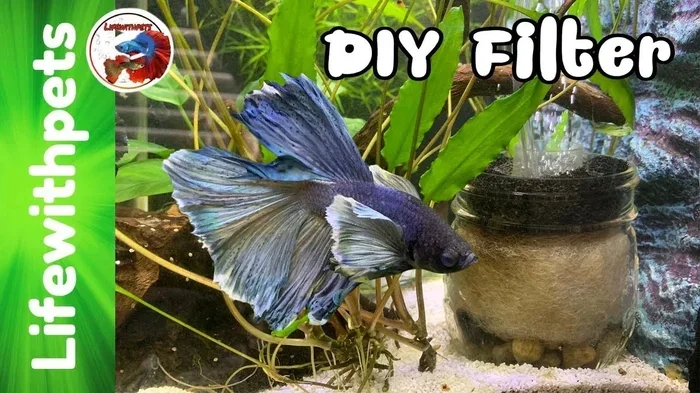
A sponge filter is a popular choice for smaller tanks. It provides biological filtration and moves water softly. It is also easy to maintain and usually affordable. Many keepers like sponge filters because they create less current than other options. If you are setting up a breeding tank or a quiet community setup, this can be a smart pick.
Hang-on-back filters are another common option. They are simple to install and often come with adjustable flow controls. These filters can handle mechanical, biological, and sometimes chemical filtration. They work well in small to medium tanks when the flow is set properly. You can often redirect the output so water moves more gently.
Internal filters sit inside the tank and can be useful when space is limited. They are compact and easy to position. Some models allow flow adjustment, which helps you tailor the current. When choosing one, make sure it is sized for your tank rather than overpowering it. A filter that is too strong can create stress even if it cleans well.
If you are unsure which style fits your setup, it helps to think about your tank size and your maintenance comfort. A smaller tank may do well with a sponge or small internal filter. A larger tank may need a hang-on-back model or a carefully adjusted internal system. For more guidance on filters in betta tanks, see Can You Use A Filter With Betta Fish.
Quick Tips:
- Choose a filter with adjustable flow if possible.
- Position the output so it does not blast the fish directly.
- Start with gentle filtration and increase only if needed.
- Match the filter to your tank size, not just the fish.
Water Flow, Tank Size, and Betta Comfort
A filter does more than clean water. It also affects how the water moves. Betta fish usually feel best in calm, stable environments. In the wild, they often live in slow-moving streams, rice paddies, and shallow waters. Those places are not fast rivers. That is why a gentle setup usually works better than a powerful one.
Tank size plays a big role here. In a small tank, even a mild filter can feel strong. In a larger tank, the same filter may be perfectly balanced. If your tank is compact, you may need to baffle the output or choose a lower-flow model. You can also use plants or decorations to break up the current. That gives your betta places to rest and explore without fighting the flow.
Space matters for more than just comfort. It also affects water stability. Smaller volumes of water change faster than larger ones. That means waste, temperature, and chemistry can shift more quickly. A filter helps, but the tank size still matters a lot. If you are curious about how much room your fish needs, you may find Do Betta Fish Like A Lot Of Space useful.
It is also worth thinking about hiding spots. Bettas often appreciate plants, leaves, and quiet corners. These features give them a sense of security. A calm tank with good cover can feel much more natural than an open, turbulent setup. When water movement is gentle, your betta can swim comfortably and rest when it wants to.
Common Mistakes:
- Using a filter that is too powerful for the tank.
- Pointing the outflow directly at the fish.
- Ignoring tank size when choosing filtration.
- Forgetting that decorations can help reduce current.
Maintaining a Filtered Betta Tank
A filter is helpful, but it is not a set-it-and-forget-it solution. You still need regular care to keep the tank healthy. Maintenance does not have to be difficult. In fact, a simple routine can make fishkeeping much easier. The goal is to keep the filter working well while preserving the beneficial bacteria that support water quality.
One important task is cleaning the filter media. Over time, debris can clog the sponge, cartridge, or intake. When that happens, water flow may slow down. Rinse the media in old tank water instead of tap water. Tap water can contain chlorine or other substances that may harm beneficial bacteria. Gentle rinsing usually works better than scrubbing.
Water changes are still part of the routine, even with a filter. A filter helps reduce waste, but it does not remove everything. Regular partial water changes help keep nitrate levels in check and refresh the environment. The exact schedule depends on your tank size, feeding habits, and bioload. Many keepers find a steady routine easier than waiting until the water looks dirty.
It is also smart to test your water from time to time. Simple test kits can show you what is happening beneath the surface. Ammonia and nitrite should stay at safe levels, while nitrate should remain controlled. Testing helps you catch problems early. If you want to learn more about water care, check Do Betta Fish Have To Have Water Changes.
Expert Insights:
- Clean filter media in removed tank water, not fresh tap water.
- Replace filter parts only as needed, not on a rigid schedule.
- Keep an eye on flow rate as a sign of clogging.
- Use water changes to support filtration, not replace it entirely.
Common Betta Filter Myths
There is a lot of conflicting advice about betta care, and filtration is no exception. One common myth is that bettas never need filtration because they live in muddy ponds. That idea oversimplifies their natural habitat. Even in shallow wild environments, water is often warmer, richer in oxygen at the surface, and part of a larger ecosystem. A small closed tank is very different from those natural spaces.
Another myth is that any filter will make the tank too harsh for a betta. That is not true if you choose the right type. Many filters can be adjusted or positioned to create gentle movement. The problem is usually the wrong filter or poor setup, not filtration itself. When chosen carefully, a filter can make the tank more comfortable, not less.
Some people also believe that if the water looks clear, it must be safe. Clear water can still contain harmful compounds. Visual cleanliness does not tell the full story. That is why consistent care matters so much. A filter helps, but your routine and observation matter too.
A related concern is whether a betta must live alone or can share its tank. That depends on the fish, the tank size, and the tank mates. Filtration can support a community setup by helping keep water stable, but compatibility still comes first. If you are curious about pairing bettas with other fish, you can read Do Betta Fish Have To Be Kept Alone.
Final Thoughts on Betta Filtration
So, do betta fish need a filter to live? They can survive without one in some situations, but a filter usually creates a healthier and easier-to-manage home. Filtration helps control waste, supports beneficial bacteria, and keeps water more stable. For most keepers, that means less stress and better conditions for the fish.
The best setup is one that matches your tank size, your maintenance routine, and your betta’s comfort. Gentle flow, regular cleaning, and careful water changes all work together. When you choose the right filter and use it well, you give your betta a much better chance to stay active, colorful, and healthy.
If you are building your first tank or improving an existing one, start simple. Pick a filter that fits the space, keep the current calm, and stay consistent with care. A well-maintained tank does not have to be complicated. With a little attention, your betta can enjoy a clean and peaceful home.
Frequently Asked Questions
Do betta fish need a filter to live in a small tank?
They can survive in a small tank without a filter if you change the water very often, but a gentle filter usually makes the setup safer and easier to maintain.
What kind of filter is best for a betta fish?
A low-flow sponge filter, adjustable hang-on-back filter, or small internal filter often works well because bettas prefer calm water.
Can a filter current be too strong for a betta?
Yes, a strong current can stress a betta and make swimming harder, so it helps to adjust the flow or redirect the output.
Do I still need water changes if I use a filter?
Yes, a filter helps keep water clean, but regular partial water changes are still important to control waste and maintain good conditions.
How often should I clean a betta filter?
Clean it when flow slows or media looks clogged, and rinse the media in old tank water instead of tap water to protect beneficial bacteria.
Can live plants replace a filter in a betta tank?
Live plants can help improve water quality, but they usually work best alongside filtration rather than replacing it completely.