How Much Is an Emerald Green Betta Fish
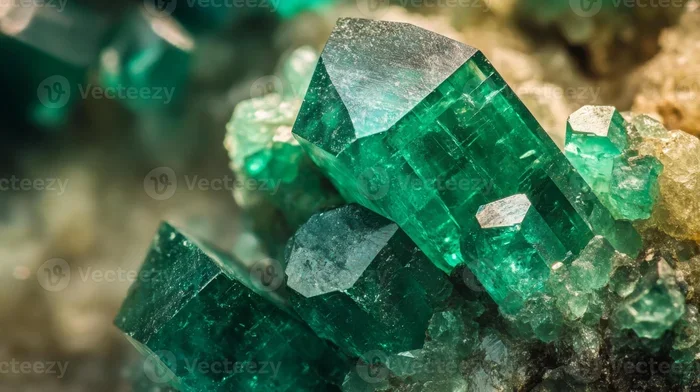
The emerald green betta fish is one of the most sought-after varieties among fish lovers, prized for its vivid coloration and graceful fins. Knowing how much is an emerald green betta fish helps you budget properly and avoid overpaying. In this guide, we cover pricing, care requirements, tank setup, diet, breeding tips, and everything else you need to keep your emerald green betta fish thriving.
Key Takeaways
- Price Range: An emerald green betta fish typically costs between $15 and $50 depending on quality, color intensity, and breeder reputation.
- Tank Requirements: These fish need at least a 5-gallon tank with warm, clean water to stay healthy and display their best colors.
- Diet Needs: A high-protein diet with varied foods keeps your betta active and enhances the richness of its emerald coloring.
- Lifespan: With proper care, an emerald green betta fish can live 3 to 5 years in captivity.
- Health Monitoring: Regular observation for signs of illness is critical, as bettas are prone to certain common conditions.
- Breeding Potential: Breeding emerald green bettas is possible but requires specific water conditions and careful pair selection.
📑 Table of Contents
- Introduction
- What Makes the Emerald Green Betta Fish Special
- How Much Is an Emerald Green Betta Fish
- Setting Up the Perfect Tank for Your Emerald Green Betta
- Feeding and Diet for Emerald Green Betta Fish
- Health and Care Tips for Emerald Green Bettas
- Breeding Emerald Green Betta Fish
- Lifespan and Long-Term Commitment
- Conclusion
Introduction
The world of betta fish is incredibly diverse, with hundreds of varieties that range from brilliant blues to deep reds. Among all these options, the emerald green betta fish stands out as a true showstopper. Its shimmering, jewel-like color captures light in mesmerizing ways, making it a favorite for aquarists of every level.
Whether you are a first-time fish owner or a seasoned hobbyist, understanding how much is an emerald green betta fish is an important first step. Price can vary widely based on several factors, and knowing what to expect helps you make a smart purchase. Beyond cost, this guide walks you through proper care, feeding, tank setup, health tips, and even breeding advice for these beautiful creatures.
Let us dive into everything you need to know about the emerald green betta fish so you can bring one home with confidence.
What Makes the Emerald Green Betta Fish Special
Unique Coloration and Genetics
The emerald green betta fish gets its name from its rich, green coloring that often shimmers with metallic or iridescent undertones. This color is not just a simple pigment. It comes from specific genetic mutations that affect how light reflects off the fish’s scales.
Many green bettas display what hobbyists call a glow or metallic sheen. Under aquarium lighting, the scales can flash hints of turquoise, gold, or even blue. This makes each fish unique, since no two emerald green bettas look exactly alike. The intensity of the color depends on several factors, including genetics, diet, water quality, and overall health. A well-cared-for betta will display far richer coloring than one kept in poor conditions.
Breeders often work to refine the green hue through selective pairing. This process can take multiple generations, which is one reason why top-quality specimens carry a higher price tag. If you want a betta that truly pops in your tank, the emerald green variety is hard to beat.
Popularity Among Aquarists
Green bettas have grown in popularity over the past decade. They fit well in planted tanks, where their color contrasts beautifully with green foliage. Many hobbyists also keep them in betta cubes or small desktop setups, where the fish’s vivid color becomes a living decoration.
Social media has also played a big role. Photos and videos of glowing green bettas regularly go viral, drawing new enthusiasts into the hobby. This increased demand has pushed prices upward for premium specimens, especially those with rare color combinations like emerald green with turquoise or gold overlay.
How Much Is an Emerald Green Betta Fish
Average Price Range
So, how much is an emerald green betta fish exactly? The answer depends on several variables, but here is a general breakdown:
- Pet store bettas: $10 to $25. These are usually standard-grade fish with decent coloration. They make great starter pets and are affordable for beginners.
- Breeder-quality bettas: $25 to $50. These fish show stronger color, better finnage, and more vibrant metallic sheen. A reputable breeder often provides health guarantees.
- Premium or show-grade bettas: $50 to $100+. These are top-tier specimens with exceptional color, symmetry, and finnage. Collectors and serious hobbyists often compete with these fish.
If you are wondering how this compares to other betta types, the emerald green generally falls in the mid-to-high price range. It is not the most expensive variety, but high-quality examples can get pricey.
Factors That Affect Price
Several key factors determine the final cost of your emerald green betta fish:
- Color intensity: The deeper and more vibrant the green, the higher the price. Fish with a strong metallic glow command premium costs.
- Fin type: Halfmoon, plakat, and crown tail fin types each have different price points. Halfmoon bettas with large, flowing fins typically cost more.
- Breeder reputation: Established breeders who consistently produce high-quality fish charge more. Their offspring tend to be healthier and more colorful.
- Age and size: Younger bettas (4 to 6 weeks old) cost less but need more careful care. Adults with fully developed color are priced higher.
- Location: Prices vary by region. In areas with few fish stores, you may pay more. Buying from online breeders can sometimes save money.
- Color combinations: An emerald green betta with additional colors like gold, turquoise, or black often costs more than a solid green specimen.
Before buying, it helps to compare prices across different sources. For general betta pricing trends, you can check resources on how much is a betta fish to get a broader sense of market rates.
Price Comparison Table
The table below compares emerald green bettas with other popular betta color varieties at different quality levels:
Betta Variety | Pet Store | Breeder-Quality | Show-Grade
Emerald Green | $10 – $25 | $25 – $50 | $50 – $100+
Royal Blue | $8 – $20 | $20 – $40 | $40 – $80
Red | $8 – $15 | $15 – $35 | $35 – $70
Koi | $12 – $30 | $30 – $55 | $55 – $120
Halfmoon Purple | $10 – $20 | $25 – $45 | $45 – $90
As you can see, emerald green bettas sit comfortably in the mid-range for most categories. They offer excellent value considering their visual impact.
Setting Up the Perfect Tank for Your Emerald Green Betta
Tank Size and Setup
One of the biggest mistakes new owners make is keeping a betta in a tiny bowl. While bettas can survive in small spaces, they truly thrive in proper tanks. For an emerald green betta fish, a minimum of 5 gallons is recommended. Larger tanks (10 gallons or more) are even better because they provide more swimming room and stable water conditions.
Here is a basic checklist for setting up a betta tank:
- A tank with a lid (bettas are known jumpers)
- A gentle filter (bettas dislike strong currents)
- A heater to maintain water temperature between 78°F and 80°F
- A substrate like fine gravel or sand
- Live or silk plants for hiding spots
- A betta hammock or resting spot near the surface
Adding plants serves a dual purpose. They help maintain water quality by absorbing nitrates, and they create a natural environment that brings out the best in your betta’s coloring. For more details on tank requirements, see our guide on how much space does a betta fish really need.
Water Conditions
Maintaining proper water conditions is essential for your betta’s health and color vibrancy. Emerald green bettas do best in the following parameters:
- Temperature: 76°F to 82°F (ideally 78°F to 80°F)
- pH: 6.5 to 7.5 (slightly acidic to neutral)
- Ammonia: 0 ppm (toxic even in small amounts)
- Nitrite: 0 ppm
- Nitrate: Below 20 ppm
Invest in a good water test kit and test your water weekly. Partial water changes of 25% to 50% every week help keep these parameters stable. Always treat tap water with a dechlorinator before adding it to the tank.
Best Tank Mates
Emerald green bettas can be territorial, especially males. Keeping two male bettas together is never a good idea. However, some peaceful species can coexist with your betta:
- Snails (nerite snails, mystery snails)
- Shrimp (ghost shrimp, amano shrimp)
- Small schooling fish like ember tetras or harlequin rasboras (in larger tanks)
Always monitor interactions when introducing tank mates. Some bettas may still show aggression regardless of compatibility.
Feeding and Diet for Emerald Green Betta Fish
What to Feed
A high-quality diet directly impacts the color and energy of your emerald green betta fish. In the wild, bettas are carnivores that eat insects, larvae, and small crustaceans. In captivity, they need a similar protein-rich diet.
Here are the best food options:
- High-quality betta pellets: These should form the staple diet. Look for pellets with animal-based protein as the first ingredient.
- Frozen or freeze-dried bloodworms: Excellent for adding variety and boosting color. Feed in small amounts to avoid overfeeding.
- Frozen brine shrimp: A protein-packed treat that supports growth and vitality.
- Daphnia: A natural laxative that helps with digestion.
Avoid feeding your betta generic tropical fish flakes. These do not meet a betta’s nutritional needs and can lead to health problems. For more feeding guidance, you can explore articles on how much food for a betta fish to get detailed portion advice.
Feeding Schedule
Follow this simple feeding routine for best results:
- Feed 2 to 3 pellets twice a day as a baseline.
- Offer a treat (bloodworms or brine shrimp) once or twice a week.
- Skip feeding once a week to give the fish’s digestive system a rest.
- Never feed more than the betta can consume in 2 to 3 minutes.
Overfeeding is one of the most common causes of health issues in bettas. Uneaten food quickly fouls the water, leading to spikes in ammonia and nitrite. When in doubt, feed less rather than more.
Health and Care Tips for Emerald Green Bettas
Common Health Issues
Emerald green bettas are generally hardy, but they can develop certain health problems. Being aware of these issues helps you catch them early:
- Fin rot: Caused by bacterial infection, often from poor water quality. Fins appear ragged or discolored.
- Ich (white spot disease): A parasitic infection that causes white spots on the body and fins.
- Swim bladder disorder: Affects the fish’s buoyancy, causing it to float or sink. Often triggered by overfeeding.
- Tail biting: Sometimes self-inflicted, especially in small tanks with little stimulation.
- Loss of color: Can indicate stress, illness, or poor diet. A healthy emerald green betta should always display vivid coloring.
If you notice any of these symptoms, act quickly. Improving water quality is usually the first and most important step. For detailed guidance on identifying when your betta is in trouble, read our article on how to tell if my betta fish is sick.
Preventive Care
Prevention is always better than treatment. Here are proven ways to keep your betta healthy:
- Perform weekly partial water changes (25% to 50%).
- Test water parameters regularly with a reliable kit.
- Quarantine new fish before adding them to your main tank.
- Avoid overfeeding and maintain a consistent feeding schedule.
- Provide enrichment with plants, caves, and floating logs.
- Keep the tank away from direct sunlight and drafts.
Regular observation is your best tool. Spend a few minutes each day watching your betta. You will quickly learn what normal behavior looks like and spot problems early. A healthy emerald green betta is active, curious, and displays bright, shimmering scales.
Breeding Emerald Green Betta Fish
Breeding Basics
Breeding emerald green bettas is a rewarding but challenging endeavor. It requires patience, knowledge, and the right setup. Before attempting to breed, make sure you have a separate breeding tank and a plan for raising the fry.
Male bettas build bubble nests at the water surface. This is a sign of readiness. A healthy male will create a nest of small bubbles, often anchored to plants or other objects near the surface. The female signals readiness through vertical stripes on her body and a swollen belly.
The breeding process involves introducing the pair carefully, allowing courtship, and then removing the female after spawning to prevent aggression from the male. The male then guards the eggs and fry in the bubble nest.
Tips for Success
Here are practical tips for breeding emerald green bettas:
- Use a dedicated breeding tank of at least 5 gallons with no substrate (easier to clean).
- Maintain water temperature around 80°F to encourage breeding behavior.
- Condition both parents with high-protein foods for 1 to 2 weeks before breeding.
- Remove the female once eggs are laid to protect her from the male’s aggression.
- Feed fry with infusoria or liquid fry food for the first few days, then graduate to baby brine shrimp.
- Keep water extremely clean, as fry are very sensitive to poor conditions.
Breeding for color is where things get exciting. To produce intense emerald green offspring, pair fish that both display strong green coloring. Over multiple generations, you can refine the hue and develop lines that consistently produce vivid, high-quality emerald green bettas.
Lifespan and Long-Term Commitment
When investing in an emerald green betta fish, it is important to understand the long-term commitment involved. The typical betta fish lifespan ranges from 3 to 5 years in captivity. Some well-cared-for individuals have been known to live beyond 5 years, though this is less common.
Several factors influence how long your betta lives:
- Water quality: Consistent clean water is the single biggest factor in longevity.
- Diet: A balanced, protein-rich diet supports overall health and color maintenance.
- Stress levels: Avoiding aggressive tank mates and providing hiding spots reduces stress.
- Genetics: Fish from quality breeding lines tend to be healthier and live longer.
Plan ahead before bringing a betta home. Make sure you have the time, resources, and equipment to provide proper care for the full lifespan of the fish. A well-kept emerald green betta can bring years of enjoyment and become a truly beloved pet.
Conclusion
Understanding how much is an emerald green betta fish is just the beginning of your journey with these magnificent creatures. Whether you purchase a budget-friendly pet store betta or invest in a premium show-grade specimen, proper care makes all the difference. A well-set-up tank, quality diet, regular health monitoring, and clean water conditions will keep your emerald green betta thriving for years to come.
The emerald green betta fish offers something truly special. Its vibrant color, personality, and relatively simple care needs make it an excellent choice for both beginners and experienced aquarists. Do your research before buying, choose a reputable source, and be prepared to provide the attention and environment these fish deserve. With the right care, your emerald green betta will dazzle you every single day.
Frequently Asked Questions
How much is an emerald green betta fish?
An emerald green betta fish typically costs between $10 and $50 at pet stores, while premium or show-grade specimens from specialized breeders can range from $50 to $100 or more. The price depends on color intensity, fin type, breeder reputation, and overall quality.
What makes an emerald green betta fish different from other bettas?
The emerald green betta fish is distinguished by its rich, metallic green coloring that often shimmers with turquoise or gold undertones. This unique coloration comes from specific genetic mutations that affect light reflection on the scales, making each fish visually distinct and highly prized among hobbyists.
Can emerald green betta fish live with other fish?
Male emerald green bettas are generally territorial and should not be housed with other male bettas. However, they can coexist peacefully with certain species like nerite snails, ghost shrimp, or small schooling fish in a large enough tank. Always monitor interactions carefully when introducing tank mates.
What is the lifespan of an emerald green betta fish?
With proper care, an emerald green betta fish typically lives between 3 to 5 years. Factors that influence lifespan include water quality, diet, stress levels, and genetics. Providing a clean, well-maintained tank with a balanced diet gives your betta the best chance at a long, healthy life.
How big do emerald green betta fish get?
Emerald green betta fish typically grow to about 2 to 3 inches in length, including their fins. Males tend to be slightly larger than females and develop longer, more flowing fins. Their size depends on genetics, diet, and the quality of their living environment.
Are emerald green betta fish rare?
Emerald green bettas are moderately available and not considered extremely rare, but high-quality specimens with intense metallic coloring can be harder to find. Standard-grade green bettas are commonly available at pet stores, while top-quality examples from reputable breeders may require more effort to locate.