Are Betta Fish Vertebrates

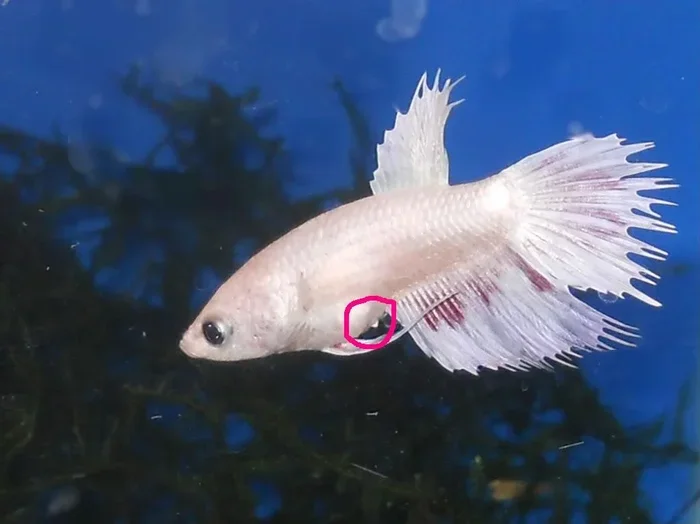
Betta fish are indeed vertebrates, belonging to the class Actinopterygii, the ray‑finned fishes. Their backbone, skull, and spinal column give them the same basic structure as other fish, birds, and mammals. Understanding this helps you provide proper tank conditions, nutrition, and health monitoring.
Key Takeaways
- Betta fish are vertebrates: They have a true spinal column made of vertebrae.
- Classification matters: As ray‑finned fishes, bettas share traits with many tropical aquarium species.
- Vertebrate anatomy influences care: Their backbone, gills, and swim bladder affect tank setup and feeding.
- Evolutionary background: Bettas evolved in Southeast Asian rice paddies, shaping their behavior and physiology.
- Health signs are linked to the spine: Curved or damaged vertebrae show up as swimming problems.
- Comparisons help beginners: Knowing bettas are vertebrates clarifies why they differ from invertebrate pets like shrimp.
- Internal resources: Explore related topics such as what betta fish are, their freshwater needs, and why they’re so popular.
📑 Table of Contents
- Introduction: Why the Question Matters
- What Makes an Animal a Vertebrate?
- Betta Fish Anatomy: A Closer Look at Their Backbone
- Evolutionary Roots: How Betta Fish Became the Species We Love
- Practical Implications: Caring for a Vertebrate Betta
- Comparing Betta Fish to Other Aquarium Pets
- Frequently Overlooked Facts About Betta Vertebrae
- Conclusion: Embrace the Vertebrate Nature of Your Betta
Introduction: Why the Question Matters
When you first meet a betta fish, its dazzling colors and flowing fins can make it feel almost mythical. Many hobbyists wonder, “are betta fish vertebrates?” The answer isn’t just trivia; it shapes how you care for these little swimmers.
Knowing that bettas belong to the vertebrate group tells you they have a backbone, a skull, and a complex nervous system—features that influence water quality needs, diet, and even tank mates. In this article we’ll break down the science in plain language, walk through the anatomy, compare bettas to other fish, and give you practical tips for a happy, healthy pet.
What Makes an Animal a Vertebrate?
Defining the Vertebrate Blueprint
Vertebrates are animals with an internal skeleton that includes a spine made of individual bones called vertebrae. This group includes fish, amphibians, reptiles, birds, and mammals. The spine protects the spinal cord, a major highway for nerve signals.
Key Characteristics
- Vertebral column: A series of stacked bones.
- Skull: Encloses the brain and sensory organs.
- Complex nervous system: Enables quick responses to the environment.
- Endoskeleton: Internal support rather than an external shell.
If an animal has these traits, it’s a vertebrate. Betta fish check every box.
Betta Fish Anatomy: A Closer Look at Their Backbone
The Spinal Column
The betta’s spine runs from the skull to the tail fin. It’s made up of roughly 30 to 35 small vertebrae, each connected by cartilage and ligaments. This flexibility lets the fish glide smoothly, perform rapid bursts, and flare its fins during courtship or aggression.
Skull and Brain
The skull protects a compact brain that controls swimming, balance, and the famous “bubble nest” building. Unlike some invertebrates, bettas have well‑developed sensory organs—eyes, lateral line, and taste buds—wired to the brain through the spinal cord.
Other Vertebrate Features
- Gills: Extract oxygen from water, a hallmark of fish.
- Swim bladder: A gas‑filled organ that helps them maintain buoyancy.
- Fin rays: Supported by tiny bones called lepidotrichia.
All of these parts work together, just like in any other vertebrate fish.
Evolutionary Roots: How Betta Fish Became the Species We Love
Origins in Southeast Asia
Bettas (Betta splendens) are native to the shallow, warm waters of Thailand, Cambodia, and Vietnam. Their ancestors lived among rice paddies, stagnant pools, and slow‑moving streams. Over time, they evolved bright colors and aggressive territorial behavior to survive in crowded, low‑oxygen habitats.
Adaptations Tied to Their Vertebrate Nature
The robust spine lets bettas dart up to 5 mph in short bursts—useful for escaping predators or chasing rivals. Their swim bladder, a vertebrate trait, lets them hover near the water surface to gulp air, an adaptation to oxygen‑poor environments.
Why Evolution Matters for Caretakers
Understanding that bettas are vertebrates helps you mimic their natural world: warm water (around 78‑80 °F), surface access for air‑breathing, and plenty of hiding spots to reduce stress.
Practical Implications: Caring for a Vertebrate Betta
Tank Size and Shape
Because bettas have a spine and swim bladder, they need enough room to move without bumping into hard surfaces. A 5‑gallon (19 L) tank with a gentle slope is ideal. Avoid tiny bowls that restrict movement and can cause spinal stress.
Water Parameters
Stable pH (6.5‑7.5) and temperature (78‑80 °F) keep the nervous system firing correctly. Sudden shifts can affect the spinal cord, leading to erratic swimming.
Diet and Digestion
Betta fish are carnivorous vertebrates with short digestive tracts. Feed high‑protein pellets, frozen brine shrimp, or bloodworms 2‑3 times a day. Overfeeding leads to constipation, which can press on the spine and cause “swim‑up” issues.
Health Checks Linked to the Spine
- Curved swimming: May indicate a spinal fracture or swim bladder infection.
- Floating upside‑down: Often a sign of swim bladder trouble, which is tied to the vertebral column.
- Lethargy: Could be nerve damage from poor water quality.
If you notice any of these signs, test water parameters immediately and consider a veterinary check.
Comparing Betta Fish to Other Aquarium Pets
Betta vs. Invertebrates
Invertebrates like shrimp or snails lack a backbone. They breathe through gills or lungs and have exoskeletons. Because bettas are vertebrates, they have higher oxygen demands and need more space.
Betta vs. Other Fish
Most tropical fish are also vertebrates, but bettas are unique in their air‑breathing ability and aggressive nature. Their vertebrate spine is more robust, allowing the dramatic fin flares you see during mating rituals.
Why This Comparison Helps Beginners
Understanding that bettas are vertebrates clarifies why they cannot share a tank with small invertebrates that might become prey, and why they need a different water flow setup compared to, say, a peaceful tetra school.
Frequently Overlooked Facts About Betta Vertebrae
Spinal Flexibility and Color Display
When a male betta flares his fins, he also arches his body, showcasing the flexibility of his vertebral column. This display is a visual cue for both rivals and potential mates.
Age‑Related Spine Changes
Older bettas may develop slight curvature or arthritis in the vertebrae. Regular water changes and a balanced diet can slow these changes.
Impact of Tank Decorations
Sharp decorations can injure the delicate vertebrae. Choose smooth rocks, silk plants, and soft driftwood to protect the spine.
Conclusion: Embrace the Vertebrate Nature of Your Betta
Answering the simple question “are betta fish vertebrates?” opens a doorway to deeper understanding. Their backbone, skull, and nervous system place them firmly in the vertebrate family, influencing every aspect of their care—from tank size to diet and health monitoring. By respecting their anatomy, you’ll enjoy a vibrant, active betta that thrives for years.
Remember, a happy betta is a healthy betta. Keep the water clean, provide space for its spine to move, and watch for any signs of spinal distress. With this knowledge, you’re well on your way to becoming a confident betta keeper.
Frequently Asked Questions
Are betta fish considered vertebrates?
Yes. Betta fish have a spinal column made of vertebrae, a skull, and a complex nervous system, placing them firmly in the vertebrate group.
What class of vertebrates do bettas belong to?
Bettas are ray‑finned fishes (class Actinopterygii), the same class that includes most popular aquarium fish like guppies and tetras.
Do betta fish have a swim bladder?
They do. The swim bladder works with their vertebral column to help them control buoyancy and maintain depth in the water.
How can I tell if my betta’s spine is injured?
Signs include curved swimming, difficulty staying upright, or a “wiggly” motion. Check water quality first, then consider a vet visit.
Why do bettas need access to the water surface?
As air‑breathing vertebrates, bettas have a labyrinth organ that lets them gulp air from the surface, an adaptation to low‑oxygen habitats.
Are betta fish related to other popular aquarium fish?
Yes. They share many vertebrate features with other tropical fish, which is why you’ll find similar care requirements across species.