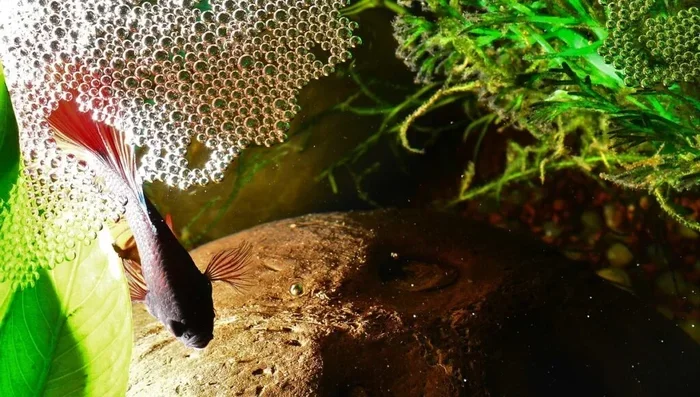
Do Betta Fish Need Bubble Stone
Do betta fish need a bubble stone? Not always, but it can greatly improve water oxygenation and water quality in certain setups. Bettas are hardy fish that can survive in low-oxygen environments, yet adding an aquarium aeration device like a bubble stone can boost dissolved oxygen, promote healthy water circulation, and create a more enriching betta habitat. This guide covers when you need one, how to choose the right size, and common mistakes to avoid.
Key Takeaways
- Bettas don’t always need a bubble stone: In well-planted tanks with proper filtration, natural oxygen levels are usually sufficient for your betta fish.
- Bubble stones improve water oxygenation: They increase dissolved oxygen through surface agitation and help remove harmful gases like ammonia.
- Small bowls may benefit most: Unfiltered bowls and small tanks often lack water movement, making a bubble stone a smart addition for betta fish health.
- Choose the right size: A small air stone paired with a low-output air pump works best for betta tanks between 5 and 10 gallons.
- Watch for common mistakes: Using an oversized bubble stone or placing it near your betta’s favorite resting spot can cause unnecessary stress.
- Noise matters: Some bubble stones produce humming or gurgling sounds. Look for quiet models to keep your aquarium experience peaceful.
- Combine with proper care: A bubble stone supports good water quality but doesn’t replace regular water changes, proper feeding, and betta fish enrichment.
📑 Table of Contents
- Do Betta Fish Really Need a Bubble Stone?
- What Does a Bubble Stone Do for Your Betta?
- When Do Betta Fish Actually Need a Bubble Stone?
- Situations Where a Bubble Stone Isn’t Necessary
- How to Choose the Right Bubble Stone for Your Betta Tank
- Common Mistakes When Using Bubble Stones
- Expert Insights on Bubble Stones and Betta Care
- Conclusion
Do Betta Fish Really Need a Bubble Stone?
If you’re a proud betta fish owner, you’ve probably wondered whether your little finned friend needs a bubble stone. Maybe you walked into a pet store and saw a flashy bubble wall next to a betta tank. Or perhaps you scrolled through social media and saw gorgeous betta setups with streams of tiny bubbles dancing through the water. It’s natural to ask: do betta fish need a bubble stone?
The short answer is: not always. Bettas are incredibly resilient fish. They can live in small bowls with no filtration and still survive. But surviving and thriving are two very different things. A bubble stone for betta fish can make a real difference in certain tank setups. It helps with water oxygenation, improves water circulation, and keeps your betta habitat looking and feeling dynamic.
In this guide, we’ll break down everything you need to know. We’ll cover what a bubble stone actually does, when your betta needs one, how to pick the right one, and what mistakes to avoid. Whether you’re a new betta owner or a seasoned hobbyist, you’ll find practical advice here.
What Does a Bubble Stone Do for Your Betta?
Before we dive into the details, let’s clarify what a bubble stone actually is. A bubble stone (also called an air stone) is a small, porous aquarium accessory. You connect it to an air pump using a thin tube. The pump pushes air through the tube and into the stone. The stone then breaks that air into hundreds of tiny bubbles. These bubbles float to the surface and pop, creating gentle surface agitation.
That might sound simple, but it serves several important purposes in your betta fish tank.
Oxygenation and Water Quality
The biggest benefit of a bubble stone is aquarium aeration. When bubbles rise to the surface and pop, they exchange gases. Oxygen from the air dissolves into the water. At the same time, carbon dioxide and other gases escape. This process is called gas exchange, and it’s critical for maintaining healthy dissolved oxygen levels.
Bettas have a special organ called the labyrinth organ. It lets them breathe air directly from the surface. That’s why bettas can survive in water with low oxygen. But just because they can survive in low-oxygen water doesn’t mean they thrive in it. Higher dissolved oxygen supports better digestion, more energy, and stronger immune function. It also benefits any live plants in the tank.
A bubble stone also helps with water quality. The movement it creates prevents stagnant spots from forming. Stagnant water can harbor harmful bacteria and allow ammonia to build up. Better water circulation means your filtration system can do its job more effectively too.
Surface Agitation and Gas Exchange
Here’s something many beginners don’t realize: surface agitation is one of the most important factors in a healthy aquarium. When the water’s surface moves, it increases the contact area between air and water. This supercharges the gas exchange process. Without enough surface agitation, oxygen levels can drop, especially in smaller tanks.
A bubble stone creates beautiful, continuous surface agitation. It’s a visual bonus too. Watching tiny bubbles float through the water can be very relaxing. It also makes your betta fish tank look more natural and lively.
When Do Betta Fish Actually Need a Bubble Stone?
Now let’s get specific. Do betta fish need a bubble stone? It depends on your setup. Let’s look at the situations where adding one makes the most sense.
Signs Your Betta Could Benefit from One
Watch for these signs that your betta’s environment could use better aquarium aeration:
- Your tank is small and unfiltered. Bowls and tiny tanks have very little water volume. Oxygen levels can drop quickly without a source of water oxygenation.
- Your betta spends a lot of time at the surface. While bettas naturally visit the surface to breathe, constant gasping could signal low dissolved oxygen.
- You have no live plants. Live plants produce oxygen during the day. A bare, plant-free tank misses out on this natural oxygenation.
- Your water looks still. If the water surface is completely flat and motionless, there’s likely not enough surface agitation happening.
- Your water changes cause stress. If you’re constantly battling ammonia or nitrite spikes, better water circulation from a bubble stone could help.
Small Bowls and Unfiltered Tanks
Bettas in small bowls or unfiltered setups benefit the most from a bubble stone. These environments lack the water circulation and gas exchange that filtered tanks provide naturally. Adding a small air stone connected to a basic air pump can dramatically improve conditions.
For these setups, consider pairing your bubble stone with a simple sponge filter. The sponge filter provides mechanical filtration while the bubble stone handles oxygenation. Together, they create a much healthier betta habitat. If you want more details on how oxygen relates to your betta’s needs, check out our article on do betta fish need oxygen in the tank for deeper insights.
Situations Where a Bubble Stone Isn’t Necessary
On the other hand, some setups don’t need a bubble stone at all. Let’s explore when you can safely skip it.
Well-Filtered, Planted Tanks
If your betta fish tank has a good filtration system and plenty of live plants, you probably don’t need an extra bubble stone. A quality filter creates enough surface agitation to maintain proper dissolved oxygen. Live plants also produce oxygen during daylight hours. Together, they handle aquarium aeration naturally.
Adding a bubble stone to this kind of setup isn’t harmful. But it’s not essential either. It becomes more of a cosmetic choice than a health necessity. Many betta owners add a small air stone simply because they like the look of rising bubbles.
Betta Fish Comfort and Stress
Here’s an important point: some bettas actually prefer calm water. Bettas are slow swimmers. Strong water circulation from a large bubble stone or powerful air pump can tire them out. In some cases, it pushes them against decorations or makes it hard for them to reach the surface to breathe.
If your betta seems stressed or is struggling to swim, check your water flow. You may need to reduce the size of your bubble stone or reposition it. For more on betta fish comfort and environmental needs, you can read about do betta fish need enrichment to keep your fish happy and engaged.
How to Choose the Right Bubble Stone for Your Betta Tank
Not all bubble stones are created equal. Choosing the right one depends on your tank size, your setup, and your goals. Here’s a helpful comparison table to guide your decision.
| Feature | Small Tanks (1-3 Gallons) | Medium Tanks (5-10 Gallons) | Large Tanks (15+ Gallons) |
|---|---|---|---|
| Bubble stone size | Tiny or mini stone | Standard size stone | Large or dual-stone setup |
| Air pump | Low-output pump | Medium-output pump | High-output pump |
| Bubble density | Few, gentle bubbles | Moderate stream | Heavy bubble production |
| Best placement | Behind decoration | Corner or under gravel | Multiple locations |
| Noise level | Very quiet | Quiet with vibration pad | May need silencing box |
Quick Tips for Choosing
- Match the stone to your tank size. A tiny stone in a big tank won’t produce enough bubbles. An oversized stone in a small tank can create too much water circulation.
- Look for fine-bubble stones. These produce smaller, more delicate bubbles. They create gentler surface agitation, which is ideal for bettas.
- Consider a silent air pump. Some air pumps hum or vibrate. A silent model keeps your aquarium experience peaceful.
- Use a check valve. This prevents water from siphoning back into the pump if power goes out. It’s a simple safety step that protects your betta fish health.
Common Mistakes When Using Bubble Stones
Even though bubble stones are simple devices, people make some common mistakes. Avoiding these will help your betta stay comfortable and healthy.
Using an Oversized Stone
This is the number one mistake. A large air stone produces a powerful stream of bubbles. In a small betta tank, this creates strong currents. Your betta may struggle to swim against the flow. It can also cause excessive surface agitation, which might cool the water too much. Always choose a small, gentle bubble stone for betta setups.
Placing It in the Wrong Spot
Where you place your bubble stone matters. Don’t put it right next to your betta’s favorite resting spot. The constant stream of bubbles can be annoying and stressful. Instead, tuck it behind a decoration or in a corner. This keeps the bubbles visible without overwhelming your fish. It also creates interesting water circulation patterns throughout the tank.
Ignoring Maintenance
Over time, bubble stones can clog with algae, mineral deposits, or debris. A clogged stone produces fewer bubbles or stops working entirely. This means your aquarium aeration drops. Regular maintenance is essential. Here’s a simple routine:
- Check the stone weekly. Look at the bubble output. If it decreases, it’s time to clean.
- Soak the stone monthly. Remove it from the tank and soak it in warm water with a little vinegar. This dissolves mineral buildup.
- Replace when needed. If cleaning doesn’t restore output, get a new air stone. They’re inexpensive and easy to swap.
Forgetting About Water Temperature
Warmer water holds less dissolved oxygen. If your tank is on the warmer side, a bubble stone becomes more valuable. Bettas prefer temperatures between 76°F and 82°F (24-28°C). At the higher end, natural oxygen levels may dip. Adding a bubble stone helps compensate. For more on temperature needs, see our guide on do betta fish need heaters in their tanks.
Expert Insights on Bubble Stones and Betta Care
Experienced betta keepers agree that a bubble stone is a helpful tool but not a magic fix. It supports good water quality and oxygenation, but it doesn’t replace proper care. Here are some expert-backed takeaways:
- A bubble stone complements a good filter. It enhances surface agitation and adds a touch of natural movement to the tank.
- Less is more for bettas. A small, low-output setup is better than a large, powerful one. Betta fish comfort should always come first.
- Watch your fish. Your betta will tell you what it needs. If it seems relaxed and active, your current setup is working. If it shows signs of stress, reassess your water circulation and oxygenation.
- Pair with enrichment. A bubble stone provides visual stimulation. Add plants, caves, and other decorations to create a fully enriched betta habitat.
For more on essential aquarium accessories and betta care basics, check out our comprehensive guide on what do betta fish need to keep your fish thriving.
Conclusion
So, do betta fish need a bubble stone? The answer isn’t a simple yes or no. It depends entirely on your tank setup. If you have a small, unfiltered bowl with no plants, a bubble stone can be a lifesaver. It boosts water oxygenation, improves water quality, and adds beautiful movement to the tank. If you have a well-planted tank with a quality filter, a bubble stone is optional. It adds cosmetic appeal but isn’t critical for health.
Whatever your setup, the goal is always the same: a happy, healthy betta. Focus on dissolved oxygen, proper water circulation, and a comfortable betta habitat. A small air stone is one tool in your toolbox. Use it wisely, pair it with good care, and your betta will thank you with vibrant colors and active swimming.
Take the time to observe your fish. Adjust your setup as needed. And remember, the best betta fish tank is one that meets your fish’s specific needs. With the right knowledge and a little attention, your betta will thrive for years to come.
Frequently Asked Questions
Do betta fish need a bubble stone in their tank?
Not always. If your tank has a good filter and live plants, natural oxygenation is usually enough. But for small bowls or unfiltered setups, a bubble stone greatly improves water quality and dissolved oxygen levels.
Can a bubble stone stress out a betta fish?
Yes, if it’s the wrong size or placed incorrectly. A large air stone creates strong currents that can tire a betta. Place the stone in a corner behind decoration so the bubbles are visible but don’t directly hit your fish’s resting area.
What’s the difference between a bubble stone and an air pump?
An air pump pushes air through a tube. A bubble stone (or air stone) sits at the end of that tube and breaks the air into tiny bubbles. You need both for a working aquarium aeration system. The pump provides the air, and the stone disperses it into the water.
How do I know if my betta needs more oxygen?
Watch for signs like constant surface gasping, lethargy, or rapid gill movement. If your tank water is completely still with no surface agitation, dissolved oxygen may be low. Adding a bubble stone or improving your filter’s output can help increase oxygen levels quickly.
Are bubble stones noisy?
Some can be. The main noise comes from the air pump humming or vibrating. The stone itself is silent. To reduce noise, place the pump on a soft towel or vibration pad. Many brands now sell silent air pumps designed specifically for small aquarium setups.
How often should I clean my betta’s bubble stone?
Check the bubble output weekly. If you notice fewer bubbles, soak the stone in warm water mixed with a little white vinegar for about 30 minutes. Scrub gently to remove buildup. Monthly soaking is a good preventive measure to keep your air stone working efficiently and your betta habitat healthy.