How Much Does a Betta Fish Sleep
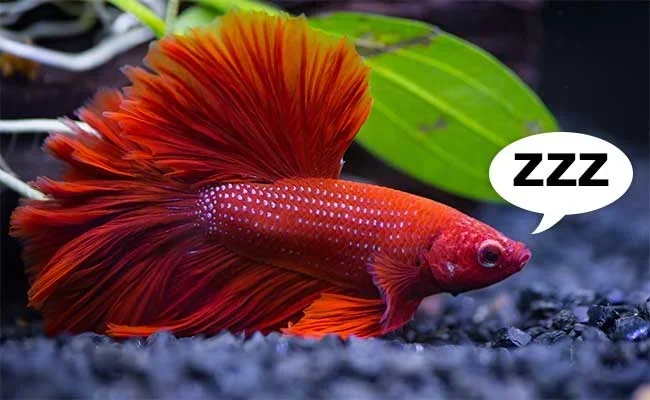
A betta fish typically sleeps 12 to 14 hours a day, much like humans. They need regular rest to stay healthy and active. Understanding betta fish sleep patterns helps you keep your pet happy and thriving.
Have you ever wondered how much does a betta fish sleep? If you own a betta or are thinking about getting one, understanding their sleep needs is essential. These colorful fish are fascinating creatures, and their rest patterns play a big role in their overall health. In this guide, we will cover everything you need to know about betta fish sleep.
Many new fish owners get surprised when they see their betta floating still in the tank. It might look like something is wrong. But in most cases, your betta is just sleeping. Betta fish sleep patterns can seem strange at first, but they are completely normal once you understand them.
Let us dive into the details. We will explore how long bettas sleep, where they like to rest, and what you can do to help them get better sleep. By the end of this article, you will feel confident about your betta’s rest routine.
## How Much Does a Betta Fish Sleep?
A healthy betta fish sleeps around 12 to 14 hours every day. This is very similar to what a human needs. However, bettas do not sleep in one long stretch. They take several naps throughout the day and night.
### What Does Normal Sleep Look Like?
When a betta is sleeping, it may float near the surface or rest on the bottom of the tank. Some bettas like to curl up on a leaf. Others just hover in one spot. Their colors may also look lighter when they are resting. This is normal and not a cause for concern.
Betta fish rest is an active process. Even though they look still, their body is recovering and recharging. Just like you feel refreshed after a good night’s sleep, your betta feels the same way after its daily naps.
### How Long Do Individual Naps Last?
Each nap usually lasts between 30 minutes and a couple of hours. Bettas are light sleepers. They can wake up quickly if they sense movement or danger. This is a natural survival instinct from their wild habitat.
If you notice your betta sleeping a lot, it does not always mean something is wrong. But if the sleep seems excessive and paired with other symptoms, it is worth investigating. You can read more about why does my betta fish sleep so much to understand the possible causes.
## Why Sleep Matters for Betta Fish
Sleep is just as important for fish as it is for humans. During rest, a betta’s body repairs cells, fights off infections, and processes nutrients. Without enough sleep, your betta can become stressed and fall ill.
### The Role of Rest in Betta Health
Betta fish health and sleep go hand in hand. A well-rested betta will have bright colors, a good appetite, and steady energy levels. On the other hand, a sleep-deprived betta may show signs of stress. These signs include faded colors, loss of appetite, and erratic swimming.
Here are some key benefits of proper sleep for bettas:
- Stronger immune system: Rest helps the body fight off diseases.
- Better coloration: Sleep keeps their vibrant colors bright.
- Improved appetite: Well-rested bettas eat better and digest food properly.
- Longer lifespan: Good sleep contributes to a longer, healthier life.
### Can Lack of Sleep Harm Your Betta?
Yes, absolutely. If a betta does not get enough rest, it can suffer from chronic stress. Over time, this stress weakens the immune system. A weakened immune system makes your betta vulnerable to common diseases like ich and fin rot.
To ensure your betta gets enough rest, make sure the tank environment is calm. Avoid loud noises near the tank. Also, keep the lighting consistent. For more on tank setup, check out how big of a tank does a betta fish need to create a comfortable space.
## Where and How Do Betta Fish Sleep?
Betta fish are flexible sleepers. They do not have one fixed sleeping position. Instead, they find comfortable spots in the tank to rest. Understanding where and how they sleep helps you create a better environment.
### Common Sleeping Positions
Betta fish can sleep in several different positions. Each position is normal and tells you something about how comfortable your fish feels.
- Floating near the surface: This is one of the most common positions. The betta hovers just below the water surface with its fins still.
- Resting on the bottom: Some bettas like to sit on the substrate. This is fine as long as they are not lying on their side for too long.
- Curling up on a leaf: Bettas love to rest on broad leaves like anubias or java fern. This makes them feel safe and secure.
- Hiding in caves or decorations: Some bettas prefer dark, enclosed spaces to sleep. This mimics their natural habitat.
### Do Betta Fish Close Their Eyes?
One interesting fact about betta fish is that they do not close their eyes. Unlike humans, bettas do not have eyelids. So even when they are fast asleep, their eyes remain open. This can startle new fish owners, but it is completely normal.
If you are curious about more betta fish sleeping habits, you can explore how bettas sleep in different conditions. Visit this article on how does a betta fish sleep for deeper insights.
## Factors That Affect Betta Fish Sleep
Several factors influence how much and how well a betta sleeps. Understanding these factors helps you make adjustments to improve your fish’s rest.
### Tank Lighting
Light plays a huge role in regulating a betta’s sleep cycle. In the wild, bettas follow a natural day-and-night rhythm. In captivity, you need to mimic this cycle.
Here are some tips for managing tank lighting:
- Keep a consistent schedule: Turn the lights on and off at the same time every day.
- Use a timer: An automatic timer ensures the light cycle stays regular.
- Avoid bright lights at night: Dim or no light helps your betta wind down for sleep.
- Provide shaded areas: Plants and decorations give your betta dark spots to nap in.
### Water Temperature
Betta fish are tropical fish. They thrive in warm water between 76 and 82 degrees Fahrenheit. If the water is too cold, your betta may become sluggish and sleep more than usual. If the water is too warm, it can cause stress and restlessness.
A stable temperature promotes healthy sleep patterns. Consider using a reliable heater to maintain the right temperature in your tank.
### Tank Mates and Noise
Bettas are solitary fish by nature. They prefer quiet environments. If your tank has aggressive tank mates, your betta may not get enough rest. Constant chasing or harassment keeps the betta on edge, even during sleep.
If you are wondering about the cost of getting a betta, check out how much is a betta fish for pricing details and budget tips.
### Water Quality
Poor water quality can disrupt sleep. Ammonia and nitrite spikes cause stress and discomfort. Regular water changes and proper filtration keep the tank clean and your betta relaxed.
## How to Tell If Your Betta Is Sleeping or Sick
This is one of the most common concerns among betta owners. A sleeping betta and a sick betta can look very similar. Here is how you can tell the difference.
### Signs Your Betta Is Simply Sleeping
– The body is still but fins are relaxed, not clamped.
– The fish responds slowly when you tap the glass.
– Normal breathing rate is maintained.
– The betta resumes normal activity after waking up.
### Signs Your Betta May Be Sick
– The fish lies on its side or at an odd angle.
– Fins are tightly clamped against the body.
– Gills breathe rapidly or erratically.
– The betta does not respond to food or movement.
– Colors become very pale or develop spots.
If you notice any signs of illness, act quickly. Early treatment can make a big difference. For guidance on treating common health issues, read how to treat a stressed betta fish.
## Tips to Improve Your Betta’s Sleep Quality
Good sleep quality makes a huge difference in your betta’s life. Here are practical tips to help your fish rest better.
- Keep a consistent light schedule. Use a timer so the tank lights turn on and off at the same time daily.
- Add live plants. Plants create shaded areas and make your betta feel safe while sleeping.
- Maintain clean water. Perform regular water changes to keep ammonia and nitrite levels at zero.
- Avoid sudden noises. Keep the tank away from loud speakers or high-traffic areas.
- Provide hiding spots. Caves, leaves, and decorations give your betta cozy places to nap.
- Feed at regular times. A consistent feeding schedule helps regulate the betta’s overall daily rhythm.
### Quick Tips for Better Betta Sleep
Here are some quick wins you can implement today:
- Set a light timer for 8 to 10 hours of light per day.
- Add a betta hammock or leaf plant for resting spots.
- Keep the water temperature stable with a quality heater.
- Do not tap on the tank glass frequently.
- Avoid placing the tank near a TV or speaker.
## How Long Can a Betta Fish Live Without Sleep?
While bettas can survive short periods of disrupted sleep, chronic sleep deprivation is harmful. Over time, a sleep-deprived betta will show signs of stress and weakened health. Their immune system drops, making them prone to infections.
How long does a betta fish live is also connected to sleep quality. A well-rested betta can live 3 to 5 years, sometimes even longer. But a stressed and sleep-deprived betta may live a shorter, less healthy life.
For more information on betta lifespan, check out how long does a betta fish live.
## Final Thoughts
Understanding how much a betta fish sleeps is one of the simplest ways to improve your fish care routine. Your betta needs 12 to 14 hours of rest each day to stay healthy, colorful, and active. By providing the right lighting, clean water, and a calm environment, you give your betta the best chance at a long and happy life.
Pay attention to your betta’s sleep habits. They tell you a lot about how your fish is feeling. If something seems off, do not wait. Take action early. A little attention goes a long way when it comes to caring for your betta fish.
Key Takeaways
- 12-14 hours of sleep: Betta fish need plenty of daily rest to stay healthy.
- They can sleep with eyes open: Unlike humans, bettas do not close their eyes when resting.
- Lighting matters: Proper tank lighting helps regulate their sleep cycle.
- Sleep positions vary: Bettas may float, lie on leaves, or rest at the bottom.
- Too much sleep is a warning sign: Excessive sleep can indicate illness or poor water conditions.
- Nighttime rest is key: Bettas are most active during the day and sleep at night.
Frequently Asked Questions
How many hours does a betta fish sleep?
A betta fish typically sleeps 12 to 14 hours a day. However, they do not sleep all at once. Instead, they take several short naps throughout the day and night.
Why does my betta fish sleep so much?
Excessive sleep can be caused by poor water conditions, low temperatures, or illness. If your betta is sleeping more than usual and showing other symptoms like loss of appetite, check the water parameters and look for signs of disease.
Do betta fish sleep with their eyes open?
Yes, betta fish do not have eyelids. This means they sleep with their eyes open. It can look strange, but it is completely normal and nothing to worry about.
Is it normal for a betta fish to sleep on the bottom of the tank?
Yes, many bettas like to rest on the bottom of the tank. This is normal behavior as long as the fish is not showing signs of illness. If the betta stays at the bottom for too long and shows other symptoms, test the water quality and check for disease.
Can too much light affect my betta fish’s sleep?
Absolutely. Too much light or an inconsistent light schedule can disrupt a betta’s sleep cycle. Bettas need a regular day-and-night pattern to stay healthy and well-rested. Use a timer to keep the lighting consistent.
How can I help my betta fish sleep better?
You can help your betta sleep better by keeping a consistent light schedule, maintaining clean water, adding live plants for hiding spots, and avoiding loud noises near the tank. A calm and stable environment promotes better rest for your fish.