How to Train a Male Betta Fish
Training a male betta fish is easier than most people think. With patience, the right approach, and consistent practice, you can teach your betta to follow your finger, jump for food, and even perform simple tricks. This guide covers everything from basic bonding to advanced betta fish training techniques that real owners use successfully.
Key Takeaways
- Start with bonding: Building trust is the foundation of all successful betta fish training.
- Use positive reinforcement: Treats and praise work far better than punishment for male betta fish.
- Keep sessions short: Training should last only 5-10 minutes to avoid stressing your fish.
- Be patient and consistent: Results take time, but daily practice yields real progress.
- Master the basics first: Finger following and target training come before complex tricks.
- Maintain optimal conditions: A healthy, stress-free betta learns faster and stays happier.
- Never force interaction: Respect your fish’s limits to build lasting trust.
📑 Table of Contents
- How to Train a Male Betta Fish: A Complete Guide for Beginners
- Understanding Your Male Betta Fish
- Preparing for Training Sessions
- Building Trust: The Foundation of Training
- Basic Training Techniques for Male Bettas
- Advanced Betta Fish Training Tricks
- Common Mistakes to Avoid When Training a Male Betta
- Expert Insights on Betta Fish Training
- Conclusion
How to Train a Male Betta Fish: A Complete Guide for Beginners
Training a male betta fish might sound unusual. After all, fish are not dogs or cats. But the truth is, bettas are smarter than most people give them credit for. With the right approach, you can teach your male betta to respond to signals, follow your finger, and even perform simple tricks. This guide walks you through every step in plain, easy-to-follow language.
Whether you are a first-time betta owner or have had fish for years, betta fish training is a rewarding experience. It strengthens the bond between you and your fish. It also provides mental stimulation that keeps your betta healthy and active. Before you start, it helps to understand how bettas think and what motivates them.
The key to success lies in patience and consistency. Male bettas have distinct personalities. Some are curious and bold. Others are shy and slow to warm up. Either way, every betta can learn with the right method. Let us dive into how to make it happen.
Before you begin any training, make sure your fish is in a clean, comfortable environment. Check out our guide on how to care for a betta fish 101 if you need a refresher on tank setup and water conditions. A healthy fish always learns better than a stressed one.
Understanding Your Male Betta Fish
Why Bettas Are Capable of Learning
Many people underestimate betta fish intelligence. Bettas belong to the gourami family and have been observed recognizing their owners, responding to feeding routines, and reacting to environmental changes. A male betta fish especially tends to be more alert and interactive. This is partly because males are the more colorful, showy fish in the species.
In the wild, male bettas build bubble nests and defend territories. They are naturally curious and observant. These traits make them surprisingly receptive to training. Unlike some fish that dart away at the first sign of movement, bettas often swim toward the source of activity. This curious nature is your biggest advantage.
It is important to understand that training is not about forcing your fish to do tricks. It is about communication. You are teaching your betta to associate a signal with a positive outcome. When done correctly, your fish will look forward to training sessions. This is a clear sign that your approach is working.
Male vs. Female Betta Temperament
Male bettas generally display more vibrant colors and longer fins. They are also more territorial. This means they may flare at their own reflection or at other fish. Understanding this temperament helps you shape your training approach. A stressed male betta will not learn well.
Female bettas tend to be less aggressive and more social. However, for this guide, the focus is on male bettas. If you are unsure whether your fish is male or female, you can refer to our article on how to tell a female betta fish from a male. Knowing your fish’s gender helps you set realistic expectations for training.
Preparing for Training Sessions
Set Up the Right Environment
A proper environment is the first step toward successful betta fish training. Your betta needs a clean tank with stable water parameters. The temperature should sit between 76 and 82 degrees Fahrenheit. Use a heater to maintain consistency. Cold water makes bettas sluggish and uninterested.
Keep the tank in a quiet area of your home. Loud noises and constant vibrations stress fish out. Your betta should feel safe and calm before you begin any session. A stressed fish will not engage, and a stressed fish will not learn.
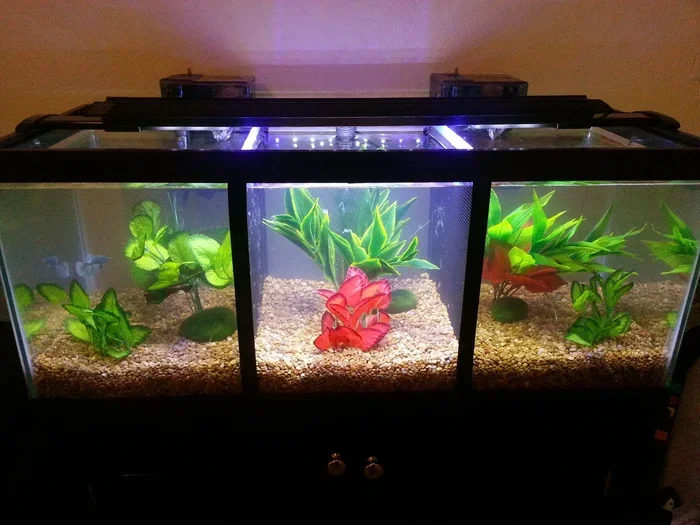
Make sure the tank has enough space. A minimum of 5 gallons is recommended for a single male betta. Smaller bowls restrict movement and reduce mental stimulation. If you are setting up a new tank, check out our guide on how to set up a fish tank for betta fish for detailed instructions.
Gather Your Training Supplies
Training a betta fish does not require expensive equipment. You need just a few simple items:
- High-quality betta pellets or live food: These serve as training rewards. Use your betta’s favorite treat to keep motivation high.
- A clean target stick or your finger: A small stick with a colored tip works well. Your finger also works great once your betta is comfortable.
- A calm, quiet space: Train in a room with minimal distractions. Turn off loud music and reduce foot traffic near the tank.
- A timer: Keep sessions short, ideally 5 to 10 minutes. Over-training leads to frustration for both you and your fish.
Also, make sure your hands are clean and free of soap residue. Chemicals on your hands can harm your betta. Rinse thoroughly with clean water before reaching into the tank area.
Building Trust: The Foundation of Training
Spend Time Near the Tank
The first phase of training is simply spending time near your betta. Sit by the tank for a few minutes each day. Let your fish get used to your presence. Do not tap on the glass or make sudden movements. Just be still and let your betta observe you.
Over time, your betta will start to notice you. You may see your fish swim closer to the glass when you sit down. This is a great sign. It means your betta is curious and comfortable with your presence. Trust is the foundation of all successful training.
Establish a Feeding Routine
Bettas thrive on routine. Feed your fish at the same times each day. This predictability creates a sense of security. When your betta knows what to expect, it becomes more relaxed and open to interaction.
Use feeding time as a bonding opportunity. Before dropping food into the tank, pause for a moment. Let your betta see you. Say its name or make a soft clicking sound. Over days and weeks, your fish will start to associate your presence with food. This is the first step toward active training.
If you want to learn more about proper feeding habits, our article on how many times a day to feed a betta fish provides excellent guidance on creating a healthy feeding schedule.
Basic Training Techniques for Male Bettas
Teach Your Betta to Follow Your Finger
Finger following is the most common starting trick for betta fish training. It is simple, fun, and sets the stage for more advanced techniques. Here is how to do it:
- Place your clean finger against the outside of the tank glass.
- Move your finger slowly along the glass.
- When your betta follows your finger, reward it with a small piece of food.
- Repeat this 3 to 5 times per session.
- Keep sessions short and end on a positive note.
At first, your betta may not respond at all. That is completely normal. Some fish take a few days to notice the finger. Others may take a week or two. The key is consistency. Do the finger exercise at the same time each day, and your betta will eventually catch on.
Never chase your betta around the tank with your finger. This creates stress and breaks trust. Always let your fish choose to follow. When it does, reward it immediately. Positive reinforcement is the most effective training method for bettas.
Target Training
Once your betta follows your finger reliably, you can move on to target training. Use a small stick with a colored tip or a specially made fish target. Hold the target near the surface of the water. When your betta touches it, give a treat immediately.
Over time, move the target to different spots in the tank. This encourages your betta to swim to various areas. Target training is excellent mental stimulation. It keeps your fish active and engaged throughout the day.
If you want to explore more advanced training ideas, check out our guide on can you train a betta fish to do tricks. It covers several fun tricks you can try once your fish masters the basics.
Training Your Betta to Eat from Your Hand
This is one of the most rewarding milestones in betta fish training. It requires patience and a calm approach. Start by dropping food near your hand in the water. Let your betta eat while your hand is in the tank. Gradually, move your hand closer to the food each session.
Eventually, your betta will eat directly from your fingers. This is a clear sign of trust and a great achievement. Remember to never grab or chase your fish. The goal is always to create a positive association with your presence.
Advanced Betta Fish Training Tricks
Teaching Your Betta to Jump
Jumping is a natural behavior for bettas. In the wild, they leap to catch insects hovering above the water surface. You can use this instinct to teach your male betta to jump for food. Hold a piece of food just above the water line. Your betta will eventually leap up to grab it.
Start with the food hovering just at the surface. Gradually raise it higher as your fish becomes more confident. Never force your betta to jump too high. Keep the distance comfortable and safe. Always reward immediately after a successful jump.
Swimming Through a Hoop
This trick requires more patience and time. Use a small, fish-safe hoop made from soft wire or a plastic ring. Hold it in the water and guide your betta through with a treat. At first, your fish may just swim around the hoop. That is okay. Keep trying gently, and reward any interaction with the hoop.
Over several weeks, your betta will learn to swim through the hoop on command. This trick is impressive to watch and a great way to provide enrichment. Just remember to keep the hoop smooth and free of sharp edges that could damage your betta’s delicate fins.
Responding to a Signal or Sound
Some bettas learn to respond to specific sounds or signals. You can use a small clicker or a distinct tapping sound on the tank glass. Before each training session, make the sound and then immediately offer food. After several repetitions, your betta will associate the sound with feeding time.
Eventually, your fish will swim toward the sound even without food. This is a fun party trick and a testament to your betta’s intelligence. Keep the signal consistent. Use the same sound every time to avoid confusing your fish.
Common Mistakes to Avoid When Training a Male Betta
Training Sessions That Are Too Long
The most common mistake new owners make is over-training. Betta fish have short attention spans. Sessions longer than 10 to 15 minutes will exhaust your fish and cause stress. Keep it brief and enjoyable. Five minutes of focused training is better than 30 minutes of frustration.
Using Negative Reinforcement
Never tap on the glass aggressively or chase your betta around the tank. These actions create fear and stress. A stressed male betta will become withdrawn and may even develop health problems. Always use positive reinforcement. Reward good behavior with food and gentle interaction.
Ignoring Water Quality
A dirty tank leads to a sick fish, and a sick fish cannot learn. Regular water changes and proper filtration are non-negotiable. If you are unsure about maintenance routines, read our article on how to take care of a betta male fish for comprehensive care tips.
Moving Too Fast
Training takes time. Do not expect your betta to master a trick in one day. Progress may be slow, but every small step counts. Celebrate small wins and stay consistent. Rushing the process only leads to disappointment for both you and your fish.
Expert Insights on Betta Fish Training
Experienced betta owners and aquatic specialists agree on a few key principles. First, every betta learns at its own pace. Do not compare your fish to others online or in videos. Your betta is unique, and its training journey will be too.
Second, mental enrichment matters just as much as physical health. Training sessions provide cognitive stimulation that keeps your fish sharp and active. A stimulated betta is a happier betta. This directly impacts its overall health and lifespan.
Finally, the bond you build through training is invaluable. Many betta owners report that their fish recognize them over time. Your betta may swim to the front of the tank when it sees you. It may flare with excitement at feeding time. These behaviors are signs of a strong connection between owner and fish.
If you want to deepen that connection, consider learning more about how to grow a bond with your betta fish. The trust and companionship that come from consistent, gentle interaction are truly special.
Conclusion
Training a male betta fish is one of the most enjoyable aspects of fish keeping. It challenges the common misconception that fish are simple pets with no personality or intelligence. With patience, consistency, and positive reinforcement, your betta can learn to follow your finger, eat from your hand, and even perform fun tricks.
Remember to always prioritize your fish’s well-being. A healthy, stress-free environment is the foundation for any successful training. Keep sessions short, use treats wisely, and never force interaction. Your betta will reward your patience with trust and engagement that grows over time.
Start with the basics, build a strong bond, and enjoy the journey. Whether you are teaching your first trick or working on advanced techniques, the process of training brings you closer to your fish in ways you might not expect. The effort you invest in betta fish training pays off in a happier, healthier, and more interactive pet.
Frequently Asked Questions
How long does it take to train a male betta fish?
Most bettas start responding to basic training within 1 to 3 weeks of consistent daily practice. Advanced tricks like jumping or hoop swimming may take 4 to 8 weeks. Every fish learns at its own pace, so patience is essential.
Can you train a betta fish to do tricks?
Yes, betta fish can learn a variety of tricks including finger following, target training, jumping, and swimming through hoops. The key is using positive reinforcement and keeping sessions short and enjoyable for your fish.
What is the best treat to use for training a betta fish?
Small pieces of high-quality betta pellets, frozen bloodworms, or live brine shrimp work best as training rewards. Use treats sparingly to avoid overfeeding, and always remove any uneaten food from the tank after training.
Is it possible to train an older betta fish?
Yes, older bettas can still learn new behaviors. While younger fish may pick things up faster, age does not prevent training. The most important factors are consistency, a stress-free environment, and using positive reinforcement throughout the process.
Do male betta fish recognize their owners?
Many male bettas do recognize their owners over time. They may swim to the front of the tank when they see you, flare with excitement at feeding time, or follow your finger along the glass. This recognition develops through regular, gentle interaction and consistent routines.
Can training stress out a betta fish?
Training can stress a betta if sessions are too long, if you use negative reinforcement, or if the fish is not comfortable yet. Keep sessions to 5 to 10 minutes, always end on a positive note, and never force your betta to do anything it resists. A relaxed fish learns much faster than a stressed one.