Can Betta Fish Be with Snails

Yes, betta fish can live with snails. Many hobbyists successfully keep betta fish with snails because snails are peaceful cleaners that help maintain a healthy tank. Mystery snails, nerite snails, and apple snails make excellent companions when you follow simple setup guidelines.
Many fish keepers wonder if can betta fish be with snails. The short answer is yes. Betta fish and snails can make wonderful tank mates. Snails add movement to the bottom of your aquarium while helping you manage algae and leftover food. They are quiet, peaceful creatures that rarely cause problems.
If you already own a betta, adding a snail can bring new life to your tank. Betta fish tank mates like snails are popular for good reason. They are low-maintenance, visually interesting, and they help keep your aquarium clean. This guide covers everything you need to know about pairing bettas with snails successfully.
Key Takeaways
- Betta fish and snails can coexist peacefully: Most snail species are non-aggressive and won’t bother your betta.
- Choose the right snail species: Mystery snails, nerite snails, and apple snails are the best options for betta tanks.
- Tank size and setup matter: A tank of at least 5 gallons with plenty of hiding spots reduces stress for both species.
- Monitor water parameters regularly: Snails are sensitive to ammonia and nitrate spikes, so consistent maintenance is key.
- Watch for signs of aggression: If your betta chases or nips at snails, you may need to adjust the tank layout or separate them.
- Feed snails separately if needed: Ensure both your betta and snails get proper nutrition without competition.
📑 Table of Contents
Why Pair Betta Fish with Snails?
There are several great reasons to add snails to a betta tank. First, snails are natural algae eaters. They scrape algae off glass, rocks, and plants without much effort. This means less work for you and a cleaner tank overall.
Second, snails are peaceful. Unlike some fish that may nip at betta fins or provoke aggression, most snails mind their own business. They crawl around the substrate and stay out of your betta’s way. Peaceful tank mates like snails reduce stress for your betta, which leads to a healthier, happier fish.
Third, snails are entertaining to watch. Their slow, deliberate movements contrast beautifully with the flowing fins of a betta. Many hobbyists say snails add a calming, almost meditative quality to their aquarium setup.
Best Snail Species for Betta Tanks
Not all snails are created equal when it comes to living with bettas. Some species thrive together, while others may cause problems. Here are the best snail species to consider.
Mystery snails are the most popular choice. They are large, colorful, and very docile. Mystery snails come in shades of blue, purple, gold, and olive. They stay busy eating algae and sinking food pellets. Many keepers report that their bettas ignore mystery snails completely. You can learn more about this pairing in our article on can mystery snails live with betta fish.
Nerite snails are another excellent option. They are small, hardy, and excellent algae fighters. Nerite snails cannot reproduce in freshwater, which means you never have to worry about a population explosion. They stick to glass and rocks, doing their cleaning work without disturbing your betta.
Apple snails are larger and more active. They have striking shells and can grow quite big. Apple snails are peaceful but need more space. If your tank is at least 10 gallons, apple snails can be a great addition. Check out our guide on can apple snails live with betta fish for more details.
Snails to Avoid with Bettas
Some snail species can cause trouble. Pond snails, for example, reproduce rapidly and can overwhelm a small tank. Trumpet snails are also known to breed uncontrollably. These pest snails can stress your betta by competing for food and cluttering the tank. Stick with the recommended species for the best results.
How to Set Up a Betta and Snail Tank
Setting up a tank for bettas and snails is straightforward. A few simple choices make a big difference in how well they get along.
Tank size should be at least 5 gallons. A larger tank gives both species room to establish their own territories. Bettas need space to swim, and snails need room to crawl without being underfoot constantly.
Water parameters matter for both species. Bettas prefer water temperatures between 76 and 82 degrees Fahrenheit. Snails thrive in similar ranges. Keep the pH between 6.5 and 7.5, and maintain ammonia and nitrite levels at zero. Regular water changes of 25 percent every week help keep conditions stable.
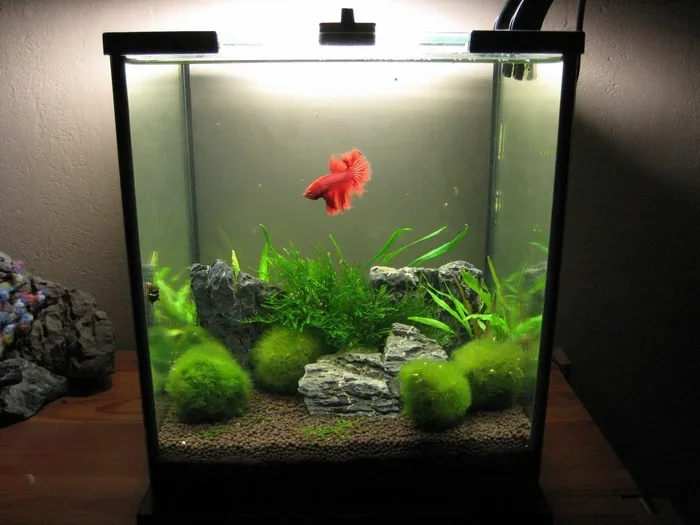
Substrate and decoration play a role too. Smooth gravel or sand is best. Avoid sharp substrates that could damage delicate snail shells. Add plenty of plants and caves. Live plants like java moss and anubias provide natural hiding spots. They also help maintain water quality. You can even add a pothos plant to your betta tank, which is safe and beneficial for both species.
Filtration and Flow
Use a gentle filter. Bettas do not like strong currents. Sponge filters work well because they provide mechanical and biological filtration without creating too much flow. Snails are not bothered by gentle currents, so a sponge filter suits both species perfectly.
Lighting
Moderate lighting works best. Too much light can cause excessive algae growth, which might seem like a good thing for snails, but it can also stress your betta. A standard LED aquarium light on a timer set to 8 to 10 hours per day is ideal.
Will Your Betta Accept the Snail?
Every betta has its own personality. Some bettas ignore snails completely. Others may show curiosity or even mild aggression. Understanding your fish helps you predict how the introduction will go.
Bettas are known for their territorial behavior. A male betta may flare at a new snail at first. This is normal. Usually, the betta settles down after a day or two. If your betta continues to chase or nip at the snail, you may need to adjust the setup. Adding more plants and hiding spots can break the line of sight and reduce tension.
Female bettas tend to be less aggressive than males. If you have a female betta fish, the chances of a peaceful introduction are even higher. Female bettas are generally more tolerant of tank mates, including snails.
Feeding Betta Fish and Snails Together
Feeding both species properly is one of the most important parts of keeping them together. Bettas are carnivores and need a diet rich in protein. Snails are omnivores and benefit from algae, vegetables, and sinking pellets.
Here are some feeding tips:
- Feed your betta first. Use betta pellets or frozen bloodworms. Your betta will eat quickly and leave scraps for the snail.
- Drop sinking food near the snail. Algae wafers or blanched zucchini work great for snails. Place them near the snail’s usual spot.
- Do not overfeed. Excess food raises ammonia levels, which harms both bettas and snails. Feed small amounts twice a day.
- Remove uneaten food after 5 minutes. This keeps the water clean and prevents bacterial growth.
If you want more detailed feeding guidance, check out our article on can betta fish live with shrimp or snails for comprehensive feeding and compatibility tips.
Common Problems and How to Fix Them
Even with the best setup, issues can arise. Here are the most common problems and practical solutions.
Betta chasing the snail: This usually happens during the first few days. It is often curiosity rather than aggression. Give them time to adjust. If the behavior continues, add more plants to create visual barriers.
Snail shell damage: A betta may occasionally peck at a snail’s shell. This can happen if the betta is bored or hungry. Ensure your betta is well-fed and has enrichment in the tank, such as floating plants or a mirror briefly placed near the glass.
Snail hiding all the time: Snails need calcium to maintain healthy shells. Add a cuttlebone to the tank or use calcium-rich supplements. If the snail stays hidden for too long, check your water parameters for signs of poor quality.
Overpopulation: Some snail species breed quickly. Nerite snails are the safest choice because they do not reproduce in freshwater. Mystery snails lay eggs above the waterline, so you can remove clutches before they hatch if you do not want more snails.
Quick Tips for Success
- Start with a healthy, active snail from a reputable source.
- Quarantine new snails for 2 to 3 days before adding them to the main tank.
- Observe both species closely during the first week.
- Perform weekly water tests to catch problems early.
- Keep the tank clean with regular partial water changes.
- Provide calcium supplements for strong snail shells.
Health Benefits of Keeping Snails with Bettas
Snails do more than just look nice. They contribute to a healthier aquarium ecosystem. By eating algae and decaying plant matter, they reduce the biological load on your filter. This helps maintain stable water quality, which benefits your betta’s health.
Snails also serve as natural indicators of water quality. If your snail stays at the water surface or becomes inactive, it may signal poor water conditions. This early warning system helps you catch problems before they affect your betta.
For a deeper look at snail compatibility, explore our guide on can you keep betta fish with snails. It covers additional species and scenarios you might encounter.
Expert Insights on Betta and Snail Compatibility
Experienced aquarists agree that snails are among the safest tank mates for bettas. The key is choosing the right species and providing adequate space. Dr. Jessie Sanders, a certified aquatic veterinarian, notes that most compatibility issues between bettas and snails stem from poor tank conditions rather than inherent aggression. Maintaining clean water and a balanced diet goes a long way toward peaceful coexistence.
Another expert tip is to introduce the snail before the betta if you are setting up a new tank. This allows the snail to establish its territory and feel secure, which can reduce initial tension when the betta enters the environment.
Conclusion
The answer to can betta fish be with snails is a clear yes. With the right snail species, proper tank setup, and attentive care, bettas and snails can live together harmoniously. Mystery snails, nerite snails, and apple snails are the top choices for most hobbyists. They are peaceful, useful, and visually appealing.
Remember to monitor water quality, feed both species appropriately, and watch for any signs of stress or aggression. A well-planned betta and snail tank can be a beautiful, low-maintenance addition to your home. Start small, observe closely, and enjoy the rewarding experience of keeping these two species together.
Frequently Asked Questions
Can betta fish live with mystery snails?
Yes, mystery snails are one of the best snail companions for betta fish. They are peaceful, colorful, and help keep the tank clean. Most bettas ignore them or simply observe their movements without any issues.
Will my betta fish eat my snail?
It is unlikely. Bettas are not typically snail predators. However, a hungry or curious betta might peck at a snail’s soft parts. Keeping your betta well-fed and choosing larger snail species like mystery snails reduces this risk significantly.
How many snails can I keep with one betta fish?
One or two snails work well in a 5 to 10 gallon tank. Avoid adding too many snails, as their waste can increase ammonia levels. Stick to a small group and monitor water quality regularly.
Do snails help keep a betta tank clean?
Yes, snails eat algae, leftover food, and decaying plant matter. They are natural cleaners that reduce the workload on your filter. Nerite snails and mystery snails are especially effective at controlling algae growth.
Can I put a new snail in my betta tank right away?
It is best to quarantine the snail for 2 to 3 days first. This helps ensure the snail is healthy and free of parasites or diseases. After the quarantine period, you can safely introduce the snail to your betta tank.
What should I do if my betta attacks the snail?
If your betta chases or nips at the snail, try rearranging the tank decor to break sightlines. Add more plants and hiding spots. If the behavior persists, separate the snail temporarily and reintroduce it later with more territory and cover available.