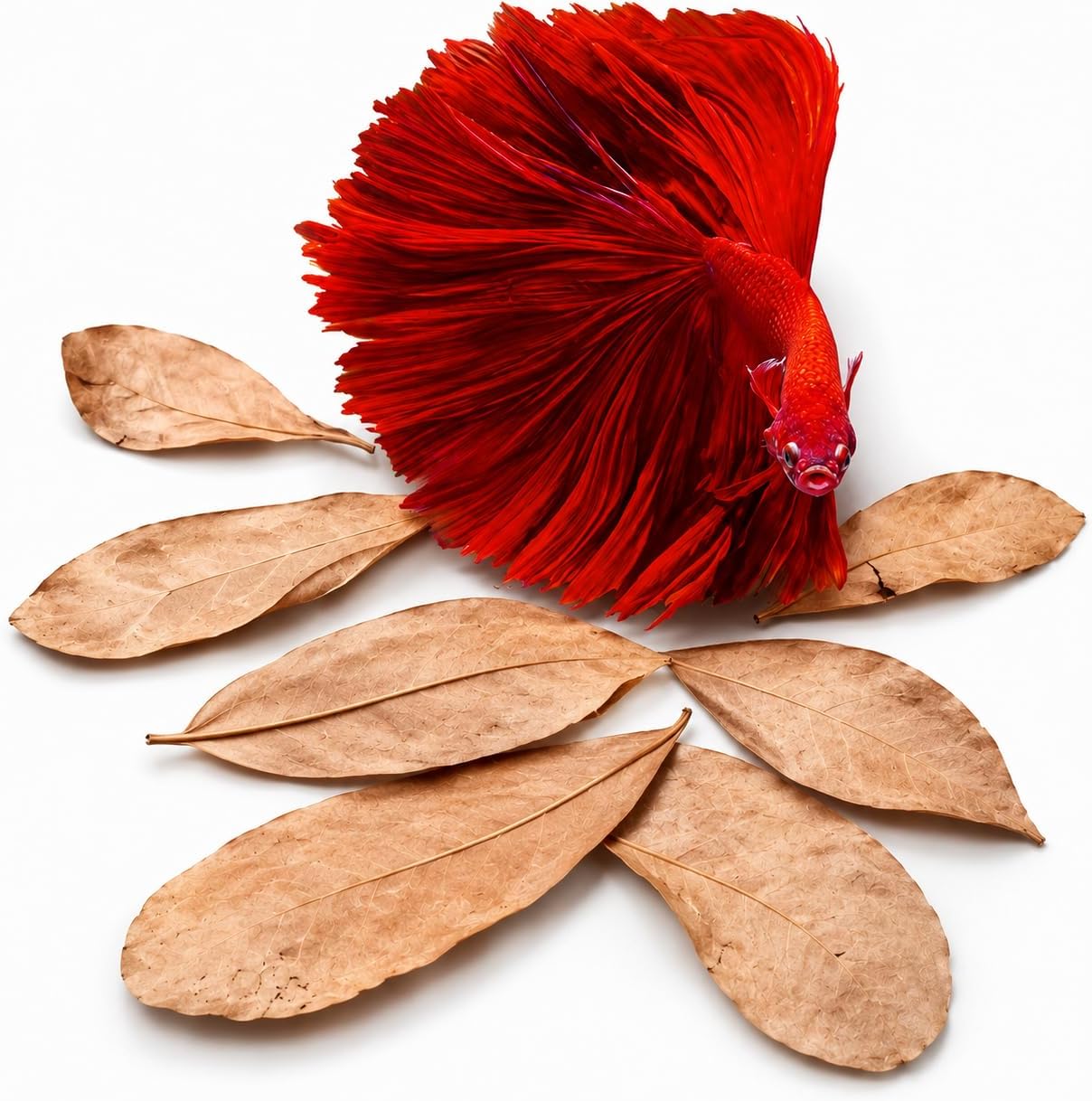
Can Betta Fish Be Kept in a Bowl

So, can betta fish be kept in a bowl? Yes, but it comes with important conditions. A proper bowl setup means the right size, clean water, and a little extra care. This guide walks you through everything you need to know about keeping your betta happy and healthy in a bowl environment.
So, you are thinking about keeping a betta fish in a bowl. Maybe you saw one at a pet store, or a friend has a beautiful betta floating in a pretty glass bowl on their desk. Either way, the question is simple: can betta fish be kept in a bowl? The answer is yes, but there is a lot more to it than just dropping a fish into a bowl and calling it done.
Betta fish are popular pets, and for good reason. They are colorful, they have flowing fins, and they seem to have personality. Many people love the idea of a small, low-maintenance setup. But here is the truth that not every pet store will tell you. A bowl can work for a betta, but only if you put in the right effort. This guide covers everything you need to know about betta fish bowl setups, from size and water quality to common mistakes you should avoid.
Key Takeaways
- Betta fish can live in a bowl: Bettas are labyrinth fish that can breathe air, making bowl living possible under the right conditions.
- Bowl size matters a lot: The bigger the bowl, the easier it is to maintain stable water quality for your betta.
- Regular water changes are essential: Without a filter, you need to change the water frequently to keep your betta healthy.
- Avoid common setup mistakes: Things like tiny bowls, no lid, and untreated tap water can harm your fish quickly.
- Bettas can thrive in bowls with proper care: A well-maintained bowl with the right temperature, decorations, and cleaning schedule works well.
- Consider a filtered tank for long-term health: While bowls work, a small filtered tank gives your betta an even better life.
📑 Table of Contents
Can Betta Fish Actually Live in a Bowl?
The short answer is yes. Bettas are known as labyrinth fish, which means they have a special organ that lets them breathe air from the surface. This is why you often see bettas gulping at the top of the water. Because of this ability, they can survive in smaller spaces where other fish would struggle.
But surviving is not the same as thriving. A betta in a tiny, neglected bowl might live for a while, but it will not live its best life. In the wild, bettas live in warm, slow-moving waters in Southeast Asia. They are used to having space, plants, and a stable environment. When you keep a betta in a bowl, your job is to recreate some of those conditions as best you can.
So before you set up a betta bowl, understand this. You are taking on a responsibility. Your fish depends on you for clean water, the right temperature, and a safe home. That said, many people successfully keep bettas in bowls for years. It just takes knowledge and consistency.
Why Bettas Are Different From Other Fish
Not all fish can live in a bowl, and that is an important point. Goldfish, for example, produce a lot of waste and need much larger tanks. Bettas, on the other hand, produce less waste and can handle lower oxygen levels in the water. This makes them better candidates for bowl living.
Still, do not let this fool you into thinking bettas are indestructible. They are actually quite sensitive to poor water quality, temperature swings, and chemicals like chlorine. If you want to learn more about using tap water safely, check out whether you can put tap water in a betta fish bowl before filling up.
The Right Bowl Setup for Your Betta
Setting up a bowl for your betta is the most important step. A bad setup leads to stress, illness, and a shortened lifespan. A good setup gives your betta a comfortable home where it can swim, explore, and display its natural colors.
Bowl Size: Bigger Is Always Better
The first thing to get right is the size of the bowl. Many people buy those tiny decorative bowls from pet stores, and that is where problems start. A bowl that is too small makes it almost impossible to keep the water clean and stable.
Here are some general size guidelines for a bowl for betta fish:
- Minimum size: 1 gallon (about 4 liters). This is the absolute smallest you should go.
- Ideal size: 2 to 5 gallons. This gives you more room for water stability and your betta some space to swim.
- Avoid bowls under 1 gallon: These are too small to maintain any kind of healthy environment.
If you are wondering about larger options, bettas can also do well in bigger tanks. A 5-gallon tank with a filter and heater is often considered the sweet spot for betta keeping.
Do You Need a Lid on the Bowl?
Yes, you do. Bettas are jumpers. They can and will leap out of an open bowl, especially when the water is warm or they feel stressed. A lid or cover prevents this and keeps your fish safe.
You can use a simple glass lid, a plastic cover, or even a piece of mesh screen. The key is that it should fit snugly and still allow air exchange. If you want more details on this topic, here is a helpful guide on whether betta fish can live in a bowl with a lid.
Decorations and Gravel
A bare bowl looks sad, and your betta will appreciate some décor. Plants give your betta places to hide and rest, and they also help keep the water quality better. Live plants are ideal, but silk plants work well too.
You might also wonder about adding gravel or rocks. The good news is that you can put rocks in a betta fish bowl, as long as they are smooth and do not have sharp edges. Avoid anything with rough surfaces that could tear your betta’s delicate fins.
Just be careful not to overcrowd the bowl. Leave enough open swimming space. A good rule of thumb is to keep decorations to about one-third of the bowl’s volume.
Water Quality and Maintenance
This is where most betta bowl keepers run into trouble. Water quality is the single most important factor in your betta’s health. A bowl has no built-in filtration in most cases, which means you are responsible for keeping the water clean.
How Often Should You Change the Water?
Without a filter, waste builds up fast. In a small bowl, you should change about 50 to 70 percent of the water every 3 to 4 days. In a larger bowl of 5 gallons or more, you can stretch this to once a week, but partial water changes are always necessary.
Here is a quick routine to follow:
- Prepare fresh water the day before. Let it sit out uncovered for 24 hours so chlorine can evaporate, or use a water conditioner.
- Siphon out the dirty water from the bottom of the bowl. A small turkey baster works great for this.
- Replace with the fresh, room-temperature water.
- Check the temperature. Bettas prefer water between 76 and 82 degrees Fahrenheit.
If you are new to this and want to understand why tap water can be tricky, read up on using tap water in a betta fish bowl before you get started.
Do You Need a Filter in a Betta Bowl?
Technically, you can keep a betta in a bowl without a filter. But a filter makes your life so much easier. It helps remove waste, keeps the water clearer, and reduces the frequency of water changes.
If you want to learn more about this, here is an article that discusses whether betta fish can live in a bowl without a filter. The short answer is yes, but with a filter, your betta will be much healthier and happier.
Temperature Control
Bettas are tropical fish. They need warm water to stay healthy. Room temperature water, especially in winter, is often too cold. A small bowl heater designed for aquariums can help you maintain a stable temperature. Avoid placing the bowl near windows, drafts, or heaters in your home, as sudden temperature changes can stress your fish.
Common Mistakes People Make with Betta Bowls
Even well-meaning betta owners make mistakes. Here are the most common ones and how to avoid them.
Using a Bowl That Is Too Small
The tiny 1-cup or 1-pint bowls sold as “betta homes” are a terrible idea. They are too small to maintain stable water conditions, and your fish will become stressed quickly. Always go for at least 1 gallon, and bigger is always better.
Overfeeding Your Betta
Bettas have small stomachs. Overfeeding leads to excess waste in the bowl, which fouls the water fast. Feed your betta 2 to 3 pellets twice a day, and skip a feeding once a week to help their digestive system.
Ignoring Water Changes
Some people think that if the water looks clear, it is fine. But clear water can still contain ammonia and nitrites that are invisible but harmful. Stick to your regular water change schedule no matter what the water looks like.
Adding the Wrong Tank Mates
A bowl is not the place for community fish. Bettas can be territorial, and a small space makes conflicts worse. If you want to keep other fish with your betta, a larger tank is the way to go. Learn more about this in our guide on whether betta fish can be kept in a community tank.
Can Betta Fish Thrive Long-Term in a Bowl?
This is the big question. Can a betta live a full, happy life in a bowl? The honest answer is that it is possible, but it is not ideal. A well-maintained bowl can support a betta for several years, but a filtered tank with stable conditions gives your fish the best chance at a long, healthy life.
If you are set on a bowl setup, here is what success looks like:
- A bowl of at least 2 gallons with a lid
- Regular partial water changes every 3 to 4 days
- A heater to keep the water warm
- Live or silk plants for hiding and resting
- Smooth gravel or a bare bottom for easy cleaning
- No sharp decorations or rough surfaces
Follow these steps, and your betta can live comfortably in a bowl for 3 to 5 years, which is a good lifespan for the species. Skip any of these, and you risk shortening your fish’s life significantly.
Some owners eventually upgrade from a bowl to a small filtered tank once they see how much easier maintenance becomes. This is a great next step and one that your betta will thank you for.
Final Thoughts on Keeping Betta Fish in a Bowl
So, to answer the question once and for all: can betta fish be kept in a bowl? Yes, absolutely. But a bowl is not a free pass to skip the basics. Your betta needs clean water, the right temperature, enough space, and regular care. Treat the bowl like a mini-ecosystem that depends on you for its health.
If you do your part, you will be rewarded with a beautiful, active fish that brings color and joy to your space. The key is to learn, stay consistent, and never stop improving your setup. Whether you start with a simple bowl or move up to a filtered tank, the most important thing is that you care enough to give your betta the best life possible.
Start small, stay committed, and enjoy the journey of being a betta fish keeper. Your fish will be happier, healthier, and more vibrant because of it.
Frequently Asked Questions
What size bowl is best for a betta fish?
A bowl of at least 1 gallon is the minimum, but 2 to 5 gallons is ideal. Larger bowls give you more room for water stability and make maintenance much easier. Avoid tiny decorative bowls that are too small for your betta to thrive.
Can betta fish survive in a bowl without a filter?
Yes, bettas can survive in a bowl without a filter, but you will need to do more frequent water changes. A filter helps keep the water cleaner and reduces your maintenance workload. Without one, partial water changes every 3 to 4 days become essential.
Do betta bowls need a heater?
Bettas are tropical fish and need warm water between 76 and 82 degrees Fahrenheit. A small heater helps maintain a stable temperature, especially in colder rooms or during winter. Without proper heat, your betta can become stressed and prone to illness.
How often should I clean a betta fish bowl?
You should do partial water changes every 3 to 4 days for small bowls. For larger bowls of 5 gallons or more, a weekly partial change is usually sufficient. Always use water that has been treated or left out for 24 hours to remove chlorine.
Can I put rocks in my betta fish bowl?
Yes, you can put smooth, rounded rocks in a betta bowl. Avoid rocks with sharp edges that could damage your betta’s fins. Rinse the rocks thoroughly before adding them, and do not overcrowd the bowl. Smooth gravel is also a good option for easy cleaning.
Why does my betta stay at the top of the bowl?
Bettas often stay near the surface because they breathe air using their labyrinth organ. If your betta is gasping frequently, it could mean low oxygen or poor water quality. Check your water parameters and make sure you are doing regular water changes to keep the bowl clean.