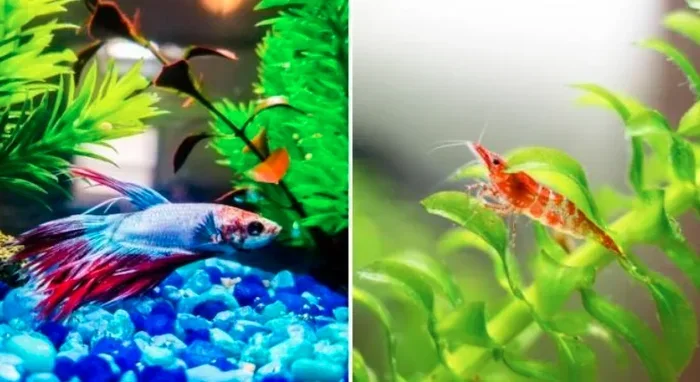
Can a Male and Female Betta Fish Be Together
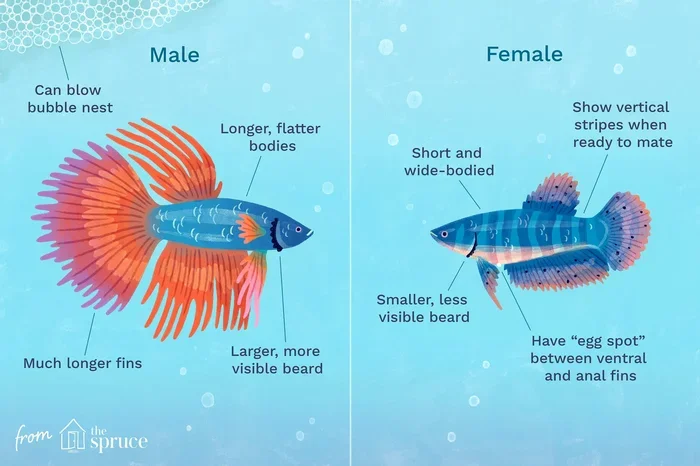
Yes, a male and female betta fish can be together, but only under the right conditions. This guide covers everything you need to know about betta fish compatibility, tank setup, aggression signs, and breeding behavior to keep both fish safe and stress-free.
Can a male and female betta fish be together? This is one of the most common questions new fish keepers ask. The short answer is yes, but the full answer takes a bit more explaining. Keeping a male and female betta in the same tank is possible, but it comes with real risks. You need the right tank size, the right setup, and a good understanding of betta behavior.
Many people think bettas are always violent and can never share a space. That is not entirely true. Male bettas are aggressive toward other males, but a male and female pair can sometimes live peacefully. The key is knowing how to set things up correctly and watching your fish closely. In this guide, we walk you through everything you need to know.
Key Takeaways
- Male and female bettas can coexist: But only with careful planning, enough space, and proper tank setup.
- A large tank with plenty of hiding spots is essential: At least 20 gallons works best for a pair.
- Watch for aggression signs early: Flaring, chasing, and fin nipping mean something is wrong.
- Breeding requires extra preparation: A separate breeding tank and close monitoring are a must.
- Not all pairs will get along: Some bettas are simply too aggressive to share space, even with the best setup.
📑 Table of Contents
Understanding Betta Fish Behavior
Betta fish, also known as Siamese fighting fish, are known for their bright colors and flowing fins. They are territorial by nature. This means they claim spaces and defend them. In the wild, bettas live in shallow rice paddies and slow-moving streams. They do not have a lot of space, so they evolved to be protective of their territory.
Male bettas are the most aggressive. They will flare their gills, spread their fins, and even fight to the death with another male. Female bettas are less aggressive but can still be territorial, especially in small spaces. Understanding this behavior is the first step to keeping a male and female betta together safely.
Why Are Male Bettas So Aggressive?
Male bettas fight other males to protect their territory and attract mates. This aggression is hardwired into their DNA. Even in a large tank, a male betta may see another male as a threat. This is why you should never put two male bettas in the same tank. Ever. It almost always ends badly.
When a male betta sees another male, he flares his gills to look bigger. He may chase the other fish and nip at fins. This behavior is natural, but in a confined space, it can lead to injury or death. If you want to learn more about this, check out our article on can two male betta fish be together for a deeper dive.
How Female Bettas Behave Differently
Female bettas are generally less aggressive than males. They can live in groups called sororities, though even that has risks. A single female in a tank with a male may do well, especially if there is enough space and hiding spots. But a female can still show territorial behavior, particularly if the tank is too small or lacks cover.
Female bettas also have a “flare” response, but it is usually less intense. They may display their fins to each other or to the male. Some flaring is normal and even part of the mating dance. But constant flaring or chasing is a red flag.
Can a Male and Female Betta Fish Live Together?
The short answer is yes, but with important caveats. A male and female betta can share a tank if the conditions are right. This is not a guarantee, though. Every betta has its own personality. Some males are calmer, and some females are bolder. Compatibility depends on the individual fish, not just the species.
Many experienced fish keepers successfully keep male and female pairs. The most common setup is a breeding pair in a dedicated breeding tank. Others keep them in a large community tank with plenty of barriers and plants. The success rate depends heavily on preparation and monitoring.
One important thing to know is that keeping a male and female together often leads to breeding. If you are not prepared for baby bettas, this is something to consider. For more on this topic, see our guide on can male and female betta fish mate.
Setting Up the Right Tank for a Male and Female Betta
A proper tank setup is the foundation of success. Without the right environment, even the most compatible pair can end up fighting. Here is what you need to know.
Tank Size Matters
The minimum tank size for a male and female betta pair is 20 gallons. This gives both fish enough space to establish their own territories. A smaller tank increases stress and aggression. In a cramped space, there is nowhere to hide, and conflicts escalate quickly.
If you can go bigger, do it. A 30 or 40-gallon tank provides even more room and makes it easier to create natural barriers. More space means less tension and a better chance of peaceful coexistence.
Plants and Hiding Spots
Live plants are your best friend when keeping a male and female betta together. Plants create natural barriers that break up sightlines. This reduces aggression because neither fish can see the other constantly. Java moss, Amazon sword plants, and anubias are great choices.
Add caves, driftwood, and other decorations that provide hiding spots. Both fish need places to retreat when they feel threatened. Floating plants like water wisteria or frogbit are also excellent. They add cover near the surface, which bettas love.
Water Parameters and Filtration
Clean, stable water keeps bettas healthy and less aggressive. Maintain a temperature between 76 and 82 degrees Fahrenheit. The pH should be between 6.5 and 7.5. Use a gentle filter to avoid strong currents, as bettas prefer calm water.
Perform regular water changes, about 25 to 30 percent every week. Test the water parameters frequently. Sudden changes in water quality can stress your fish and trigger aggression. A well-maintained tank is a calmer tank.
Signs of Aggression to Watch For
Even with the best setup, you need to monitor your fish daily. Catching aggression early can save lives. Here are the key signs to look for.
- Constant flaring: If either fish flares at the other nonstop, there is a problem.
- Chasing: One fish relentlessly chasing the other is not normal play. It is a sign of territorial aggression.
- Fin nipping: Biting or tearing fins is a serious red flag. Remove the aggressor immediately if this happens.
- Refusing to eat: A stressed betta may stop eating. This is a sign of ongoing conflict or fear.
- Hiding constantly: If one fish hides all the time, it is likely feeling unsafe.
If you notice any of these signs, separate the fish right away. A tank divider is a useful tool for this. It allows both fish to see each other without physical contact. This gives you time to assess the situation and decide on next steps.
Breeding Male and Female Betta Fish
Many people keep a male and female betta together with the goal of breeding. Betta breeding is a fascinating process, but it requires preparation and knowledge. You cannot just toss a pair in a tank and hope for the best.
The Breeding Process
When a male and female betta are ready to breed, the male builds a bubble nest at the surface of the water. This nest is where the eggs will be kept. The male then wraps around the female to stimulate egg release. After the eggs are fertilized, the male collects them and places them in the bubble nest.
The female should be removed after breeding. The male becomes very protective of the eggs and fry. He may attack the female if she is still in the tank. A separate breeding tank of at least 10 gallons works best for this process.
Raising the Fry
Betta fry are tiny and delicate. They need infusoria or specialized fry food for the first few days. As they grow, you can introduce baby brine shrimp. Keep the water clean and warm. Raise the fry in a separate container to protect them from being eaten by adult fish.
Breeding bettas is rewarding but requires commitment. Make sure you have a plan for the fry before you start. For more tips on keeping different species together safely, you might also want to read about keeping a betta fish with a dwarf frog as an alternative tank mate option.
Common Mistakes People Make
Even well-meaning fish keepers make mistakes. Here are the most common ones to avoid.
- Starting with too small a tank: A 5 or 10-gallon tank is not enough for a pair. It leads to constant stress and fighting.
- Skipping hiding spots: Without plants and caves, there is nowhere for a submissive fish to retreat. This increases the chances of injury.
- Ignoring aggression signs: Some fish keepers wait too long before separating aggressive fish. By then, damage is already done.
- Not having a backup plan: You should always be ready to separate the fish if things go wrong. Keep a spare tank or divider on hand.
- Overcrowding the tank: Adding too many fish to a betta pair tank creates more conflict. Stick to just the pair unless you have a large, well-planned community tank.
Avoiding these mistakes gives your male and female betta the best chance at a peaceful life together. Patience and observation are your most important tools.
When to Keep Male and Female Bettas Separate
Sometimes, the best choice is to keep male and female bettas in separate tanks. This is not a failure. It is a smart decision that prioritizes the health and safety of your fish.
You should separate them if you notice persistent aggression. If one fish is constantly bullying the other, a divider or separate tank is the answer. Some males are simply too aggressive to coexist with a female. This is just their nature, and it is not something you can train out of them.
A tank divider is a good middle-ground solution. It keeps the fish visible to each other without allowing physical contact. This can work well for fish keepers who want both fish in the same room but not in the same water.
Final Thoughts
So, can a male and female betta fish be together? Yes, they can, but it takes work. You need the right tank size, plenty of plants and hiding spots, stable water conditions, and a watchful eye. Not every pair will get along, and that is okay. The health and safety of your fish should always come first.
Start with a well-planned setup. Monitor your fish daily. Be ready to separate them if needed. With patience and care, you can create a harmonious environment for your male and female betta pair. The reward of seeing two beautiful bettas thriving together is well worth the effort.
Remember, every betta is an individual. What works for one pair may not work for another. Learn your fish, adjust your approach, and enjoy the journey of keeping these stunning creatures. For more guidance on betta care and compatibility, explore our full library of betta fish articles at can a male and female betta fish share a tank.
Frequently Asked Questions
Can a male and female betta fish live together in a 10-gallon tank?
A 10-gallon tank is too small for a male and female betta pair. The minimum recommended size is 20 gallons. A smaller tank increases stress and territorial aggression. Both fish need enough space to establish their own areas and retreat when needed.
How do you introduce a male and female betta fish to each other?
Start by placing them in separate tanks side by side so they can see each other. After a few days, use a tank divider to allow them to interact without physical contact. If both fish remain calm, you can try removing the divider in a large, well-planted tank. Monitor them closely for the first 48 hours.
Will a male and female betta fish breed in a community tank?
Yes, if a male and female betta are kept together long enough, breeding can happen. The male will build a bubble nest, and the female will release eggs. This is why it is important to be prepared for fry or to keep them in a dedicated breeding tank where you can control the environment.
What happens if a male and female betta fight?
If they fight, separate them immediately. Fin damage, missing scales, and stress injuries can occur quickly. Use a tank divider or move one fish to a separate tank. Not all pairs can coexist, and fighting means the pairing is not compatible. Try again with a different pair if you wish.
Can you keep a male and female betta with other fish?
Yes, but only in a large tank with plenty of space and hiding spots. Good community tank mates include corydoras, tetras, and snails. Avoid fish with bright colors or long fins, as bettas may see them as rivals. Always research compatibility before adding new fish to the tank.
How long does it take for a male and female betta to get used to each other?
It can take anywhere from a few days to a few weeks. Some pairs adjust quickly, while others need more time. Watch for signs of stress and aggression throughout the process. If things do not improve after two weeks, it is best to keep them separated permanently.