Are There Any Fish That Can Live with a Betta
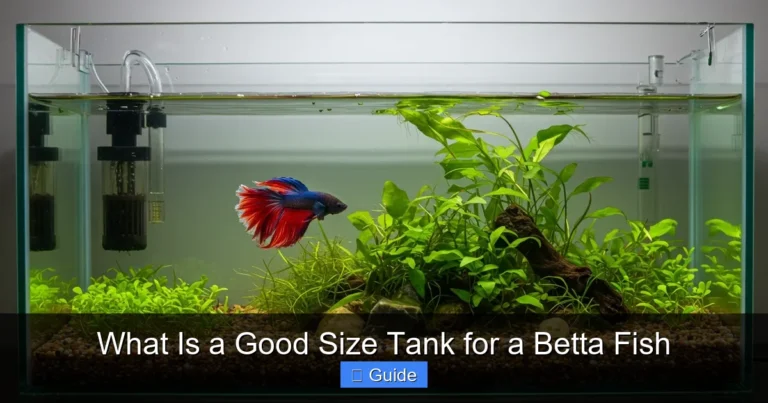
Yes, there are fish that can live with a betta! Finding the right betta tank mates depends on temperament, tank size, and water conditions. This guide covers the best peaceful community fish and setup tips for a harmonious aquarium.
So you love your betta fish and want to add some friends to the tank. That is a totally natural desire. A lonely betta in a bare tank can look dull, and a lively community aquarium brings so much joy. But here is the big question: are there any fish that can live with a betta?
The short answer is yes. But the longer answer comes with some important caveats. Not every fish species gets along with bettas. Bettas have long, flowing fins that can trigger aggression in certain fish. Some bettas themselves are simply too feisty for company. The good news? Plenty of options exist if you know what to look for.
In this guide, we will walk through everything you need to know about choosing betta tank mates. We will cover the best fish species, setup tips, common mistakes, and expert advice. By the end, you will feel confident about building a peaceful tropical fish tank that keeps your betta happy and healthy.
Key Takeaways
- Not all fish work with bettas: Aggressive or fin-nipping species will cause stress and injury.
- Tank size matters a lot: A minimum 10-gallon tank gives everyone enough space to thrive.
- Bottom feeders and snails are top choices: They stay out of your betta’s way and add variety.
- Watch your betta’s personality: Some bettas are calm, while others are too aggressive for tank mates.
- Gradual introductions are essential: Never add new fish directly into the betta’s territory without a acclimation process.
- Proper setup prevents conflict: Plants, hiding spots, and correct water parameters keep everyone calm.
📑 Table of Contents
Understanding Betta Temperament
Before you add any tank mates, you need to understand your betta’s personality. Bettas are often called Siamese fighting fish for a reason. Males, especially, are territorial and can be aggressive toward other fish. But not every betta is the same.
Why Bettas Act Aggressive
Bettas flare their gills and spread their fins to intimidate rivals. This behavior is deeply rooted in their nature. In the wild, bettas claim small territories in rice paddies and slow-moving streams. They defend these spaces fiercely.
In an aquarium, your betta sees other fish as potential intruders. Long-finned fish trigger the worst responses because they look like rival bettas. That is why choosing the right betta compatible fish is so critical.
Every Betta Is Different
Here is something many beginners do not realize. Some bettas are remarkably calm and tolerate tank mates just fine. Others snap at anything that moves. Your betta’s personality plays a huge role in whether community fish will work.
Watch your betta for a few days before introducing anyone new. If your betta flares constantly at movement outside the tank, it might prefer living alone. If it seems relaxed and curious, you have a better chance of success with tank mates.
Best Fish That Can Live With a Betta
Not all fish make good companions for bettas. The best choices are peaceful species that occupy different areas of the tank. This reduces competition and minimizes conflict.
Bottom-Dwelling Fish
Bottom feeders are excellent betta tank mates because they stay near the substrate and out of your betta’s way. They rarely trigger territorial behavior.
- Corydoras catfish: These small, peaceful scavengers are a top pick. They clean up leftover food and keep the tank floor tidy.
- Kuhli loaches: With their eel-like shape, kuhlis are fascinating to watch. They are shy but get along well with bettas in larger tanks.
- Otocinclus catfish: These tiny algae eaters are peaceful and stay small. They are perfect for a 10-gallon betta tank.
Peaceful Community Fish
Some schooling fish can coexist with bettas if the tank is large enough. Schooling fish tend to stick together and avoid confrontation.
- Neon tetras: A popular choice because they are colorful and stay in the upper and middle parts of the tank. Can a male betta fish live with neon tetras? Yes, in tanks of 15 gallons or more with plenty of plants.
- Harlequin rasboras: These are slightly larger than tetras and very hardy. They are calm and make reliable tank mates.
- Ember tetras: Their warm orange color complements bettas beautifully. They are peaceful and rarely bother other fish.
Snails as Betta Companions
If you want low-maintenance companions, snails are hard to beat. They do not interact with your betta much and help keep the tank clean.
- Nerite snails: These are the best algae cleaners around. They cannot reproduce in freshwater, so you never worry about overpopulation.
- Mystery snails: Larger and more visible, mystery snails add personality. They are peaceful and safe with bettas.
Shrimp Options
Shrimp can work as betta tank mates, but results vary. Some bettas ignore shrimp completely. Others see them as snacks.
- Amano shrimp: Larger and faster than most shrimp, amanos have a better chance of survival. They are excellent algae eaters.
- Cherry shrimp: These are smaller and more vulnerable. They breed easily, which means the population can recover even if some get eaten.
Fish to Avoid With Bettas
Knowing what not to put with your betta is just as important as knowing what to choose. Some fish will cause stress, injury, or worse.
Fin-Nipping Species
Fish that nip fins are a terrible match for bettas. Bettas already have long, delicate fins that are easy targets. Even peaceful fish can become bullies in a small tank.
- Tiger barbs: These are notorious fin nippers. They will chase and tear your betta’s fins relentlessly.
- Serpae tetras: Despite their beauty, serpae tetras can be aggressive and nip at long fins.
- Betta fish with goldfish: Goldfish produce too much waste for a betta tank. They also grow very large and need cold water, which is harmful to bettas.
Aggressive or Territorial Fish
Any fish that is aggressive or highly territorial will clash with your betta. The result is constant stress, wasted energy, and potential injury.
- Guppies: While often recommended, guppies can stress bettas with their bright colors and flowing fins. The betta may mistake them for rival males.
- Angelfish: These grow large and become territorial. They are not suitable for most betta setups.
Setting Up a Tank for Multiple Fish
A successful betta community tank requires proper setup. You cannot just throw fish together and hope for the best. The environment matters a lot.
Tank Size Requirements
The minimum tank size for a betta with tank mates is 10 gallons. A 5-gallon tank is only suitable for a betta living alone. More space means less conflict and better water quality.
- 10-gallon tank: Works for a betta plus 2-3 small companions like corydoras or shrimp.
- 20-gallon tank: Ideal for a betta with a small school of tetras or rasboras plus bottom dwellers.
- 30+ gallons: Opens up more options for larger peaceful species.
Plants and Hiding Spots
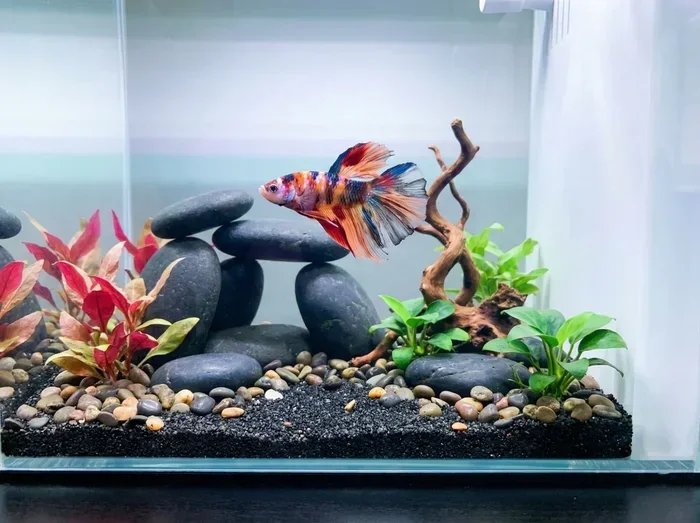
Live plants are essential for a community tank with bettas. They break up sight lines and give fish places to retreat. Can you put a live plant with betta fish? Absolutely. In fact, plants make the tank healthier and more natural.
- Java fern: Easy to grow and betta-safe. It provides great cover.
- Amazon sword: Large leaves create excellent hiding spots.
- Anubias: Hardy and low-maintenance. Attach it to driftwood for a natural look.
Water Parameters
Bettas need warm, clean water. The temperature should stay between 76 and 82 degrees Fahrenheit. Make sure any tank mates share similar water requirements.
- pH level: Aim for 6.5 to 7.5.
- Filtration: Use a gentle filter. Bettas dislike strong currents. A sponge filter works great.
- Water changes: Perform 25% water changes weekly to keep conditions stable.
How to Introduce New Fish Safely
Adding new fish to a betta tank is a process that requires patience. Rushing this step is one of the most common mistakes beginners make.
The Quarantine Step
Always quarantine new fish for at least two weeks before adding them to the main tank. This protects everyone from diseases and parasites. A separate quarantine tank is inexpensive and worth the effort.
The Acclimation Process
When you are ready to introduce a new fish, follow these steps:
- Turn off the tank lights to reduce stress.
- Float the bag with the new fish in your tank for 15-20 minutes to equalize the temperature.
- Gradually add small amounts of tank water to the bag over 20-30 minutes.
- Use a net to gently transfer the fish into the tank. Do not dump the bag water into your main tank.
- Watch the tank closely for the first hour. Some flaring is normal, but sustained aggression means you need to separate the fish.
What to Expect After Introduction
Your betta may flare at the new fish for the first few days. This is normal. Give them time to adjust. If chasing continues after a week, you may need to rearrange the tank decor or reconsider the tank mate choice.
Common Mistakes to Avoid
Even well-meaning fish keepers make mistakes when setting up a betta community tank. Here are the most common ones and how to avoid them.
Overcrowding the Tank
Too many fish in a small tank creates stress and aggression. Follow the general rule of one inch of fish per gallon. But remember, your betta counts too, and it needs personal space.
Ignoring Water Quality
More fish means more waste. If your filter is not strong enough or you skip water changes, ammonia levels can spike. This harms all the fish in the tank. Test your water regularly with a liquid test kit.
Choosing Fish Based on Looks Alone
It is tempting to pick fish because they are beautiful. But looks do not determine compatibility. Always research a species’ temperament, size, and water requirements before adding it to a betta tank.
Expert Insights on Betta Community Tanks
Experienced aquarists agree that success with betta tank mates comes down to three factors: space, personality, and preparation. A well-planned tank with plenty of hiding spots and the right species combinations can thrive for years.
Many hobbyists recommend starting with snails or shrimp before moving on to fish companions. These creatures are lower risk and help you learn how your betta reacts to other animals in the tank. Once you feel confident, you can gradually add peaceful community fish.
If you are unsure whether a specific species will work, always research first. Every tank is different. What works in one aquarium may not work in another, even with the same fish species.
For more detailed guidance on what fish can live with a betta, check out our article on Can You Put Any Fish With A Betta Fish. It covers additional species and scenarios you might encounter.
Conclusion
The answer to the question are there any fish that can live with a betta is a clear yes. Plenty of peaceful species can share a tank with your betta and create a vibrant, interesting aquarium. The key is choosing compatible fish, setting up the right environment, and introducing new tank mates carefully.
Start small. Add snails or shrimp first. Then, if your betta seems comfortable, try adding a few peaceful community fish. Always monitor behavior and be ready to make changes if needed. With patience and the right approach, you can build a beautiful betta community tank that brings you joy every day.
Remember, every betta is an individual. What works for one betta may not work for another. Pay attention to your fish, learn its personality, and adjust as needed. That is the real secret to a successful community aquarium.
For more information on keeping bettas with other species, visit our guide on Can Any Other Fish Live With A Betta and explore the best options for your setup.
You might also want to learn about bottom feeders for betta tanks, which are among the safest and easiest tank mates to manage.
Frequently Asked Questions
Can bettas live with guppies?
It is possible but not recommended. Guppies have bright colors and long fins that can trigger aggression in bettas. The betta may chase or nip at the guppy, causing stress. If you try it, a heavily planted 20-gallon tank is the minimum requirement.
What is the best tank mate for a betta fish?
Snails, especially nerite snails, are the safest and easiest tank mates for bettas. They stay out of the betta’s way, help clean the tank, and never provoke aggression. Corydoras catfish and kuhli loaches are also excellent choices for larger tanks.
Can two male bettas live together?
No. Two male bettas should never share a tank. They will fight aggressively and can seriously injure or kill each other. Even large tanks with heavy planting rarely work for two male bettas. Always keep males separated.
How many fish can you put with a betta?
In a 10-gallon tank, stick to 2-3 small companions like a small group of corydoras or a few shrimp. In a 20-gallon tank, you can add a small school of peaceful tetras or rasboras along with a bottom dweller. Always prioritize space and avoid overcrowding.
Can bettas live with goldfish?
No. Goldfish and bettas have very different temperature and water quality needs. Goldfish produce too much waste for a small tank, and they grow much larger than most people expect. Keeping them together is harmful to both fish.
Do bettas get lonely?
Bettas are solitary fish by nature. While they may seem curious about their surroundings, they do not need companionship the way social fish do. A well-decorated tank with plants and hiding spots is enough to keep a betta stimulated and healthy on its own.