Are Bubblers Good for Betta Fish
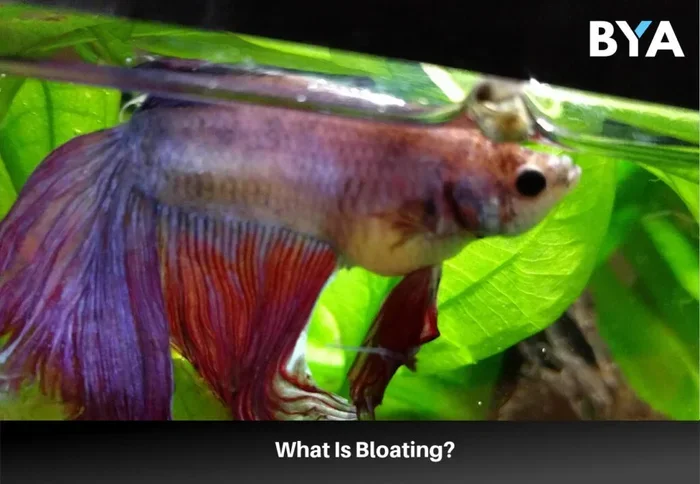
Are bubblers good for betta fish? The answer depends on your tank setup and your betta’s personality. Bubblers can improve water oxygenation and create gentle currents that some bettas enjoy. However, strong water flow from certain bubbler models can stress sensitive bettas. This guide covers everything you need to know about using bubblers for betta fish, including benefits, risks, and how to choose the right one for your aquarium.
Are bubblers good for betta fish? The short answer is: it depends. Bubblers can be a great addition to a betta fish tank when used correctly. They help with water oxygenation and create a more natural aquatic environment. But not all bettas enjoy strong water movement. Some bettas love the gentle flow, while others prefer calm water. This guide will walk you through everything you need to know about using a bubbler for your betta. You will learn about the benefits, risks, and how to pick the right bubbler for your setup.
Setting up a healthy habitat for your betta fish involves many decisions. One question many fish owners ask is whether a bubbler is necessary or helpful. The truth is that bettas are labyrinth fish. This means they can breathe air from the surface. So technically, they do not need a bubbler the way some other fish do. But that does not mean bubblers have no value. Many betta owners use them to improve water quality and add visual interest to the tank.
In this article, we will explore the pros and cons of bubblers for betta fish. We will also look at how to set one up safely. By the end, you will have a clear answer for your own betta tank. Let us dive in and find out if a bubbler is right for your fish.
Key Takeaways
- Bubblers improve water oxygenation: They help maintain healthy oxygen levels, especially in warm or large tanks.
- Not all bettas enjoy strong currents: Some bettas prefer calm water and can become stressed by powerful bubblers.
- Choose a gentle, adjustable bubbler: Look for fine-bubble air stones and adjustable air pumps for the best results.
- Placement matters: Keep the bubbler on one side of the tank so your betta can find calm areas to rest.
- Sponge filters are a great alternative: They provide gentle aeration and filtration in one device.
- Watch your betta fish behavior: Your fish will tell you if the bubbler is too strong or just right.
- Bubblers supplement, not replace, proper care: Regular water changes and good filtration remain essential for betta health.
📑 Table of Contents
What Is a Bubbler and How Does It Work?
A bubbler is a device that pushes air into your aquarium. It usually consists of an air pump, tubing, and an air stone or diffuser. The air pump sends air through the tube to the stone at the bottom of the tank. The stone breaks the air into tiny bubbles. These bubbles rise to the surface and create water movement. This process is called water oxygenation. It helps gas exchange at the water surface. Oxygen enters the water, and carbon dioxide escapes.
The water movement created by a bubbler also helps prevent stagnation. Stagnant water can trap harmful substances like ammonia and nitrite. By keeping the water in motion, a bubbler supports a healthier betta fish habitat. It is a simple device but it plays an important role in maintaining your aquarium environment.
Types of Aquarium Bubblers
There are several types of bubblers you can use in a betta tank. Each one works a little differently. Here are the most common options:
- Air Stones: These are small, porous stones that release tiny bubbles. They create a gentle, steady stream of air. Air stones are the most popular choice for betta tanks.
- Air Bars: These are long tubes with multiple holes. They spread bubbles across a wider area. They work well in larger tanks.
- Sponge Filters: These combine filtration and aeration. They sit inside the tank and use air to pull water through a sponge. Many betta owners love sponge filters because they are gentle and effective.
- Box Bubblers: These are enclosed units that sit inside the tank. They release a steady stream of fine bubbles. They are less common but can be useful in certain setups.
Not all of these are ideal for bettas. The key is to choose a bubbler that creates gentle water movement. Bettas do not like strong currents. A soft, steady flow is best for most betta fish. If you are unsure which type to pick, an air stone is a safe and simple starting point.
Benefits of Bubblers for Betta Fish
Using a bubbler in your betta tank comes with several advantages. Let us look at the main benefits in detail.
Improved Water Oxygenation
Bubblers increase the oxygen levels in your tank. This is especially important in warmer water. Warm water holds less oxygen than cool water. Bettas need well-oxygenated water to stay healthy. A bubbler helps maintain good oxygen levels, especially in tanks without a strong filtration system. If you do not use a hang-on-back filter or canister filter, a bubbler becomes even more important. It keeps the water fresh and safe for your fish.
Good oxygenation also supports your betta fish health. Oxygen-rich water helps your fish stay active, eat well, and fight off illness. A filters safe for betta fish setup combined with a bubbler creates an ideal environment for your pet to thrive.
Better Water Circulation
Stagnant water can build up harmful substances. Ammonia and nitrite can spike in tanks with poor water movement. A bubbler helps circulate the water throughout the tank. This prevents dead spots where waste can collect. Better circulation also helps your filter work more efficiently. Even if you already have a filtration system, a bubbler can improve overall water flow. It keeps the water moving and prevents buildup of debris in the substrate or corners of the tank.
Gentle Current That Some Bettas Enjoy
Some bettas actually enjoy swimming in gentle currents. In the wild, bettas live in slow-moving streams and rice paddies. A mild bubbler can mimic this natural environment. It gives your fish something to play with and explore. You may notice your betta swimming with the current and resting near the flow. This can be a sign that your fish is happy and active. Watching a betta ride the gentle bubbles can be one of the most enjoyable parts of fish keeping.
Visual Appeal and Tank Aesthetics
Let us not forget the visual benefit. Bubbles add life and movement to a tank. They make the aquarium look more dynamic and engaging. Many betta owners enjoy watching the bubbles rise. It can be very calming and relaxing. A bubbler can also help with surface agitation, which improves the overall look of the tank. A well-aerated tank simply looks more alive and inviting.
Potential Risks and Downsides of Bubblers
While bubblers have many benefits, they are not right for every betta setup. Here are the potential risks you should know about.
Strong Currents Can Stress Bettas
This is the biggest concern with bubblers. Bettas are not strong swimmers. They prefer calm or slow-moving water. A powerful bubbler can create currents that are too strong. This can tire your betta out quickly. You may notice your fish struggling to swim or being pushed around the tank. A stressed betta is more likely to get sick. It can also stop eating and hide constantly. If you see these signs, your bubbler may be too strong.
Noise and Disturbance
Some air pumps can be quite noisy. The constant humming or buzzing can be annoying. This is especially true at night when the house is quiet. A noisy bubbler can disrupt sleep for both you and your fish. However, you can reduce noise by using a quieter air pump or placing a sponge pad under the pump. Some owners also wrap the pump in a cloth to dampen the sound. A bubble chest aerator may also be a better option if noise is a concern, since these tend to run more quietly than traditional air pumps.
When Bubblers Become Harmful
There are times when a bubbler is simply not a good idea. If your tank is very small, a bubbler might create too much surface agitation. This can cause the water temperature to drop. Bettas need warm water, typically between 78 and 80 degrees Fahrenheit. Also, if you have tank mates like snails good with betta fish, they may not enjoy strong currents either. Always consider the needs of all creatures in your tank before adding a bubbler. Some snail species and shrimp prefer calmer water, so a gentle approach is always best.
How to Choose the Right Bubbler for Your Betta Tank
If you decide to use a bubbler, choosing the right one is crucial. Not all bubblers are created equal. Here is what you should look for.
Size and Power Considerations
The size of your tank matters a lot. A small tank needs a small, gentle bubbler. A large tank can handle a slightly stronger air pump. As a rule of thumb, choose a bubbler that produces fine, small bubbles. Avoid ones that create large, forceful bubbles. These create too much water movement. Look for adjustable air pumps. This way, you can control the flow rate. You can always turn it up or down based on your betta fish behavior.
A good tip is to start with the lowest setting and observe your fish for a few days. This lets you gauge how your betta responds to the new water movement. You can always increase the airflow later if needed.
Placement Tips for Betta Tanks
Where you place your bubbler matters just as much as the type you choose. Here are some tips:
- Keep it on one side of the tank: This creates a gentle current on one side while leaving calm areas on the other side. Your betta can choose where to swim.
- Avoid placing it near the filter intake: This can create too much turbulence in one area.
- Place the air stone near the substrate: This creates a natural-looking flow from the bottom up.
- Use a check valve: This prevents water from flowing back into the air pump if the power goes out. It protects your equipment and your fish.
Proper placement makes a big difference. Your betta should be able to swim freely without being pushed around. If the current is too strong, move the bubbler to a different spot or reduce the airflow. A well-placed bubbler creates a comfortable and enjoyable environment for your fish.
Bubblers vs. Other Water Movement Options
Bubblers are not the only way to move water in a betta tank. Let us compare them with other popular options.
Sponge Filters vs. Bubblers
Sponge filters are a favorite among betta keepers. They provide both filtration and aeration. The gentle suction of a sponge filter creates a mild current. It is less disruptive than a traditional bubbler. Sponge filters are also very safe for bettas. They do not have strong intakes that could harm your fish. Many experienced aquarists recommend sponge filters as the best choice for betta tanks. They are simple, effective, and affordable.
If you are torn between a bubbler and a sponge filter, consider getting both. Use the sponge filter as your main filtration device and add a small air stone for extra oxygenation. This combination works beautifully for most betta setups.
Hang-On-Back Filters and Betta Fish
Hang-on-back filters are another common choice. They hang on the back of the tank and filter the water. However, the outflow can sometimes create a strong current. This can be a problem for bettas. If you use an HOB filter, consider using a spray bar attachment. This spreads the water output and reduces the flow. It makes the filter safer for your betta fish.
You might also wonder if you even need a bubbler if you have a filter. The answer depends on your setup. If your filter provides good surface agitation, you may not need a separate bubbler. But if your tank is large or warm, an additional bubbler can help maintain water quality and oxygen levels. For more details on whether filters are essential, check out this guide on water filters necessary for betta fish to understand your options better.
Final Verdict: Should You Use a Bubbler for Your Betta?
So, are bubblers good for betta fish? The answer is: it depends on your setup and your fish. A gentle bubbler can be a wonderful addition to a betta tank. It improves oxygenation, aids in water circulation, and adds visual appeal. But a strong bubbler can cause stress and health problems for your fish.
The best approach is to start small. Use a low-powered air pump with an air stone. Place it on one side of the tank. Watch your betta closely for a few days. If your fish seems happy and active, you have found a good setup. If your betta looks stressed or is struggling to swim, reduce the flow or remove the bubbler entirely.
Remember that every betta is different. Some bettas love the gentle flow of a bubbler. Others prefer still water. The key is to observe your fish and adjust accordingly. A happy, healthy betta is the ultimate goal. With the right setup, a bubbler can be a great tool for achieving that.
Also, keep in mind that bubblers work best as a supplement to a good filtration system. They are not a replacement for proper tank maintenance. Regular water changes and testing are still essential. A bubbler adds value, but it is not the only piece of the puzzle for a thriving betta habitat.
In the end, using a bubbler comes down to personal preference and your betta fish needs. Take the time to find what works best for your fish. Your effort will pay off with a happier, healthier betta in a beautiful aquarium. Trust your instincts, watch your fish closely, and you will make the right choice.
Frequently Asked Questions
Can a bubbler be too strong for a betta fish?
Yes, absolutely. A bubbler that creates a strong current can overwhelm your betta. Bettas are not powerful swimmers. They prefer slow-moving or still water. If the flow is too intense, your fish may struggle to swim, hide constantly, or stop eating. Always start with a low setting and increase only if your betta seems comfortable. Signs of a too-strong bubbler include gasping at the surface, erratic swimming, and frequent hiding.
Do betta fish need a bubbler if they have a filter?
Not necessarily. Many filters provide enough surface agitation for proper oxygenation. However, in larger tanks or warmer water, a bubbler can be helpful. It boosts oxygen levels and improves overall water quality. If your filter already creates good surface movement, you may not need a separate bubbler. But adding one can still benefit your betta fish tank by improving circulation and preventing stagnant zones.
Are sponge filters better than bubblers for bettas?
Many aquarists prefer sponge filters for bettas because they offer gentle aeration and mechanical filtration. They create a mild current that most bettas tolerate well. Sponge filters are also very safe since they lack strong intake tubes that could harm your fish. While traditional bubblers work well too, sponge filters are often considered the safer and more versatile choice for betta setups. They are simple to clean and very reliable.
How do I know if my betta likes the bubbler?
Watch your betta fish behavior closely. If your fish swims actively near the bubbler, plays with the bubbles, or rests comfortably in the gentle flow, it likely enjoys the bubbler. Signs of stress include rapid gilling, hiding, clamped fins, or trying to swim against a strong current. Adjust the airflow or move the bubbler if you notice any stress indicators. A happy betta will explore and interact with its environment naturally.
Can I use an air stone with other tank mates like snails good with betta fish?
Yes, air stones work well in community tanks with peaceful tank mates. Creatures like snails good with betta fish and shrimp generally tolerate gentle water movement. However, you should still monitor the flow to make sure all inhabitants are comfortable. Some snail species and shrimp prefer calmer water. A gentle bubbler usually works fine for mixed setups, but always observe how your other pets respond to the current and adjust as needed.
Will a bubbler help keep my betta tank water clean?
A bubbler helps with water circulation, which supports your filtration system and overall water quality. It prevents dead spots where debris and waste can collect. However, a bubbler alone does not remove toxins or replace regular water changes. You still need a proper filtration system and a consistent maintenance routine. Think of a bubbler as a helper that keeps things moving, not a substitute for cleaning and regular water changes.