Are Betta Fish High Maintenance

So, are betta fish high maintenance? The short answer is no — bettas are actually one of the easiest tropical fish to care for. They don’t need huge tanks, expensive equipment, or constant attention. Betta fish maintenance is simple once you understand their basic needs. With the right betta fish care routine, these colorful fish thrive with minimal effort.
Many people believe that betta fish are delicate creatures that need constant care. Maybe you have heard stories about how hard they are to keep alive. Or perhaps a pet store employee told you that only experts should own them. The truth is, are betta fish high maintenance is a question that comes up a lot — and the answer might surprise you.
Bettas are actually quite resilient. They have been bred in captivity for over a century, which has made them hardy and adaptable. That does not mean they thrive in neglected tanks. But it does mean that betta fish maintenance is well within reach for almost anyone. Whether you are a complete beginner or a busy pet owner, a betta fish can fit your lifestyle.
Let us break down everything you need to know about betta fish care. We will look at tank setup, feeding, water changes, and daily routines. By the end, you will have a clear picture of what it really takes to keep a betta happy and healthy.
Key Takeaways
- Low Space Needs: Betta fish don’t require massive tanks. A 5-gallon tank is the minimum recommended size for a healthy betta.
- Simple Feeding Routine: You only need to feed bettas once or twice a day with small amounts of food.
- Weekly Water Changes: Regular partial water changes keep the tank clean without a lot of hassle.
- No Heater Required (Sometimes): Bettas can live in room-temperature water, though a heater helps in colder climates.
- Low Interaction Needs: Bettas are independent fish and don’t need constant attention or companionship.
- Easy Tank Setup: A basic filter, a few plants, and clean water are all you need for a happy betta.
- Great for Beginners: Despite their bright colors and flowing fins, bettas are forgiving and beginner-friendly.
📑 Table of Contents
Understanding Betta Fish Basics
Before we dive into the maintenance side, let us cover some basics. Knowing what bettas need naturally helps you understand why their care is simpler than you think.
Where Do Betta Fish Come From?
Betta fish, also known as Siamese fighting fish, originate from the warm, slow-moving waters of Southeast Asia. They live in rice paddies, flood plains, and shallow streams. These environments are not huge. In fact, bettas often live in small, warm bodies of water where conditions change frequently.
This natural history is important. It means bettas are built to handle a range of water conditions. They do not need the massive, complex setups that many other tropical fish require. A simple betta fish tank with stable parameters is more than enough.
How Long Do Betta Fish Live?
A well-cared-for betta fish can live between three and five years. Some owners report their bettas living up to seven years. This lifespan is a big reason why people love them. You are making a commitment, but it is not a decades-long one.
Proper betta fish care directly affects lifespan. Fish kept in clean tanks with good food live longer and healthier lives. Neglected fish, on the other hand, may only survive a year or two.
Setting Up a Betta Tank
The tank setup is the first and most important part of betta fish maintenance. A good setup makes everything else easier.
What Size Tank Does a Betta Need?
Many people keep bettas in tiny cups or bowls at pet stores. That is not a good setup for a home. A 5-gallon tank is the minimum recommended size. A 10-gallon tank is even better if you have the space.
Here is why tank size matters:
- Larger tanks are more stable. Water parameters stay consistent longer.
- More room for swimming. Bettas enjoy exploring their space.
- Easier to maintain. Small tanks fluctuate in temperature and chemistry faster.
- Better for fish health. A stressed fish gets sick more easily.
Do You Need a Filter?
Yes, you need a filter. But you do not need a powerful one. Bettas prefer gentle water flow because their long fins make them weak swimmers. A sponge filter works great for betta tanks. It provides biological filtration without creating too much current.
Some owners worry about filters being too strong. You can always baffle the outflow with a sponge or adjust the flow rate. The key point is that a filter makes betta fish maintenance much easier by keeping the water cleaner longer.
Do You Need a Heater?
Betta fish are tropical. They need warm water between 76 and 82 degrees Fahrenheit. In a warm room, the water might stay in that range naturally. But in most homes, especially during winter, a heater is a good idea.
A small aquarium heater set to 78 degrees Fahrenheit is perfect. It keeps the temperature steady, which reduces stress on your fish. Stable temperature is one of the easiest ways to prevent illness.
What About Tank Mates?
Bettas can live alone, and many do just fine that way. If you want to add other fish, you need to choose carefully. Not all fish get along with bettas. Are there other fish that can go with a betta? Yes, but the options are limited. Small, peaceful fish like corydoras or kuhli loaches can work. Snails are also a great choice because they do not bother bettas at all.
If you are curious about adding tank mates, check out this guide on which fish can go with a betta for more details.
Daily and Weekly Care Routine
This is where people really want to know the answer to are betta fish high maintenance. The daily and weekly routines are actually quite simple.
Feeding Your Betta Fish
Feeding is one of the easiest parts of betta care. Bettas are not big eaters. You should feed them once or twice a day, giving them only what they can eat in two to three minutes. Overfeeding is one of the most common mistakes new owners make.
High-quality betta pellets should be the staple of their diet. You can supplement with frozen or live foods like bloodworms or brine shrimp a couple of times a week. Variety keeps them healthy and interested in their food.
If you want more details on feeding schedules, you can read about how often you should feed betta fish.
Water Changes and Cleaning
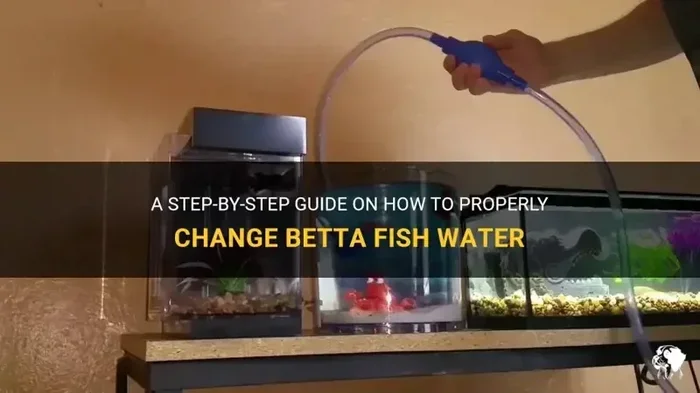
Water changes are the backbone of betta fish maintenance. You do not need to do a full water change every week. Instead, remove about 25 to 30 percent of the water and replace it with fresh, dechlorinated water.
Here is a simple weekly routine:
- Siphon out debris from the gravel and substrate.
- Remove 25 to 30 percent of the tank water.
- Replace with treated water at the same temperature.
- Check the filter and rinse the sponge if it looks dirty.
- Test the water parameters with a simple test kit.
Consistency is key. Regular partial water changes prevent ammonia and nitrite buildup, which are the leading causes of betta illness.
Daily Check-Ins
Spend a minute or two each day observing your betta. Look for signs of health like bright colors, active swimming, and a good appetite. Also check the tank temperature and make sure the filter is running. These quick check-ins take almost no time but catch problems early.
Common Myths About Betta Fish Care
There are a lot of myths floating around about bettas. Let us clear up some of the most common ones.
Myth: Bettas Can Live in Small Bowls
This is probably the biggest myth. While bettas can survive in small bowls, they do not thrive. Small volumes of water change temperature and chemistry quickly, which stresses the fish. A 5-gallon tank or larger gives your betta a much better quality of life.
Myth: Bettas Do Not Need a Filter
Some people think bettas lived in dirty water in the wild, so they do not need filtration. This is misleading. In the wild, bettas live in large bodies of water where waste is diluted. In a small tank, waste builds up fast. A filter is essential for keeping the water clean and safe.
Myth: Bettas Are High Maintenance
This myth likely comes from the way bettas are sold in stores. They are often kept in tiny cups with no filtration, which makes them look fragile. In reality, a properly set up betta tank is low maintenance and easy to manage.
Signs Your Betta Fish Is Unhappy or Unhealthy
Even with low maintenance needs, bettas can run into problems if their care is neglected. Knowing the warning signs helps you act fast.
Watch out for these common signs of trouble:
- Clamped fins: The fish holds its fins close to its body instead of spreading them out.
- Loss of color: A healthy betta should be vibrant. Fading color is a red flag.
- Lethargy: If your betta is barely moving or stays at the bottom, something is wrong.
- Not eating: Skipping one meal is normal. Skipping multiple meals is a concern.
- Rapid breathing: Gasping at the surface can signal poor water quality.
- White spots or patches: These could indicate ich or fungal infections.
If you notice any of these signs, test your water first. Poor water quality is the number one cause of betta health issues. A partial water change often solves the problem quickly.
How Betta Maintenance Compares to Other Fish
To put things in perspective, let us compare betta fish care to a few other popular pets.
| Fish Type | Tank Size Needed | Filter Needed | Feeding Frequency | Water Change Frequency | Difficulty Level |
|---|---|---|---|---|---|
| Betta Fish | 5+ gallons | Yes (low flow) | 1-2 times daily | Weekly (25-30%) | Easy |
| Goldfish | 20+ gallons | Yes (strong) | 2-3 times daily | Weekly (50%+) | Moderate |
| Tetras | 10+ gallons | Yes (moderate) | 2 times daily | Weekly (25-30%) | Easy to Moderate |
| Guppies | 5+ gallons | Yes (moderate) | 2 times daily | Weekly (25-30%) | Easy |
| Saltwater Fish | 30+ gallons | Yes (strong) | 2-3 times daily | Weekly (10-20%) | Hard |
As you can see, bettas are on the easier end of the spectrum. Their maintenance level is lower than most other fish. They need less space, less filtration power, and less frequent water changes than many alternatives.
Quick Tips for Easy Betta Fish Care
Here are some practical tips that make betta fish maintenance even simpler:
- Use a water conditioner. Tap water contains chlorine and chloramine that harm fish. A good conditioner removes these instantly.
- Do not overfeed. Uneaten food rots in the tank and spikes ammonia levels. Feed small amounts and remove leftovers.
- Keep the tank away from direct sunlight. Sunlight causes algae blooms and temperature swings.
- Add live or silk plants. Plants provide hiding spots and improve water quality. Avoid sharp plastic plants that can tear betta fins.
- Stick to a routine. Fish thrive on consistency. Feed them at the same times each day and do water changes on the same day each week.
- Watch the temperature. Use a thermometer to make sure the water stays between 76 and 82 degrees Fahrenheit.
Following these simple tips keeps your betta healthy with minimal daily effort. The key is consistency, not complexity.
Final Thoughts
So, are betta fish high maintenance? After looking at the tank setup, feeding routine, water changes, and daily care, the answer is clear. Betta fish are not high maintenance. They are one of the most beginner-friendly fish you can own. A basic 5-gallon tank, a gentle filter, a heater, and a simple feeding routine are all you need.
The weekly water changes take just a few minutes. The daily feeding takes less than a minute. And the daily observation is a relaxing ritual, not a chore. Betta fish care fits easily into even the busiest schedules.
If you are thinking about getting a betta, go for it. These beautiful, lively fish bring a lot of joy with very little upkeep. Just give them a clean tank, proper food, and stable temperatures, and your betta will thrive for years to come.
For more tips on betta care, check out our article on how to feed your betta fish every day and learn about the best feeding practices for a happy, healthy fish.
Frequently Asked Questions
Are betta fish high maintenance compared to other fish?
No, bettas are actually one of the least maintenance fish you can own. They need a small tank, simple feeding, and weekly water changes. Most other tropical fish require larger tanks, stronger filters, and more complex care routines.
How often do I need to clean a betta fish tank?
A partial water change of 25 to 30 percent once a week is usually enough. You should also vacuum the gravel to remove debris. A full tank cleaning is rarely necessary and can actually stress your fish.
Can I skip the filter if I do water changes often?
You should not skip the filter. Even with regular water changes, a filter helps remove toxins and keeps the water cycled properly. It makes betta fish maintenance much easier and keeps your fish healthier long-term.
What is the easiest betta fish setup for beginners?
A 5-gallon tank with a sponge filter, a small heater, and a few silk plants is the easiest setup. It is simple, affordable, and keeps the water clean with very little effort. This setup gives your betta everything it needs to thrive.
Do betta fish need special food?
Bettas do best on high-quality betta pellets as their staple food. You can supplement with frozen or live foods like bloodworms occasionally. They do not need expensive or exotic food — just balanced, quality nutrition.
Can betta fish live alone without getting lonely?
Yes, bettas are perfectly fine living alone. They are solitary fish by nature and do not need tank mates to be happy. In fact, adding other fish can sometimes cause stress, especially if the tank is too small or the tank mates are aggressive.