Are Betta Fish Difficult to Keep
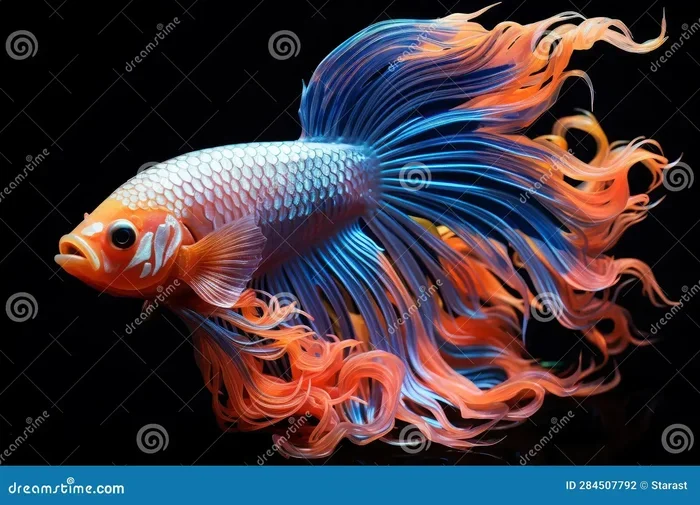
Are betta fish difficult to keep? The honest answer is no — betta fish care is simpler than most people think. With the right tank setup, consistent water temperature, and a solid feeding routine, anyone can raise a happy, healthy betta. This guide breaks down everything you need to know about keeping betta fish at home.
So, are betta fish difficult to keep? Let us clear this up right away. Betta fish get a bad reputation. People think they are fragile, high-maintenance creatures that only experienced fish keepers can handle. That is simply not true. Betta fish care is straightforward, affordable, and genuinely rewarding. Millions of beginners around the world keep bettas successfully every single year.
In this guide, we will walk through everything you need to know. From setting up the perfect betta fish tank to feeding schedules and water temperature tips, we have you covered. By the end, you will feel confident enough to start your own betta journey. Let us dive in.
Key Takeaways
- Betta fish are not hard to keep: They are surprisingly resilient and adaptable for beginner aquarists.
- A proper tank matters: At least 5 gallons with a filter and heater keeps your betta thriving.
- Warm water is essential: Bettas need temperatures between 76–82°F to stay healthy and active.
- Feeding is simple: A mix of pellets and occasional treats covers their nutritional needs easily.
- Tank mates can work: Choosing the right companions reduces stress for both your betta and other fish.
- Common mistakes are avoidable: Overfeeding, cold water, and tiny bowls cause most betta health problems.
📑 Table of Contents
- Why Do People Think Betta Fish Are Hard to Keep?
- Setting Up the Right Tank for Your Betta
- Feeding Your Betta Fish Properly
- Water Quality and Temperature
- Tank Mates and Social Compatibility
- Common Mistakes That Make Betta Keeping Hard
- Signs Your Betta Is Happy and Healthy
- Final Thoughts on Keeping Betta Fish
Why Do People Think Betta Fish Are Hard to Keep?
The idea that betta fish are difficult to keep comes from a few common misconceptions. Many pet stores sell bettas in tiny cups on crowded shelves. These small containers look sad and unhealthy. People assume bettas need tiny spaces to survive. That could not be further from the truth.
Another reason is the name “Siamese fighting fish.” Bettas are known for being aggressive, especially males. This makes people think they are wild and unpredictable. While male bettas do fight each other, they are actually quite peaceful with the right tank setup and companions. Betta fish are hard to kill in the best way — they are tougher than they look.
The Truth About Betta Fish Resilience
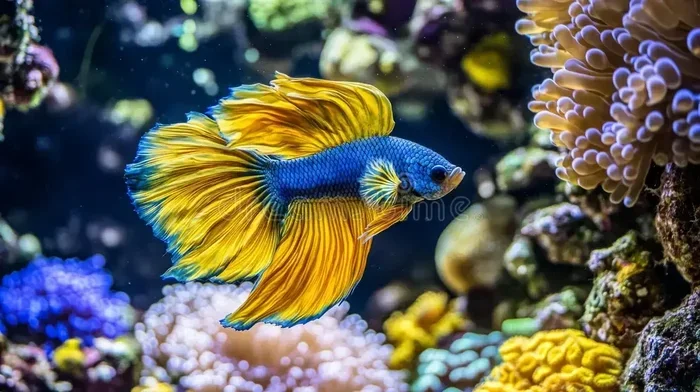
Betta fish have a remarkable ability to survive tough conditions. In the wild, they live in shallow rice paddies, floodplains, and slow-moving streams in Southeast Asia. These environments can dry up completely during dry seasons. Bettas have a special organ called the labyrinth organ that lets them breathe atmospheric air. This means they can survive in low-oxygen water where other fish would perish.
This natural toughness is why betta fish are easier to keep than many people assume. They do not need perfect conditions every second. They are forgiving of minor mistakes, which makes them excellent for beginners. That said, “forgiving” does not mean “neglect-proof.” You still need to provide basic care.
Setting Up the Right Tank for Your Betta
The single most important factor in betta fish care is the tank. A proper betta fish tank setup makes everything else easier. Here is what you need to know.
Tank Size Matters
Many beginners start with a tiny bowl. While a betta can survive in a small container short-term, it will not thrive. The minimum tank size for a single betta is 5 gallons. A larger tank — around 10 gallons — gives your fish more room to swim and explore. It also stabilizes water parameters more easily.
- 1–3 gallons: Too small. Stressful for your betta. Hard to maintain stable conditions.
- 5 gallons: The sweet spot for a single betta. Easy to manage and affordable.
- 10+ gallons: Ideal if you plan to add tank mates or live plants.
Filtration and Heating
Bettas need both a filter and a heater, even though some guides skip these. A gentle sponge filter keeps the water clean without creating too much current. Bettas are slow swimmers and hate strong flows. As for heat, betta fish need warm water — between 76°F and 82°F. A small aquarium heater with a thermostat does the job perfectly.
If you are unsure about equipment choices, check out our guide on are betta fish supposed to have a filter for detailed recommendations.
Decor and Plants
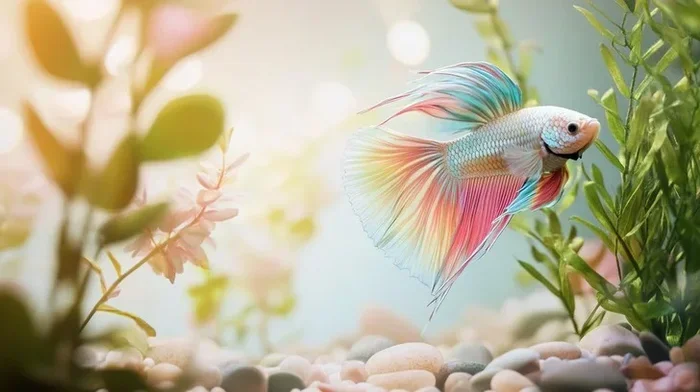
Bettas love hiding spots and gentle plants. Live plants like java fern and anubias are great choices. They help maintain water quality and give your betta a natural feel. Avoid sharp decorations or rough gravel that could damage those beautiful, long fins.
Feeding Your Betta Fish Properly
Feeding is one of the easiest parts of betta fish care. But it is also where many beginners make mistakes. Overfeeding is the number one killer of pet bettas. These fish have small stomachs — roughly the size of their eye. A few pellets twice a day is plenty.
What to Feed Your Betta
A high-quality betta fish pellet should form the base of their diet. Look for pellets specifically made for bettas with a protein content of at least 30%. You can supplement with frozen or live foods like brine shrimp and bloodworms as occasional treats. These make mealtime more exciting and provide extra nutrition.
- Feed small amounts twice daily. Only what your betta can eat in two minutes.
- Skip one feeding day per week. This helps prevent constipation and bloating.
- Variety is key. Rotate between pellets, frozen foods, and occasional treats.
Common Feeding Mistakes
Do not feed your betta flakes meant for tropical community fish. Bettas need higher protein. Also, never leave uneaten food sitting in the tank. It rots quickly and fouls the water. A small pinch of food is all you need. If your betta leaves food behind, you are giving too much.
Water Quality and Temperature
Clean water is the foundation of good betta fish care. Bettas are sensitive to ammonia and nitrite, even in small amounts. Regular water changes are non-negotiable.
How to Maintain Good Water Quality
- Test your water weekly. Use a simple liquid test kit for ammonia, nitrite, nitrate, and pH.
- Change 25–50% of the water every week. Use a gravel vacuum to remove debris from the substrate.
- Treat tap water with a conditioner. Chlorine and chloramine in tap water are harmful to bettas.
- Keep the temperature stable. Fluctuations stress your betta and weaken its immune system.
Temperature is especially important. If you live in a cooler climate, a reliable heater is essential. For more tips on maintaining the right warmth, visit our guide on how to keep my betta fish warm without a heater.
Ideal Water Parameters for Bettas
| Parameter | Ideal Range |
|---|---|
| Temperature | 76–82°F (24–28°C) |
| pH | 6.5–7.5 |
| Ammonia | 0 ppm |
| Nitrite | 0 ppm |
| Nitrate | Below 20 ppm |
| Hardness (GH) | 3–4 dGH |
Tank Mates and Social Compatibility
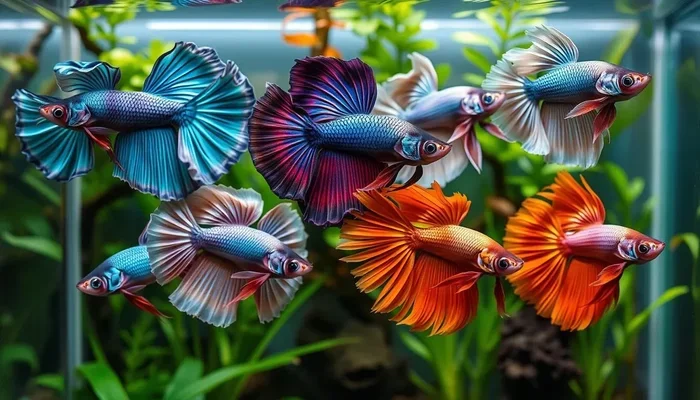
One of the most common questions is whether bettas can live with other fish. The answer is yes — with the right choices. Betta fish are not always meant to be alone, despite what many people believe. A well-planned community tank can work beautifully.
Good Tank Mates for Bettas
Choose peaceful, small fish that do not nip at betta fins. Corydoras catfish, neon tetras, and kuhli loaches are excellent options. Snails like nerite snails also make great companions — they clean algae without bothering your betta.
If you are considering adding other fish, check out our article on are betta fish good to keep with guppies for a detailed breakdown of compatibility.
Fish to Avoid
- Other male bettas: They will fight, sometimes to the death.
- Bright, long-finned fish: These can trigger aggression in your betta.
- Fin nippers: Fish like tiger barbs may nip your betta’s flowing fins.
- Large, aggressive fish: These can bully or eat your betta.
For a broader guide on choosing companions, read our article on which fish to keep with betta.
Common Mistakes That Make Betta Keeping Hard
Most people who struggle with betta fish care make avoidable errors. Here are the top mistakes to watch out for.
Mistake 1: Keeping Your Betta in a Tiny Bowl
A small bowl might look cute, but it creates a toxic environment fast. Waste builds up quickly in tiny volumes of water. Your betta will become stressed, sick, and eventually die. A 5-gallon tank with a filter is the bare minimum for a happy, healthy betta.
Mistake 2: Skipping the Heater
Room temperature water is usually too cold for bettas. Most homes sit around 68–72°F, which is below the safe range. Cold water slows your betta’s metabolism, weakens its immune system, and leads to illness. Always use a heater and monitor the temperature.
Mistake 3: Overfeeding
It is tempting to give your betta too much food because they beg so eagerly. But overfeeding causes bloating, constipation, and dirty water. Stick to small portions and skip a feeding day each week.
Mistake 4: Not Doing Water Changes
Even with a filter, you need regular water changes. Filters remove debris and process ammonia, but they do not remove nitrate buildup. Weekly partial water changes keep your betta’s environment fresh and safe.
Signs Your Betta Is Happy and Healthy
Knowing what a healthy betta looks like helps you catch problems early. Here are the signs of a happy, thriving betta:
- Bright, vibrant colors: A healthy betta displays rich, vivid colors.
- Active swimming: Your betta should explore the tank and swim energetically.
- Good appetite: A healthy betta eats eagerly and finishes food quickly.
- Intact fins: Fins should be spread out and undamaged, not clamped or torn.
- Curiosity: A happy betta investigates its environment and responds to your presence.
If your betta shows signs of lethargy, faded colors, clamped fins, or loss of appetite, test your water parameters immediately. Most health issues trace back to poor water quality or temperature problems.
Final Thoughts on Keeping Betta Fish
So, are betta fish difficult to keep? The answer is a clear no. Betta fish are easier to care for than most people expect. They are hardy, adaptable, and wonderfully entertaining to watch. With a proper tank, warm water, good food, and regular maintenance, your betta can live a happy, healthy life for three to five years — sometimes even longer.
Do not let the myths scare you away. Start small, keep things simple, and learn as you go. Every experienced fish keeper started with their first betta. The journey is rewarding, and the colorful, personality-filled fish you keep will make it all worthwhile.
Remember that betta fish care is about consistency, not perfection. Small daily efforts — feeding, checking the temperature, doing a partial water change — add up to a thriving aquarium. You have got this.
Frequently Asked Questions
Are betta fish difficult to keep for beginners?
No, betta fish are one of the best choices for beginners. They are hardy, forgiving of minor mistakes, and do not need a huge tank. With basic knowledge of water temperature and feeding, anyone can succeed at betta fish care.
How long do betta fish live in captivity?
A well-cared-for betta fish typically lives between three and five years. Somebettas even reach five to seven years with excellent tank setup, proper nutrition, and consistent water maintenance.
Can I keep a betta fish in a bowl without a filter?
You can, but it is not ideal. A bowl without a filter requires very frequent water changes — every other day. A 5-gallon tank with a gentle filter is far easier to maintain and much healthier for your betta.
Do betta fish need a heater?
Yes, bettas need warm water between 76°F and 82°F. Most room temperatures fall below this range, especially in winter. A small aquarium heater keeps the temperature stable and prevents health problems.
Can betta fish live with other fish?
Yes, bettas can live with compatible tank mates like corydoras, kuhli loaches, and certain tetras. Avoid aggressive or fin-nipping species. Check out our guide on are you supposed to put betta fish with other fish for more details.
Why is my betta fish not eating?
A loss of appetite can signal stress, cold water, or illness. Check your water temperature first — if it is below 76°F, your betta may feel too cold to eat. Also inspect the water parameters for ammonia or nitrite spikes.