Are Betta Fish and Fighting Fish the Same

Yes, betta fish and fighting fish are the same species. Betta fish are also called Siamese fighting fish, and both names refer to the beautiful Betta splendens. Understanding this connection helps fish owners provide better care and avoid common mistakes.
If you have ever walked through a pet store and seen those stunning fish with long, colorful fins perched in small cups, you have likely seen a betta fish. These fish go by many names, and one of the most common is fighting fish. But what does that mean, exactly?
Here is the simple truth: betta fish and fighting fish are the same species. The name “fighting fish” comes from their history in Southeast Asia, where people bred them for territorial fights. Today, most people keep bettas as beautiful aquarium pets, not fighters. But the name stuck, and you will hear both names used interchangeably.
In this guide, we will explore everything you need to know about are betta fish and fighting fish the same. We will cover their history, behavior, care needs, and common myths. Whether you are a new fish owner or a curious hobbyist, this article will give you clear, helpful answers.
Key Takeaways
- Betta fish and fighting fish are the same: Both names refer to the species Betta splendens, commonly known as Siamese fighting fish.
- The name comes from their history: People in Southeast Asia bred bettas for fighting competitions, which gave them the “fighting fish” nickname.
- Males are highly territorial: Two male bettas should never share a tank, as they will fight aggressively.
- Females can sometimes coexist: Female bettas can live together in groups called sororities under the right conditions.
- Proper tank setup matters: A heated, filtered tank with hiding spots keeps bettas healthy and less aggressive.
- Betta fish are popular aquarium pets: Their vibrant colors and flowing fins make them a favorite among fish keepers worldwide.
- They need specific care: Warm water, clean conditions, and a proper diet are essential for a long, healthy betta fish lifespan.
📑 Table of Contents
So, Are Betta Fish and Fighting Fish the Same?
The short answer is yes. Betta fish and fighting fish are two names for one species. Their scientific name is Betta splendens, and they belong to the gourami family. The term “fighting fish” comes from the male bettas’ natural tendency to fight other males over territory.
People in Thailand, Malaysia, and other parts of Southeast Asia have known about these fish for centuries. They would collect wild bettas and pit them against each other in battles, much like rooster fights. Over time, breeders developed the colorful, long-finned bettas we see today. The wild bettas are actually quite dull in color compared to the bright fish sold in stores.
The name “betta” comes from a local word, and “fighting fish” describes their behavior. So when someone asks, “Are betta fish and fighting fish the same?” the answer is a clear yes. They are not different species or even different breeds. They are simply two names for the same fish.
Why the Confusion Exists
You might wonder why people use both names. The truth is, different regions and communities prefer different terms. In the aquarium hobby, “betta” is the more common and modern term. “Fighting fish” is often used by people who know about the fish’s history or by those who live in areas where the fighting tradition is still part of the culture.
Some people also confuse bettas with other fish that have similar names. For example, the Betta imbellis, known as the peaceful betta, is a different species. But when most people say “betta fish” or “fighting fish,” they mean Betta splendens. Understanding this helps clear up a lot of confusion in the fish-keeping world.
The History Behind the Fighting Fish Name
The story of how bettas got the “fighting fish” name is fascinating. It goes back hundreds of years in Southeast Asia. Children and adults alike would catch wild bettas in rice paddies and shallow ponds. These fish naturally defend their territory, and males will fight other males that enter their space.
From Wild Battles to Organized Fights
In the 1800s, people in Siam (now Thailand) began organizing betta fights. They would collect wild bettas, place two males in the same container, and watch them battle. People would place bets on which fish would win. This became a popular pastime, and breeders started selecting fish that were more aggressive and more colorful.
The Thai government eventually regulated these fights, and today, betta fighting is illegal in most places. However, the name “fighting fish” has endured. It is a reminder of where these fish come from and what they were once bred for.
How Bettas Became Aquarium Pets
In the early 1900s, people started keeping bettas in aquariums for their beauty rather than their fighting ability. Breeders worked to develop vibrant colors and elaborate fins. By the mid-20th century, bettas were being exported worldwide and became one of the most popular aquarium fish.
Today, you can find bettas in almost every color imaginable. From deep blues and reds to purples, greens, and even turquoise, the variety is stunning. Their long, flowing fins and peaceful nature (when kept properly) make them a favorite for home aquariums.
Understanding Betta Fish Behavior
One of the main reasons bettas are called fighting fish is their behavior. Male bettas are naturally territorial and aggressive toward other males. Understanding this behavior is key to being a good betta owner.
Why Male Bettas Fight
In the wild, male bettas defend territories in small bodies of water. When another male enters their space, they flare their gills, spread their fins, and attack. This behavior is instinctive and hardwired into their DNA. It is not something you can train out of them.
This is why you should never put two male bettas in the same tank. Doing so will lead to stress, injury, and often death for one or both fish. The rule is simple: one male betta per tank. Period.
Can Female Bettas Live Together?
Female bettas are generally less aggressive than males. They can sometimes live together in groups called sororities. However, this requires a large tank with plenty of hiding spots and plants. Even then, there is no guarantee that females will get along.
If you want to keep multiple female bettas, you need a tank of at least 20 gallons with lots of breaks in line of sight. Plants, decorations, and caves help reduce tension. You should also monitor them closely for signs of bullying or fighting.
Male and Female Betta Compatibility
Can a male and female betta live together? Sometimes, yes. But it requires careful planning. A large tank with plenty of hiding spaces is essential. Many experienced fish keepers use a divided tank or a heavily planted aquarium to give both fish their own space.
If you are considering keeping a male and female betta together, you should research are male and female betta fish compatible thoroughly. The answer is nuanced. Some pairs do well, while others do not. It is not a guarantee, and you should always be prepared to separate them if needed.
Setting Up the Perfect Betta Tank
Now that you know betta fish and fighting fish are the same, let us talk about how to care for them properly. A common myth is that bettas can live in tiny bowls. This is completely false. Bettas need proper tank conditions to thrive.
Tank Size Matters
The minimum tank size for a single betta is 5 gallons. However, bigger is always better. A 10-gallon tank gives your fish more room to swim and helps maintain stable water conditions. Small bowls and cups are stressful for bettas and can shorten their lifespan.
Remember, bettas are tropical fish. They need warm water between 76 and 82 degrees Fahrenheit. A small tank heats up and cools down too quickly, which can make your fish sick. A properly sized tank with a heater is essential.
Filtration and Water Quality
Betta fish need clean water. A gentle filter is important because bettas do not like strong currents. Sponge filters work great for betta tanks. They provide mechanical and biological filtration without creating too much flow.
You should test your water regularly for ammonia, nitrite, and nitrate levels. Partial water changes of 25 to 30 percent per week help keep the tank clean. Dirty water leads to stress, disease, and a shorter betta fish lifespan.
Decorations and Hiding Spots
Bettas love places to hide and rest. Live or silk plants, caves, and driftwood all make great additions. Avoid sharp plastic decorations that can tear their delicate fins. Giving your betta plenty of hiding spots reduces stress and makes them feel secure.
Common Myths About Betta Fish
Because bettas are so popular, there are many myths surrounding them. Let us bust a few of the most common ones.
Myth: Bettas Can Live in Tiny Bowls
This is probably the most harmful myth about bettas. While a betta can survive in a small bowl for a short time, it will not thrive. Small volumes of water go stale quickly, and temperature fluctuations are extreme. A proper tank is a must for any healthy betta.
Myth: Bettas Do Not Need a Heater
Bettas are tropical fish from warm climates. Room temperature water is usually too cold for them. A heater keeps the water at a stable, warm temperature that supports their immune system and overall health.
Myth: Bettas Are Low-Maintenance Fish
While bettas are hardier than many tropical fish, they still need regular care. You need to feed them properly, clean their tank, and monitor water parameters. No fish is truly “low maintenance,” and bettas deserve the same attention as any other pet.
Can You Keep Bettas With Other Fish?
One of the most common questions betta owners ask is whether they can keep their fish with other species. The answer depends on the tank setup and the temperament of the other fish.
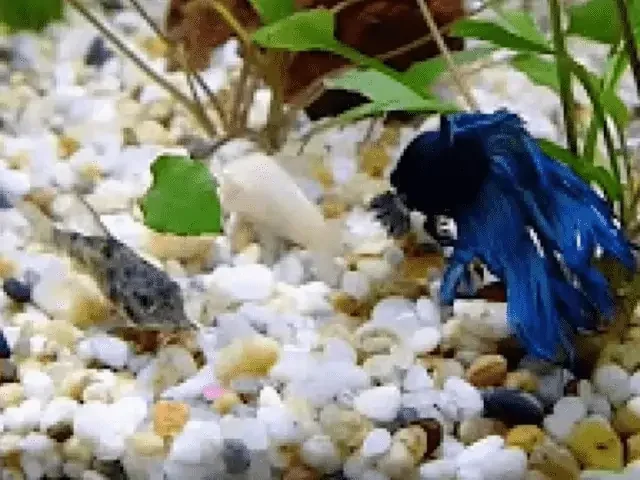
Some peaceful community fish can live with bettas in larger tanks. Fish like corydoras, neon tetras, and snails often make good tank mates. However, you should avoid fish with bright colors or long fins, as bettas may see them as rivals.
If you are thinking about adding tank mates to your betta’s home, research carefully. You want to make sure the other fish are peaceful and enjoy similar water conditions. A well-planned community tank can be beautiful and enriching for your betta.
Final Thoughts
So, are betta fish and fighting fish the same? Absolutely. They are two names for the same species, Betta splendens. The “fighting fish” name comes from their history in Southeast Asia, where they were bred for territorial battles. Today, most people keep bettas as beloved aquarium pets known for their stunning colors and graceful fins.
Understanding that bettas and fighting fish are the same helps you care for them better. You now know that males are territorial, females can sometimes live together, and proper tank setup is essential. With the right care, your betta can live a happy, healthy life of three to five years or even longer.
Whether you call them bettas or fighting fish, these incredible creatures deserve our respect and proper care. Give them a warm, clean tank, a balanced diet, and plenty of enrichment, and they will reward you with years of beauty and companionship.
Frequently Asked Questions
Why are betta fish called fighting fish?
Betta fish are called fighting fish because of their history in Southeast Asia, where people bred them for territorial fights. Male bettas naturally fight other males over territory, which is why the name “fighting fish” stuck. Today, the name is still used even though most people keep bettas as peaceful aquarium pets.
Can two male betta fish live together in the same tank?
No, two male bettas should never be kept in the same tank. They will fight aggressively, which causes stress, injuries, and often death. Always keep only one male betta per tank. If you want multiple bettas, consider keeping females together in a large, well-planned sorority tank.
Are betta fish and Siamese fighting fish the same?
Yes, betta fish and Siamese fighting fish are the same thing. “Siamese fighting fish” is the full common name for Betta splendens, which originates from Thailand (formerly Siam). Both names refer to the same species and can be used interchangeably.
How long do betta fish live?
With proper care, betta fish typically live between three and five years. Some well-cared-for bettas have been known to live up to seven years. Providing a warm, clean tank with a balanced diet and low stress levels helps maximize their lifespan.
Can betta fish live with other fish species?
Yes, bettas can sometimes live with other peaceful fish species in a well-planned community tank. Good tank mates include corydoras, neon tetras, and snails. However, you should avoid aggressive or brightly colored fish that might trigger your betta’s territorial behavior.
Do betta fish need a heater in their tank?
Yes, betta fish need a heater. They are tropical fish that require warm water between 76 and 82 degrees Fahrenheit. Without a heater, the water temperature can drop too low, which stresses the fish and weakens their immune system. A stable temperature is essential for good betta fish care.