Is Fishing Better Before or After a Storm
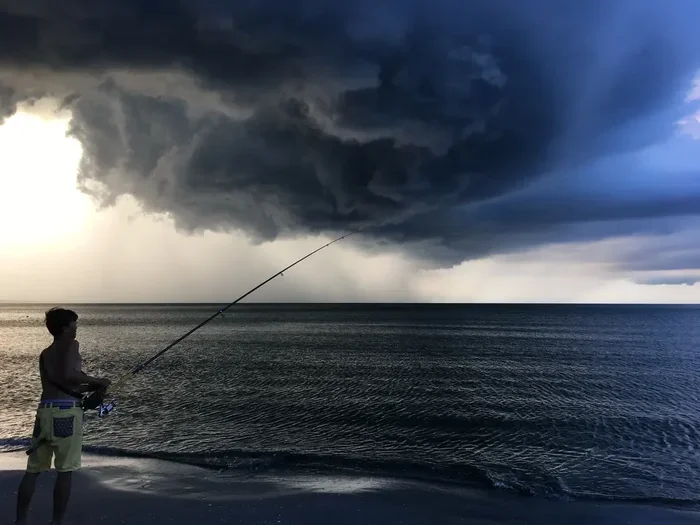
Fishing before a storm can be incredibly productive because fish feed aggressively ahead of falling barometric pressure. Fishing after a storm also has its perks, as fish become active again once conditions stabilize. This guide breaks down the science, timing, and techniques that help you decide when to head out on the water.
There is something magical about fishing right before a storm rolls in. The sky darkens, the wind picks up, and suddenly the fish start biting like crazy. Many anglers swear by fishing before a storm because the action can be nonstop. But what about after the storm passes? Does the bite continue, or do you need to wait for things to calm down?
The truth is, both windows offer fantastic opportunities. The key is understanding how weather changes affect fish behavior. Fishing before or after a storm each come with their own set of advantages. In this guide, we will break down everything you need to know so you can plan your next trip with confidence.
Whether you are a weekend warrior or a seasoned angler, knowing when to hit the water can make all the difference. Let us dive into the science behind storm fishing and give you practical tips you can use starting today.
Key Takeaways
- Fish feed more actively before storms: Falling barometric pressure triggers a feeding frenzy in many species.
- Post-storm fishing can be excellent: Once the weather settles, fish resume normal feeding patterns.
- Timing matters greatly: The hours right before a storm hit are often the most productive.
- Water conditions change after storms: Rising water levels and murkiness affect where fish hold.
- Safety should always come first: Never fish during active lightning or severe weather.
- Use a barometric pressure app: Tracking pressure drops helps you predict the best fishing windows.
📑 Table of Contents
Why Fishing Before a Storm Is So Productive
Anglers have known for generations that the hours before a storm arrive are prime fishing time. But why does this happen? The answer lies in a few natural factors that work together to create the perfect feeding environment.
The Barometric Pressure Connection
Barometric pressure drops significantly before a storm moves in. Fish are extremely sensitive to these changes. When pressure falls, fish feel more comfortable and become more active. They sense the upcoming weather shift and respond by feeding heavily.
This is why many experienced anglers call the period right before a storm the “golden window.” Fish are not just active, they are hungry. They know that rough weather is coming, and they take advantage of the calm before the chaos.
How Fish Behavior Changes Before Storms
Before a storm, several things happen in the water:
- Oxygen levels rise: Falling pressure increases oxygen dissolution in the water.
- Fish move shallower: They move closer to the surface to feed.
- Feeding activity increases: Fish become less cautious and more aggressive.
- Insects and bait fish become active: This draws predator fish upward.
All of these factors combine to create ideal pre-storm fishing conditions. You will often find that the fish are biting harder and more consistently than on a normal day.
Best Techniques for Fishing Before a Storm
When you head out before a storm, you want to maximize your chances. Here are some proven strategies:
- Use bright or flashy lures that stand out in low-light conditions.
- Fish near structure like docks, fallen trees, and weed beds.
- Slow your retrieve down. Fish are less willing to chase fast-moving bait.
- Focus on shallow water where fish are actively feeding.
- Bring a fishing forecast app to track barometric pressure changes.
The most important thing is to get on the water early. The bite often starts a few hours before the storm actually arrives. If you wait too long, you risk getting caught in dangerous weather.
What Happens to Fish After a Storm
Once the storm passes, many anglers assume the fishing is over. That could not be further from the truth. Fishing after a storm can be surprisingly productive, but the approach needs to change.
The Post-Storm Recovery Period
After a storm, fish need time to recover from the disruption. During the storm, heavy rain, strong winds, and rough water push fish out of their comfort zones. They scatter and seek shelter in deeper water or covered areas.
In the first few hours after the storm, fishing can be slow. Fish are stressed and not actively feeding. But as the water settles, they begin to return to their normal patterns.
Why Post-Storm Fishing Can Be Excellent
Here is where it gets exciting. After a storm passes, several positive changes occur:
- Water becomes oxygen-rich: Rain adds oxygen to the water, making fish more active.
- Barometric pressure stabilizes: Fish feel comfortable and resume normal feeding.
- Food gets washed into the water: Insects, worms, and debris enter the water column.
- Water clarity changes: Murkier water makes fish less wary and more aggressive.
Is fishing better after rain? Absolutely. The combination of fresh oxygen, new food sources, and stable pressure creates a perfect feeding environment. Many anglers report their best catches in the hours and days following a storm.
Best Techniques for Fishing After a Storm
To make the most of post-storm fishing, try these approaches:
- Fish near inlets and river mouths where fresh water enters.
- Use natural baits that mimic the food washed into the water.
- Target deeper areas where fish gathered during the storm.
- Wait for the water to clear slightly before expecting top results.
- Fish during low-light periods like early morning or late evening.
Patience is key after a storm. Give the water time to settle, and then head out. The fish will be hungry and ready to feed.
How Barometric Pressure Affects Fishing
Barometric pressure is the single most important weather factor for storm fishing. Understanding how it works can completely change your approach on the water.
What Is Barometric Pressure?
Barometric pressure is the weight of the atmosphere pressing down on the earth. It changes with weather systems. High pressure means fair weather, while low pressure signals storms and unsettled conditions.
Fish have swim bladders that are directly affected by pressure changes. When pressure drops, the swim bladder expands, making fish more buoyant and active. When pressure rises, fish become less active and move deeper.
The Fishing Pressure Chart
Here is a simple breakdown of how pressure affects fish activity:
- Falling pressure (before a storm): Fish feed aggressively. This is the best time to fish.
- Low pressure (during a storm): Fish are inactive and seek shelter.
- Rising pressure (after a storm): Fish slowly resume feeding as conditions improve.
- High pressure (clear skies): Fish are active but may be deeper and harder to reach.
Tracking pressure changes helps you plan your trips. A steady drop in pressure is your signal to get on the water. A rising pressure after a storm tells you the bite will pick up again soon.
Safety Tips for Fishing Around Storms
Storm fishing can be thrilling, but safety must always come first. Lightning, high winds, and flash floods pose real dangers to anyone on the water.
When to Stay Off the Water
Never fish during active thunderstorms. Lightning can strike water and travel long distances. If you hear thunder or see lightning, get off the water immediately. No fish is worth your life.
Preparing for Storm Fishing Trips
If you plan to fish before a storm, take these precautions:
- Check the weather forecast multiple times before you leave.
- Bring a radio or weather app that provides real-time alerts.
- Wear appropriate rain gear and sturdy footwear.
- Have a plan to get off the water quickly if conditions worsen.
- Tell someone where you are going and when you expect to return.
- Keep your electronics in waterproof bags.
Being prepared lets you enjoy the fishing without unnecessary risk. The best angler is the one who stays safe and comes back to fish another day.
Comparing Fishing Before vs. After a Storm
So which is better? Let us compare the two windows side by side.
- Fishing before a storm: Higher fish activity, aggressive feeding, better lure action, but limited time window.
- Fishing after a storm: More relaxed conditions, fish resume feeding, longer fishing window, but requires patience.
Most experienced anglers agree that the pre-storm bite is stronger and more consistent. However, the post-storm bite can produce larger fish because they are actively feeding to recover from the stress of the storm.
If you can only choose one, fishing before a storm gives you the best odds. But if you have flexibility, fishing both before and after a storm will give you the best overall results.
Quick Tips for Storm Fishing Success
Here are some fast tips to keep in mind:
- Fish the drop in barometric pressure for the best action.
- Use slower presentations before a storm when fish are less willing to chase.
- After a storm, fish the edges where calm water meets rough water.
- Pay attention to water rising or falling conditions, as these affect fish location.
- Fish during low tide or high tide windows for the best results in coastal areas.
Every storm is different, and so is every fishing trip. The more you pay attention to conditions, the better you will get at reading the water and the fish.
Common Mistakes Anglers Make When Fishing Around Storms
Even experienced anglers make mistakes when it comes to storm fishing. Avoid these common pitfalls to improve your results.
Waiting Too Long After the Storm
Some anglers wait days after a storm before heading back out. While fishing right after a storm can be slow, the bite usually picks up within 24 to 48 hours as fish recover and resume feeding. Do not wait too long or you will miss the prime window.
Ignoring Water Conditions
Storms change water clarity, temperature, and flow. Many anglers stick to their usual spots without adjusting for these changes. After a storm, fish may be in completely different locations than normal. Be willing to explore new areas.
Overlooking the Bite Before the Storm
Some anglers stay home because they think a storm means bad fishing. This is the opposite of reality. The pre-storm window is often the best time to fish. Do not let a little rain keep you off the water.
Final Thoughts on Storm Fishing
Is fishing better before or after a storm? The answer is both, but for different reasons. Before a storm, fish feed aggressively due to dropping barometric pressure and rising oxygen levels. After a storm, fish resume normal activity and feed heavily as conditions stabilize and food becomes abundant.
The best approach is to plan your trips around weather changes. Use a barometric pressure tracker, watch the forecast, and get on the water during the transitional periods. Whether you prefer the adrenaline of pre-storm fishing or the satisfaction of post-storm recovery, you will find excellent action if you time it right.
Remember to always prioritize safety. Storms can be dangerous, and no catch is worth the risk. Fish smart, stay safe, and enjoy every minute on the water. The storm is not the enemy, it is your opportunity.
If you want to learn more about how weather affects fishing, check out our article on fishing after rain for additional tips and insights. You can also read about water rising or falling conditions to understand how water levels impact your catch. For those who fish at night, our piece on fishing at night or day explores how darkness affects the bite during stormy conditions.
Frequently Asked Questions
Is fishing better before or after a storm?
Fishing before a storm is generally more productive because falling barometric pressure triggers aggressive feeding. However, fishing after a storm can also be excellent once conditions stabilize and fish resume their normal patterns. Both windows have their advantages depending on the species and water conditions.
How long after a storm is the best time to fish?
The best time to fish after a storm is usually 12 to 48 hours once the weather settles. During this window, barometric pressure stabilizes, water oxygen levels are high, and fish are actively feeding again. Patience is key in the first few hours after the storm passes.
Does rain make fishing better?
Yes, rain can make fishing better because it increases oxygen levels in the water and washes food into the river or lake. Rain also reduces light penetration, making fish more comfortable and willing to feed in shallower water. This is why fishing after rain often produces great results.
What is the best barometric pressure for fishing?
The best fishing occurs when barometric pressure is falling, which happens right before a storm. Fish are most active when pressure drops from around 30.20 inches of mercury down to 29.80 or lower. Rising pressure after a storm also creates good fishing as fish adjust back to normal conditions.
Should I fish during a storm?
No, you should never fish during an active storm. Lightning, high winds, and flash flooding create serious safety risks. The best strategy is to fish the hours leading up to the storm and then wait for conditions to improve before heading back out.
Do fish bite during high winds after a storm?
Fish can bite during high winds after a storm, but it depends on the species and water conditions. Wind stirs up the water column and pushes baitfish around, which can trigger predatory fish to feed. However, fishing is usually better once the wind dies down and the water begins to settle.