Are Betta Fish Aggressive to Other Fish

Are betta fish aggressive to other fish? The short answer is yes, they can be. Male bettas are especially known for their territorial nature and fighting instincts, but aggression levels vary from fish to fish. Understanding what triggers aggressive behavior helps you create a peaceful tank. This guide covers everything from betta temperament to choosing the right tank mates.
So, you just brought home a beautiful betta fish and you are wondering, are betta fish aggressive to other fish? It is a great question, and one that every betta owner should ask before adding tank mates.
The truth is, bettas have a reputation for being fighters. In fact, their scientific name, Betta splendens, comes from a fighting fish lineage. But not every betta is a warrior. Some are peaceful. Some are shy. And some will flare at anything that moves.
Understanding your betta’s behavior is the first step toward creating a happy, healthy tank. Whether you want to add other fish or keep your betta solo, this guide has everything you need to know.
Key Takeaways
- Male bettas are naturally aggressive: Their territorial instincts make them prone to fighting with other fish, especially males.
- Female bettas can coexist: A group of female bettas often does better together than a single male.
- Tank setup matters a lot: Proper hiding spots and enough space reduce aggression significantly.
- Not all fish work as tank mates: Some species trigger betta aggression, while others live peacefully alongside them.
- Signs of stress are easy to spot: Flaring, clamped fins, and color fading are clear warning signals.
- Betta personality varies: Some bettas are docile, while others are naturally more confrontational.
- Prevention is better than reaction: Choosing compatible tank mates and setting up the right environment prevents most problems.
📑 Table of Contents
Why Are Betta Fish Aggressive?
Betta fish aggression is not random. It comes from their natural instincts. In the wild, bettas live in shallow rice paddies and slow-moving streams in Southeast Asia. These environments are crowded, and territory is limited. Over thousands of years, bettas evolved to defend their space fiercely.
Male bettas are the most aggressive. They have long, flowing fins and bright colors that make them stand out. Other fish see these features as a threat. When a male betta feels his space is being invaded, he will flare his gills, spread his fins, and sometimes attack.
The Role of Territorial Behavior
Bettas are territorial by nature. They do not just fight for mating rights. They also defend their hiding spots and feeding areas. Even in a large tank, a betta might claim a corner or a plant as its own. If another fish enters that space, the betta may react aggressively.
This territorial behavior is not always bad. It is simply how bettas survive in the wild. But in a home aquarium, it can cause problems if you are not careful about tank setup and fish selection.
What Triggers Aggression in Bettas?
Several things can trigger aggressive behavior in bettas. Knowing these triggers helps you prevent fights before they start.
- Other male bettas: Two male bettas in the same tank is a recipe for disaster. They will fight until one is seriously injured or killed.
- Bright colors or long fins: Fish that look similar to bettas can trigger territorial responses. Guppies and angelfish are common examples.
- Crowded tanks: Too many fish in a small space increases stress and aggression.
- Lack of hiding spots: Without places to retreat, bettas feel trapped and become more defensive.
- Feeding time: Bettas can become food aggressive, especially if they are fed irregularly.
Male vs Female Betta Aggression
Not all bettas behave the same way. Gender plays a huge role in how aggressive a betta is. Understanding the differences helps you make better choices for your tank.
Are male betta fish more aggressive than females? Yes, generally speaking. Male bettas are bred for fighting and display much more aggression. They flare at reflections, other fish, and even their own owners sometimes.
Are female bettas less aggressive to other fish than males? Female bettas tend to be calmer. They can often live together in groups, which is called a sorority. However, even female bettas can show aggression, especially in small tanks or when resources are limited.
If you want to keep multiple bettas, a female sorority setup is usually the safer option. Just make sure the tank is large enough and has plenty of hiding places.
Are Betta Fish Meant to Be Alone?
This is a common question among new betta owners. The answer is complicated. Male bettas are almost always kept alone because they will fight with other males. But that does not mean they need complete isolation.
Many bettas enjoy having peaceful tank mates. The key is choosing fish that do not trigger their aggressive instincts. You can also keep a single male with a group of females in a well-planned tank.
For more details on keeping bettas with other fish, check out our guide on whether you are supposed to put betta fish with other fish.
Best Tank Mates for Betta Fish
Finding the right tank mates for a betta takes some research. Not every fish species can live peacefully with a betta. Some fish are too nippy. Others are too flashy. And some just trigger the betta’s territorial instincts.
So, are there other fish that can go with a betta? Absolutely. Here are some of the best options:
- Corydoras catfish: These bottom-dwellers stay out of the betta’s way and are peaceful by nature.
- Neon tetras: Small, fast, and non-threatening. They tend to stick to the middle and top of the tank.
- Snails (like mystery snails): Snails are calm and do not bother bettas at all.
- Kuhli loaches: These eel-like fish are shy and stay hidden during the day.
- Harlequin rasboras: Peaceful schooling fish that add movement without triggering aggression.
When choosing tank mates, avoid fish with bright colors or long fins. These can make your betta feel threatened. Also avoid fin-nippers like tiger barbs, which can stress out your betta and cause health problems.
For a complete list of compatible fish, you can read our article on are there other fish that can go with a betta.
Fish to Avoid With Bettas
Some fish simply do not work with bettas. Here are a few to steer clear of:
- Other male bettas: Never house two males together. The fighting can be fatal.
- Goldfish: Goldfish need cold water, while bettas need warm water. They also grow very large and are messy eaters.
- Guppies: Male guppies have bright colors and long fins that can trigger betta aggression.
- Angelfish: These fish can be territorial themselves and may nip at betta fins.
How to Reduce Aggression in Your Betta Tank
Even if your betta is naturally aggressive, you can take steps to reduce fighting and create a calmer environment. The right tank setup makes a huge difference.
Are bettas prone to more disease than other fish? Yes, stressed bettas are more susceptible to illness. Aggression from tank mates or poor living conditions weakens their immune system. So reducing aggression is not just about preventing fights. It is also about keeping your betta healthy.
Tank Size and Layout
The size of the tank matters more than most people think. A small tank makes every fish feel crowded. For a betta with tank mates, aim for at least 10 gallons. A larger tank gives everyone more room to establish their own territories without conflict.
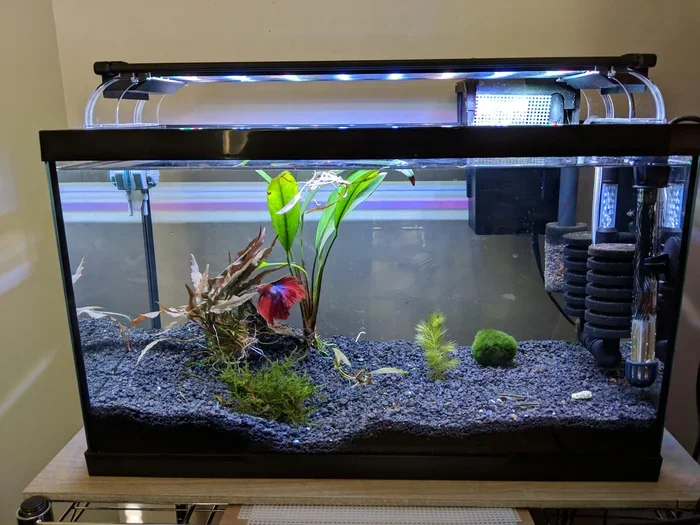
Layout is just as important. Add plenty of plants, caves, and decorations. These create natural boundaries and hiding spots. When fish can retreat to their own space, they feel safer and are less likely to act aggressively.
Feeding Strategies
Feeding time can be a hotspot for aggression. Bettas are food motivated, and they can become defensive around their meals.
- Feed your betta at the same time every day.
- Spread food across the tank so all fish get their share.
- Use a feeding ring or target feeding to keep bettas focused in one area.
- Avoid overfeeding, which can lead to food aggression and poor water quality.
Monitoring Behavior
Watch your betta closely after adding new tank mates. Look for these signs of stress or aggression:
- Flaring: The betta spreads its gills and fins wide. This is a warning display.
- Chasing: The betta actively pursues other fish around the tank.
- Clamped fins: Fins held close to the body signal stress or illness.
- Color fading: A dull color means your betta is not feeling its best.
- Hiding constantly: If your betta hides all the time, it may feel threatened.
If you notice these signs, you may need to rearrange the tank or remove certain tank mates. Acting early prevents serious problems.
Common Mistakes That Increase Betta Aggression
Many betta owners accidentally make their fish more aggressive. Here are the most common mistakes and how to avoid them.
Keeping the Tank Too Small
A tiny tank might look pretty, but it causes stress for your betta. When a betta feels cramped, it becomes defensive and aggressive. A tank that is at least 5 gallons for a single betta and 10 gallons or more for a community setup is ideal.
Adding the Wrong Fish
Not every fish is a good match for a betta. Adding aggressive or flashy fish to the tank can trigger constant fighting. Do your research before introducing any new fish. Make sure the species is compatible with bettas in terms of water temperature, temperament, and size.
Ignoring Tank Decorations
A bare tank with nothing to hide behind is stressful for a betta. These fish feel vulnerable in open spaces. Add silk plants, caves, and driftwood to create a natural, comforting environment. Avoid sharp plastic decorations that can tear delicate betta fins.
Overcrowding the Tank
More fish does not mean a happier tank. Overcrowding leads to competition for food, territory, and oxygen. This increases stress and aggression for all fish involved. Stick to recommended tank sizes and stocking levels.
Skipping Regular Maintenance
Poor water quality is a silent aggression trigger. Dirty water causes stress, which makes bettas more irritable and prone to fighting. Keep up with regular water changes, filter maintenance, and water parameter testing.
What to Do If Your Betta Is Attacking Other Fish
If your betta is already showing aggressive behavior toward tank mates, do not panic. There are steps you can take to fix the situation.
- Separate the fish immediately: If a fish is being chased or bitten, move it to a quarantine tank. This prevents injuries and reduces stress for everyone.
- Rearrange the tank: Moving decorations and plants around breaks up established territories. This can reset aggressive behavior.
- Add more hiding spots: Extra plants and caves give fish places to escape and feel safe.
- Consider removing tank mates: If aggression continues, it may be best to keep your betta alone. Some bettas simply do not do well with other fish.
- Check water parameters: Poor water quality can worsen aggression. Test ammonia, nitrite, nitrate, and pH levels regularly.
Remember, every betta has its own personality. Some are calm and friendly. Others are feisty and territorial. There is no one-size-fits-all answer to whether bettas can live with other fish. It depends on the individual fish and the setup.
For more insights on betta behavior, check out our article on are male betta fish more aggressive than females.
Conclusion
So, are betta fish aggressive to other fish? The answer is yes, they can be. But aggression is not guaranteed. With the right tank setup, compatible tank mates, and proper care, many bettas live peacefully alongside other fish.
The key is understanding your betta’s natural instincts and working with them, not against them. Provide enough space, plenty of hiding spots, and a calm environment. Choose tank mates carefully and monitor behavior closely. These simple steps go a long way toward a harmonious aquarium.
Every betta is different. Some will be perfectly happy living alone, while others enjoy the company of peaceful tank mates. Pay attention to your fish, learn its personality, and adjust your approach accordingly. A well-planned betta tank can be a beautiful and peaceful addition to your home.
Start with the basics, be patient, and give your betta the environment it deserves. You will be rewarded with a happy, healthy fish that brings joy to your home for years to come.
Frequently Asked Questions
Are all betta fish aggressive?
No, not all bettas are aggressive. While male bettas are naturally more territorial, individual personalities vary widely. Some bettas are calm and get along fine with other fish. Others are highly aggressive and need to be kept alone. Observing your betta’s behavior is the best way to understand its temperament.
Can betta fish live with goldfish?
No, bettas and goldfish should not be kept together. They need different water temperatures, and goldfish can grow very large. Goldfish are also messy eaters that produce a lot of waste, which can harm your betta’s health.
How do I know if my betta is stressed?
Common signs of stress include clamped fins, color fading, hiding constantly, and loss of appetite. If your betta is flaring at everything or chasing other fish, it may feel threatened. Check water parameters and tank setup to identify and fix the cause of stress.
Can I keep two female bettas together?
Yes, female bettas can sometimes live together in a group called a sorority. This works best in tanks of 20 gallons or more with plenty of hiding spots. Even female bettas can show aggression, so monitor them closely when first introducing them.
What should I do if my betta is fighting with tank mates?
Separate the aggressive fish immediately. Rearrange the tank decorations to break up territories, and add more hiding spots. If the aggression continues, consider keeping your betta alone. Not every betta does well with tank mates, and that is perfectly fine.
Are betta fish poisonous to other fish?
No, betta fish are not poisonous to other fish. However, bettas can injure other fish through chasing and fin nipping. Injuries from aggression can lead to infections and health problems. Always monitor your tank closely when introducing new fish to a betta setup.