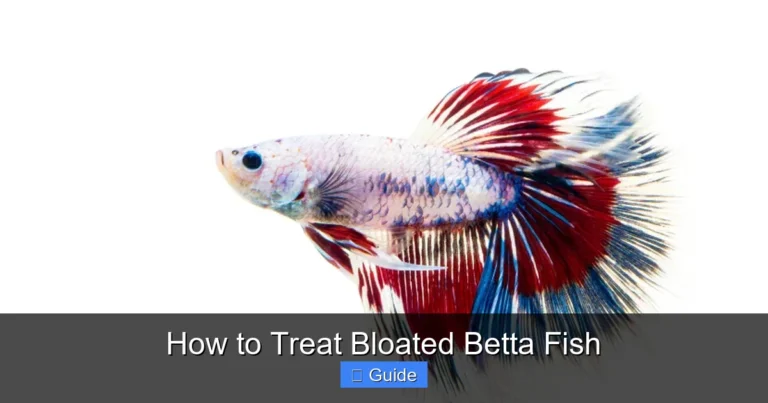
A Sick Betta Fish

A sick betta fish shows clear signs like faded color, clamped fins, and loss of appetite. Early detection and proper treatment can save your fish’s life. This guide walks you through every step from identifying symptoms to full recovery.
Seeing a sick betta fish is heartbreaking. Your colorful companion suddenly looks pale, stays in one corner, or stops eating. It is a scary moment for any fish owner. But here is the good news. Most common betta fish illnesses are treatable if you catch them early. This guide gives you everything you need to know about identifying, treating, and preventing illness in your betta. You will learn the top symptoms to watch for, the most common causes of sickness, and simple step-by-step treatment methods. By the end, you will feel confident and ready to help your fish heal.
A sick betta fish cannot tell you what is wrong. That is why your awareness matters so much. Fish depend entirely on their environment and their owner for health. Small changes in behavior or appearance often signal something bigger. The more you know, the better you can protect your pet. Let us dive into the details and make sure your betta stays happy and healthy for years to come.
Key Takeaways
- Know the Signs: Recognizing early symptoms of a sick betta fish is the first step to effective treatment.
- Check Water Quality: Poor water conditions are the most common cause of illness in betta fish.
- Act Fast: The sooner you treat a sick betta fish, the better the chances of a full recovery.
- Quarantine Is Key: Isolating a sick fish prevents disease from spreading to other tank mates.
- Prevention Matters: Regular tank maintenance and proper feeding keep your betta healthy and resilient.
- Home Treatment Works: Many common betta fish illnesses can be treated at home with simple remedies.
📑 Table of Contents
How to Spot a Sick Betta Fish
Identifying a sick betta fish early makes a huge difference. Bettas are naturally colorful and active. When something goes wrong, changes show up quickly. You just need to know what to look for. The symptoms below cover the most common signs of illness in bettas.
Physical Symptoms
- Faded or discolored scales: A healthy betta has vibrant colors. A sick fish often looks pale or washed out.
- Clamped fins: If your betta holds its fins close to its body, this is a red flag.
- White spots on the body: These tiny dots often signal a parasitic infection known as ich.
- Ragged or torn fins: Fin rot causes fins to look frayed or discolored at the edges.
- Swollen belly: A bloated abdomen can indicate dropsy or digestive issues.
- Red or inflamed gills: This often points to bacterial infection or poor water quality.
Behavioral Changes
- Lethargy: A sick betta fish spends most of the time resting near the bottom or hiding in corners.
- Loss of appetite: Refusing food for more than a day is a serious warning sign.
- Labored breathing: Rapid or shallow breathing suggests stress or oxygen deficiency.
- Flashing or rubbing: If your fish rubs against decorations or the tank floor, it may have parasites.
- Floating sideways: Difficulty maintaining balance often points to swim bladder issues.
For a more detailed visual guide on recognizing illness, check out our article on what does a sick betta fish look like. It includes helpful images and descriptions of each symptom.
Common Causes of Illness in Betta Fish
Understanding why a betta fish gets sick helps you prevent future problems. Most illnesses are not random. They usually stem from environmental or care-related issues. Let us explore the top causes behind a sick betta fish.
Poor Water Quality
This is the number one cause of betta fish illness. Dirty water builds up harmful chemicals like ammonia and nitrite. Even small amounts of these toxins stress your fish and weaken its immune system. Regular water changes and proper filtration are essential. A sick betta fish living in unclean water will struggle to recover no matter what treatment you use.
Sudden Temperature Changes
Betta fish are tropical creatures. They need warm, stable water temperatures between 76 and 82 degrees Fahrenheit. Cold water slows their metabolism and makes them vulnerable to disease. A tank without a heater is one of the fastest paths to a sick betta fish.
Overcrowded Tanks
Bettas need space to thrive. A cramped tank creates stress and spreads bacteria quickly. If you keep multiple fish in one small bowl, the risk of disease skyrockets. Learn more about space requirements in our guide on do betta fish like a lot of space.
Stress and Poor Diet
Stress weakens the immune system. Loud noises, bright lights, and aggressive tank mates all contribute. Similarly, feeding your betta the wrong food or overfeeding leads to digestive problems. A balanced diet of high-quality pellets and occasional treats keeps their immune system strong.
Introducing New Fish or Plants
New additions can carry diseases or parasites. Without a quarantine period, these pathogens spread quickly to your existing fish. Always observe new arrivals for at least two weeks before adding them to your main tank.
How to Treat a Sick Betta Fish
Once you identify that your betta is sick, quick action is critical. The treatment approach depends on the type and severity of the illness. Below is a step-by-step framework for handling most common betta fish diseases.
Step 1: Isolate the Sick Fish
The first thing you should do is move your sick betta fish to a separate quarantine tank. This prevents the spread of disease to other fish. A simple hospital tank with a heater and gentle filter works perfectly. Keep the water parameters stable and similar to the main tank.
Step 2: Assess Water Conditions
Test the water for ammonia, nitrite, nitrate, and pH levels. Any spikes in ammonia or nitrite mean you need an immediate water change. Clean water is the foundation of recovery. Even if the main tank looks fine, always check the parameters in the quarantine tank too.
Step 3: Identify the Illness
Match the symptoms you observed to the most likely condition. Here is a quick reference table:
| Symptom | Likely Illness | Treatment |
|---|---|---|
| White spots on body | Ich (White Spot Disease) | Raise temperature to 82F, add aquarium salt |
| Ragged fins, red edges | Fin Rot | Water change, antibacterial medication |
| Swollen body, scales sticking out | Dropsy | Epsom salt bath, antibiotics (if caught early) |
| Lethargy, flashing against objects | Parasitic Infection | Copper-based medication or anti-parasite treatment |
| Floating sideways or upside down | Swim Bladder Disorder | Fasting for 2-3 days, then feed shelled peas |
| Pale color, labored breathing | Bacterial Infection | Broad-spectrum fish antibiotics |
Step 4: Apply Treatment
Follow the treatment plan carefully. Most medications require daily dosing for 5 to 7 days. Do not stop treatment just because symptoms improve. Completing the full course ensures the infection is fully cleared. For detailed cure methods, visit our article on how do you cure a sick betta fish.
Step 5: Monitor and Support Recovery
Keep the quarantine tank clean and stress-free. Offer small, easily digestible meals. Watch for improvements in appetite, color, and activity level. Recovery usually takes one to two weeks. If your fish does not improve after several days of treatment, consider consulting a fish veterinarian or experienced aquarist.
For more hands-on care tips, read our guide on how to help a betta fish that is sick. It covers supportive care techniques that speed up healing.
Preventing Illness in Your Betta Fish
Prevention is always better than cure. A healthy betta fish rarely gets sick. Simple, consistent habits go a long way in keeping your fish strong and disease-free.
Maintain Clean Water
Perform partial water changes of 25 to 30 percent every week. Use a gravel vacuum to remove waste from the substrate. Always treat tap water with a dechlorinator before adding it to the tank. Clean water is the single most powerful tool against illness.
Keep the Temperature Stable
Use a reliable aquarium heater with a thermostat. Avoid placing the tank near windows, doors, or vents where temperature swings occur. A stable environment reduces stress and strengthens the immune system.
Feed a Balanced Diet
High-quality betta pellets should form the staple of your fish’s diet. Supplement with frozen or live foods like brine shrimp and bloodworms once or twice a week. Avoid overfeeding. Uneaten food decays quickly and pollutes the water. Learn about safe treats in our article on do betta fish have treats for a snack.
Avoid Overcrowding
A single betta needs at least a 5-gallon tank. If you keep other fish, ensure they are peaceful and compatible. Overcrowding leads to territorial aggression, poor water quality, and disease outbreaks.
Quarantine New Additions
Always set up a separate quarantine tank for new fish, plants, or decorations. Observe them for two weeks before introducing anything to your main setup. This simple habit prevents the majority of disease transmission.
Common Mistakes to Avoid When Your Betta Is Sick
Even well-meaning fish owners make mistakes when dealing with a sick betta fish. Here are the most common errors you should avoid.
- Waiting too long to act: Many beginners ignore early symptoms hoping they go away. By the time the illness becomes obvious, it is often harder to treat.
- Using the wrong medication: Not all treatments work for all diseases. Treating a bacterial infection with anti-parasite medication wastes time and stresses the fish further.
- Skipping water changes during treatment: Some people assume medication alone will fix everything. Clean water supports the medication and helps your fish heal faster.
- Raising the temperature too quickly: A sudden temperature spike can shock your betta. Increase the temperature gradually, no more than 2 degrees per day.
- Overmedicating: More medicine does not mean faster healing. Follow dosage instructions precisely. Overdosing can harm your fish’s organs.
When to Seek Professional Help
Most betta fish illnesses respond well to home treatment. However, some situations require professional intervention. If your fish stops eating entirely for more than three days, shows open sores, or appears to be in severe distress, it is time to consult an expert. A fish veterinarian can diagnose conditions that are difficult to identify visually. They can also prescribe targeted medications that are stronger than over-the-counter options. Do not hesitate to seek help when needed. Early professional intervention can save a severely ill fish.
Remember that recovery takes time. Even with the best treatment, your betta may need several days to return to normal behavior. Patience and consistent care are the keys to success. Keep monitoring water parameters, maintain a clean environment, and offer gentle, nutritious food. Your sick betta fish has a much better chance of full recovery when you provide attentive, knowledgeable care.
A proactive approach to betta fish health pays off enormously. Regular maintenance, proper feeding, and a watchful eye for early symptoms keep your fish thriving. The bond between a betta owner and their fish grows stronger through every challenge overcome. You now have the knowledge to protect your pet and give it the best possible life. Apply these tips consistently, and you will enjoy a vibrant, healthy betta for many years ahead.
Frequently Asked Questions
What should I do first when I notice my betta fish looks sick?
Start by checking the water parameters immediately. Test for ammonia, nitrite, and pH levels. Then observe your fish closely for physical and behavioral symptoms. Move the fish to a quarantine tank if possible, and begin treatment based on the symptoms you observe. Early action gives your betta the best chance of recovery.
Can a sick betta fish recover on its own?
Mild cases of illness, especially those caused by temporary stress, may resolve with improved water conditions alone. However, most bacterial, fungal, and parasitic infections require targeted treatment. Do not rely on self-recovery for anything beyond the very earliest signs of sickness.
How long does it take for a sick betta fish to recover?
Recovery time depends on the type and severity of the illness. Minor infections often improve within 5 to 7 days of treatment. More serious conditions like dropsy or severe fin rot may take two to four weeks. Consistent care and clean water are essential throughout the recovery period.
Is it safe to use tap water for a sick betta fish?
Tap water is safe only after it has been treated with a dechlorinator. Chlorine and chloramine found in tap water are harmful to fish, especially those already weakened by illness. Always condition your water before adding it to the tank or quarantine container.
Can I keep my sick betta fish in the same tank as other fish?
It is not recommended. Most fish diseases are contagious and can spread rapidly to tank mates. Always isolate a sick betta fish in a separate quarantine tank until you are certain the illness is fully resolved. This protects all the fish in your collection.
What is the best food to feed a sick betta fish?
Offer small amounts of high-quality betta pellets or frozen brine shrimp. Avoid overfeeding, as sick fish often have reduced appetites. For swim bladder issues, feeding a single shelled pea can help regulate digestion. Remove any uneaten food within a few minutes to keep the water clean.