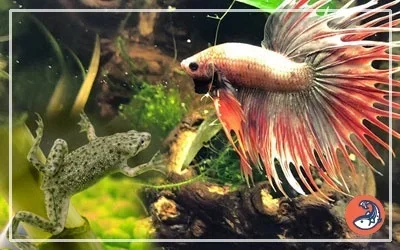
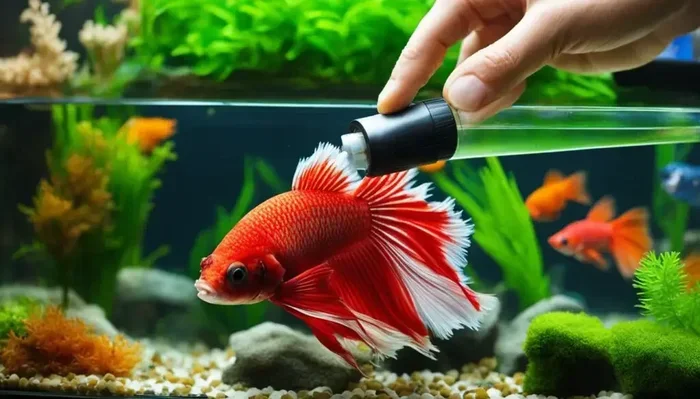
A Picture of a Betta Fish

A picture of a betta fish reveals one of the most colorful and fascinating freshwater fish in the aquarium hobby. Whether you are looking to identify your betta’s gender, admire its vibrant colors, or simply enjoy these beautiful creatures, understanding what makes each betta unique is rewarding. This guide covers everything you need to know about betta fish appearance, varieties, and how to take great photos of your own pet.
Key Takeaways
- Betta fish come in a wide range of colors and patterns, making each one unique and visually stunning.
- Learning to identify gender from a picture helps you care for your betta properly.
- Proper tank setup and water conditions bring out the best colors in your betta fish.
- Photography tips can help you capture the beauty of your betta at home.
- Understanding betta fish varieties deepens your appreciation for this popular aquarium species.
📑 Table of Contents
A Picture of a Betta Fish: What You Need to Know
A picture of a betta fish instantly captures attention. The bright colors, flowing fins, and graceful movements make bettas one of the most popular freshwater fish in the world. People love sharing photos of their bettas online, and for good reason. These fish are living works of art.
But a photo is more than just a pretty image. When you look closely at a picture of a betta fish, you can learn a lot. You can identify its gender, recognize its breed, and even spot signs of good health. Whether you are a new betta owner or a seasoned hobbyist, understanding what your fish looks like matters.
Betta fish, also known as siamese fighting fish, originate from the warm waters of Southeast Asia. They have been bred for centuries to develop their stunning colors and elaborate fins. Today, there are dozens of recognized varieties, each with its own unique look. A single photo can tell you more about your fish than you might expect.
In this guide, we will walk you through everything you need to know about betta fish appearance. We will cover colors, patterns, gender identification, and how to take better photos at home. By the end, you will see your betta in a whole new light.
Why Does a Betta Fish Look So Unique?
Every betta fish has a story written in its appearance. The colors, fin shapes, and body proportions all tell you something about the fish. Let us break down what makes these creatures so special.
The Colors of a Betta Fish
One of the first things you notice in any betta fish photo is the color. Bettas come in an incredible range of shades. Here are some of the most common colors you will see:
- Red — the classic betta color, bright and bold
- Blue — ranging from royal blue to deep turquoise
- Green — often shimmery and metallic
- White — clean and elegant, sometimes with a hint of pink
- Black — deep, rich, and dramatic
- Multi-colored — splashes of two or more colors
The intensity of color often depends on the fish’s health and environment. A well-cared-for betta will display richer, more vibrant hues. If your fish looks dull, it might be a sign that something needs attention in the tank.
Patterns You Can Spot in Photos
Beyond solid colors, bettas display a variety of patterns. When you look at a picture of a betta fish, watch for these common patterns:
- Solid — one uniform color across the entire body
- Butterfly — two colors split evenly, often with matching fins
- Koi — patches of orange, red, and white, similar to koi carp
- Marble — irregular swirls of color that can change over time
- Dragon — a metallic, thick-scaled appearance with bold color
Each pattern adds to the individuality of the fish. No two bettas look exactly alike, which is part of what makes them so beloved by aquarium enthusiasts.
How to Identify Gender from a Picture
One of the most useful things you can do with a betta fish picture is determine the gender. Males and females look quite different, and knowing which is which helps you provide better care.
Male Betta Fish Features
Male bettas are the ones most people picture in their minds. They have long, flowing fins that trail behind them like silk ribbons. Their colors tend to be more vivid and intense. You will notice a white spot called an egg spot near the vent area, though this is more subtle in males.
Males also have a more streamlined body shape. When they flare their gills, they look even more impressive. This behavior is common in males and is part of their natural instinct to defend territory.
Female Betta Fish Features
Female bettas are smaller and have shorter fins. Their colors are often less vibrant than males, though some females can be quite colorful too. The egg spot is more visible on females, appearing as a small white dot near the bottom of the belly.
Females also tend to have a rounder body shape, especially when they are carrying eggs. If you are unsure about gender, a close-up photo can help you spot these differences more easily.
Popular Betta Fish Varieties You Will See in Photos
When you browse through betta fish pictures online, you will come across many different varieties. Each one has distinct characteristics that make it stand out.
Veiltail Betta
The veiltail betta is the most common variety. It has a long, flowing tail that droops downward like a curtain. Most pet store bettas are veiltails. They are hardy and come in nearly every color imaginable.
Crowntail Betta
The crowntail betta has fins that look like they have been combed. The webbing between the rays stretches out, creating a spiky, crown-like appearance. These fish are very popular among hobbyists who love dramatic looks.
Halfmoon Betta
The halfmoon betta has a tail that spreads out to form a perfect 180-degree circle. When you see a picture of a betta fish with a wide, fan-like tail, there is a good chance it is a halfmoon variety.
Plakat Betta
The plakat betta has short fins, much closer to the wild-type appearance. These fish are often mistaken for females because of their shorter fins, but they can be male or female. Plakats are known for their active swimming behavior.
How to Take Better Pictures of Your Betta Fish
If you want to capture your betta’s beauty in photos, a few simple tips can make a huge difference. You do not need expensive equipment to get great results.
Use Natural Light
Place the tank near a window with indirect light. Direct sunlight can create harsh shadows and glare. Natural light brings out the true colors of your betta without washing them out. If natural light is not available, a simple LED aquarium light works well too.
Get Close But Be Patient
Bettas are curious fish. They often swim right up to the glass when they notice you. Wait for your betta to settle into a comfortable position before taking the shot. Patience is your best tool for getting a clear, sharp photo.
Clean the Glass
This sounds simple, but it makes a big difference. Fingerprints, algae, and water spots on the glass can blur your photo. Wipe the inside of the tank before you shoot. A clean surface gives you a crystal-clear view of your fish.
Shoot from the Side
The best angle for a betta photo is from the side, at the water level. This shows off the fins and body shape best. Avoid shooting from directly above, as it flattens the image and hides the fin details.
What Your Betta Fish Photo Can Tell You About Health
A clear photo does more than just look nice. It can also help you monitor your betta’s health over time. Here are some things to watch for in your pictures.
- Bright, vivid colors usually mean a healthy, happy fish
- Fins that are held open and flowing indicate good health
- Clamped fins (fins held close to the body) can signal stress or illness
- White spots or patches may indicate ich or fungal infection
- Swollen belly could be a sign of overfeeding or bloating
- Dull color fading might mean the fish is stressed or unwell
Taking regular photos of your betta creates a visual record. Over time, you can compare images and catch changes early. This is especially helpful if you ever need to describe symptoms to a fish health expert or share concerns with online betta communities.
If you notice any concerning changes in your betta’s appearance, it is always a good idea to review proper care practices. Checking your water conditions and feeding routine can often reveal the cause of health issues. For more detailed guidance, check out our complete guide on how to take care of a betta fish to make sure you are covering all the basics.
Conclusion
A picture of a betta fish is more than just a snapshot. It is a window into the health, personality, and beauty of one of nature’s most colorful creatures. From identifying gender to spotting health issues, learning to read your betta’s appearance is a valuable skill for any fish owner.
Whether you are browsing photos online or snapping pictures of your own pet, take a moment to appreciate the detail. Every betta has its own story, written in color, pattern, and fin shape. Keep learning, keep observing, and enjoy the wonderful world of betta fish.
For those who want to understand their betta even better, exploring topics like how to tell the gender of a betta fish can deepen your knowledge. And if you are curious about what your betta can see and sense, our article on do betta fish have a sense of smell offers fascinating insights into their sensory world.
Frequently Asked Questions
What should I look for in a picture of a betta fish?
Look for the color intensity, fin length, body shape, and any distinct patterns. These features help you identify the breed and gender. A healthy betta will have bright colors and flowing fins that are held open naturally.
Can you tell if a betta fish is male or female from a photo?
Yes, in most cases. Males have longer fins and more vivid colors, while females have shorter fins and a rounder body. The egg spot is also more visible on females. However, young bettas can be harder to distinguish in photos.
Why does my betta fish look different in photos than in person?
Water, glass, and lighting all affect how your fish appears in photos. Reflections, glare, and the angle of the shot can change colors and details. Natural side lighting at water level gives the most accurate representation.
What is the best camera setup for photographing a betta fish?
You do not need a fancy camera. A smartphone with good lighting works great. Place the tank near a window, clean the glass, and shoot from the side at water level. Patience and natural light are your best tools.
How often should I take photos of my betta fish?
Taking weekly photos creates a helpful health record. You can track color changes, fin condition, and body shape over time. This makes it easier to spot problems early and share details with other betta enthusiasts.
Are there rare betta fish colors that show up in pictures?
Yes, some rare colors include copper, chocolate, and multi-tailed patterns. These varieties are highly sought after and often appear in online betta communities. Their unique looks make them stand out in any photo.