Are Betta Tropical Fish

The are betta tropical fish question confuses many new fish keepers. The short answer is yes, bettas are native to warm, tropical waters in Southeast Asia, but they need specific care. This guide breaks down their habitat, diet, tank mates, and common myths so you can give your betta a happy, healthy home.
Key Takeaways
- Bettas are tropical fish: They thrive in warm water between 76°F and 82°F and need a heated tank.
- They are freshwater fish: Bettas live in freshwater, not saltwater, and prefer calm, filtered environments.
- Diet matters: Feed high-quality betta pellets or tropical flakes, and avoid overfeeding.
- Tank mates can work: Some peaceful tropical fish can coexist with bettas if the tank is large enough.
- Myth busting: Bettas are not low-maintenance; they need proper care, not just a small bowl.
- Health signs: A healthy betta builds bubble nests, shows vibrant colors, and swims actively.
📑 Table of Contents
Are Betta Tropical Fish? The Truth About Their Natural Habitat
Yes, are betta tropical fish a fact? Absolutely. Betta fish are tropical freshwater fish that come from the warm, slow-moving waters of Thailand, Cambodia, and Vietnam. Many people think bettas are tough and can live in tiny bowls. That is a myth. In the wild, they live in rice paddies, floodplains, and shallow streams. These environments are warm and stable.
So, are betta tropical fish in captivity? Yes. They need a heated tank that mimics their natural home. A heater keeps the water between 76°F and 82°F. Without proper heat, bettas get stressed and sick. If you have ever asked, “are betta tropical fish?” the answer is a clear yes. They belong in a tropical setup, not a coldwater bowl.
Understanding where bettas come from helps you care for them better. They evolved in warm climates with lots of plants and hiding spots. Their long fins and bright colors developed in these shallow, warm waters. When you keep a betta, you are recreating a tiny piece of that world. That means warm water, gentle filtration, and a comfortable temperature. I will walk you through everything you need to know. From tank size to feeding, I will cover the essentials.
Where Do Wild Bettas Live?
Wild bettas live in shallow, warm bodies of water. They are used to temperatures that stay around 78°F year-round. Rainstorms and floods change their habitat, but the water stays warm. They breathe air from the surface, which is why they can survive in low-oxygen water. That is a key trait of tropical fish. They do not need cold water. In fact, cold water slows their metabolism and makes them lethargic.
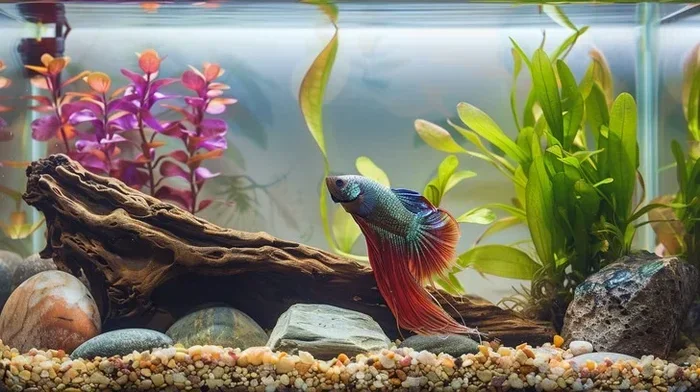
So, if you see a betta in a tiny unfiltered bowl, that is not ideal. They need warmth, just like other tropical fish. A proper tank with a heater gives them the stable environment they crave. Think of it as a mini tropical rainforest in your living room. Plants, gentle flow, and warm water are the keys to happiness.
Why Bettas Need Tropical Water Conditions
Bettas are tropical fish, so they need stable, warm water. A heater is not optional. It is a must. I will explain why water temperature matters so much. I will also share quick tips for keeping the tank comfortable.
The Ideal Temperature Range
The sweet spot for betta water temperature is 76°F to 82°F. Below 74°F, your betta gets sluggish. Above 86°F, the water holds less oxygen, which can stress your fish. Use a reliable aquarium thermometer. Place it near the filter outflow to get an accurate reading. Are betta tropical fish that can handle temperature swings? Not really. They prefer consistency. Wild bettas experience daily temperature changes, but they are still in warm water. So, avoid placing the tank near drafts, windows, or heaters. Sudden drops can cause shock.
Heating and Filtration Tips
Use a small submersible heater rated for 5 to 10 gallons. A heater with a built-in thermostat is safest. Set it to 78°F and leave it alone. Bettas do not like strong currents. A gentle sponge filter works well. It provides biological filtration without creating a tornado in the tank.
Quick Tip: If your filter is too strong, baffle the outflow with a sponge or valve. This slows the flow and keeps your betta comfortable. Bettas are not strong swimmers. They prefer calm water. A sponge filter also prevents your betta from being sucked into the intake. That is a real danger with hang-on-back filters.
Common Mistakes with Water Temperature
Many beginners skip the heater. They think bettas can live in room-temperature water. That is wrong. Room temperature is often 68°F to 72°F, which is too cold. Another mistake is placing the tank near a sunny window. The temperature can spike and then crash. That is stressful. Use a heater and a thermometer. Check the temperature daily for the first few weeks. Once stable, check it weekly. A stable tropical environment is the foundation of a happy betta.
Feeding Your Betta: Tropical Diet or Special Food?
You might wonder, do betta fish eat tropical fish food. The answer is yes, but with a twist. Bettas are carnivores. They need protein-rich food. Tropical flakes or pellets can work, but they must be high-quality. I will show you what to feed and how often.
Best Foods for Betta Fish
Look for pellets or flakes made for bettas or tropical fish. The first ingredient should be fish meal or shrimp. Avoid foods filled with fillers like corn or wheat. Do betta fish eat tropical fish food? Yes, they can. But the food must have enough protein. A good betta pellet contains 30 to 40 percent protein. You can also offer frozen or live foods like brine shrimp or bloodworms. These are treats, not staples. Feed them 2 to 3 times a week.
How Often Should You Feed?
Feed your betta twice a day, morning and evening. Give them only what they can eat in 2 minutes. Overfeeding is a common mistake. Excess food rots in the water and pollutes it. A pinch of pellets or 2 to 3 flakes per feeding is enough.
Quick Tip: Fast your betta one day a week. This helps their digestive system. It also prevents constipation. If you are ever unsure, can I feed betta fish tropical fish food is a common question. The short answer is yes, as long as it is a high-quality tropical formula. Always read the ingredient list and choose foods with real animal protein.
Foods to Avoid
Never feed your betta goldfish flakes. They lack the protein bettas need. Also, avoid freeze-dried foods as the main diet. They can cause bloating. Stick to betta-specific pellets or high-protein tropical flakes. Variety is good, but the base diet should be nutritionally complete. A well-fed betta will have bright colors and steady energy.
Can Bettas Live with Other Tropical Fish?
This is a tricky topic. Many people think bettas are aggressive and must live alone. That is not always true. Can you put betta fish with other tropical fish? It depends on the tank setup and the betta’s personality. I will break down the rules.
When Community Tanks Work
A betta can live with other fish if the tank is at least 10 gallons. Choose peaceful, non-fin-nipping species. Good tank mates include corydoras catfish, harlequin rasboras, and kuhli loaches. Avoid fish with bright colors or long fins. Those can trigger betta aggression. Also, avoid fish that swim fast and nip fins. Can you put betta fish with other tropical fish in a well-planted tank? Yes, you can. Plants provide hiding spots and break lines of sight. This reduces stress for everyone.
When to Keep a Betta Alone
Some bettas are just too aggressive. They flare at their own reflection and chase other fish. If your betta shows constant fin-nipping or bullying, a solo tank is best. A single betta in a 5-gallon tank with a gentle filter can thrive. It is not lonely; bettas are solitary by nature. They claim territory and patrol it. Give them plenty of plants and caves to explore.
Signs Your Betta Is Stressed with Tank Mates
Watch for clamped fins, loss of color, or hiding all the time. If your betta stops eating, check the tank mates immediately. A stressed betta is more prone to disease. Removing the aggressive tank mate often solves the problem. Sometimes, the betta just needs to be the only fish. Observe your betta daily and adjust the setup if needed.
Betta vs. Other Tropical Fish: Quick Comparison
| Feature | Betta Fish | Common Tropical Fish (e.g., Tetras) |
|---|---|---|
| Water Temperature | 76°F–82°F | 72°F–78°F (varies by species) |
| Tank Size | 5–10 gallons minimum | 10+ gallons for a school |
| Diet | Carnivore; high-protein pellets | Omnivore; flakes or pellets |
| Social Needs | Solitary or small groups | Schooling fish need groups |
| Flow Preference | Low flow, calm water | Moderate flow |
This table shows that bettas need warmer water and calmer flow than many other tropical fish. When mixing species, always match the water parameters. A betta will not thrive in a coldwater tank designed for goldfish. Stick to tropical setups with gentle filtration.
Common Myths About Betta Fish Care
There are a lot of myths about bettas. I will debunk the biggest ones so you can give your fish the best life.
Myth: Bettas Can Live in a Small Bowl
This is the most harmful myth. A bowl is too small for a heater and filter. It also lacks space for swimming. Bettas need at least 5 gallons, but 10 gallons is better. A small bowl leads to ammonia spikes and stunted growth. A healthy betta can live 3 to 5 years in a proper tank. In a bowl, they often die within months.
Myth: Bettas Do Not Need a Filter
Filters are essential. They remove toxins and keep the water clean. Without a filter, you would need to do daily water changes. That is exhausting. A gentle sponge filter is all you need. It provides mechanical and biological filtration. Are betta tropical fish that can survive without a filter? In the wild, they live in slow-moving water, but it is still filtered by plants and soil. In an aquarium, a filter is necessary.
Myth: Bettas Are Lazy
If your betta sits at the bottom or floats listlessly, it is not lazy. It is probably sick or stressed. Check the water temperature and parameters. A happy betta is curious and swims around the tank. They build bubble nests, which is a sign of a healthy, content fish. Do not mistake rest for laziness.
Myth: Bettas Do Not Need Warm Water
This is completely false. Betta fish are tropical. Room temperature is not warm enough. A heater is a non-negotiable piece of equipment. Without it, your betta will slowly weaken. Invest in a good heater and thermometer. Your betta will reward you with vibrant colors and active behavior.
The Verdict: Are Betta Tropical Fish the Right Choice for You?
So, are betta tropical fish the perfect pet? For the right owner, yes. They are beautiful, fascinating, and full of personality. They need warm water, a proper diet, and a stable environment. In return, they offer hours of entertainment and color. If you are willing to provide a heated, filtered tank, a betta will thrive. They are not low-maintenance fish, but they are rewarding.
Remember, bettas are tropical freshwater fish. They deserve the same care as any other tropical species. Feed them well, keep the water clean, and choose compatible tank mates carefully. You will have a happy fish and a beautiful aquarium. Start with the basics and expand as you learn. Your betta will thank you with vibrant colors and lively behavior. Whether you are a beginner or an experienced hobbyist, a betta adds a splash of tropical beauty to any home.
Frequently Asked Questions
Can a betta fish live in a tropical tank with other fish?
Yes, a betta can live in a tropical community tank if the tank is large enough and the other fish are peaceful. Choose tank mates that do not nip fins or compete for food. A 10-gallon tank or larger is ideal. Always monitor their behavior and remove any aggressive fish.
Do betta fish need a heater?
Absolutely. Betta fish are tropical and need a stable temperature between 76°F and 82°F. A heater with a thermostat is essential. Without it, the water can become too cold, leading to stress and illness.
What happens if a betta gets too cold?
If the water drops below 74°F, a betta becomes lethargic and may stop eating. Cold water weakens their immune system, making them vulnerable to diseases like ich. Always use a heater to maintain tropical conditions.
Are betta fish the same as tropical fish?
Betta fish are a type of tropical fish. They are freshwater fish that thrive in warm, tropical waters. While they are tropical, they have specific needs that differ from many other tropical species, so they require tailored care.
Can you feed betta fish tropical flakes?
Yes, you can feed betta fish high-quality tropical flakes, but they should be protein-rich and specifically formulated for bettas. Regular tropical flakes may lack the nutrients bettas need. Use tropical flakes as a supplement, not the sole diet.
Is a betta fish a good beginner tropical fish?
Betta fish can be good for beginners because they are hardy and colorful. However, they still need a heated tank and clean water. They are not as demanding as some other tropical fish, but they do require consistent care.